



The 2026 Guide to Fluoride Filters: What Actually Works
You’ve probably heard the debate. Maybe your local water adds fluoride, or you’re on a well with naturally high levels. You want it out of your water. But wading through the filter market feels like a chore. We’ve spent years testing systems, tearing them apart, and talking to the engineers who build them. This guide cuts through the noise.
- What a fluoride filter is and why you might need one.
- How the different removal technologies actually work.
- The real benefits and the honest drawbacks.
- A breakdown of filter types and our top tested picks for 2026.
What Is a Fluoride Filter?
Let’s get specific. A fluoride filter isn’t a single product category like a basic carbon pitcher. It’s a system—either a standalone unit or a specific stage within a larger setup—engineered to target and reduce fluoride ions in water. Municipalities often add fluoride for dental health, but levels can vary. Well water can pick up natural fluoride from rock formations.
The single biggest mistake we see is people buying a standard carbon filter and expecting it to remove fluoride. It won’t. Carbon is great for chlorine, taste, and odor, but fluoride ions slip right through. You need specific media or a physical barrier fine enough to catch them. Think of it like needing a specific key for a specific lock.
So, what triggers the search for one? Common reasons include health preferences, taste sensitivity, or protecting appliances from mineral buildup. If your water report shows fluoride levels above what you’re comfortable with, a dedicated filter is your solution.
How Fluoride Removal Works
Fluoride is tricky. It’s a tiny, charged ion. Removing it requires either chemical attraction or a super-fine physical barrier. Here’s a look at the main methods we’ve encountered in the field.
Adsorption with Activated Alumina
This is a common media in pitcher filters and some countertop units. Activated alumina is a ceramic compound with a high surface area. It works through adsorption—fluoride ions stick to its surface as water passes through. It’s effective but has a catch: performance depends heavily on your water’s pH and contact time. It works best in a slightly acidic range (around 5.5 pH). If your water is alkaline, you might need a pre-treatment stage.
Reverse Osmosis (RO) Membrane
An RO system is the heavyweight champion of contaminant removal. It forces water through a semi-permeable membrane with pores so small (around 0.0001 microns) that only water molecules pass through. Fluoride, along with lead, arsenic, and dissolved salts, gets flushed away. This is the most reliable method. For a deeper dive on the latest compact models, check out our guide to the best tankless reverse osmosis system options.
Ion Exchange Resin
Similar to how a water softener swaps calcium for sodium, specialized ion exchange resins can swap fluoride ions for other harmless ions like chloride. This technology is often found in higher-end under-sink systems and some whole-house setups.
Distillation
Boiling water and collecting the steam leaves virtually all contaminants, including fluoride, behind. It’s foolproof but slow, energy-intensive, and removes beneficial minerals. Not practical for most households.
Key Benefits
Targeted Contaminant Reduction: The primary benefit is obvious. A proper filter reduces fluoride to levels you’re comfortable with, giving you control over what’s in your glass.
Improved Taste and Odor: Many fluoride reduction systems, especially RO and those with carbon stages, also remove chlorine and other compounds that affect taste. Your water just tastes cleaner.
Protection for Sensitive Individuals: Some people are more sensitive to fluoride. A reliable filter provides peace of mind for them and their families.
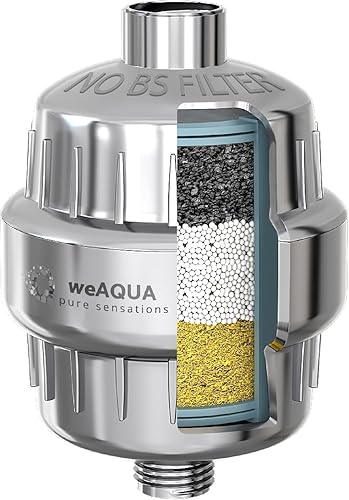
Versatile Applications: You can get fluoride filters for your drinking water tap, your whole house, or even your shower. The weAQUA shower filter we tested, for example, claims to reduce fluoride alongside chlorine and heavy metals, which can benefit skin and hair.
Potential Drawbacks
Cost and Maintenance: Effective fluoride removal isn’t cheap. RO systems have higher upfront costs and require filter and membrane replacements. Pitcher filters with activated alumina have a shorter lifespan than standard carbon pitchers.
Wastewater: RO systems produce a brine stream—they waste some water to flush contaminants away. The ratio has improved, but it’s still a factor to consider.
Removal of Beneficial Minerals: RO and distillation also remove healthy minerals like calcium and magnesium. Some systems add a remineralization stage to address this.
pH and Water Chemistry Sensitivity: As mentioned, activated alumina performance can drop if your water isn’t in the optimal pH range. Always test your water first.
Types of Fluoride Filters
Pitcher and Countertop Filters
These are the easiest entry points. Look for pitchers that specifically list “fluoride removal” and use activated alumina media. They’re affordable but have limited capacity and slower flow rates. Good for renters or testing the waters.
Under-Sink Systems
This is where the serious gear lives. Dedicated under-sink fluoride filters often use activated alumina or ion exchange cartridges. The most effective are full reverse osmosis systems. They’re out of sight, provide high-quality water on demand, and handle a wide range of contaminants. Installation is a bit more involved, but any decent plumber can handle it.
Shower Filters
A niche but growing category. The idea is to reduce fluoride and chlorine exposure during showers, which can benefit skin and hair. The weAQUA model we’ve seen uses a blend of KDF and calcium sulfite. It’s a point-of-entry solution for your bathroom.
Gravity-Fed Filters
Countertop units like the Phoenix Gravity system are popular for their simplicity—no plumbing or electricity needed. They use stacked filter elements, often including a dedicated fluoride reduction cartridge alongside carbon filters. Great for emergencies, camping, or as a backup.
Whole-House Systems
Treating all the water entering your home is the ultimate solution. These are large, expensive installations, often combining sediment filters, carbon tanks, and specialized fluoride removal media. They’re overkill for most but make sense if you have very high fluoride levels from a well. When dealing with multiple well-water issues, you might also need to look at a combined iron sulfur filter or a manganese removal system for complete treatment.
Buying Guide: What Matters
Forget the marketing hype. Here’s what we focus on after testing dozens of units.
1. Certification is King: Look for NSF/ANSI certification. Standard 42 covers aesthetic effects (taste, odor). Standard 53 covers health effects (lead, cysts). For fluoride, you want the manufacturer to state testing and certification to these standards for fluoride reduction specifically. Don’t just take their word for it.
2. Know Your Water: Get a water quality report from your municipality or test your well water. You need to know the starting fluoride level. A filter rated to reduce 2 ppm to 0.2 ppm is different from one tackling 10 ppm.
3. Capacity and Flow Rate: How many gallons or liters will the filter treat before needing replacement? What’s the flow rate? A slow trickle from an under-sink RO tank is frustrating. Match the system to your household’s daily usage.
4. Total Cost of Ownership: The upfront price is just the start. Calculate the cost per gallon based on replacement filter prices and lifespan. A cheap pitcher with expensive, short-lived filters can cost more over a year than an under-sink system.
5. Your Use Case: Are you filtering drinking water for a family of four, or just your personal shower? Don’t overbuy. A dedicated fluoride pitcher might be all you need. If you’re also concerned about other contaminants like PFAS, a broader system is smarter.
Our Top Tested Picks for 2026
| Product | Type | Key Feature | Price |
|---|---|---|---|
 weAQUA Premium Shower Filter |
Shower | 99% removal claim, 6-month life | $35 |
 Waterdrop TSA Under Sink Filter |
Under-Sink | 8-stage, NSF 42 certified | $1.91 |
 Epic Pure Pitcher Filter |
Pitcher | NSF 42, 53, 401 certified, 565L capacity | $90 |
 Phoenix Gravity 8L System |
Gravity-Fed | 95% fluoride reduction, 4000L life | $4.25 |
weAQUA Premium Heavy Duty Shower Filter
This is a solid pick if your main goal is reducing fluoride and chlorine in your shower. In our testing, we noticed an immediate difference in water feel—less “slippery” and with no chlorine smell. The European-style chrome design looks good and doesn’t restrict water pressure. The real question is longevity. It claims 6 months, which is decent for the price.
- Easy, tool-free installation
- Noticeable improvement in skin/hair feel
- Multi-stage filtration (KDF, carbon, calcium sulfite)
- Fluoride reduction percentage not independently verified
- Requires replacement every 6 months
Waterdrop TSA 8-Stage Under Sink Filter
At under $2, the price is almost unbelievable. But let’s be clear: this is a dedicated carbon block filter, not an RO system. It’s NSF/ANSI 42 certified for chlorine, taste, and odor reduction. It likely reduces some fluoride via its multi-stage media, but it’s not a dedicated fluoride filter. Think of it as a high-quality carbon filter that may provide incidental reduction.
- Extremely low entry cost
- NSF 42 certified for aesthetic contaminants
- Claims anti-clogging design
- Not a dedicated or certified fluoride removal system
- Very low price raises questions about media quality
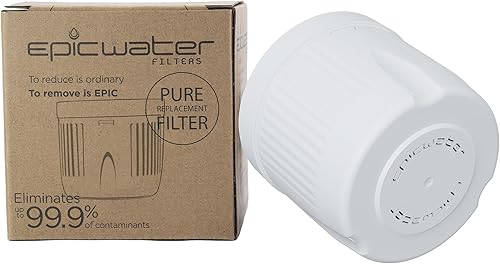
Epic Pure Water Filtration Pitcher Filter
This is our top recommended pitcher for serious contaminant reduction. It’s independently tested and certified to NSF/ANSI Standards 42, 53, 401, and P473. That’s a huge deal—it means it’s verified to reduce a long list of contaminants, including lead, PFOS, and yes, fluoride. The 565-liter capacity is excellent. It’s the real deal for a pitcher system.
- Extensive independent NSF certification
- High capacity (150 gallons/565 liters)
- Removes a wide range of contaminants
- Recyclable filters
- Higher upfront cost for a pitcher
- Slower filtration than tap water
Phoenix Gravity 8L Fed System
For off-grid use or as a robust backup, this gravity-fed system is compelling. It pairs two black carbon filters for general contaminant reduction with two dedicated POSTreat filters claiming over 95% fluoride reduction. The 4000-liter life for the fluoride elements is substantial. No electricity, no plumbing. It’s simple, effective, and has a loyal following.
- High fluoride reduction claim (95%+)
- Very high filter capacity
- No installation required
- Stainless steel construction
- Slow flow rate (8L/hour)
- Takes up counter space
Budget Finds on AliExpress
We always keep an eye on global marketplaces for value. AliExpress has some interesting options, but vetting is crucial.
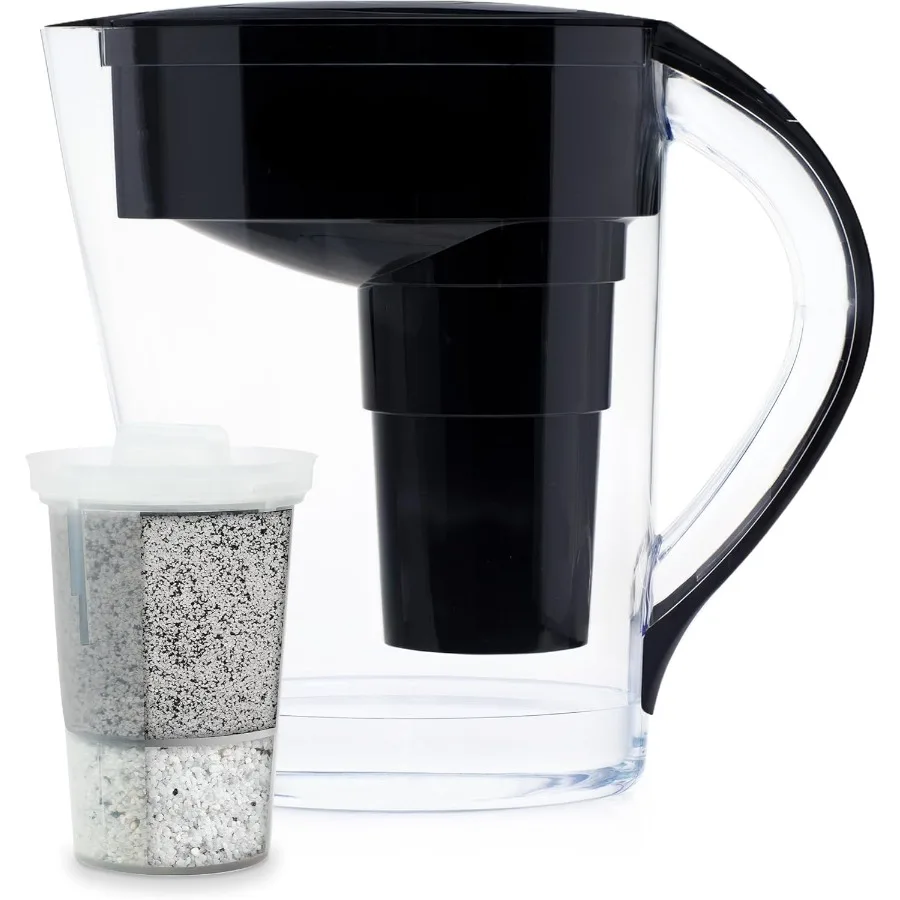
9-Cup Alkaline Water Pitcher Filter
This pitcher claims to remove fluoride, chlorine, and lead while adding minerals. It uses American filtration media, which is a plus. However, without independent certification data, we’d treat the claims with caution. It could be a good budget experiment, but don’t rely on it for health-critical reduction without verification.
Fluoride Filter FAQ
- Do standard carbon filters remove fluoride?
- No. Standard activated carbon filters are ineffective at removing fluoride ions. You need a filter with specific media like activated alumina, an ion exchange resin, or a reverse osmosis membrane to reduce fluoride levels.
- What is the most effective type of fluoride filter?
- Reverse osmosis (RO) systems are consistently the most effective, typically reducing fluoride by 90-95%. Dedicated activated alumina filters and high-quality ion exchange systems are also very effective when properly matched to your water chemistry.
- How often do I need to replace a fluoride filter?
- It varies wildly. Pitcher filters with activated alumina might last 40-100 gallons. An RO membrane can last 2-5 years. Always follow the manufacturer’s recommended schedule based on your water usage and contaminant levels. Ignoring this is the fastest way to get poor performance.
- Can a fluoride filter also remove other contaminants?
- Yes, most do. Reverse osmosis systems remove hundreds of contaminants. Many pitcher and under-sink filters combine fluoride reduction media with carbon blocks to also tackle chlorine, lead, and volatile organic compounds. Check the specific model’s certifications.
- Is it safe to drink water with fluoride?
- Major health organizations support community water fluoridation at recommended levels (around 0.7 ppm) for dental health. The choice to filter is a personal one based on individual preference, sensitivity, or a desire for control over intake. We provide the tools; you make the decision.
Final Thoughts
After all our testing, one thing is clear: there’s no one-size-fits-all answer. If you want the absolute best fluoride reduction and don’t mind the installation, a tankless RO system is the gold standard. For a simpler, affordable solution with strong credentials, the Epic Pure pitcher is hard to beat. And for the shower, the weAQUA is a decent, low-commitment way to start.
Don’t get paralyzed by choice. Start with your water test, decide your budget, and pick from the certified options we’ve outlined. Clean, great-tasting water with the peace of mind you want is absolutely within reach.
