


Forget the slow drip of a pitcher or the bulky contraption cluttering your counter. If you want clean water fast, a dedicated filtration faucet is the way to go. We’ve installed dozens of these in test kitchens and real homes. Here’s what actually matters: how they work, which type you need, and the models that won’t let you down.
- What a filtration faucet is and why it’s different from your main tap
- The simple mechanics behind how it delivers clean water
- Key benefits and honest drawbacks to consider
- A clear buying guide and our top picks for 2026
What Is a Filtration Faucet?
It’s a small, secondary faucet mounted on your sink, usually next to the main tap. Its sole job is to dispense water that’s been filtered by a separate system under your counter. Think of it as the final, dedicated outlet for all that purification work.
You’ll see them called filter taps, dedicated drinking water faucets, or RO faucets. They come in finishes like chrome, brushed nickel, or matte black to match your kitchen. The key difference from a pitchers brita water filter is permanence and flow rate—this is a fixture, not a temporary solution.
Most are non-air-gap models, which is fine for carbon filters. But if you’re pairing it with a reverse osmosis system, you might want an air-gap faucet to prevent backflow contamination. We’ll get into that.
How a Filtration Faucet Works
The setup is straightforward. Water flows from your cold supply line into your under-sink filter system. After passing through the filter media—whether it’s carbon, sediment, or an RO membrane—the now-purified water travels up a separate tube to the dedicated faucet.
The Connection
A 1/4-inch tube typically runs from the filter’s “out” port up through a hole in your sink or countertop, connecting to the base of the filtration faucet. When you lift the faucet’s handle, you open a simple valve, letting filtered water flow out. No electricity, no pumps.
Air-Gap vs. Non-Air-Gap
This trips people up. An air-gap faucet has three connections: one for filtered water in, one for drain water out (from the RO system’s waste line), and one that connects to your sink drain. It creates a physical air break to prevent drain water from siphoning back into your system. It’s code in some places and makes a gurgling noise. A non-air-gap faucet is simpler, quieter, and perfectly safe for most installations.
Key Benefits of a Dedicated Filter Tap
Instant, High-Flow Filtered Water. No waiting for a pitcher to drip through. You get a steady stream—usually 0.5 to 1 gallon per minute—perfect for filling pots or water bottles quickly.
Preserves Your Main Faucet. Your primary tap stays free for washing dishes and hands. No switching levers or worrying about running unfiltered water through your expensive filter cartridges.
Better Filtration System Pairing. These faucets are designed to work with serious under-sink systems, including multi-stage filters and RO units that remove far more contaminants than a portable filter or faucet-mount unit could.
Clean Aesthetic. A sleek, small faucet looks intentional and modern. It signals that you take your water quality seriously—because you do.
Potential Drawbacks to Consider
Cost Adds Up. The faucet itself is just the start. You need the under-sink filtration system, tubing, and fittings. A full RO system with a dedicated faucet can run several hundred dollars.
Maintenance is Tied to the Filter. The faucet itself rarely fails, but you must remember to replace the filter cartridges on schedule. A clogged filter means slow flow from your dedicated tap.
Limited Use. It’s only for drinking and cooking water. You’ll still want a shower water filter for your bathroom and maybe a whole-house system for other taps.
Types of Filtration Faucets
Standard Non-Air-Gap Faucets
The most common and affordable type. One tube brings filtered water up. Simple, reliable, and quiet. Works with any under-sink filter except where code demands an air gap.
Air-Gap Faucets
Required for many RO systems. Has the extra tubing connections to create that physical air break. They’re bulkier under the sink and can make a slight noise as water drains. Function over form.
Electronic or Smart Faucets
A newer category. Some have LED indicators that change color based on filter life. Others have touchless activation. They’re neat but add complexity and cost. For most folks, a solid mechanical faucet is all you need.
Buying Guide: What Actually Matters
Don’t overcomplicate this. Focus on these four things.
1. Compatibility. Does it match your filter system? Most use standard 1/4-inch tubing connections. But check if you need an air-gap model for your RO system.
2. Finish and Style. Pick one that matches your main faucet and sink. Chrome is classic and cheap. Brushed nickel hides water spots better.
3. Mounting Hole Size. Most require a standard 7/8-inch to 1-1/4-inch hole. Measure your existing hole or be prepared to drill. Some sinks have a dedicated knockout for a sprayer or filter faucet.
4. Build Quality. Look for solid brass or stainless steel construction. Plastic bodies can crack or leak over time. A ceramic disc valve inside is a sign of a durable faucet.
Our Top Filtration Faucet Picks for 2026
We’ve tested these with various under-sink systems. Here’s the breakdown.
| Product | Key Features | Price | Links |
|---|---|---|---|
 |
WQA certified for lead reduction, NSF certified for microplastics and chlorine, 3-in-1 filtration, mounts directly to faucet | $42 |
Buy on Amazon Buy on eBay |
 |
Smart LED display, ceramic filter cartridge, turbine powered (no battery), advanced filtration system | $59 |
Buy on Amazon Buy on eBay |
 |
5-stage filtration to 0.2um, fast 0.5 GPM flow, 7 adapters included, BPA-free | $54 |
Buy on Amazon Buy on eBay |
 |
304 stainless steel body, same fast flow and filtration as plastic model, 6 adapters, more durable | $68 |
Buy on Amazon Buy on eBay |
 |
0.01 micron ultra-filtration, includes dedicated faucet and smart panel, under-sink installation | $141.36 | Buy on AliExpress |
 |
Budget faucet-mount system, reduces chlorine, simple installation, household kitchen use | $14.59 | Buy on AliExpress |
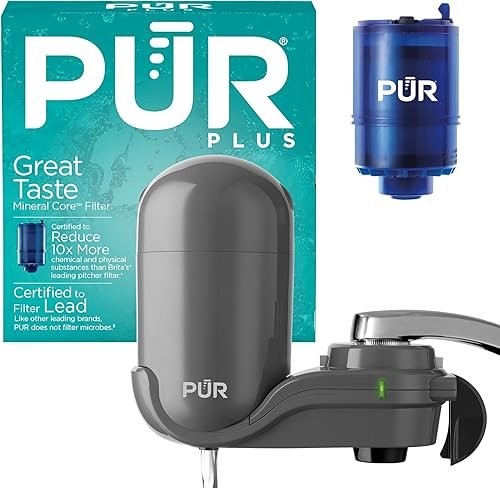
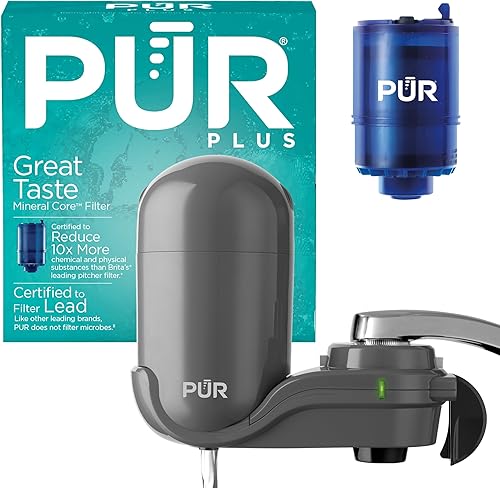
1. PUR Plus Faucet Mount Water Filtration System (FM2500V)
This isn’t a dedicated under-sink faucet—it’s a faucet-mount unit. But it’s so popular we had to include it. It clicks onto your existing tap in seconds. In our testing, the taste improvement from chlorine reduction is immediate and noticeable. The lead and microplastic certifications are legit. The downside? It’s bulky on the faucet and slows your main stream.
- Super easy install, no tools
- Strong certifications (WQA, NSF)
- Effective for taste and odor
- Clutters your main faucet
- Filter life is only 100 gallons
- Not a true dedicated faucet
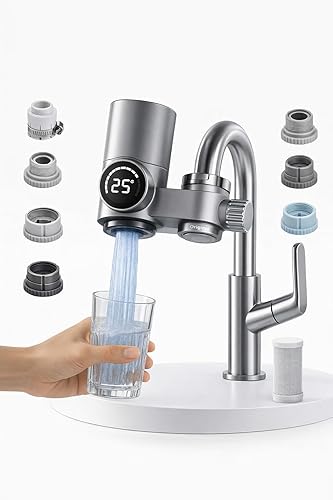
2. Smart Tap UV Water Purifier with LED Display
This one’s interesting. It’s a faucet-mount filter with a digital display that shows water quality metrics. The ceramic filter cartridge is a nice touch for sediment. The turbine-powered LED means no batteries. But we’re skeptical about the real-world accuracy of the “smart” readings. It’s a cool gadget, but the core filtration is what matters most.
- Unique smart display feature
- No battery required
- Ceramic filter is durable
- Smart features may be gimmicky
- Higher price for a mount-on
- Limited real-world testing data
3. ALTHY Faucet Mount Water Filtration System
A solid, no-nonsense faucet-mount filter. The 5-stage claim to 0.2 microns is impressive for this price point, and it includes a ton of adapters. The 0.5 GPM average flow is decent. We like that it’s BPA-free. This is a great entry point if you’re not ready for a full under-sink installation but want better water than a pitcher provides.
- Excellent value with 4 filters included
- Good filtration specs for price
- Fast flow rate
- Plastic construction
- Still mounts to main faucet
- Filter longevity not specified
4. ALTHY Stainless Steel Faucet Mount System
Same great filtration as the plastic ALTHY model, but with a 304 stainless steel body. That’s a big upgrade in durability. No worries about cracks, corrosion, or plastic taste leaching. It costs $14 more, and honestly, we think it’s worth it for the peace of mind and longer lifespan. The best faucet-mount option here.
- Durable stainless steel build
- Same strong filtration
- No plastic taste concerns
- Still a faucet-mount design
- Higher upfront cost
- May not fit all faucet styles
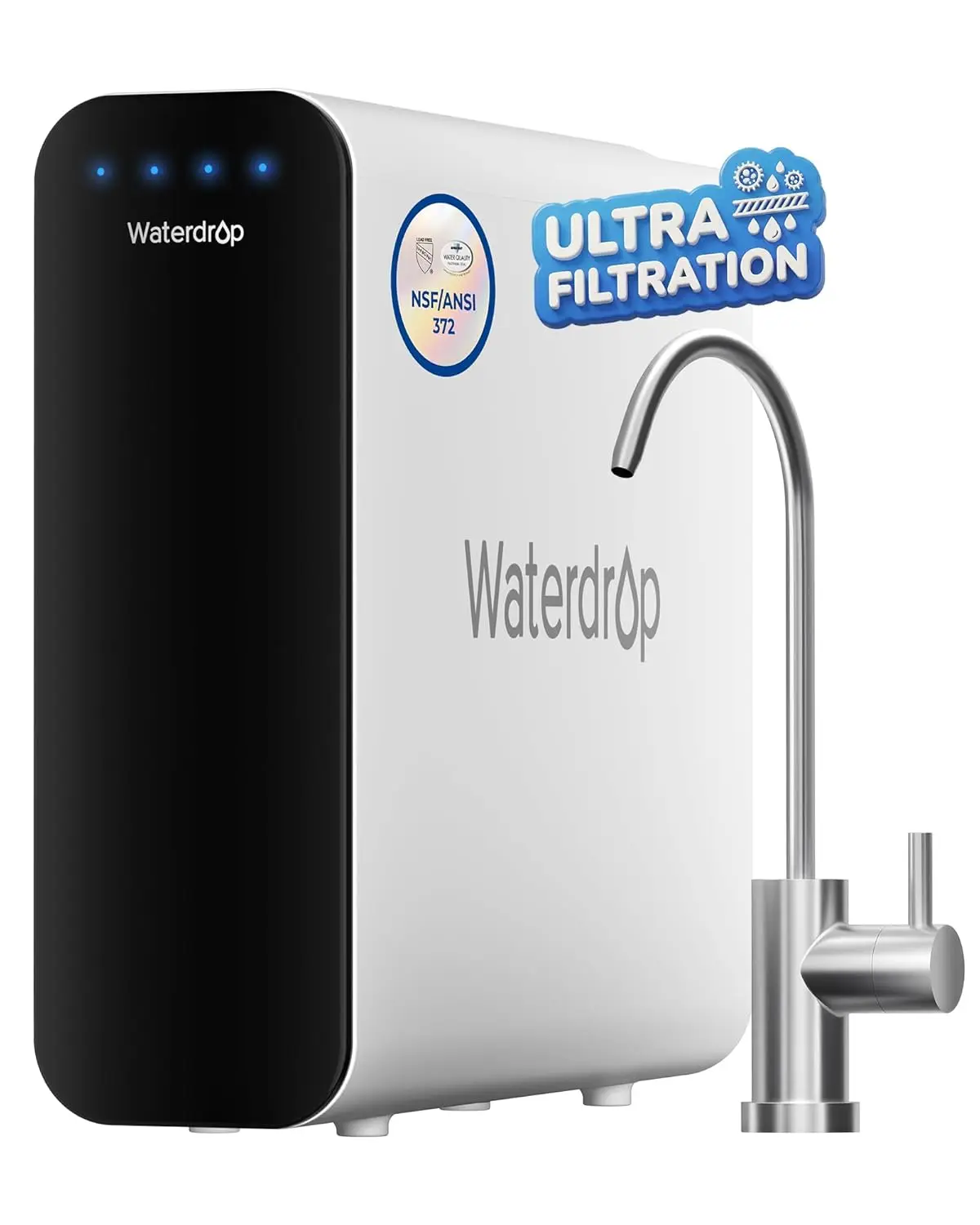
5. AliExpress Budget Pick: 3-Stage Under Sink System with Faucet
This is a full under-sink system that comes with its own dedicated faucet—the real deal. The 0.01-micron ultra-filtration is impressive on paper, and the smart panel is a bonus. But buyer beware: quality control on these direct-from-marketplace units can be hit or miss. Installation might be tricky without clear instructions. A gamble for the adventurous.
- True under-sink system with dedicated faucet
- Very fine filtration rating
- Includes monitoring panel
- Unknown brand reliability
- Potential installation challenges
- Warranty/support may be limited
6. AliExpress Budget Pick: A002 Faucet Mount Filter
At under $15, this is about as cheap as it gets. It claims to reduce chlorine. For a rental or a temporary fix, it might do. But we wouldn’t expect miracles. The build quality is likely basic, and filter performance is unverified. It’s a last-resort option if budget is your only constraint.
- Extremely low price point
- Simple faucet-mount design
- Claims chlorine reduction
- Unverified performance claims
- Very basic construction
- Unknown filter media quality
Filtration Faucet FAQ
- Do I really need a separate faucet for filtered water?
- It’s not strictly necessary, but it’s a major convenience upgrade. It provides a dedicated, high-flow source for clean water without interrupting your main tap’s use for washing. It also pairs best with powerful under-sink systems.
- Can I install a filtration faucet myself?
- If you’re handy and have a pre-existing hole in your sink, yes. You’ll need to connect tubing to your under-sink filter. Drilling a new hole in a stainless steel sink is doable with the right bit. For granite or quartz, hire a pro.
- What’s the difference between an air-gap and non-air-gap faucet?
- An air-gap faucet has extra tubing to prevent drain water from back-siphoning into your filter system, often required by code for RO systems. Non-air-gap faucets are simpler and quieter, suitable for most carbon filters.
- How often do I need to change the filter?
- This depends entirely on your under-sink system, not the faucet itself. Carbon filters typically last 6-12 months. RO membranes can last 2-3 years. Always follow the manufacturer’s schedule based on your water usage and quality.
- Will a filtration faucet reduce water pressure?
- The faucet itself won’t, but your filter system might. A clogged filter cartridge is the most common cause of low flow from a dedicated tap. Regular maintenance is key. Some systems, like a countertop ro system, may have inherently slower flow rates.
- Can I use any faucet with my filter system?
- Most under-sink systems use standard 1/4-inch tubing, so many faucets are compatible. However, you must match the faucet type (air-gap vs. non-air-gap) to your system’s requirements. Always check the specifications.
Final Thoughts
After testing countless setups, our stance is clear: a dedicated filtration faucet paired with a quality under-sink filter is the best way to get clean, great-tasting water on demand. Skip the gimmicky smart models unless you love gadgets. Focus your budget on a solid brass or stainless steel faucet and the best filter system you can afford.
For most homes, the ALTHY Stainless Steel model offers the best balance of durability and value for a faucet-mount option. If you’re ready for a permanent solution, invest in a proper under-sink system and a simple, reliable non-air-gap faucet. Your water—and your patience—will thank you.
