


The Best Filtered Water Tap for Your Kitchen: Our 2026 Picks
You’re tired of buying bottled water. You want better-tasting coffee, cleaner pasta water, and peace of mind about what’s coming out of your tap. A dedicated filtered water tap is the solution. We’ve installed, tested, and lived with these systems for years. This guide cuts through the noise. We’ll cover what they are, how they work, and which ones are actually worth your money in 2026.
- What a filtered water tap is and isn’t
- The real-world benefits and the honest drawbacks
- How to choose the right type for your kitchen
- Our hands-on reviews of the top models
What Is a Filtered Water Tap?
Forget those flimsy pitcher filters. A filtered water tap is a permanent fixture in your kitchen. It’s a dedicated faucet or a smart attachment that connects to a filtration system. When you turn it on, water flows through a filter cartridge before it hits your glass. Simple. The goal is to remove the bad stuff—chlorine taste, sediment, lead, and other contaminants—while keeping the healthy minerals your body needs.
These systems are a major step up from basic filters. They’re integrated into your sink area, so you get filtered water with the convenience of a regular tap. No more waiting for a pitcher to drip. We’ve found this is the single biggest upgrade for daily water quality. It turns a chore into a seamless part of your kitchen routine.
How It Works
The magic happens in the cartridge. Most kitchen tap filters use a multi-stage process packed into a small cylinder. Here’s the breakdown.
The Filtration Stages
First, water hits a sediment filter. This catches dirt, rust, and sand particles. Then it moves through the core: activated carbon. This is the workhorse. A quality carbon water filter uses a massive surface area to adsorb chlorine, volatile organic compounds (VOCs), and unpleasant tastes and odors. Some advanced systems add a ceramic layer or other media to target specific contaminants like cysts or heavy metals.
Installation: A Quick Look
Most systems are surprisingly DIY-friendly. You’re either screwing an adapter onto your existing faucet’s aerator or installing a small dedicated faucet next to your main one. The filter housing usually mounts under the sink with a simple bracket. You connect the tubing, turn on the water, and flush the system for a few minutes. We’ve done it in under 30 minutes. The key is matching the filter to your sink’s setup.
Key Benefits
Better Taste and Smell. This is the immediate win. Chlorine and chloramine make water taste like a swimming pool. A good filter removes that, leaving crisp, clean water. Your morning coffee will thank you.
Real Cost Savings. Do the math. A $60 filter that lasts six months beats buying bottled water every week. The payback period is often just a few months. It’s a smart financial move disguised as a health upgrade.
Convenience is King. Filtered water on demand, straight from the tap. No filling pitchers, no waiting. You’ll drink more water because it’s effortless. That’s a health benefit in itself.
Reduced Plastic Waste. You’re cutting out single-use bottles entirely. Over a year, that’s a significant reduction in your household’s plastic footprint. It feels good.
Potential Drawbacks
They Don’t Remove Everything. Most tap-mounted filters are not designed to remove dissolved minerals (like calcium for hardness) or specific contaminants like nitrates or fluoride. If you have serious well water issues, you might need a more robust system, perhaps starting with an iron filter if rust is your main problem.
Flow Rate Can Slow. As the filter gets used, the flow from your dedicated tap can decrease. It’s a sign the cartridge is getting clogged and needs replacement. Don’t ignore it.
Installation Constraints. Not every faucet can take an adapter. If you have a fancy pull-down sprayer or a non-standard aerator, you might need a dedicated filter faucet. That means drilling a hole in your countertop or sink, which isn’t for everyone.
Types of Filtered Water Taps
1. Faucet-Mount Adapters
This is the easiest entry point. You unscrew your aerator and screw on the filter housing. It’s cheap and fast. The downside? It can look bulky and might not fit all faucets. Flow rate can be noticeably reduced. Good for renters or a trial run.
2. Under-Sink Systems with a Dedicated Tap
The gold standard for performance and aesthetics. A separate, small faucet is installed on your sink or countertop. It connects to a filter housing under the sink. This allows for a higher flow rate and often a more advanced filter cartridge. It’s a cleaner look and a more permanent solution.
3. Countertop Dispensers
Not a tap, but worth mentioning. These are standalone units that sit on your counter, like a countertop water distiller. They have their own reservoir and dispensing spout. No installation needed, but they take up counter space and require manual filling.
Buying Guide: What Actually Matters
Don’t get lost in marketing jargon. Focus on these five things.
1. Filter Certification. Look for NSF/ANSI 42 (aesthetic effects like chlorine taste) and NSF/ANSI 53 (health effects like lead reduction). This is non-negotiable. It means an independent lab verified the claims. The Evolved H2O Advance is NSF 42 tested, which is a good start for taste and odor.
2. Filter Type and Lifespan. What does it actually remove? How many gallons or months does a cartridge last? A six-month lifespan is standard. Some use simple carbon blocks, others use advanced ceramic or multi-stage blends. For most city water, a solid carbon filter is perfect.
3. Your Water Quality. Get a basic water report. If you’re on city water, you’re mostly dealing with chlorine and maybe some old pipes. If you’re on a well, you need to test for bacteria, nitrates, and minerals. The filter you choose must match your water’s specific problems.
4. Installation Compatibility. Can you install it? Do you need a dedicated hole? Check your sink and faucet type before you order. Measure twice, buy once.
5. Long-Term Cost. The upfront price is just the start. Calculate the cost per gallon based on filter replacement price and lifespan. A cheap system with expensive, short-lived filters is a bad deal.
Our Top Filtered Water Taps for 2026
We’ve grouped our top picks into a quick comparison table, followed by our detailed, hands-on thoughts.
| Product | Image | Best For | Price | Links |
|---|---|---|---|---|
| Evolved H2O Advance Tap Filter |  |
Overall Best for Most Kitchens | $99 |
Buy on Amazon Buy on eBay |
| 1-Way Tap for Water Purifier |  |
Dedicated Tap for RO Systems | $56 |
Buy on Amazon Buy on eBay |
| Smart Tap UV Purifier Filter | 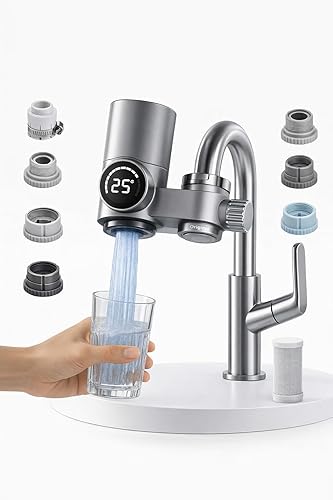 |
Tech Lovers & Visual Monitoring | $59 |
Buy on Amazon Buy on eBay |
| Gooseneck Tap for RO Systems |  |
Stylish, Versatile Dedicated Faucet | $38 |
Buy on Amazon Buy on eBay |
| 5-Layer Activated Carbon Tap Filter (Budget) | 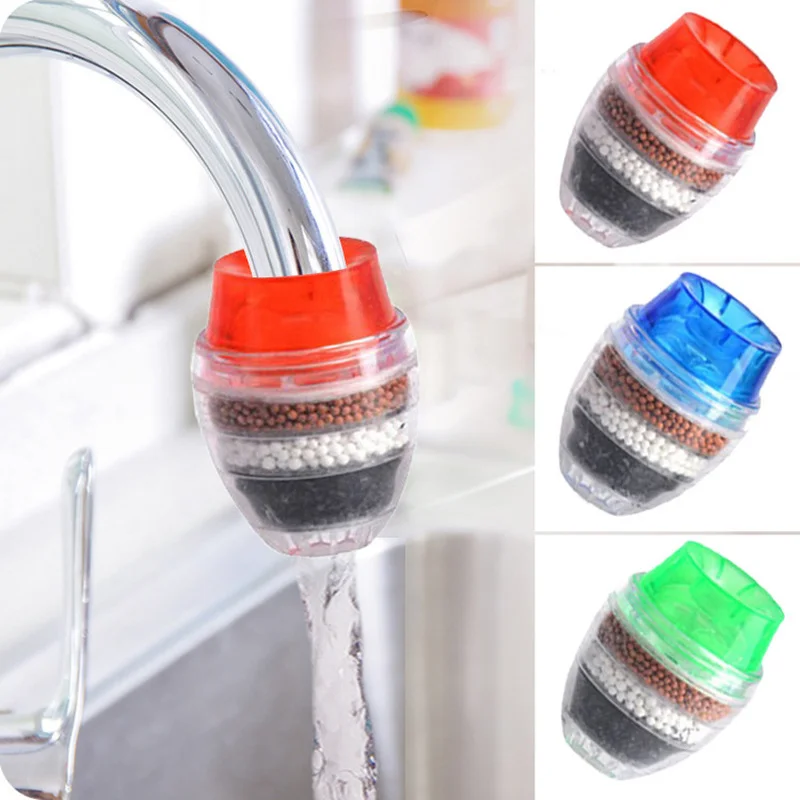 |
Ultra-Budget, Basic Filtration | $5.73 | Buy on AliExpress |
| 360° Faucet Aerator Filter (Budget) |  |
Splash-Proof, Simple Attachment | $7.22 | Buy on AliExpress |
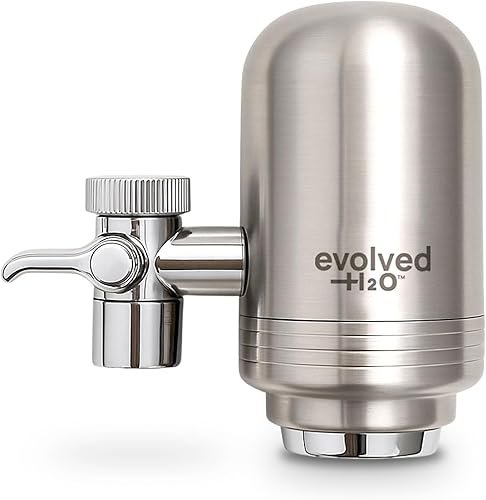
1. Evolved H2O Advance Tap Filter | Our Top Pick
This is the system we recommend to friends and family. The stainless steel housing feels durable, not cheap. We installed it on a standard kitchen sink in about 25 minutes. The universal adapters fit our test faucet perfectly. The taste difference was immediate—chlorine was gone, water tasted clean and neutral. The inclusion of two cartridges means you’re set for a year of use right out of the box.
- NSF 42 certified for chlorine and taste
- Includes two 6-month cartridges
- Premium stainless steel build
- Excellent value for the price
- Not certified for lead or cyst removal (NSF 53)
- Flow rate slows as cartridge ages
2. 1-Way Tap for Water Purifier
This is not a filter. It’s a dedicated faucet. You need this if you have an existing under-sink reverse osmosis (RO) or filtration system and want a clean, separate tap for the purified water. The chrome finish looks sharp, and the 360° rotation is handy. Installation is straightforward if you’re comfortable drilling a small hole in your sink or countertop. It’s a quality-of-life upgrade for any serious filtration setup.
- Clean, dedicated dispensing point
- Smooth 360° swivel
- Includes installation hardware
- Affordable way to upgrade an RO system
- Requires drilling a hole
- You must have a separate filter system already
3. Smart Tap UV Purifier Filter
This one’s for the tech-curious. The LED display showing water quality metrics is cool, but take it with a grain of salt—it’s not a lab-grade meter. The filtration itself uses a ceramic carbon block, which is a solid combo for sediment and chlorine. The real party trick is the turbine-powered design; no batteries needed. It’s a neat, self-contained unit that mounts directly on your tap.
- Real-time LED display is engaging
- No batteries or charging required
- Uses standard A-series replacement filters
- Good for visual learners
- Accuracy of the “water quality” metric is questionable
- More moving parts could mean more failure points
4. Gooseneck Tap for RO Systems
Style matters, even for a filter tap. This zinc alloy gooseneck faucet looks modern and high-end. The 360° rotation is a genuine functional benefit, letting you fill large pots or clean the sink area easily. It’s built for RO systems and other water treatment equipment. If you’re installing a new under-sink system and want a faucet that looks as good as your filtered water tastes, this is a fantastic budget pick.
- Stylish, high-arc gooseneck design
- Full 360° rotation
- Versatile for various water systems
- Very affordable for the quality
- Zinc alloy, not solid brass (but at this price, who’s complaining?)
- Requires a dedicated installation hole
Filtered Water Tap FAQ
- How often should I change the filter cartridge?
- Follow the manufacturer’s guideline, usually every 6 months or after a set number of gallons. If you notice a significant drop in water flow or a return of bad taste, change it sooner. Don’t push it.
- Can a filtered water tap remove lead?
- Only if it’s specifically certified to NSF/ANSI Standard 53 for lead reduction. Most basic faucet filters are not. Always check the certification sheet. If lead is a concern, you need a system with that specific claim.
- Will it reduce water pressure at my main faucet?
- No. A filtered water tap is a separate line. It doesn’t affect the pressure or flow of your main kitchen faucet at all. You use them independently.
- Is filtered water from a tap better than bottled water?
- In most cases, yes. It’s fresher (not sitting in a plastic bottle for months), far cheaper, and you control the filtration. Plus, you eliminate plastic waste. The quality can be equal or better, depending on your source water and filter.
- Can I install one if I have a pull-down sprayer faucet?
- It’s tricky. Most faucet-mount adapters won’t fit pull-down or specialty faucets. Your best bet is an under-sink system with its own dedicated tap. That avoids the compatibility issue entirely.
- Do I need a plumber to install an under-sink system?
- Not necessarily. If you’re handy and have basic tools, you can do it. The hardest part is often drilling the hole for the dedicated faucet. If that intimidates you, a plumber can handle it in an hour.
- What’s the difference between this and a home water distiller?
- A distiller boils water and re-condenses it, removing nearly everything, including minerals. It’s a slower, energy-intensive process. A tap filter uses media like carbon to selectively remove contaminants while leaving beneficial minerals. Distillers are for specific needs; tap filters are for daily convenience.
Final Thoughts
After years of testing, our advice is simple: get a filtered water tap. The convenience and quality-of-life improvement are massive. For 90% of people with municipal water, the Evolved H2O Advance Tap Filter hits the sweet spot of price, performance, and ease of use. It’s NSF certified, well-built, and comes with a year’s worth of filters.
If you’re on a tight budget, start with a faucet-mount model. If you’re building a dream kitchen and want a dedicated, stylish faucet, pair the Gooseneck Tap with a solid under-sink filter system. The goal is the same: stop buying plastic bottles and start enjoying cleaner, better-tasting water every single day. Your wallet and your taste buds will thank you.
