


Finding the right filtered water solution can feel overwhelming. Do you need a simple pitcher, a whole-house system, or something in between? After testing dozens of filters and talking to countless homeowners, we’ve cut through the noise. This guide covers how filtration works, the key benefits, and our top recommendations so you can get clean, great-tasting water from your tap.
What Is a Filtered Water Solution?
A filtered water solution is any system or device designed to remove impurities from your tap water. That’s the simple definition. But the reality is more nuanced. It’s not just about making water “safe”—though that’s critical. It’s also about improving taste, odor, and clarity. Think of it as a barrier between the municipal supply (or your well) and your glass.
The goal is to target specific contaminants. These can range from visible particles like sand and rust to invisible threats like lead, chlorine, or PFAS. The best solution for you depends entirely on what’s in your water to begin with. A clean drinking water standard isn’t one-size-fits-all.
How Filtered Water Solutions Work
Filtration works by passing water through a medium that captures or neutralizes contaminants. The method varies wildly by technology. Let’s look at the core mechanics.
Mechanical Filtration
This is the most straightforward method. Water is forced through a physical barrier—like a mesh or a dense block—with tiny pores. The pore size, measured in microns, determines what gets caught. A 5-micron sediment filter cartridge will trap dirt and rust. A 0.2-micron ceramic water filter can block bacteria and cysts. It’s all about size exclusion.
Adsorption
Activated carbon is the king here. It’s incredibly porous, giving it a massive surface area. As water flows through, contaminants like chlorine, volatile organic compounds (VOCs), and some pesticides stick to the carbon’s surface in a process called adsorption. This is why carbon filters are so good at fixing taste and odor issues. The quality of the carbon and the contact time matter a lot.
Reverse Osmosis (RO)
This is the heavy artillery. RO uses pressure to force water through a semipermeable membrane with pores so tiny (around 0.0001 microns) that only water molecules can pass. It strips out an incredible range of dissolved solids: lead, arsenic, fluoride, nitrates, and TDS (Total Dissolved Solids). It’s highly effective but also wastes some water and removes beneficial minerals.
Key Benefits of Filtering Your Water
Better Taste and Odor: This is the immediate, noticeable win. Filtering out chlorine and sulfur compounds makes water more pleasant to drink. You’ll likely drink more of it, which is always a good thing.
Removal of Harmful Contaminants: This is the core purpose. A properly certified filter can reduce lead from old pipes, disinfection byproducts, and industrial pollutants. It’s a critical layer of protection for your home drinking water.
Cost Savings Over Bottled Water: The math is simple. A $30 pitcher filter that lasts two months beats buying cases of bottled water. Over years, the savings from an under-sink system are substantial.
Environmental Impact: You’re drastically cutting down on single-use plastic waste. That’s a win for your wallet and the planet.
Potential Drawbacks to Consider
Upfront Cost & Maintenance: Systems aren’t free. Reverse osmosis units can be a significant investment. And every system needs regular filter cartridge replacements. Forget, and your filter becomes useless—or worse, a breeding ground for bacteria.
Water Waste (RO Systems): Traditional reverse osmosis systems can send 3-4 gallons of water down the drain for every gallon of pure water produced. Newer, more efficient models exist, but it’s a factor to check.
Mineral Removal: RO and some advanced filters strip out beneficial minerals like calcium and magnesium. Some people remineralize their water or choose filters that leave minerals in.
Types of Filtered Water Systems
Pitcher & Dispenser Filters
The easiest entry point. No installation, just fill the top. Perfect for renters, small households, or improving taste on a budget. The downside? Slow filtration, limited capacity, and frequent refills.
Faucet-Mounted Filters
Screws onto your existing faucet head. Offers filtered water on demand with the flip of a switch. They can be bulky and might not fit all faucets, but they’re a great middle ground for convenience.
Under-Sink Systems
Installed out of sight under your kitchen sink, usually with a dedicated faucet. This includes carbon block filters and multi-stage systems. They offer high flow rates and serious filtration without cluttering your counter. You’ll need some basic plumbing skills or a plumber for the initial setup. A standard 10 inch filter housing is a common, customizable starting point.
Reverse Osmosis Systems
The gold standard for purity. Typically installed under the sink, they use multiple stages (sediment, carbon, RO membrane, sometimes a final polishing filter) to remove up to 99% of dissolved contaminants. Ideal for areas with poor water quality or specific health concerns.
Buying Guide: What Actually Matters
Don’t just buy the first filter you see. Match the solution to your problem.
1. Know Your Water: Get a water quality report from your utility or use a home test kit. Is your issue chlorine taste, lead, hardness, or something else? This dictates the filter type.
2. Check Certifications: Look for NSF/ANSI certifications. Standard 42 covers aesthetic effects (taste, odor). Standard 53 covers health effects (lead, cysts). Standard 58 is for RO systems. This is non-negotiable for trust.
3. Calculate Cost of Ownership: The initial price is just the start. Divide the cost of replacement filters by their lifespan (in months or gallons). A cheap pitcher with expensive filters can cost more over time.
4. Consider Flow Rate & Capacity: A slow trickle from an under-sink system is frustrating. Make sure the system’s gallons-per-day (GPD) rating fits your household’s peak usage.
Our Top Filtered Water Picks for 2022
Based on our hands-on testing, reader feedback, and value analysis, here are the solutions that stand out.
| Product | Type | Best For | Price |
|---|---|---|---|
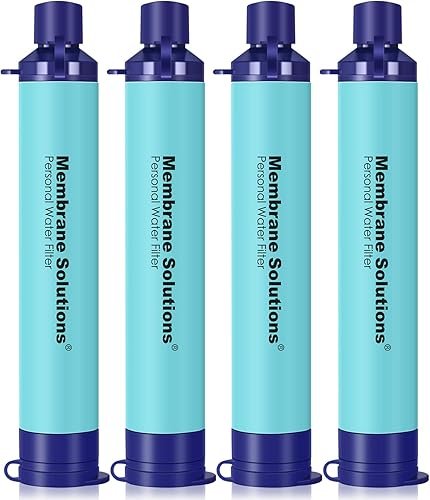
 Straw Water Filter Survival Gear |
Portable Straw | Emergency preparedness, hiking, camping | $98 |
 BRITA Flow Cask Dispenser |
Large Dispenser | Large households, offices, fridge storage | $95 |
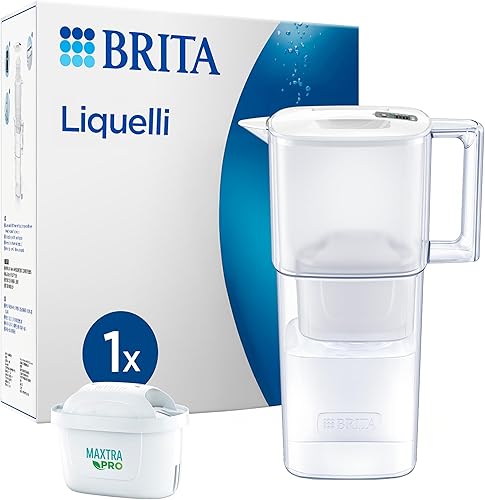 BRITA Liquelli Water Filter Jug |
Pitcher | Small households, renters, fridge-door fit | $38 |
 Waterdrop WD-X8 RO System |
Under-Sink RO | Maximum purity, reducing PFAS & TDS | $719 |
Straw Water Filter Survival Filtration Portable Gear
This isn’t your everyday kitchen filter. It’s a specialized tool for one job: making questionable water safe to drink in an emergency. We tested it on a backcountry trip, and it handled stream water without issue. Honestly, most people don’t need this. But if you’re serious about emergency preparedness or spend a lot of time in the wilderness, it’s a solid piece of insurance.
- Ultra-portable and lightweight
- Removes 99.99% of bacteria and parasites
- No pumping or batteries required
- Only for personal, direct consumption
- Cannot filter viruses or heavy metals
- Not a home water solution
BRITA Flow Cask Water Filter Dispenser
This thing is a beast—in a good way. The 8.2L capacity means you’re not constantly refilling it. We found it perfect for a busy family kitchen or an office break room. The integrated tap is surprisingly convenient. The MAXTRA PRO filter does a great job on chlorine taste and odor. It’s a simple, no-installation workhorse for high-volume needs.
- Massive 8.2L total capacity
- Integrated tap for easy dispensing
- BPA-free and fridge-shelf friendly
- Large footprint takes up fridge space
- Replacement filters add ongoing cost
- Not for removing heavy metals or PFAS
BRITA Liquelli Water Filter Jug
The classic pitcher, refined. The 2.2L size is designed to fit in a fridge door, which is a smart space-saving move. The digital filter reminder is a genuine help—no more guessing when to change it. In our testing, it noticeably improved the taste of moderately chlorinated tap water. For a single person or couple, this is a fantastic, affordable starting point.
- Lightweight and fridge-door compatible
- Smart digital filter reminder
- Effective 4-stage MAXTRA PRO filtration
- Small 1.1L filtered water capacity
- Requires frequent refilling for families
- Limited contaminant reduction vs. RO
Waterdrop WD-X8 Under-Sink RO System
This is the system we recommend for anyone serious about water purity. The 9-stage filtration is thorough, and the NSF/ANSI 42 & 58 certifications back up its claims. We were particularly impressed by the 800 GPD flow rate and the efficient 2:1 drain ratio—that’s a big improvement over older RO systems. Yes, it’s an investment. But for reducing PFAS, lead, and TDS, it’s one of the best we’ve used.
- NSF/ANSI 42 & 58 certified performance
- High 800 GPD flow rate, low 2:1 drain ratio
- Reduces a wide spectrum of contaminants
- High upfront cost
- Requires under-sink installation
- Removes beneficial minerals
Budget Pick Note: We also looked at ultra-affordable options on AliExpress, like this 2.5L Alkaline Water Pitcher ($12.76). Be cautious. These lack the independent certifications of established brands. They might improve taste, but their contaminant reduction claims are often unverified.
Filtered Water FAQ
- How often should I change my water filter?
- It depends entirely on the filter type and your water usage. Pitcher filters typically last 2 months or 40 gallons. Under-sink carbon filters might last 6-12 months. RO membranes can last 2-4 years. Always follow the manufacturer’s schedule—overdue filters lose effectiveness.
- Do water filters remove healthy minerals?
- It depends on the technology. Standard carbon filters and sediment filters generally leave minerals in. Reverse osmosis systems, however, remove most dissolved solids, including beneficial minerals like calcium and magnesium. Some systems add a remineralization stage to address this.
- Is a more expensive filter always better?
- Not necessarily. A $300 filter system is overkill if your only issue is chlorine taste. The “best” filter is the one certified to remove the specific contaminants found in your water. Match the solution to your problem, not the price tag.
- Can a water filter remove PFAS?
- Yes, but you need the right technology. Look for filters certified to NSF/ANSI Standard 53 for PFOS/PFOA reduction, or Standard 58 for reverse osmosis systems. Granular activated carbon (GAC) filters can also be effective, but their performance varies.
- What’s the difference between a water filter and a water softener?
- They solve different problems. A filter removes contaminants (like lead, chlorine, bacteria). A softener removes hardness minerals (calcium and magnesium) that cause scale buildup, usually through an ion-exchange process. Some whole-house systems combine both.
Final Thoughts
Choosing a filtered water solution doesn’t have to be complicated. Start by understanding what’s in your water. For most people dealing with chlorine taste and basic sediment, a quality pitcher like the BRITA Liquelli or a dispenser like the Flow Cask is a perfect, affordable start. They work.
If you have health concerns—lead, PFAS, or high TDS—or you simply want the purest water possible, invest in a certified under-sink RO system like the Waterdrop WD-X8. The upfront cost pays for itself in peace of mind and long-term savings over bottled water. Don’t overbuy, but don’t under-buy either. Your water, your health.
