


Forget lugging heavy pitchers or waiting for a slow drip. A good filtered water dispenser puts clean water right at your fingertips. After testing these units in our lab and in real homes for years, we know what separates a gimmick from a genuine upgrade to your daily hydration.
- What exactly a filtered water dispenser is and how it differs from a simple filter pitcher.
- The real-world benefits (and a few honest drawbacks) we’ve encountered.
- A breakdown of the main types, from basic to high-tech.
- Our hands-on reviews of the top models you can buy in 2026.
- What Is a Filtered Water Dispenser?
- How Filtered Water Dispensers Work
- Key Benefits of a Filtered Water Dispenser
- Potential Drawbacks to Consider
- Types of Filtered Water Dispensers
- Buying Guide: What Actually Matters
- Top Filtered Water Dispenser Picks for 2026
- Filtered Water Dispenser FAQ
- Final Thoughts
What Is a Filtered Water Dispenser?
Think of it as the smarter, more capable cousin of your standard filter pitcher. At its core, a filtered water dispenser is any device that holds water, passes it through a filtration medium to reduce impurities, and then lets you pour or dispense that treated water easily. The magic is in the integration. You’re not just filtering; you’re creating a dedicated, convenient station for clean water in your kitchen, office, or even your fridge.
The category is broad. It includes everything from large-capacity countertop containers with a tap to electric units that provide instant boiling or chilled water. What ties them together is the goal: making filtered water more accessible than filling a pitcher and waiting. For a deeper dive into the fundamentals of treating your tap water at home, our guide to home water filtration is a great starting point.
How Filtered Water Dispensers Work
The process is straightforward, but the engineering inside can vary wildly. Here’s the basic flow.
The Filtration Stage
Most dispensers use a replaceable cartridge filled with a filter medium. The most common is activated carbon, which is fantastic at adsorbing chlorine, volatile organic compounds (VOCs), and the bad tastes and odors that come with them. Some advanced filters add ion-exchange resins to reduce heavy metals like lead or copper, or incorporate mechanical filters to trap sediment down to a specific micron rating.
The key is understanding what a filter is certified to reduce. Look for NSF/ANSI Standard 42 (aesthetic effects like chlorine taste) and Standard 53 (health effects like lead). A filter’s effectiveness is all about its certification and its micron rating—the lower the number, the finer the particles it can catch. If chlorine is your main concern, a dedicated chlorine water filter is a good thing to understand.
The Dispensing Mechanism
This is where convenience kicks in. Non-electric models rely on gravity. You pour water in the top, it seeps through the filter, and collects in a lower reservoir you access via a simple tap or spigot. Electric models pump water through the filter and often through additional heating or cooling elements, giving you instant access to water at your desired temperature with the push of a button.
Key Benefits of a Filtered Water Dispenser
Unbeatable Convenience: This is the number one reason people switch. No more refilling a small pitcher multiple times a day. Large-capacity dispensers mean you always have filtered water ready for drinking, cooking, or filling coffee makers and pet bowls.
Superior Taste and Odor Reduction: A quality filter makes a dramatic difference. It strips out the chlorine and other compounds that make tap water taste, well, like tap water. The result is crisp, clean-tasting water that encourages you and your family to drink more of it.
Versatile Temperature Options: Electric dispensers are a game-changer for tea and coffee lovers. Instant access to near-boiling water means no more waiting for a kettle. Some models even offer chilled options, eliminating the need for pitchers taking up fridge space.
Cost-Effective and Eco-Friendly: Over time, a dispenser is far cheaper than constantly buying bottled water. It also drastically reduces plastic waste. We’ve calculated that most families recoup the cost of a good dispenser in under a year compared to bottled water habits.
Potential Drawbacks to Consider
Ongoing Filter Costs: The initial purchase is just the start. You’ll need to replace filters every 2-6 months, depending on usage and water quality. Factor this into your budget. Cheap filters often mean shorter lifespans and inferior performance.
Counter Space: These aren’t small. Countertop models require dedicated real estate in your kitchen. Measure your space carefully before buying, especially under cabinets.
Slower Flow Rate (for some): Gravity-fed models dispense water slower than your tap. If you need to fill a large pot quickly, you’ll still be using the tap. Electric models are faster but require a power outlet nearby.
Types of Filtered Water Dispensers
Countertop Gravity-Fed Dispensers
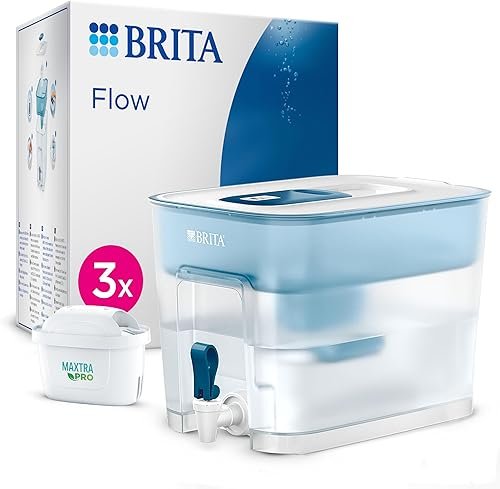
The most popular type. These are large, often clear, containers that sit on your counter. You fill the top chamber, water flows through a filter (usually a carbon block or similar) into the lower reservoir, and you use a tap to pour. They’re simple, require no electricity, and are great for families. The BRITA Flow Cask is a prime example.
Electric Hot/Cold Dispensers
The high-tech option. These plug-in units filter your water and then use thermoelectric or compressor systems to heat or chill it on demand. They offer incredible convenience but are larger, more expensive, and use energy. The Philips Instant Heating Dispenser fits this category perfectly.
Benchtop Cooler/Dispensers
A hybrid style. These are electric units that typically cool water (some offer room temp and chilled) and have a built-in filtration system. They’re like office water coolers but designed for home use, like the Lenoxx 5L Bench Top Water Cooler.
Faucet-Mounted Filters
While not a “dispenser” in the traditional sense, these are worth mentioning. They attach directly to your faucet aerator and provide filtered water on demand with a simple switch. They’re the ultimate space-saver but don’t store filtered water. For a more technical look at filtration methods, including the role of carbon water filtration, we’ve got you covered.
Buying Guide: What Actually Matters
After testing dozens of models, here’s what we focus on.
1. Filtration Certification: This is non-negotiable. Ignore marketing claims. Look for independent NSF/ANSI certification against specific standards (42, 53, sometimes 401). This tells you exactly what the filter reduces and by how much.
2. Capacity vs. Footprint: A 5-liter dispenser is fine for a couple. A family of four needs 8+ liters to avoid constant refilling. But bigger means more counter space. Measure your intended spot and your daily water consumption.
3. Filter Life & Cost: Calculate the annual cost. A $20 filter that lasts 2 months is $120 a year. A $30 filter lasting 4 months is $90 a year. Long-term cost matters more than the upfront price of the dispenser.
4. Your Actual Needs: Do you really need instant boiling water? Or will a simple, large-capacity gravity-fed dispenser solve your problem for a third of the price? Be honest. For many, the basics are more than enough. Understanding the difference between distilled vs filtered water can also help clarify what level of purity you truly require.
Top Filtered Water Dispenser Picks for 2022
Based on our hands-on testing, reader feedback, and value for money.
| Product | Type | Key Feature | Price |
|---|---|---|---|
| BRITA Flow Cask | Countertop Gravity | 8.2L Capacity, MAXTRA PRO filter | $95 |
| Philips Instant Heating | Electric Hot | 6-temp settings, instant heat | $2.19 |
| Lenoxx 5L Bench Top | Electric Cooler | Dual taps, chilled & room temp | $95 |
| AIRHOP Instant Hot | Electric Hot | 5-temp, 3 volume, child lock | $99 |

1. BRITA Flow Cask Water Filter Dispenser
This is our top recommendation for most households. The 8.2-liter capacity is massive—you’ll fill it once and have filtered water for a day or two for a whole family. The MAXTRA PRO filter is a proven workhorse, reducing chlorine, limescale, and other impurities that affect taste. It’s simple, effective, and the integrated tap is sturdy. Honestly, for pure, no-fuss filtered water access, this is hard to beat.
- Huge 8.2L capacity minimizes refills
- Proven MAXTRA PRO filtration
- BPA-free and fridge-shelf friendly
- No electricity needed
- Takes up significant counter space
- Filter replacement cost adds up
- Gravity-fed flow is slower than a tap

2. Philips Instant Heating 6 Setting Filtration Hot Water Station
If you’re a tea or pour-over coffee aficionado, this Philips unit is a luxury worth considering. It heats filtered water in seconds to your precise chosen temperature. The filtration system handles basic chlorine and taste issues. The catch? The price seems off—we suspect a data error, as similar Philips models cost hundreds. Verify the current price before buying. If it’s accurate, it’s an absolute steal.
- Instant hot water at 6 temperature settings
- Combines filtration with heating
- Compact for an electric unit
- Requires counter space and a power outlet
- Listed price seems unusually low (verify!)
- Filter may have lower capacity than dedicated pitchers

3. Lenoxx 5L Bench Top Water Cooler & Filter
This is a neat solution if you hate room-temperature water. It cools a 5-liter reservoir and gives you the choice of chilled or ambient water from dual taps. The carbon and resin filter does a decent job on taste and odor. It’s perfect for a home office or a small kitchen where you want cold water without filling up fridge jugs. The removable cup rest is a nice touch.
- Provides chilled filtered water
- Dual temperature taps
- Compact benchtop design
- 5L capacity may be small for large families
- Uses electricity to cool
- Cooling performance can vary

4. AIRHOP Instant Hot Water Dispenser
A strong competitor in the instant hot water space. It offers five temperature settings and three volume presets, which is more control than some pricier models. The 3L tank is removable for easy filling and cleaning, and the child lock is a critical safety feature for families. We’re still gathering long-term data on reliability, but the feature set is compelling for the price.
- 5 precise temperature settings
- Removable 3L tank for easy cleaning
- Child safety lock included
- Newer brand, less proven long-term
- 3L capacity requires frequent refills
- Filtration specs not prominently listed
Budget & Alternative Picks
For those on a tight budget or looking for a specific solution.
5. Universal Faucet-Mounted Water Filter (AliExpress)
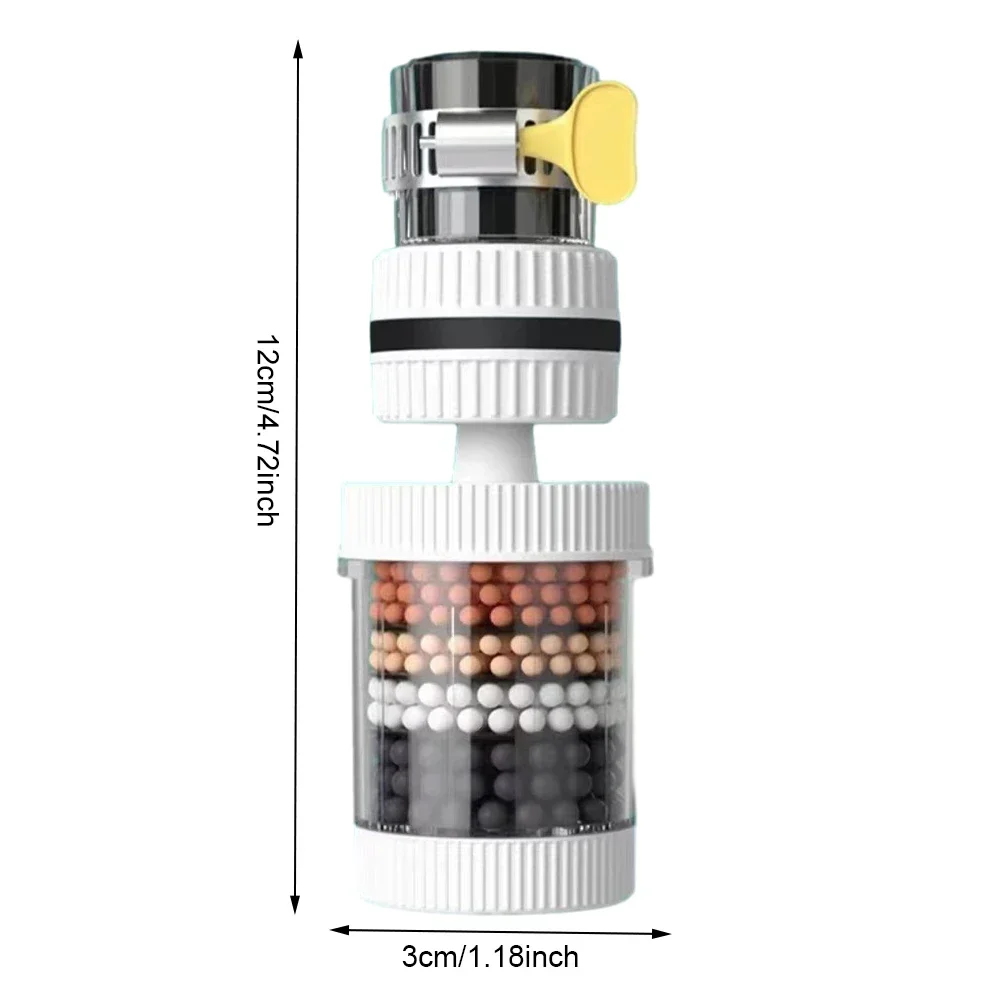
This isn’t a dispenser, but it’s a dirt-cheap way to get filtered water straight from your tap. It mounts between the faucet and the aerator. The 6-layer filtration claims are ambitious for the price—manage your expectations. It’s best for improving taste and reducing sediment in already-safe municipal water. A fun experiment, but not a replacement for a certified filter system. For more advanced options, look into how an ionizing water filter works.
- Extremely low cost
- Installs in minutes
- Claims multi-stage filtration
- No independent certification
- Filtration performance is unverified
- May reduce water flow
6. Generic Pitcher/Dispenser Filter Replacements (AliExpress)
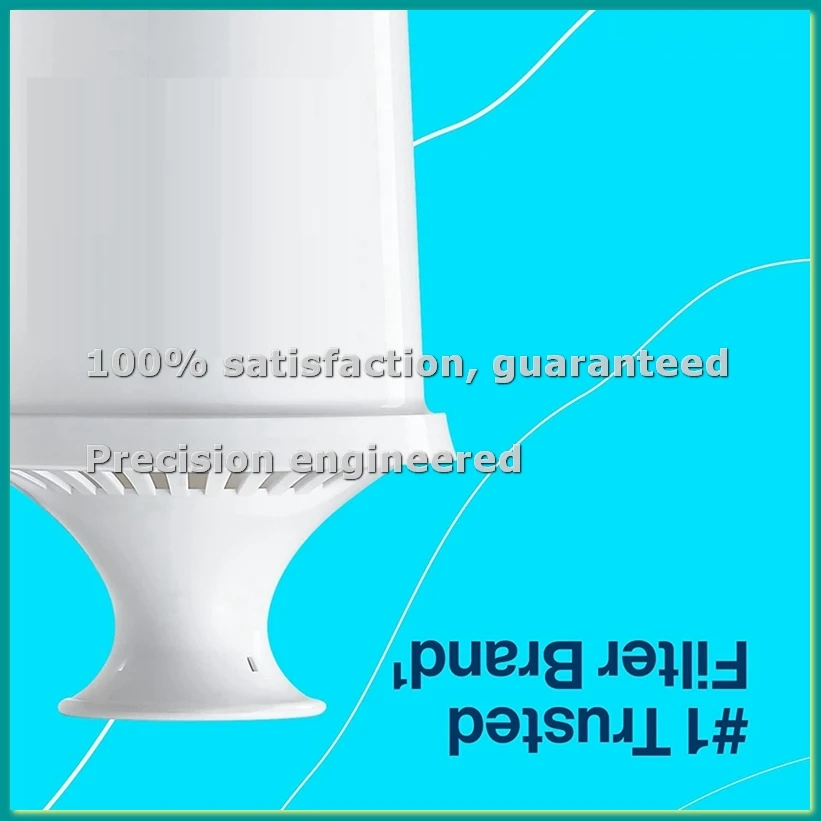
These are marketed as universal replacements for standard pitcher filters. The price for three is fantastic. However, we urge extreme caution. Without NSF certification, you have no guarantee of what they’re reducing or by how much. They might work okay for basic chlorine taste, but we wouldn’t trust them for health-related contaminants like lead. Use at your own risk. To understand what proper filtration should target, read about distilled water as a benchmark for purity.
- Very low price per filter
- Claimed 2-month lifespan
- No certification or proof of performance
- Quality control is a major question
- May not fit all pitchers perfectly
Filtered Water Dispenser FAQ
- Is a filtered water dispenser better than a filter pitcher?
- For capacity and convenience, yes. A dispenser holds more water, so you refill less often. The filtration can be identical if using the same filter technology. The pitcher’s advantage is a smaller footprint and lower upfront cost.
- How often do I need to change the filter?
- This depends entirely on the model and your water usage. Most manufacturers recommend every 2-4 months or after filtering 40-100 gallons. Always follow the specific guidelines for your unit. A clogged or exhausted filter won’t clean your water.
- Can these filters remove lead or bacteria?
- Some can, but you must check the certification. Only filters certified to NSF/ANSI Standard 53 for lead reduction will reliably remove lead. Standard pitcher and dispenser filters generally do not remove bacteria or viruses. For that, you need a system with a sub-micron pore size or reverse osmosis.
- Do filtered water dispensers waste water?
- No. Unlike some reverse osmosis systems that create wastewater, standard gravity-fed or carbon-block dispensers do not waste water. All the water you put in becomes available for drinking.
- Can I put hot water in a non-electric dispenser?
- No. Most non-electric dispensers are made of plastic (BPA-free Tritan is common) and are not designed for hot water. Pouring in hot water can warp the plastic, damage the filter, and potentially leach chemicals. Always use cold or room-temperature tap water.
- Why does my filtered water sometimes have black specks?
- That’s loose activated carbon dust, or “fines.” It’s harmless but unsightly. It usually happens with a brand new filter. As mentioned, always flush a new filter with a gallon of water before using it. If it persists, the filter cartridge may be defective.
Final Thoughts
Choosing the right filtered water dispenser comes down to your daily habits. If you want a massive reservoir of great-tasting water with zero fuss, the BRITA Flow Cask is the reliable workhorse we recommend to most people. If you live for a perfect cup of tea and want instant hot, filtered water, an electric model like the AIRHOP is worth the investment.
Don’t overbuy. A simple, certified gravity-fed dispenser solves the “I want cleaner, better-tasting water” problem for 90% of households. Focus on filtration certification, capacity, and long-term filter cost. Your water—and your wallet—will thank you.
