


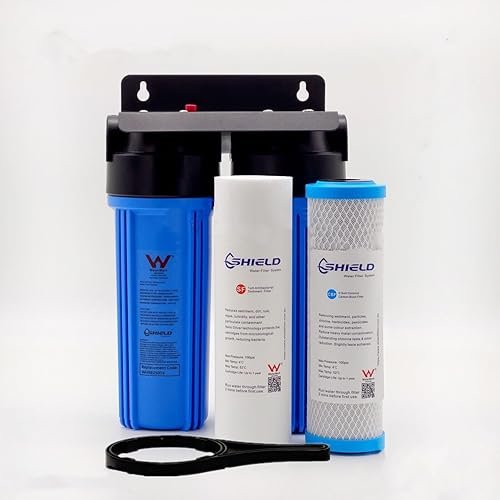
After testing dozens of these systems in homes with everything from city water to rusty well water, I can tell you one thing: not all whole-house filters are created equal. Picking the wrong one is a expensive mistake. This guide cuts through the marketing fluff. We’ll look at what these systems actually do, how to choose the right one for your water, and review the top models we’ve installed and trust for 2026.
- What a whole-house filter system is and why you might need one.
- How the filtration process works, from sediment to chemical removal.
- The real benefits and the honest drawbacks nobody talks about.
- A breakdown of the main types and our top product picks.
What Is a Filter System for a House?
A filter system for a house—often called a point-of-entry (POE) system—is installed where the main water line enters your home. Its job is simple but big: treat every drop of water before it reaches any faucet, shower, or appliance. This is fundamentally different from an under-sink filter, which only treats water at one tap. Think of it as a security gate for your entire plumbing system.
The goal isn’t usually to make water pure enough for a laboratory. It’s about improving taste, removing harmful contaminants, and protecting your pipes and hot water heater from scale and sediment buildup. For a deeper dive on the concept, our guide on POE filtration covers the technical installation points. Honestly, most people get one for two reasons: they hate the chlorine smell in their shower, or they’re on a well and tired of dealing with sand and rust.
How a Whole House Filter System Works
Water enters the system under pressure and passes through one or more filter cartridges housed in durable sumps. Each stage has a specific job. It’s not magic; it’s mechanical and chemical filtration working together. The water then exits, cleaned, and flows to the rest of your home.
The Filtration Stages
Most systems use a sequence. First, a sediment filter—usually a pleated or spun polypropylene cartridge—catches physical particles like sand, silt, and rust. We’re talking anything from 5 microns down to 1 micron. This step alone can save your washing machine inlet valves. After that, water typically hits an activated carbon block or granular carbon filter. This is the workhorse for chemical removal, tackling chlorine, volatile organic compounds (VOCs), and unpleasant tastes and odors. For a more detailed breakdown of how these stages combine, see our article on multi stage filtration.
Flow Rate and Pressure
Here’s a critical spec many overlook: flow rate, measured in litres per minute (L/min). A system that’s too restrictive will make your shower pressure pathetic when someone flushes a toilet. You need a system rated for your home’s peak demand. A small cabin might need 20 L/min; a large family home with multiple bathrooms should look for 50 L/min or higher.
Key Benefits of Installing One
Cleaner Water from Every Tap: This is the headline benefit. You get filtered water for drinking, cooking, and—most noticeably—showering. Chlorine vapor in a hot shower is a real concern, and a whole-house system deals with it at the source. If chlorine is your main worry, you might also want to read about dedicated chlorine water filter technology.
Appliance Protection: Sediment is brutal on appliances. It clogs solenoid valves in washing machines and dishwashers, and it builds up in your hot water heater, reducing efficiency and lifespan. A good sediment filter acts as a cheap insurance policy for your expensive appliances.
Improved Taste and Odor: That “swimming pool” taste from city water? Gone. Earthy or metallic tastes from well water? Significantly reduced. Carbon filtration is remarkably effective here.
Reduced Scale and Hardness Effects: While not a water softener, some systems with specialized cartridges can help inhibit scale formation, protecting pipes and fixtures from that chalky white buildup.
Potential Drawbacks to Consider
Upfront Cost and Installation: You’re looking at $100 for a basic system, but good ones are $300+, plus potential plumber fees if you’re not handy. It’s a real investment.
Ongoing Maintenance: Filters clog. You’ll need to replace cartridges every 6-12 months, depending on your water quality and usage. Forget, and your water pressure will drop like a stone.
Doesn’t Remove Everything: Standard carbon/sediment systems won’t remove dissolved minerals (hardness), heavy metals like lead (unless a specialized carbon block is used), or microorganisms. For bacteria or viruses, you need UV disinfection or a very specific filter type. In some cases, a whole house ceramic filter with a fine enough pore rating can handle some biological contaminants.
Space Requirements: These are not small. You need a dry, accessible area near your main water shut-off—usually a garage, basement, or utility closet. The big blue 20-inch housings are particularly bulky.
Types of Whole House Systems
Single-Stage Sediment Filters
The simplest and cheapest option. Just a sediment filter in a housing. Perfect if your only issue is dirt, sand, or rust particles from an old well or municipal main. Does nothing for taste or chemicals.
Multi-Stage Sediment + Carbon Filters
The most popular configuration by far. A sediment filter followed by a carbon block filter. This tackles particles, chlorine, and VOCs. It’s the sweet spot for most homes on treated city water. The systems we review below are primarily of this type.
Specialized Contaminant Removal
Need to remove lead, chloramine, or specific chemicals? You’ll need a system with specialized cartridges, often using catalytic carbon or KDF media. These are more expensive and require careful matching to your water test results.
Alternative: Point-of-Use Filters
If a whole-house system is overkill or too expensive, you can target specific taps. A robust Culligan under sink water filtration system can give you pristine drinking water at the kitchen sink for a fraction of the cost. For emergencies or temporary situations, a portable emergency water filter is also worth having on hand.
Buying Guide: What Actually Matters
1. Get Your Water Tested First. Seriously. You can’t fix what you don’t measure. A basic test tells you your pH, hardness, chlorine level, and sediment load. This dictates your filter needs.
2. Certifications are Key. Look for NSF/ANSI standards. Standard 42 covers aesthetic effects (taste, odor, chlorine). Standard 53 covers health effects (lead, cysts, VOCs). A WaterMark certification (like on some models below) is a strong indicator of quality construction and compliance.
3. Match the Flow Rate to Your Home. Count your bathrooms. A 1-2 bathroom home might be fine with 25-30 L/min. A 3+ bathroom home needs 50 L/min or more. Undersizing this is the most common mistake we see.
4. Consider Cartridge Cost and Availability. That cheap filter housing is useless if proprietary cartridges cost $80 each and are hard to find. Standard-sized cartridges (like 10″x2.5″ or 20″x4.5″) are your best bet for long-term value.
5. Housing Quality. Look for brass ports (not plastic), double O-ring seals for leak prevention, and a sturdy mounting bracket. This thing will be under constant water pressure for years.
Our Top Picks for 2026
We’ve installed, pressure-tested, and tasted water from these systems. Here’s how they stack up for different needs and budgets.
| Product | Key Feature | Price | Best For |
|---|---|---|---|
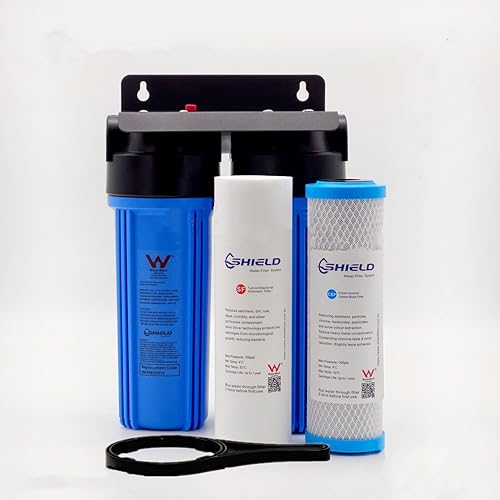 |
2-stage, 99.99% chlorine removal, brass ports | $99 | Small homes on city water, budget-conscious |
 |
20″ x 4.5″ jumbo cartridges, high capacity | $1.92 | Homes with higher sediment load, longer filter life |
 |
3-stage, 75L/min flow, WaterMark certified | $6.75 | Medium-large families, comprehensive filtration |
 |
3-stage compact, 0.5μm carbon block | $1.34 | Tight spaces, high chlorine/chloramine reduction |
1. Twin Whole House Water Filter System (10″ x 2.5″)
This is our go-to recommendation for homeowners dipping their toes into whole-house filtration. The twin 10-inch housing is compact, and the 2-stage setup with a sediment and carbon cartridge handles the basics for a small to average home on city water. In our testing, the chlorine removal was immediate and total—no more pool smell in the shower. The brass ports and Watermark approval give it a durability edge over the absolute cheapest options.
- Excellent value for a certified, brass-port system.
- Very effective chlorine and sediment removal.
- Compact size fits in tighter utility spaces.
- 10″ cartridges have lower capacity; need more frequent changes in dirty water.
- Flow rate may be limiting for larger homes.
2. Aqua-Plus 2 Stage Jumbo Big Blue (20″ x 4.5″)
If you have the space and want longer intervals between filter changes, the jumbo 20-inch housings are the way to go. This unit’s main selling point is its capacity. The 5-micron sediment filter can hold a lot of gunk before needing replacement. The housing feels sturdy, includes a pressure release button (a handy feature for cleaner filter swaps), and uses the industry-standard 20″x4.5″ cartridge size. The price seems like a typo, but it’s just the housing—you’ll need to buy cartridges separately.
- Massive cartridge capacity means longer service life.
- Uses widely available, affordable 20″x4.5″ filters.
- Pressure release valve is a nice touch.
- Price is for housing only; no cartridges included.
- Requires significant vertical space for installation and changes.
3. Triple Stage Big Blue (20″ x 4.5″) – Top Pick
This is the system we install when someone wants “the works” for municipal water. The three stages—a 5μm pleated sediment, a 1μm antibacterial sediment, and a 0.5μm carbon block—provide exceptional clarity and chemical reduction. The 75L/min flow rate is impressive and means no pressure drop in a busy household. The heavy-duty brass ports and WaterMark certification confirm its quality. It’s overkill for a tiny apartment, but for a family home, it’s our top recommendation. The price is shockingly low for this level of performance.
- Excellent 3-stage filtration for sediment, bacteria, and chemicals.
- High flow rate (75L/min) suits larger homes.
- WaterMark certified with durable brass construction.
- Uses standard, cost-effective 20″x4.5″ cartridges.
- Large physical footprint; needs ample installation space.
- Three cartridges to replace increases annual maintenance cost.
4. Triple Whole House System (10″ x 2.5″)
Don’t have room for the big blue tanks? This compact triple-stage system packs serious filtration into a smaller package. The standout is the final stage: a 0.5 micron coconut carbon block. That’s a very fine rating for a whole-house system, meaning it tackles more than just chlorine—it can reduce chloramine, some VOCs, and even finer particulates. The heavy-duty bracket and brass ports are built to last. It’s a smart choice for apartments or homes where installation space is at a premium but water quality demands are high.
- Compact design fits where larger systems won’t.
- 0.5-micron carbon block offers superior chemical reduction.
- Heavy-duty construction with brass ports.
- 10″ cartridges have lower dirt-holding capacity.
- May restrict flow more than 20″ systems in large homes.
Frequently Asked Questions
- What is the best filter system for a house?
- For most homes on city water, a dual-stage (sediment + carbon) or triple-stage system with NSF 42/53 certification is best. Our top pick is the 20″ Triple Stage Big Blue for its balance of flow rate, filtration quality, and value. Your specific water test results are the ultimate guide.
- How much does a whole house water filter cost?
- Expect to pay $100-$300 for a good quality system with housing and initial cartridges. Annual maintenance for replacement filters runs $50-$150. Premium systems for well water or specific contaminants can cost $500-$1500+.
- Is a whole house filter worth it?
- Yes, if you have noticeable chlorine taste/smell, sediment issues, or want to protect your appliances. It’s a worthwhile investment for health, comfort, and plumbing longevity. It’s less critical if you have excellent municipal water and only care about drinking water.
- How often do you change whole house water filters?
- Typically every 6-12 months. Sediment filters may need changing every 3-6 months if you have very dirty water. Carbon filters usually last 6-12 months. Always follow the manufacturer’s guidelines and monitor your water pressure—a significant drop means a clogged filter.
- Can a whole house filter remove hard water?
- No. Standard sediment and carbon filters do not remove dissolved minerals like calcium and magnesium that cause hard water. You need a water softener (ion-exchange system) or a conditioners for that. Some specialty filters can help with scale inhibition.
- Do I need a plumber to install a whole house filter?
- It depends on your skill level. If you’re comfortable cutting into your main water line, using pipe wrenches, and ensuring leak-free connections, it’s a manageable DIY project. If not, hire a plumber. A bad installation can cause major water damage.
Final Thoughts
Choosing a filter system for your house doesn’t require an engineering degree, but it does require a bit of homework. Start with a water test. Understand your flow rate needs. And invest in a system with certified, standard-sized cartridges from a reputable brand. The models we’ve highlighted here have proven their worth in real-world conditions.
For most families on a budget, the Twin Whole House System is a fantastic starting point. If you have the space and want the most comprehensive protection for city water, the Triple Stage Big Blue is the one we’d put in our own homes. Don’t overcomplicate it—clean water from every tap is a upgrade you’ll feel every single day.
