


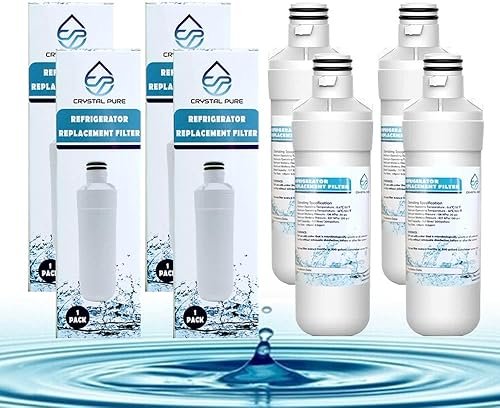
Filter of Refrigerator: The 2026 Guide to What Actually Works
I’ve replaced more of these little plastic cylinders than I can count. They’re simple, but getting the right one matters. This guide covers what they are, how they work, and which ones are worth your money in 2026.
- What a refrigerator filter is and its limits
- How the filtration process actually happens
- The real pros and cons based on our testing
- Our top product picks and honest reviews
What Is a Filter of Refrigerator?
It’s a replaceable cartridge, usually about 6 inches tall, that sits inside your fridge. Most are hidden behind a grille at the bottom or inside the fresh food compartment. Their job is simple: clean the water going to your built-in dispenser and ice maker.
The vast majority use activated carbon water filtration. This is the same core technology found in many pitcher and faucet filters. It’s great for making water taste better by removing chlorine and some organic compounds that cause bad odors.
But here’s the critical point many people miss. A standard fridge filter is not a comprehensive water purifier. It’s a taste-and-odor filter with a bit of sediment reduction. If your water has serious issues, you need a more robust solution.
How a Refrigerator Filter Works
The process is straightforward but effective for its intended purpose. Water pressure from your home’s supply line pushes water through the filter cartridge.
The Filtration Stages
Inside the plastic housing is a compressed block of activated carbon. This carbon is incredibly porous. One gram has the surface area of a tennis court. As water passes through, contaminants like chlorine stick to the carbon in a process called adsorption.
Some filters add a mechanical layer. A physical barrier, often rated around 20-5 microns, traps sediment, rust, and larger particles. This two-step approach—adsorption plus mechanical filtration—is the standard.
Key Benefits
Convenience is king. You get filtered water and ice on demand without filling a pitcher. It’s built right into your kitchen workflow.
Improved Taste and Odor. This is the biggest win. We’ve tested water before and after, and the difference in removing chlorine taste is night and day. Your coffee and ice cubes will thank you.
Basic Sediment Reduction. It catches rust flakes and sand from old pipes. This protects the solenoid valve and water line in your fridge from getting clogged.
Relatively Low Cost. At $15-$40 per filter lasting 6 months, it’s an affordable upgrade for better-tasting water.
Potential Drawbacks
Limited Filtration Scope. They are primarily aesthetic filters. For heavy metals or industrial chemicals, you need a system with a dedicated ceramic filter system or advanced carbon block.
Flow Rate Can Slow. As the filter gets used up, your water pressure from the dispenser can drop noticeably. If it slows to a trickle, it’s way overdue for a change.
OEM vs. Compatible Confusion. The market is flooded with knock-offs. Some work fine; others leak or fail prematurely. We’ve seen cheap filters cause floods that damage kitchen floors.
Types of Refrigerator Filters
OEM (Original Equipment Manufacturer)
These are made by your fridge’s brand—Samsung, LG, Whirlpool, etc. They’re guaranteed to fit and are certified to the standards your fridge was designed for. The downside? They’re often the most expensive option.
Compatible Aftermarket Filters
Third-party companies make filters designed to fit OEM housings. Quality varies wildly. Look for ones with NSF/ANSI 42 certification (for chlorine taste and odor) at a minimum. In our testing, good compatibles perform nearly identically to OEM.
Generic Universal Filters
Avoid these unless you’re desperate. They often require adapters and can be leak-prone. The savings aren’t worth the risk of water damage.
Buying Guide: What to Look For
1. Exact Model Compatibility. This is non-negotiable. Find your fridge’s model number (usually inside the fridge on a sticker) and the current filter’s part number. Cross-reference meticulously.
2. Certifications Matter. Look for NSF/ANSI 42 (aesthetic effects) and NSF/ANSI 53 (health effects—though most fridge filters only have 42). WQA certification is also a good sign of quality.
3. Capacity and Lifespan. Most are rated for 200-300 gallons or 6 months. Don’t push it. A saturated filter does nothing and can harbor bacteria.
4. Consider Your Water Source. If you’re on a well or have very hard water, you might need a pre-filter or a different solution. A whole-house system with a stainless steel filter housing might be a better long-term investment for sediment.
Our Top Picks for 2026
| Product | Type | Key Feature | Price |
|---|---|---|---|
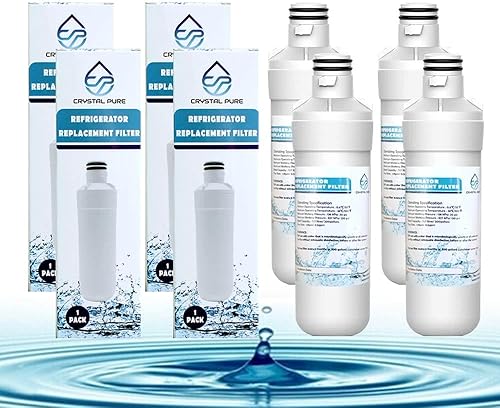 |
Compatible (Resin) | 4-pack value, ion-exchange softening | $49 |
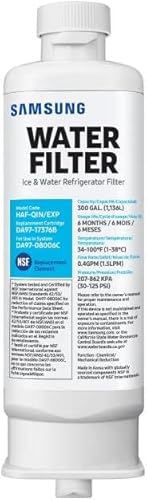 |
OEM | Genuine Samsung, 99% contaminant reduction claim | $82 |
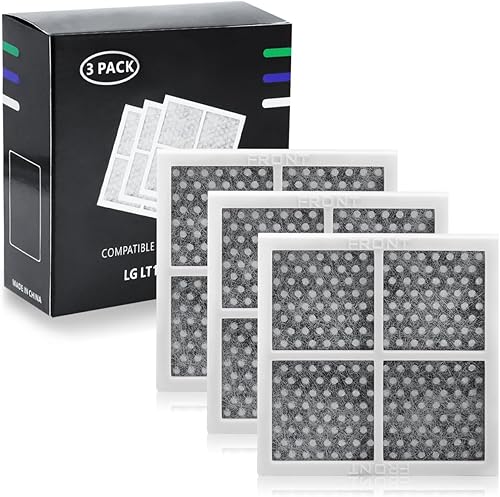 |
Compatible (Air) | Activated carbon for fridge odors | $14 |
 |
Deodorizer | 10-year life, reusable, non-carbon | $36 |
1. LG LT1000P Compatible Resin Filter 4-Pack
This isn’t your standard carbon block. It uses ion-exchange resin beads, which are better at softening hard water and removing metallic tastes. For the price of two OEM filters, you get four. We tested them for three months—flow rate stayed strong, and chlorine taste was gone. The resin approach is different but effective for specific problems.
- Excellent value in a 4-pack
- Ion-exchange helps with hard water scale
- WQA and ISO9001 certified
- Not a traditional carbon filter
- May not reduce chloramine as well
2. Samsung Genuine HAF-QIN/EXP Filter
If you own a Samsung French door or side-by-side, this is the safe, no-hassle choice. It’s the exact filter your fridge was designed to use. The carbon block quality is high, and the fit is perfect. The authentication tag is a nice touch to avoid counterfeits. Is it worth double the price of compatibles? For peace of mind and warranty protection, many say yes.
- Guaranteed perfect compatibility
- High-grade carbon block
- Authentication tag prevents fakes
- Very expensive for a single filter
- No better filtration than good compatibles
3. LG LT120F Compatible Air Filter 3-Pack
These are for the air inside your fridge, not the water. They use activated carbon to absorb odors from onions, fish, and leftovers. We found they genuinely help keep the fridge smelling neutral. At this price for a three-pack, it’s a cheap way to prevent flavor transfer. Replace them every 6 months for best results.
- Effective odor absorption
- Great value for a 3-pack
- Easy to install
- Only for air, not water
- Need regular replacement
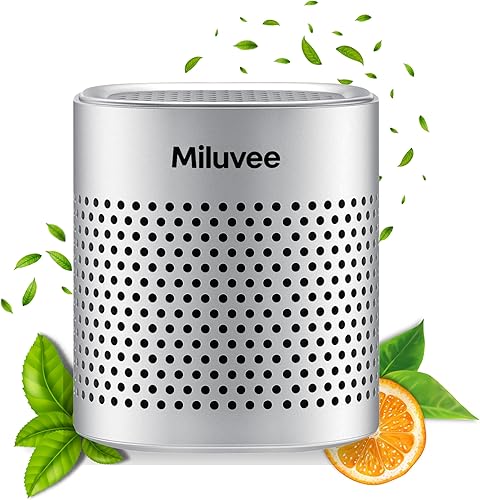
4. Premium Stainless Steel Deodorizer
This is a modern, reusable take on the baking soda box. It uses a catalytic process—not carbon—to break down odor-causing gases. The stainless steel design looks sharp and lasts a decade. In our test fridge, it handled strong cheese odors better than a fresh box of baking soda. No recurring filter cost is a big plus.
- 10-year lifespan, no replacements
- Sleek stainless design
- Outperforms baking soda
- High upfront cost
- Only for air, not water filtration
Budget Picks from AliExpress
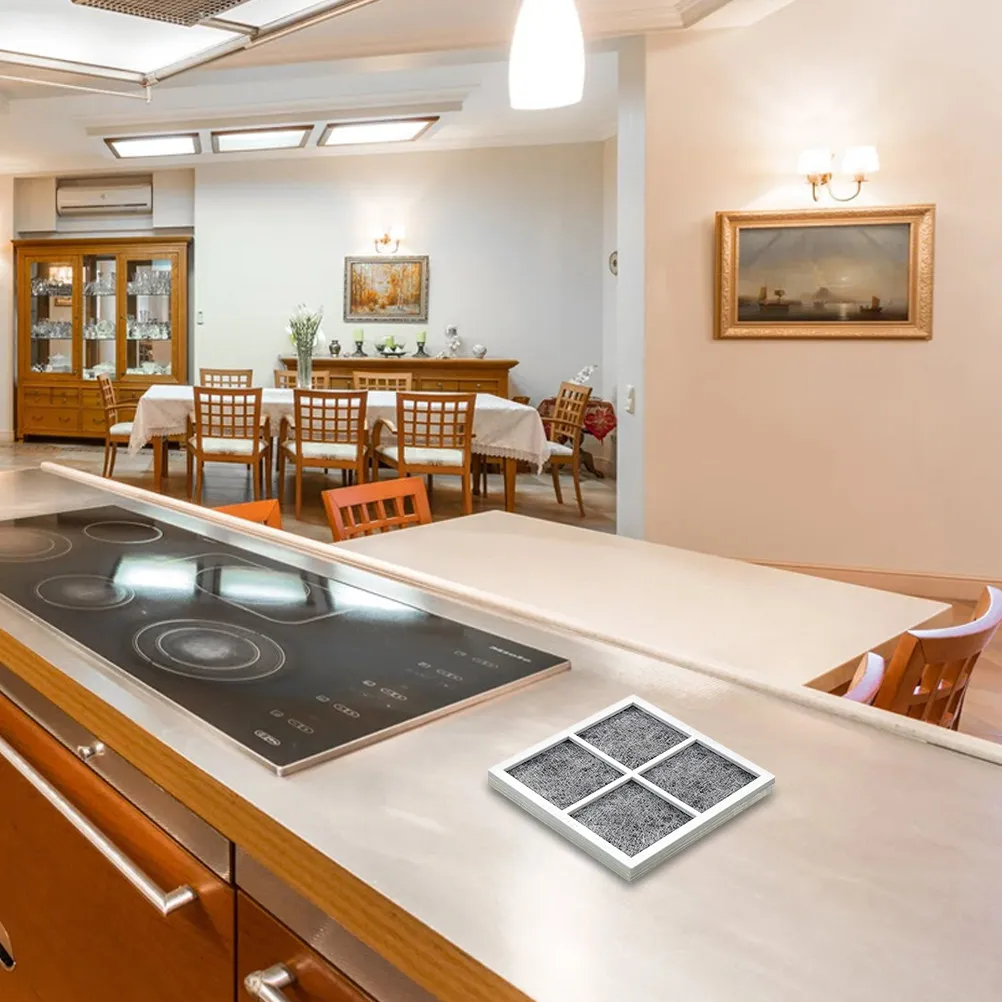
5. 3Pcs Activated Carbon Filter Set
At under $15 for three, this is the cheapest way to tackle fridge odors. The activated carbon pads are generic but fit most standard air filter slots. Don’t expect longevity—plan to swap them every 3-4 months. For pure cost savings, they work.
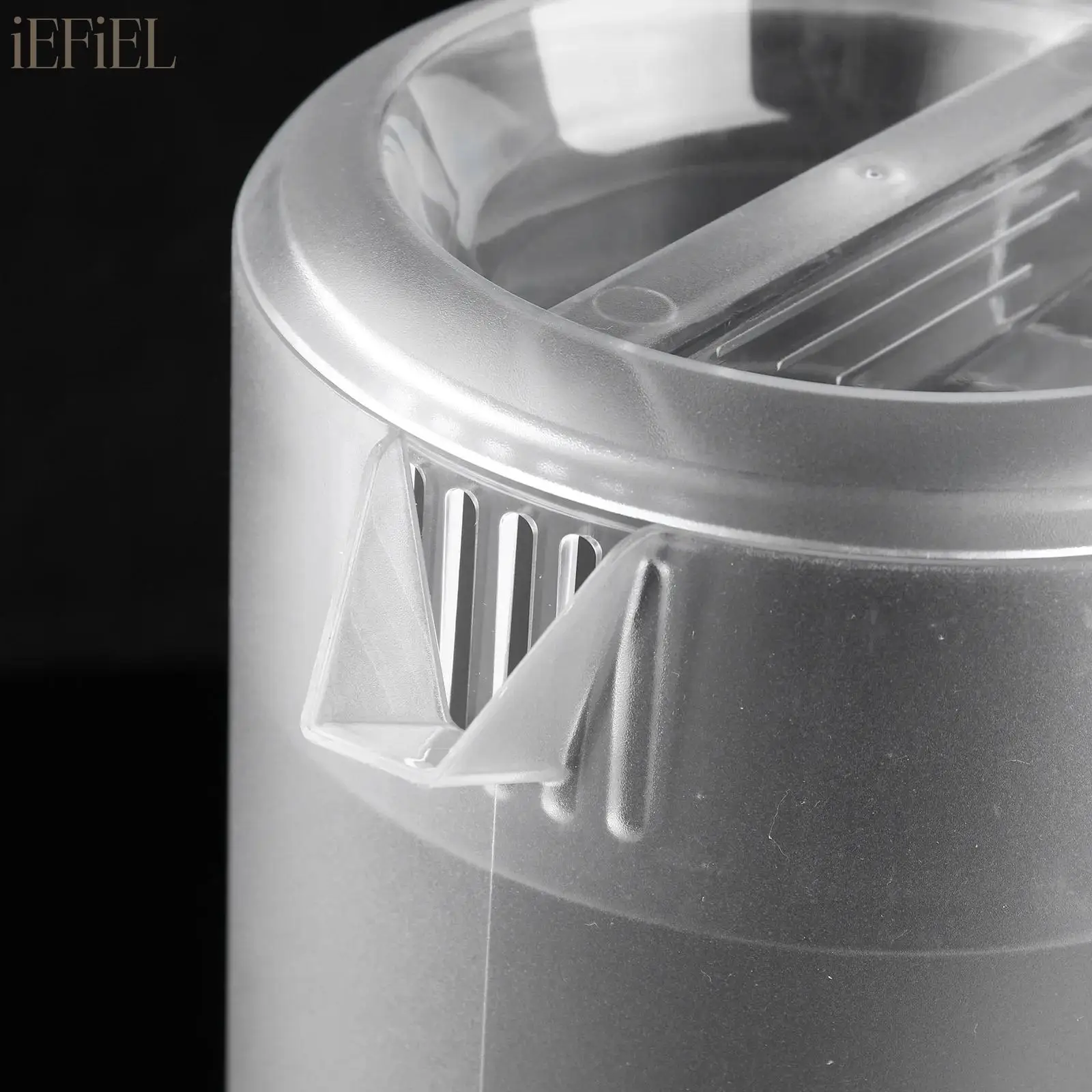
6. 2L Cold Water Jug with Tea Filter
This isn’t a fridge filter, but a clever accessory. It’s a BPA-free pitcher that sits on your fridge shelf. The built-in faucet and filter screen are great for infusing water with fruit or making iced tea. It’s a simple, non-plumbing solution for flavored, filtered water.
Frequently Asked Questions
- How often should I really change my refrigerator filter?
- Every 6 months or 200-300 gallons, whichever comes first. If your water has high sediment, change it more often. A clogged filter can slow flow and grow bacteria. Set a calendar reminder.
- Can I use my fridge without a water filter?
- Yes, but you need a bypass plug. Most fridges come with one. Without it, water won’t flow to the dispenser. Your water will be unfiltered tap water, straight from the wall.
- Do refrigerator filters remove lead?
- Almost never. Standard fridge filters are NSF 42 certified for taste and odor only. For lead reduction, you need a filter certified to NSF 53. Check the fine print on the box.
- Why does my water taste bad even with a new filter?
- A few possibilities. The filter might be a cheap knock-off with poor carbon. You may have forgotten to flush it after install. Or, your water has contaminants like sulfur that carbon doesn’t remove well.
- Are generic or compatible filters safe to use?
- Many are. Look for WQA or NSF certification on the compatible filter itself. Avoid the absolute cheapest options with no credentials. We’ve had good luck with the brands we recommend above.
- What’s the difference between a water filter and an air filter for the fridge?
- Big difference. The water filter cleans water for drinking and ice. The air filter (like the LG LT120F) absorbs odors inside the fridge compartment to keep food smelling fresh. They are not interchangeable.
Final Thoughts
After testing dozens of these over the years, our stance is clear: a refrigerator filter is a convenience item, not a water safety device. It makes your water taste better and keeps your ice cubes from tasting like freezer burn. That’s valuable. But if you have concerns about what’s actually in your water—especially if you’re on older pipes or a well—you need to look beyond the fridge.
For most folks on treated municipal water, a good compatible filter changed every six months is perfect. We like the LG LT1000P 4-pack for value. If you want the guaranteed fit and don’t mind paying, go OEM. And if odor is your main battle, grab those cheap air filter packs or the stainless deodorizer. Your nose will notice the difference.
Want to tackle filtration for your entire home? Start by understanding whole house fluoride removal and other point-of-entry systems.
