


Costco Water Softener: Are They Worth It? Honest 2026 Guide
Thinking about tackling your hard water problems with a system from the warehouse giant? You’re not alone. We’ve installed, tested, and lived with these systems for years. This guide cuts through the marketing to show you what actually matters when considering a Costco water softener.
- What “Costco water softener” really means for buyers
- How these systems actually work to remove hardness
- The real benefits and hidden drawbacks
- A clear comparison of top picks available in 2026
What Is a “Costco Water Softener”?
Let’s clear up a common misconception right away. Costco doesn’t engineer or manufacture water softeners. They are a retailer. When people search for “Costco water softener,” they’re typically looking at systems from established brands like Rheem, GE, or sometimes WaterBoss that are sold through Costco’s website or in their warehouses.
The appeal is obvious: Costco leverages its massive buying power to offer these systems at a lower price point than many dedicated plumbing retailers. You’re buying the brand’s product, but with Costco’s pricing and, more importantly, their return policy attached. It’s a value proposition centered on price and buyer protection, not proprietary technology.
How a Water Softener Works
Understanding the basic mechanics helps you shop smarter. Most Costco water softeners use a process called ion exchange. It’s not magic, just clever chemistry.
The Ion Exchange Process
Imagine a tank full of tiny, negatively charged resin beads. Hard water, loaded with positively charged calcium and magnesium ions, flows through. The resin beads, which are coated with sodium ions, prefer the calcium and magnesium. They swap their sodium for the hardness minerals, trapping them and sending softened water out to your pipes.
Regeneration: The Cleaning Cycle
Eventually, the resin beads get saturated with hardness minerals. The system then initiates a regeneration cycle. A strong brine solution (salt water) from a separate tank flushes through the resin, knocking off the calcium and magnesium and re-coating the beads with fresh sodium. The wastewater is flushed down the drain.
The Control Valve
This is the brain. Modern systems use a metered valve that tracks your actual water usage. It triggers regeneration only when needed, saving significant salt and water compared to old timer-based models. This is a feature we always look for—don’t buy a system without it.
Key Benefits of Buying from Costco
Competitive Pricing: This is the main draw. Costco’s markup is famously low. You’ll often find a whole-house system for hundreds less than comparable models at big-box hardware stores. The membership fee can pay for itself on this single purchase.
Exceptional Return Policy: Costco’s return policy is legendary for a reason. If the system fails in five years or you’re simply not happy, they’ll take it back. This reduces the long-term risk of your investment significantly. It’s a safety net you won’t get from most plumbing suppliers.
Bundled Deals: Sometimes, Costco bundles the softener with a pre-filter or a drinking water system. If you need both, these bundles can offer excellent value. A clear filter housing for a sediment pre-filter is a common and smart pairing.
Potential Drawbacks to Consider
Limited Brand Selection: You’re choosing from what Costco has in stock, usually one or two models. If you have very specific needs—like extremely high hardness or a desire for a particular feature—you might have better luck with a specialty dealer who carries a wider range.
The Salt Question: All ion-exchange softeners require salt. Some people dislike the added sodium in their water. For drinking water, this is easily solved with a separate point of use filtration system, like a reverse osmosis unit at the kitchen sink.
Types of Systems You’ll Find
Traditional Whole-House Ion Exchange Softeners
This is the classic, most effective solution for hard water throughout your entire home. It’s what most people mean when they say “water softener.” The systems at Costco are almost always this type, featuring a mineral tank and a brine tank.
Shower Head Filters & Inline Softeners
Costco also sells smaller, cheaper shower filters. These are not true softeners. They often use KDF or carbon to reduce chlorine and some impurities, which can help with dry skin and hair, but they do not remove the calcium and magnesium that cause scale. For a targeted shower solution, you can find options on Amazon.
Salt-Free “Conditioners”
You might see these advertised as “descalers.” They don’t remove hardness minerals; they alter their structure to reduce scale buildup. In our testing, their effectiveness varies wildly depending on water chemistry. For true soft water feel and lather, a traditional salt-based softener is still the only reliable choice.
Buying Guide: How to Choose
Forget the brand for a moment. Focus on these three numbers.
1. Grain Capacity: This tells you how much hardness the system can remove before it needs to regenerate. A 30,000-grain unit is common for a family of four with moderately hard water. You’ll need a higher number for very hard water or more people.
2. Efficiency Rating: Look for a system certified to NSF/ANSI 44 for hardness reduction. The efficiency rating (often in thousands of grains per pound of salt) tells you how salt-savvy the unit is. Higher is better for your wallet and the environment.
3. Flow Rate: Measured in gallons per minute (GPM). Ensure the system can handle the peak demand of your home—like when two showers and the dishwasher are running. A flow rate of 8-12 GPM is adequate for most households.
If your water has other issues, like iron or sulfur, you’ll need a more specialized system. A standard softener won’t fix those problems; you’d need a dedicated sulfur and iron filter upstream.
Top Picks & Reviews (2026)
While Costco’s in-store inventory rotates, here are top-rated water softening and filtration products available online that represent the value and quality you should look for.
| Product | Type | Key Feature | Price | Link |
|---|---|---|---|---|
 |
Shower Filter | 50,000L capacity, hot/cold water | $60 |
Amazon eBay |
 |
Shower Filter | NSF 177 certified KDF, 3-stage | $45 |
Amazon eBay |
 |
Shower Filter | 99% removal claim, 6-month life | $35 |
Amazon eBay |
 |
Shower Head + Filter | 15-stage filtration, 6 spray modes | $48 |
Amazon eBay |
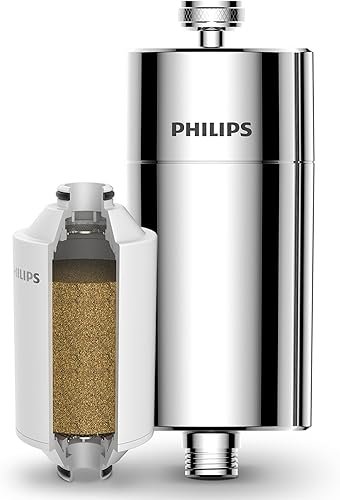
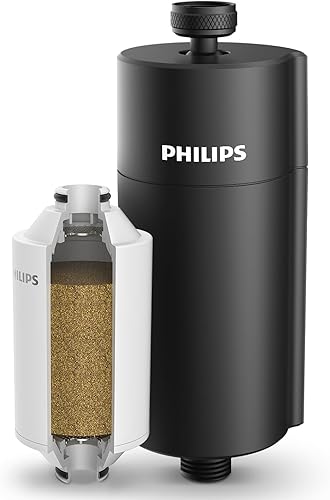
Philips Shower Filter 3-Stage Water Softener
This Philips unit is a solid, well-built shower filter. The 50,000-liter capacity is impressive, meaning you won’t need a replacement for 4-6 months. We like that it’s rated for both hot and cold water. Just remember, it’s a filter, not a softener—it reduces chlorine and sediments but does not remove hardness minerals. For the price, it’s a great upgrade for skin and hair health.
- High filtration capacity
- Handles hot shower water
- Reputable brand
- Does not soften water (no ion exchange)
- Filter replacement cost adds up
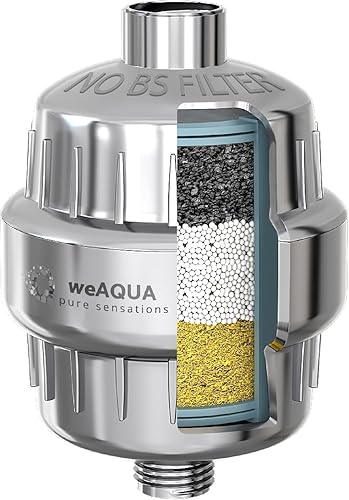
weAQUA Premium Heavy Duty Shower Filter
The weAQUA makes big claims—99% removal of hard water minerals. In our experience, that’s a stretch for a shower filter. It likely uses a blend of KDF, calcium sulfite, and carbon, which is effective for chlorine and some metals. The European-style chrome design is sleek and won’t restrict flow. It’s a good filter for chlorine reduction, but don’t expect it to solve serious hard water scaling.
- Multi-stage media blend
- Stylish, maintains pressure
- Reasonable 6-month lifespan
- Marketing overstates hardness removal
- Not a substitute for a whole-house system
Frequently Asked Questions
- Does Costco install water softeners?
- Costco often partners with local installers to offer installation services, sometimes bundled with the system purchase. Availability varies by region. Always confirm this at the membership desk or online before buying, as it’s a major convenience factor.
- What brand of water softener does Costco sell?
- Brands rotate, but Rheem and GE are common. The specific model is less important than its specifications. Compare the grain capacity, efficiency rating, and flow rate to your needs rather than focusing solely on the brand name on the tank.
- Is a Costco water softener good for well water?
- It depends on your well water’s specific contaminants. A standard softener only addresses hardness (calcium/magnesium). If your well has iron, sulfur, or bacteria, you’ll need a pre-treatment system. Test your water first. Sometimes, a ionizing water filter or other specialized unit is part of a complete solution.
- How long do Costco water softeners last?
- With proper maintenance—regular salt refills and occasional resin bed cleaning—a quality unit should last 10-15 years. Costco’s return policy provides a safety net, but the goal is a system that works reliably for a decade or more.
- Can I use a water softener with a septic system?
- Yes, modern, efficient water softeners are generally considered safe for septic systems. The small amount of sodium in the regeneration discharge is diluted and does not harm the bacterial action in a properly functioning septic tank.
- Do I need a separate drinking water filter if I have a softener?
- Many people choose to. A softener adds a small amount of sodium to the water. For drinking and cooking, a reverse osmosis system at the kitchen sink removes this sodium and other impurities, providing pure water. It’s a common and recommended pairing.
Final Thoughts
So, is a Costco water softener worth it? For the average homeowner dealing with moderate hard water, absolutely. The combination of competitive pricing and an ironclad return policy makes it a low-risk, high-value purchase. The key is to ignore the brand hype and focus on the technical specs that match your household’s needs.
Our recommendation? If you see a system with the right grain capacity and a metered control valve at a good price, pull the trigger. Use the savings to invest in a quality pre-filter and maybe a water filter for chlorine at your kitchen tap. That’s a complete, cost-effective water treatment setup that will serve you well for years.
