


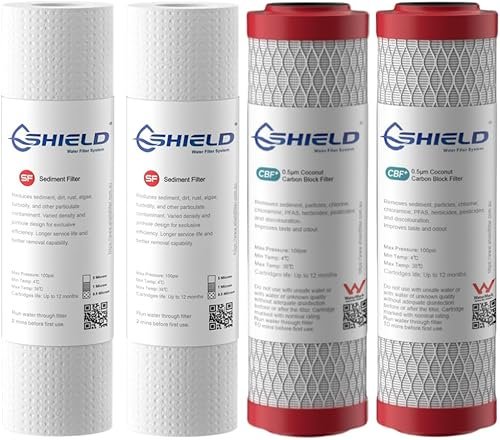
Let’s cut through the marketing fluff. You’re looking at a carbon removal filter because your water tastes like a swimming pool, smells off, or you’re worried about chemicals. We get it. We’ve installed, tested, and dissected dozens of these filters over the years. The truth is, they’re fantastic for specific problems—but they’re not magic. This article covers exactly what they do, how they do it, and how to pick the right one without overspending.
What Is a Carbon Removal Filter?
At its heart, a carbon removal filter is a device that uses activated carbon—usually in block or granular form—to clean your water. It’s not a physical sieve like a sediment filter. Instead, it works through adsorption, where contaminants stick to the vast surface area of the carbon. Think of it like a magnet for certain chemicals.
These filters are the workhorses of water treatment. They’re in your fridge dispenser, your pitcher, and under your sink. Their main job is to make water taste and smell better by removing chlorine and organic compounds. But a good one, especially a carbon filter cartridge with a fine micron rating, can also reduce lead, cysts, and other regulated contaminants.
Here’s the thing people get wrong: not all carbon filters are equal. A cheap pitcher filter and a high-end catalytic carbon block are worlds apart in performance. The difference comes down to the carbon type, quality, contact time, and certification.
How Carbon Removal Filters Work
The Magic of Adsorption
It’s adsorption, not absorption. Imagine the carbon’s surface is covered in millions of microscopic nooks and crannies. One gram of activated carbon can have a surface area exceeding 3,000 square meters—basically a football field. As water passes over this vast landscape, organic contaminants like chlorine, pesticides, and solvents get trapped in these pores through weak electrical forces.
Contact Time is Everything
This is a critical factor most buyers ignore. The water needs enough “dwell time” touching the carbon for adsorption to happen. This is why carbon block filters often outperform granular activated carbon (GAC) filters. The tight, solid structure forces water to take a longer, slower path through the media. Faster flow isn’t always better.
Catalytic Carbon: The Upgrade
Standard activated carbon is great for chlorine. But if your municipality uses chloramine (a mix of chlorine and ammonia), you need catalytic carbon. This specially processed carbon has a modified surface that can break the stronger chloramine bond. For a deeper technical dive, our guide on the activated carbon water filter breaks down the science.
Key Benefits of Carbon Filtration
Dramatically Improves Taste & Odor. This is the number one reason people buy them. They effectively remove chlorine, which is the most common cause of “tap water” taste. Your water will taste clean and neutral.
Reduces Harmful Organic Chemicals. A quality filter certified to NSF/ANSI 53 can reduce volatile organic compounds (VOCs), industrial solvents, and byproducts of disinfection like trihalomethanes. This is a real health benefit.
Removes Some Heavy Metals. A tight carbon block (1 micron or less) can effectively reduce lead and mercury, which is crucial for older homes with legacy plumbing.
Cost-Effective & Low Maintenance. Compared to reverse osmosis, carbon systems are cheaper to buy, don’t waste water, and only require a simple cartridge swap every 6-12 months. For whole-house solutions, you can learn more about whole house carbon filtration systems and their maintenance schedules.
Potential Drawbacks & Limitations
They can become a breeding ground for bacteria if not replaced on schedule. The trapped organics can become food for microbes. This is why following the manufacturer’s replacement interval is non-negotiable.
Their effectiveness drops as the carbon becomes saturated. A filter rated for 1,000 gallons will not perform the same at gallon 999 as it did at gallon 1. You have to change them based on time or usage, whichever comes first.
Types of Carbon Filter Systems
Pitcher & Faucet-Mount Filters
These are entry-level. Convenient, but they have small cartridges and high flow rates, meaning very low contact time. They’re fine for chlorine taste in municipally treated water but won’t handle serious contaminants.
Under-Sink Carbon Block Filters
This is where performance starts. A dedicated carbon water filter under your sink, often in a 10-inch standard housing, provides much better contact time. Look for 0.5-micron blocks for the best protection.
Whole-House Carbon Filters
These are large tanks installed where water enters your home. They protect every tap and appliance from chlorine and sediment. Choosing the right whole house carbon filter depends on your water usage and specific contaminants.
Countertop & Refrigerator Filters
Similar to pitchers but often with slightly better cartridges. They’re a step up but still limited by size and flow rate. Always check the actual replacement cartridge’s certifications.
Buying Guide: What Actually Matters
Certifications are King. Ignore all other marketing. Look for NSF/ANSI 42 (aesthetic effects: chlorine, taste, odor) and NSF/ANSI 53 (health effects: lead, cysts, VOCs). If it’s not certified, you’re guessing.
Carbon Type & Form. Catalytic carbon beats standard activated carbon for chloramine. Carbon block generally beats granular activated carbon (GAC) for contaminant removal due to better contact time.
Micron Rating. For drinking water, aim for 0.5 to 1 micron. This fine rating ensures removal of tiny particles and some biological contaminants like Giardia and Cryptosporidium cysts.
Capacity & Flow Rate. Match the filter’s rated capacity (in gallons or months) to your household’s usage. A low flow rate in an under-sink system can be frustrating, but a too-high flow rate in a whole-house system can compromise contact time.
Top Picks & Reviews (2026)
| Product | Best For | Key Feature | Price |
|---|---|---|---|
| 0.5 Micron Chloramine Removal Block | Under-Sink Drinking Water | Catalytic Carbon + 0.5μm | $85 |
| Replacement Charcoal Filters (2 Sets) | Compost Bin Odor Control | Activated Charcoal Inserts | $18 |
| VION HEPA Activated Carbon Air Filters | Vehicle Cabin Air | Multi-layer Adsorption | $35 |
| Spurtar Oil Filter Wrench | Automotive Maintenance | High Carbon Steel Tool | $15 |

0.5 Micron FPAS Chloramine Removal Carbon Block — This is the one we’d install in our own homes for serious under-sink filtration. The 0.5-micron rating paired with catalytic carbon tackles the tough stuff: chloramine, PFAS, chlorine, and VOCs. It’s a two-stage pack, so you get a sediment pre-filter, which extends the life of the main carbon block. At $85, it’s not the cheapest, but you’re paying for certified performance.
- Catalytic carbon specifically for chloramine
- 0.5-micron rating for cyst & lead reduction
- Includes sediment pre-filter
- Higher upfront cost than basic GAC filters
- Requires standard 10″ filter housing

Replacement Charcoal Filters for Compost Bins — Okay, this isn’t for your drinking water, but it’s a perfect example of activated carbon at work. These pads use charcoal to adsorb odors from your kitchen compost caddy. They’re sized for specific models (like Oggi and Appetito) and do a solid job of keeping smells contained. For $18 for two sets, it’s a cheap way to keep your kitchen fresh.
- Effective odor adsorption
- Double-layer design
- Good value for two sets
- Not for water filtration
- Must be replaced every 2-3 months

VION Model 3/Y HEPA Activated Carbon Air Filters — These are for your car’s cabin air system. They combine a HEPA filter with an activated carbon layer to remove dust, pollen, and exhaust odors from the air you breathe while driving. The adsorption layer helps neutralize smells. If you’re sensitive to traffic fumes or live in a dusty area, this is a worthwhile upgrade over the basic paper filter.
- HEPA + Carbon combo for air quality
- Includes removal tools
- Clear installation instructions
- Vehicle-specific (Tesla Model 3/Y)
- Carbon layer is for odors, not heavy gases

Spurtar 3-Jaw Oil Filter Wrench — We’re including this because it’s a “carbon” product—made of high-carbon steel for strength. It’s not a filter, but a tool for removing stubborn spin-on oil filters. The three-jaw design with non-slip sleeves provides a firm grip. If you do your own oil changes, this $15 tool is a lifesaver for filters that are stuck on tight.
- Wide adjustable range (64mm-104mm)
- Anti-slip sleeve design
- Durable high-carbon steel
- Not a water filter product
- Only for spin-on type filters
Carbon Filter FAQs
- How often should I replace my carbon filter?
- Every 6 to 12 months for under-sink filters, or as specified by the manufacturer based on gallons. A saturated filter stops working and can release trapped contaminants. Don’t push it.
- Can a carbon filter remove bacteria or viruses?
- Not reliably. Only filters certified to NSF/ANSI 53 for cyst reduction (like 0.5-micron blocks) will remove parasites like Giardia. For bacteria and viruses, you need UV light or reverse osmosis.
- What’s the difference between activated carbon and catalytic carbon?
- Catalytic carbon is specially processed to have a higher affinity for chloramine and certain hydrogen sulfide compounds. Standard activated carbon is excellent for chlorine but struggles with the stronger chloramine bond.
- Do carbon filters remove PFAS (“forever chemicals”)?
- Yes, high-quality granular activated carbon (GAC) and carbon block filters are one of the most effective methods for reducing PFAS. Look for systems specifically tested and certified for PFAS reduction.
- Is a whole-house carbon filter worth it?
- It depends. If you’re on city water and only care about drinking water taste, an under-sink unit is more cost-effective. A whole-house system is great for removing chlorine from all water (better for skin, hair, and appliances) or for treating well water issues.
- Can I clean and reuse a carbon filter cartridge?
- No. Backwashing a granular carbon tank can extend its life, but standard cartridges are not cleanable. The adsorption process is chemical; once the pores are full, the filter is spent. Trying to rinse it is pointless.
Final Thoughts
A carbon removal filter is one of the best tools you have for improving your water’s taste, odor, and chemical safety. It’s not a fix-all, but for the problems it’s designed to solve, it’s incredibly effective. The single biggest mistake we see is buying the cheapest filter without checking certifications. You get what you pay for.
For most people on municipal water, we recommend a dedicated under-sink system with a 0.5-micron catalytic carbon block certified to NSF/ANSI 42 & 53. It’s the best balance of performance and value. Pair it with a sediment pre-filter, change it on schedule, and you’ll have great-tasting, safer water for years. If you’re exploring other treatment methods, our overview of alkaline water treatment is a good next read.
