


Well Water Problems: The Complete Troubleshooting & Fix Guide (2026)
That rusty stain in your toilet bowl. The rotten egg smell from the hot water tap. The gritty feeling after a shower. If you rely on a private well, these are familiar frustrations. After testing filtration systems for over a decade and talking to countless homeowners, I can tell you this: your water isn’t “bad,” it just needs the right treatment. Let’s break down what’s actually in your water and how to fix it for good.
- The most common contaminants found in well water
- How to diagnose your specific water quality issues
- The right filtration systems for each problem
- Essential maintenance to keep your system running
What Are Well Water Problems?
Well water problems are any characteristics of your water that make it unpleasant to use, unsafe to drink, or damaging to your plumbing and appliances. Unlike municipal water, which is treated and monitored at a plant, your well water comes straight from the ground. That means it carries whatever it picks up on its journey through soil and rock.
The issues fall into three main buckets: aesthetic, scaling, and health-related. Aesthetic problems affect taste, odor, and color—think sulfur smells or metallic tastes. Scaling problems come from hardness minerals like calcium and magnesium, which clog pipes and water heaters. Health-related problems involve bacteria, viruses, or chemical contaminants like nitrates and arsenic.
Here’s the critical part: you can’t solve what you don’t measure. A comprehensive water test from a certified lab is step one. Don’t rely on guesswork or those cheap test strips from the hardware store. They’re not accurate enough for making treatment decisions.
How Well Water Contamination Happens
Contaminants enter your well water through natural and human-made pathways. Understanding the source helps you target the fix.
Natural Geological Sources
As water moves through rock formations, it dissolves minerals. Iron and manganese cause orange/brown or black stains. Hardness minerals create scale. In some regions, naturally occurring arsenic or radon can be present. The geology under your property dictates much of your water’s baseline chemistry.
Surface Contamination
This is the scary one. Bacteria (like E. coli), nitrates from fertilizers, and pesticides can seep into groundwater from the surface. A poorly sealed wellhead, a nearby septic system, or agricultural runoff are common culprits. If your test shows coliform bacteria, it’s a red flag for this type of intrusion.
Well Infrastructure Issues
Your well itself can be the problem. A failing casing, a cracked well cap, or sediment buildup at the bottom can introduce contaminants or reduce flow. Sometimes, the fix isn’t a filter—it’s a well inspection and repair. A good plumber can scope the well and check its integrity.
Key Benefits of Proper Treatment
Safe, Reliable Drinking Water: The primary benefit is peace of mind. A properly matched treatment system removes health hazards, giving you water that’s as safe—or safer—than bottled water. You control the quality.
Protect Your Investment: Hard water and iron will destroy a water heater, dishwasher, and washing machine years before their time. Treating your water is cheaper than replacing appliances. We’ve seen heating elements caked with scale fail in under five years.
Eliminate Nuisances: No more orange toilets, stinky showers, or spotted dishes. Your soap lathers better, your skin feels softer, and your laundry stays brighter. It’s a quality-of-life upgrade you notice every day.
Save Money Long-Term: The upfront cost stings, but it beats buying bottled water forever. A whole-house system also reduces soap and detergent use. The math works out in a few years for most families.
Potential Drawbacks & Costs
Upfront Cost: A comprehensive whole-house system can run from $1,500 to $5,000+ installed. This depends on your water test results and flow rate needs. Don’t fall for a one-size-fits-all solution; it’s often a waste of money.
Complexity: Some systems, like chemical injection or backwashing filters, are complex to install and adjust. Unless you’re very handy, professional installation is recommended. A bad install can cause leaks, low pressure, or ineffective treatment.
Water Waste: Reverse osmosis and some backwashing filters send water down the drain during cleaning cycles. An RO system might waste 3-4 gallons for every gallon of pure water produced. This is a consideration in areas with water scarcity.
Types of Treatment Systems
There’s no magic bullet. The right system depends entirely on your water test. Here are the main categories.
Sediment Filtration
The first line of defense. These remove dirt, sand, and rust particles. Start with a large 10 inch filter housing with a 5-micron cartridge for whole-house protection. For finer sediment, a 1-micron or spin-down filter might be needed. This protects all downstream equipment.
Oxidizing Filters (For Iron & Sulfur)
These are workhorses for iron and hydrogen sulfide (the rotten egg smell). The filter media (like Birm, KDF, or manganese dioxide) oxidizes dissolved iron and sulfur, turning them into solids that get trapped in the tank. They require periodic backwashing to clean the bed. Air injection systems are a popular, chemical-free version of this.
Water Softeners (For Hardness)
The classic ion-exchange softener swaps hardness minerals (calcium/magnesium) for sodium ions. It’s the most effective way to stop scale buildup. You’ll need to add salt to the brine tank periodically. If you’re on a low-sodium diet, consider a point of use system with reverse osmosis at the kitchen tap to remove the added sodium.
Disinfection Systems (For Bacteria)
UV (ultraviolet) light is the gold standard for killing bacteria, viruses, and cysts without chemicals. It’s a final barrier installed after sediment and iron filters. The water must be crystal clear for UV to penetrate effectively. Chlorine injection is another option, but it requires careful handling and may need a carbon filter after to remove residual taste.
Reverse Osmosis (For Dissolved Solids)
RO is for polishing drinking water. It removes dissolved minerals, salts, heavy metals, and even some organic chemicals. It’s typically installed at a single tap, often feeding a dedicated filtered water dispenser at the kitchen sink. It’s not practical for whole-house use due to water waste and slow production rates.
Acid Neutralizers (For Corrosive Water)
If your water has a low pH (acidic), it will corrode copper pipes, leading to pinhole leaks and blue-green stains. A calcite or corosex filter slowly dissolves, adding minerals to raise the pH and make the water less corrosive. It also adds some hardness, which you may then need to soften.
Buying Guide: What Actually Matters
Forget marketing hype. Focus on these criteria.
1. Start with a Lab Test: I can’t stress this enough. Your test results dictate everything. A system designed for iron won’t fix bacteria. Don’t buy anything until you know your pH, hardness, iron, manganese, TDS, and coliform bacteria levels.
2. Flow Rate (GPM): Your system must handle your home’s peak demand—how many showers, faucets, and appliances run at once. An under counter filtration unit is fine for a single tap, but a whole-house system needs the right size tank and valve. Undersizing leads to terrible water pressure.
3. Certifications: Look for NSF/ANSI certifications. Standard 42 is for aesthetic effects (taste, odor). Standard 53 is for health effects (lead, cysts). Standard 58 is for reverse osmosis. Standard 55 is for UV systems. This is your proof the product does what it claims.
4. Maintenance Reality: How often do filters need changing? Does the softener need salt? Can you buy replacement parts easily? Complex systems with proprietary filters lock you into expensive consumables. We prefer standard-sized filters you can buy anywhere.
5. Installation: Be honest about your skills. Installing a whole house lead filter or softener involves cutting into your main water line. A mistake means a flooded house. For many, paying a pro is worth it. Get at least three quotes.
Top Picks & Resources
While we typically review specific filters and softeners, becoming an informed homeowner is your best first step. These guides are packed with practical knowledge from professionals.
| Resource | Key Focus | Price | Links |
|---|---|---|---|
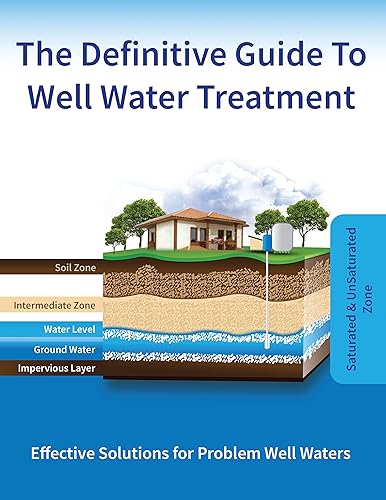 |
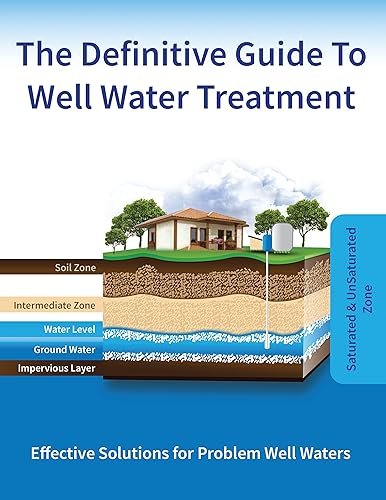
The Definitive Guide To Well Water Treatment A comprehensive overview of treatment methods for common problems like iron, sulfur, and hardness. |
$11 |
Buy on Amazon Buy on eBay |
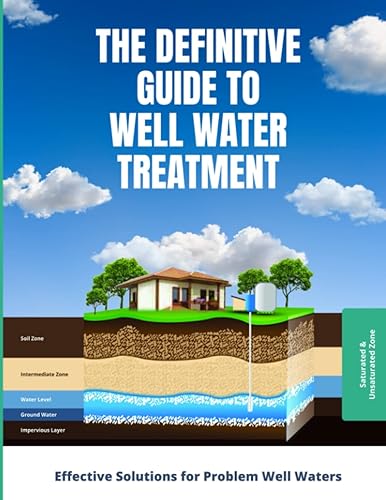 |
Water Well Rehabilitation: A Practical Guide Goes beyond treatment to cover well maintenance, rehabilitation, and long-term solutions for problem wells. |
$1.45 |
Buy on Amazon Buy on eBay |
 |
Conquer the Monitoring Well Installer Exam A deep dive into groundwater science, system setup, and inspection—ideal for those wanting professional-level understanding. |
$38 |
Buy on Amazon Buy on eBay |

Water Well Rehabilitation: A Practical Guide
At $1.45, this is a steal. It’s not a glossy picture book; it’s a practical manual. If your well is old, producing less water, or has chronic quality issues, this book helps you understand the root causes—whether it’s biofouling, scale, or screen corrosion. It’s the kind of reference you’ll pull out every few years.
- Incredibly detailed on well mechanics
- Actionable troubleshooting steps
- Dirt cheap for the knowledge
- Dense reading, not a quick guide
- Focused on well rehab, not filter selection
AliExpress Budget Pick: Fascia Massage Ball
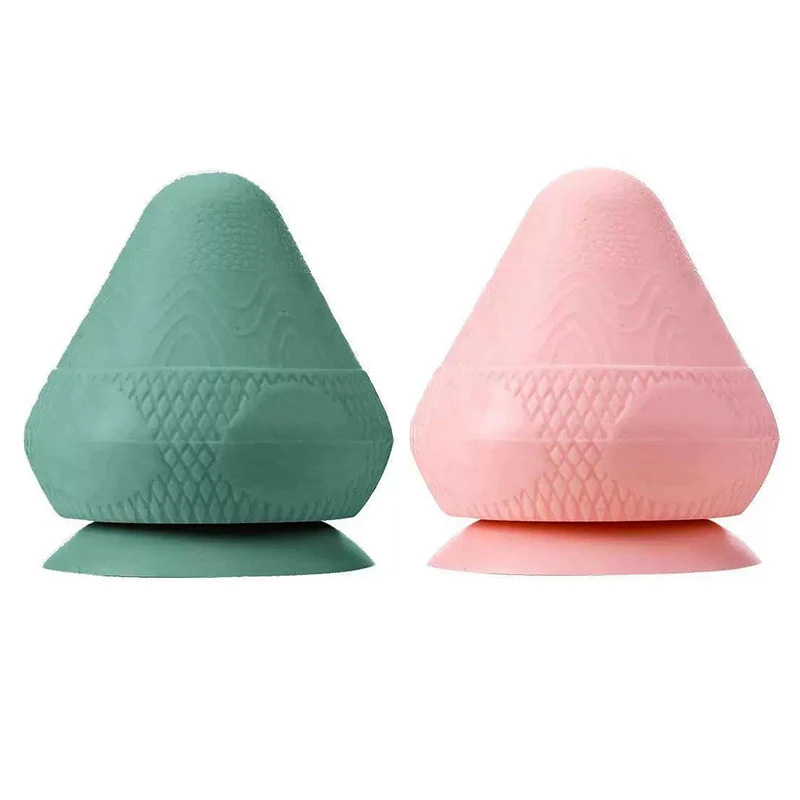
Well ownership is physical work. Digging, hauling salt bags, wrestling with filter housings—this little silicone ball is great for working out knots in your back and shoulders after a day of maintenance. It’s a simple, cheap tool for self-care.
- Very affordable
- Good for targeted muscle relief
- 100% positive seller rating
- Not a water treatment product
- Quality can vary
Frequently Asked Questions
- What is the most common problem with well water?
- Hardness is the most widespread issue, affecting over 80% of wells. It causes scale buildup in pipes and appliances. Iron and sulfur bacteria are also extremely common, leading to staining and odor complaints. A basic water test will reveal if you have these.
- How do I get rid of the rotten egg smell in my well water?
- That smell is hydrogen sulfide gas. It can be treated with an oxidizing filter (like an air injection system) or a carbon filter. Sometimes the smell is only in the hot water heater, which can be shocked with hydrogen peroxide. A water test confirms the source.
- Is well water safe to drink if it has iron in it?
- Iron itself isn’t a health hazard at typical levels, but it can promote bacterial growth and make water unpalatable. The bigger concern is what else might be present. Always test for bacteria and nitrates alongside iron to ensure safety. Don’t assume iron is the only issue.
- How often should I change my whole house water filter?
- It depends on your water quality and usage. A sediment filter might last 3-6 months. A carbon filter, 6-12 months. Check the manufacturer’s guidelines, but also watch your water pressure—a drop often means a clogged filter. For specific guidance, see our article on how often to change brita filter principles, which apply to most cartridge filters.
- Can I install a well water treatment system myself?
- Simple cartridge filters, yes. Whole-house systems like softeners or backwashing filters? It’s risky. You need to cut into the main water line, ensure proper bypass valves, and sometimes wire the control head. A leak can cause massive damage. We recommend professional installation for most homeowners.
- What’s the difference between a water softener and a water conditioner?
- A true softener uses ion-exchange (salt) to remove hardness minerals. A “conditioner” or “descaler” (like TAC or electronic devices) changes the minerals’ structure to reduce scaling but doesn’t remove them. Conditioners have mixed reviews and don’t provide the same soap-lathering benefits as soft water.
- Why does my well water test positive for bacteria after heavy rain?
- This is a classic sign of surface water intrusion. Rainwater carries bacteria from the soil into your well through a crack in the casing, a faulty well cap, or a poorly sealed annular space. You need a well inspection to find and fix the entry point. Shock chlorination is a temporary fix, but the problem will return.
Final Thoughts
Dealing with well water problems can feel overwhelming. The smells, the stains, the uncertainty—it’s a lot. But the solution is straightforward: test, diagnose, treat, maintain. Don’t skip the test. Don’t buy a system because your neighbor has one. Your water is unique to your property.
Invest in a quality treatment system matched to your specific contaminants. It will protect your family, your plumbing, and your sanity. The upfront cost pays for itself in appliance longevity and peace of mind. You’ve got this. Start with that water test, and build your solution from there.
