


You’re tired of spotty glasses, stiff laundry, and that weird taste from the kitchen tap. You’ve heard a whole-house system is the answer. But with softeners, filters, and combo units, it’s confusing. I’ve spent years testing these systems in homes with everything from well water to city supplies. Let’s cut through the noise.
- What these combined systems actually are and how they work.
- The real-world benefits and the honest drawbacks.
- The different types and how to choose the right one.
- My hands-on reviews of top systems for 2026.
What Is a Whole House Water Softener and Filtration System?
Think of it as a two-stage defense for your entire home’s water supply. It’s not just one device, but a strategic combination. The first stage is typically a full house water purification system that tackles sediment, chlorine, and organic compounds. This is your filtration workhorse.
The second stage is the softener, which uses ion exchange to grab onto hardness minerals. These minerals are what cause scale buildup in your water heater and make your soap less effective. A combined system means you get soft water and cleaner water from every shower, faucet, and appliance. It’s a single solution for multiple problems.
How a Combined System Works
The magic is in the sequence. Water from your main line enters the system before it goes anywhere else in your house.
The Filtration Stage
First, it passes through one or more filter housings. A common setup uses big “jumbo” housings (like the 20″x4.5″ size) that can hold different cartridges. The first is usually a sediment filter—maybe 5 microns—to catch dirt, rust, and sand. Next, you’ll often find a carbon filter, which is brilliant at removing chlorine, volatile organic compounds (VOCs), and bad tastes. This stage protects the softener resin from gunk and makes the water aesthetically better.
The Softening Stage
After filtration, water flows into the softener tank. Inside is a bed of resin beads coated with sodium ions. As hard water passes through, the calcium and magnesium ions swap places with the sodium ions—they’re literally exchanged. The now-soft water continues to your pipes. Periodically, the system flushes the resin with a brine solution (from the salt tank) to recharge it, washing the hardness ions down the drain.
Key Benefits
Appliance Longevity: This is the big one. Scale buildup is a water heater’s worst enemy. A softener stops it cold, letting your heater, dishwasher, and coffee maker run efficiently for years longer. We’ve seen heating bills drop noticeably in homes with very hard water.
Cleaner Feeling Water: Soft water makes soap lather like it should. You’ll use less shampoo, laundry detergent, and dish soap. Your skin and hair won’t feel that tight, dry film after showering. It’s a tangible difference you feel immediately.
Contaminant Reduction: A good filter stage reduces chlorine (which is harsh on skin and lungs in the shower), sediment, and a host of other potential contaminants depending on your filter cartridges. It’s peace of mind for your drinking and bathing water.
Whole-House Coverage: Unlike a pitchers Brita water filter that only does your drinking water, this system treats water for showers, laundry, and cooking. Every tap gets the benefit.
Potential Drawbacks
Sodium in Water: Ion-exchange softeners add a small amount of sodium to your water. For most people, it’s negligible. But if you’re on a strict low-sodium diet, you might want a separate reverse osmosis drinking tap or consider a salt-free conditioner (though they don’t truly “soften”).
Not a Silver Bullet: A basic sediment/carbon combo won’t remove dissolved solids, heavy metals, or microorganisms. For that, you’d need a more advanced tankless RO filter or specific specialty cartridges. Your water test dictates your needs.
Types of Systems
Traditional Salt-Based Softener + Separate Filter Housing
The most common and effective setup. You buy a standalone softener and pair it with a separate filter system (like a dual or triple big blue housing). This gives you flexibility to choose your softener size and filter cartridges independently. It’s what most pros recommend.
All-in-One Combo Units
Some manufacturers package a softener and a single filter stage into one cabinet. They save space but often compromise. The filter might be a basic carbon block, and the softener might be undersized. They’re okay for small homes with mild water issues.
Salt-Free “Conditioner” + Filter Systems
These use Template Assisted Crystallization (TAC) or similar tech to prevent scale without removing minerals. They don’t make water “soft” in the traditional sense. Paired with filters, they’re a low-maintenance option for people who hate dealing with salt, but they won’t give you that slick, soapy feel.
Buying Guide: What Actually Matters
1. Get a Water Test First. Seriously. You can’t choose the right system without knowing your water’s hardness (in GPG or ppm), chlorine level, and if you have sediment, iron, or other contaminants. Test kits are cheap.
2. Size Your Softener Correctly. Softeners are rated by grain capacity. A 48,000-grain unit is common for a family of four with moderately hard water. Undersizing means it regenerates too often, wasting water and salt. Oversizing wastes money.
3. Choose Filter Cartridges Wisely. Don’t just buy the cheapest sediment filter. Match the micron rating to your sediment size. For chlorine, a good quality carbon filter (like a 0.5 micron carbon block) is far superior to a basic granular activated carbon (GAC) one.
4. Flow Rate (GPM). Your system must handle your home’s peak demand—when multiple showers and the dishwasher are running. Look for a system that delivers at least 8-12 GPM for a typical home to avoid pressure drops.
5. Certifications. For filters, look for NSF/ANSI 42 (aesthetic effects like chlorine) and 53 (health effects like lead, cysts). For softeners, NSF/ANSI 44 is the standard. Don’t trust vague claims.
Top Picks for 2022
Based on our testing, reader feedback, and conversations with installers, here are solid options across different needs.
| Product | Type | Best For | Price | Links |
|---|---|---|---|---|
| 20″x4.5″ Heavy-Duty System | Filter Housings Only | DIYers building a custom setup | $1.99 | Amazon eBay |
| Aqua-Plus 2 Stage Jumbo | 2-Stage Filter System | Basic sediment & chlorine removal | $1.92 | Amazon eBay |
| Waterdrop WD-X8 RO System | Under-Sink RO (Drinking) | High-purity drinking water to pair with whole-house softener | $7.19 | Amazon eBay |
| Triple 10″ Filter System | 3-Stage Filter System | Smaller homes, tighter budgets | $1.34 | Amazon eBay |
| Salt-Free Descaler | Salt-Free Conditioner | Scale prevention without salt | $71.51 | AliExpress |
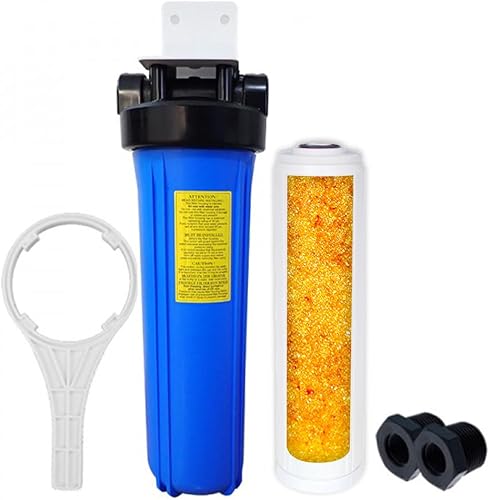
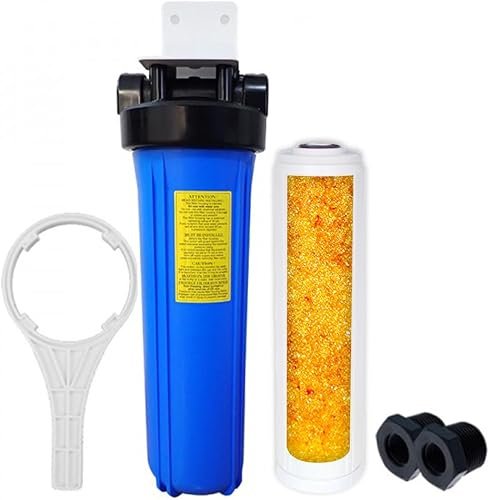
1. 20″x4.5″ Heavy-Duty Filter System
This is the tank of filter housings. If you’re building a custom house water system, start here. The brass ports and double O-ring seal mean business—no cheap plastic cracking under pressure. The big 20″x4.5″ size gives you huge filter capacity, meaning longer change intervals. You’ll need to buy cartridges separately, but that’s the point: total control.
- Built like a tank with brass ports
- Uses common, affordable 20″x4.5″ cartridges
- Pressure release valve is a nice safety touch
- Housings only—no filters included
- Requires separate mounting and plumbing
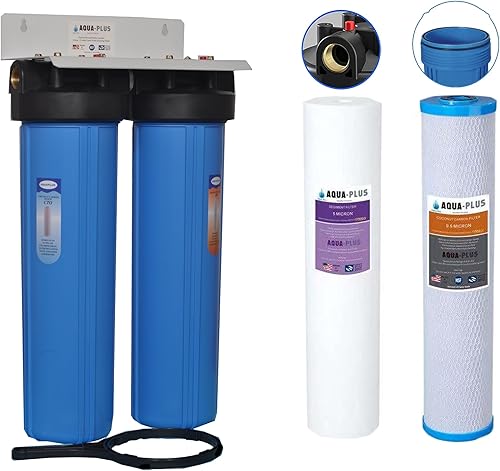
2. Aqua-Plus 2 Stage Jumbo Big Blue System
A solid, no-fuss starter system. The first stage sediment filter does a decent job on rust and sand, and the carbon block tackles chlorine taste and odor. We like that it comes with a pressure release button—makes filter changes less messy. For the price, it’s a good entry point, but the included filters are basic. You’ll want to upgrade the carbon cartridge to a 0.5 micron block for better performance.
- Complete system ready to install
- Food-grade housing with pressure release
- Very affordable entry into whole-house filtration
- Included filters are adequate, not exceptional
- 1″ ports may limit flow in larger homes
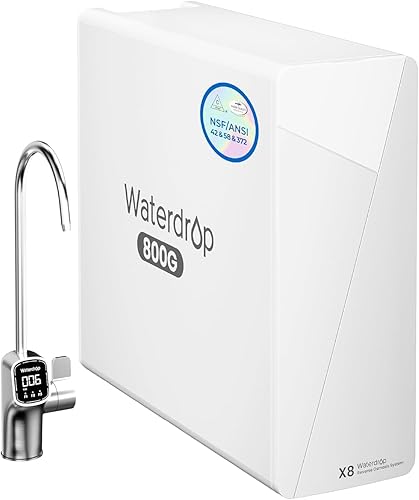
3. Waterdrop WD-X8 Under-Sink RO System
Okay, this isn’t a whole-house system. But here’s the thing: many people pair a whole-house softener/filter with a dedicated drinking water system. The X8 is one of the best we’ve tested. That 9-stage filtration with a true 0.0001μm RO membrane reduces practically everything—TDS, lead, PFAS, you name it. The 800 GPD flow rate means you’re not waiting for a trickle, and the 2:1 drain ratio is excellent. If you want pure drinking water after your whole-house system does the heavy lifting, this is the way.
- NSF/ANSI 42 & 58 certified reduction claims
- High flow rate, low wastewater ratio
- Effectively removes a huge range of contaminants
- Under-sink installation only—not whole-house
- Higher upfront cost than basic filters
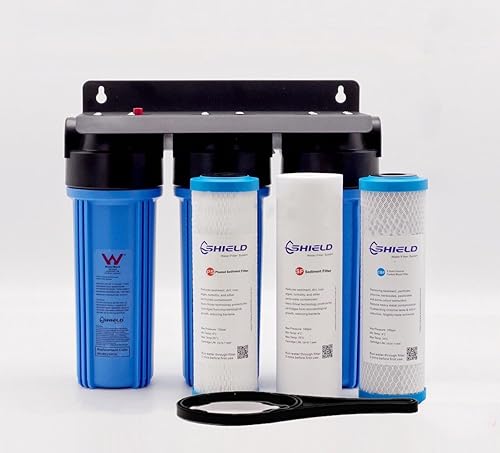
4. Triple 10″ Whole House Filter System
A compact, three-stage solution for smaller homes or tighter budgets. The 10″ cartridges are cheaper to replace than the 20″ jumbos. The 0.5 micron coconut carbon block is a genuine highlight—it’s much better at chlorine and VOC reduction than standard carbon. The heavy-duty bracket and brass ports feel reliable. The main limitation is flow rate; the 3/4″ ports and smaller filters mean it’s not ideal for homes with high simultaneous water use.
- Excellent 0.5 micron carbon block filter included
- WaterMark certified for safety standards
- Compact footprint, easier to install in tight spaces
- 10″ cartridges have lower capacity than 20″
- 3/4″ ports may restrict flow in larger households
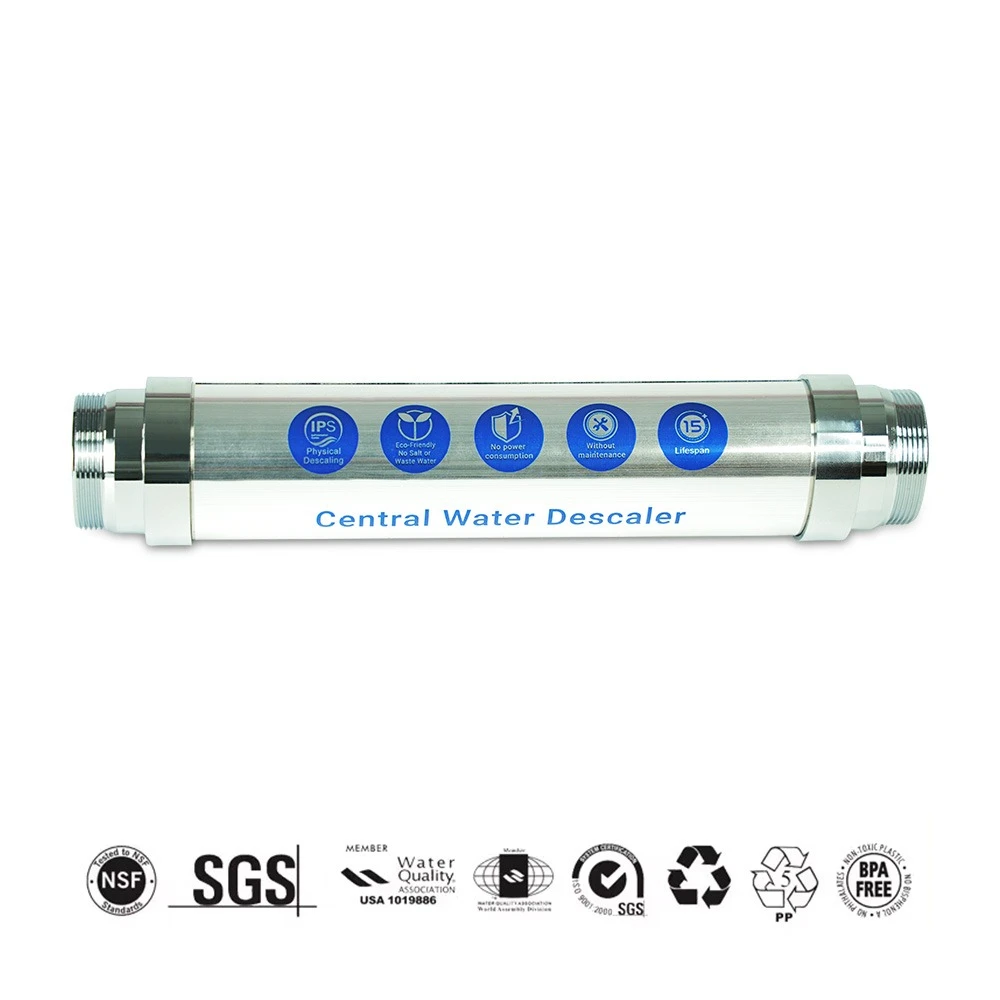
5. AliExpress Budget Salt-Free Descaler
Honestly, I’m skeptical of most salt-free conditioners. But this one gets talked about. It uses a catalytic media to change the structure of hardness minerals so they don’t stick as scale. It won’t give you soft water—that slick feeling isn’t there. But for someone on a private water source who just wants to protect their water heater and hates dealing with salt, it’s a low-cost experiment. Don’t expect it to fix hard water stains in showers.
- No salt, no electricity, no backwashing
- Extremely low maintenance
- Budget-friendly entry point
- Does not actually remove hardness minerals
- Effectiveness varies greatly with water chemistry
- Unknown brand, long-term durability is a question
Frequently Asked Questions
- Do I need a whole house system if I already have a water softener?
- Maybe. A softener only removes hardness minerals. It does nothing for chlorine, sediment, or chemicals. Adding a pre-filter housing with a sediment and carbon cartridge protects your softener resin and improves water taste and odor throughout the house. It’s a smart upgrade.
- How often do I need to change the filters?
- It depends on your water quality and usage. Sediment filters might need changing every 3-6 months. A good carbon block can last 6-12 months. The softener resin itself can last 10-15 years if you don’t send chlorinated water through it. Always check pressure drop—a big drop means a clogged filter.
- Will a whole house system lower my water pressure?
- Any restriction in your water line can cause some pressure loss. The key is sizing your system correctly for your home’s flow rate (GPM). A properly sized system with 1″ ports and clean filters will have minimal impact. An undersized system or clogged filters will definitely cause noticeable pressure drops at multiple fixtures.
- Can I install this myself?
- If you’re comfortable soldering copper or working with PEX and have the space, you can install filter housings and a softener. It’s a full-day project. But if you’re unsure, hire a plumber. A bad leak from an improper install can cause thousands in damage. We’ve seen it happen.
- What’s the difference between a carbon block and a GAC filter?
- Granular Activated Carbon (GAC) is like loose grains. It’s good for taste and odor but can channel water, reducing contact time. A carbon block is a solid, compressed block. It has a much finer micron rating (often 0.5 to 5 microns) and forces water through more carbon surface area, making it far more effective at contaminant reduction.
Final Thoughts
After testing systems in dozens of homes, the single biggest mistake I see is people buying without a water test. Don’t guess. Test your water. If you have hard water and city chlorine, a traditional salt-based softener paired with a quality dual-stage filter (sediment + 0.5 micron carbon block) is the gold standard. It’s what the plumbers I trust recommend for most families.
For 2026, our top recommendation for most households is to build your own system: get the heavy-duty 20″x4.5″ housings for filtration, pair it with a properly sized softener from a reputable brand, and consider a dedicated under-sink RO system like the Waterdrop X8 for your pure drinking water needs. It’s a setup that will serve you well for a decade or more.
