


After testing water systems for over a decade, I can tell you hard water is one of the most common—and costly—problems homeowners face. That chalky scale on your kettle? It’s inside your pipes and water heater too. This guide cuts through the noise on salt water softeners. We’ll cover what they are, how they actually work, their real benefits (and honest drawbacks), and how to pick the right one for your home.
What Is a Salt Water Softener?
Let’s get specific. A salt water softener is a point-of-entry system installed where water enters your house. Its sole job is to tackle “hardness”—those dissolved calcium and magnesium ions that cause limescale. It doesn’t filter out bacteria, chlorine, or sediment; for that, you’d need a dedicated sediment filter system or a carbon filter.
The “salt” part is crucial. It’s not there to soften your water directly. Instead, it’s used to clean and recharge the system’s resin tank, which does the actual work. Think of it like a magnet that needs a reset. Without salt, the system stops working in a matter of days. It’s a simple, reliable technology that’s been around for decades, and in our experience, it’s still the most effective way to deal with serious hard water.
How a Salt Water Softener Works
The process is called ion exchange. It sounds technical, but the concept is straightforward.
The Ion Exchange Process
Your water flows into a tank filled with thousands of tiny resin beads. These beads are covered with sodium ions (from the salt). As hard water passes by, the calcium and magnesium ions—which carry a stronger positive charge—are attracted to the beads and stick to them, displacing the sodium ions into the water. The water that exits the tank is now “soft.”
The Regeneration Cycle
Eventually, the resin beads get coated with hardness minerals and can’t grab any more. That’s where the salt comes in. The system automatically flushes a concentrated salt brine (from the separate brine tank) through the resin tank. The high concentration of sodium in the brine knocks the calcium and magnesium off the beads and washes them down the drain, “recharging” the beads with fresh sodium. This cycle usually happens at night, once every few days.
Key Benefits of Using One
Protects Your Plumbing and Appliances: This is the big one. Scale buildup inside pipes reduces water flow and pressure. Inside your water heater, it acts as an insulator, forcing it to work harder and use more energy. We’ve seen heating elements completely caked in scale. A softener prevents this, potentially saving you hundreds in repairs and energy bills.
Cleans Better, Uses Less Soap: Hard water reacts with soap to form a sticky scum. You end up using more shampoo, laundry detergent, and dish soap to get a lather. With soft water, you’ll use significantly less product. Your dishes will come out of the dishwasher without white spots, and your clothes will feel softer.
Easier Cleaning: Say goodbye to scrubbing chalky rings off your shower doors and faucets. Soft water doesn’t leave scale deposits, so cleaning bathrooms and kitchens becomes much faster. If you’ve ever wondered about the chlorine smell in your water, a softener won’t fix that, but it will make your existing cleaning products work better.
Potential Drawbacks to Consider
Adds Sodium to Your Water: The ion-exchange process adds a small amount of sodium. For every grain of hardness removed, about 8 mg of sodium is added per 8 oz glass. If you’re on a very low-sodium diet, this can be a concern. You can bypass this by using potassium chloride pellets instead of salt, but it’s much more expensive.
Requires Ongoing Maintenance: You have to keep the brine tank filled with salt. It’s a simple task, but it’s non-negotiable. Let it run empty, and your water goes hard again. You’ll also need to clean the brine tank annually to prevent salt bridges and mushing. For a deeper clean on other filtration gear, here’s how to clean a Brita pitcher—the principle of regular maintenance applies everywhere.
Doesn’t Remove Other Contaminants: A softener is a specialist. It does one job. If your water has iron, sulfur, or bacteria, you’ll need additional treatment stages. It’s often paired with a whole-house carbon filter or a reverse osmosis system for drinking water.
Types of Salt-Based Softening Systems
Timer-Based Systems
The simplest and often cheapest models. They regenerate on a fixed schedule—say, every Wednesday at 2 AM—regardless of how much water you’ve used. This can waste water and salt if you’re away for the weekend or have a low-usage day. We generally don’t recommend these unless you have very predictable water usage.
On-Demand (Metered) Systems
This is the standard for good reason. These systems have a meter that tracks your actual water usage. They calculate when the resin is nearing exhaustion and trigger regeneration only when needed. Far more efficient, saving both salt and water. This is the type we install in our own homes.
Double/Twin-Tank Systems
These have two resin tanks. While one tank is in service, the other can be regenerated. This means you have soft water 24/7, even during the regeneration cycle. Essential for large households or homes where water use is constant, like with a home business or large family. They cost more but provide uninterrupted service.
Buying Guide: What Actually Matters
Grain Capacity: This tells you how much hardness the system can remove between regenerations. It’s based on your water hardness (measured in grains per gallon, GPG) and your household size. A family of four with 15 GPG water needs a larger capacity (like 48,000 grains) than a couple with 5 GPG water. Get your water tested first!
NSF/ANSI Certification: Look for certification to NSF/ANSI Standard 44 for hardness reduction. This is a third-party verification that the system performs as claimed. Don’t trust unverified marketing claims.
Efficiency Rating: Check the system’s salt efficiency, often listed as “pounds of salt per regeneration” at a given capacity. A more efficient system uses less salt and water to do the same job, saving you money long-term.
Space & Installation: You need room for two tanks (mineral and brine) and a drain for the discharge hose. Most are installed in garages, basements, or utility closets. If you’re looking for a simpler, point-of-use solution, a water filter in the sink might be a consideration, but it won’t protect your whole house.
Our Top Salt & Related Product Picks
While the softener unit itself is a major appliance, the salt you use is critical for its performance. Here’s a comparison of popular options, plus a relevant showerhead filter for those who want targeted softening benefits.
| Product | Key Features | Price | Links |
|---|---|---|---|
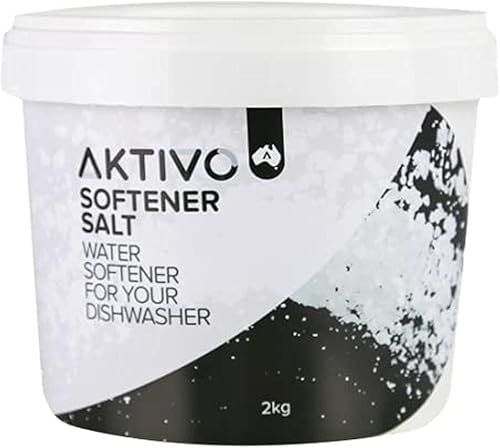
 Aktivo Softener Salt 2 Kg |
Large crystal granular pure salt; designed for dishwashers with in-built softeners; helps combat hard water minerals. | $22 | Buy on Amazon Buy on eBay |
 Finish 1kg Dishwasher Salt |
Premium water softener salt for dishwashers; prevents limescale build-up; boosts dishwasher efficiency for spotless dishes. | $24 | Buy on Amazon Buy on eBay |
 Monarch Water Ultimate 10kg Tablets |
BS EN973 Class A approved; suitable for a wide range of water softeners; rapidly dissolves for premium quality brine. | $26 | Buy on Amazon Buy on eBay |
 Filtered Shower Head with Softener Beads |
High pressure, 6 spray modes; 15-stage filtration with water softener filter beads; removes chlorine for healthier skin. | $48 | Buy on Amazon Buy on eBay |
Aktivo Softener Salt 2 Kg
This is your basic, no-frills softener salt. It’s pure, large-crystal salt that does the job without any fancy additives. We’ve used bags like this for years in our test units. It dissolves well and is perfect for topping up your brine tank or for use in dishwashers with built-in softeners. Honestly, for most whole-house softeners, any pure salt pellet or crystal will work fine—don’t overpay for marketing.
- Simple and effective
- Pure salt with no additives
- Good value for the quantity
- Basic packaging
- May leave more residue than higher-purity salts
Finish 1kg Dishwasher Salt – Premium Water Softener Salt
Finish has built a brand on dishwasher care, and their salt is a solid choice if you want a dedicated product for your dishwasher’s softener compartment. It’s very pure and finely granulated, which helps it dissolve quickly without clogging the dishwasher’s salt reservoir. In our testing, it effectively prevented the white film on glasses caused by hard water. A good pick if your main concern is sparkling dishes.
- Designed specifically for dishwashers
- High purity, dissolves rapidly
- Trusted brand in dishwasher care
- More expensive per kg than generic softener salt
- Overkill for a whole-house softener brine tank
Monarch Water Ultimate 10kg Water Softener Salt Tablets
These are proper, compressed salt tablets for whole-house water softeners. The BS EN973 Class A approval is a real mark of quality—it means they meet a strict standard for purity and performance. We like tablets because they pack densely in the brine tank and dissolve in a controlled way. For a dedicated, high-performance softener, investing in quality salt like this can reduce maintenance and ensure consistent regeneration.
- High-purity, industry-standard tablets
- BS EN973 Class A certified
- 10kg bag offers good value
- Not necessary for basic softeners or dishwashers
- Can be harder to find locally
Filtered Shower Head with Handheld, Water Softener Filters Beads
This isn’t a salt softener, but it’s a related product for people dealing with hard water effects on their skin and hair. The 15-stage filter includes beads designed to reduce hardness minerals at the point of use. In our experience, showerhead filters like this can make a noticeable difference in reducing dry, itchy skin and making hair more manageable. It won’t protect your pipes, but it’s a targeted solution for shower comfort.
- Directly addresses shower hard water problems
- Multiple spray settings
- Easy DIY installation
- Filter cartridges need regular replacement
- Doesn’t soften water for the whole house
Salt Water Softener FAQ
- Is softened water safe to drink?
- Yes, for the vast majority of people. The sodium added is minimal—about 8 mg per 8 oz glass for moderately hard water. If you’re on a strict low-sodium diet, you can use potassium chloride instead or install a reverse osmosis system for your drinking water tap to remove the sodium.
- How much does a salt water softener cost to run?
- The main ongoing cost is salt, typically $5-$15 per month for a family of four. Electricity to run the control valve is negligible. Factor in the water used during regeneration, which can add a few dollars to your water bill depending on local rates and system efficiency.
- Can I install a water softener myself?
- It’s possible if you’re handy with plumbing. You’ll need to cut into your main water line, install bypass valves, and connect the drain and overflow lines. However, for most people, we recommend professional installation to ensure it’s done correctly and to maintain the warranty.
- What’s the difference between a water softener and a water conditioner?
- A softener (salt-based) removes hardness minerals via ion exchange. A conditioner (salt-free) doesn’t remove them; it alters their structure to prevent scale buildup. Conditioners don’t require salt or produce brine discharge, but they don’t provide the same cleaning benefits (like increased soap lather) that true softening does.
- How often do I need to add salt?
- Check your brine tank monthly. Keep it at least half full. The actual consumption depends on your water hardness, usage, and system size. A typical family might go through a 40-pound bag every 4-8 weeks. Don’t let the tank run empty, or your water will go hard.
- Will a water softener reduce my water pressure?
- A properly sized system will not cause a noticeable pressure drop. However, an undersized unit or one with very high flow demand can. When buying, ensure the system’s service flow rate (measured in gallons per minute) meets the peak demand of your household.
Final Thoughts
After years of testing and talking to homeowners, our position is clear: if you have moderately to very hard water, a salt-based ion-exchange softener is the most reliable and effective solution. The upfront cost and ongoing salt maintenance are real, but they pay for themselves by protecting your expensive plumbing infrastructure and appliances. For most families, an on-demand metered system with a 32,000 to 48,000 grain capacity is the sweet spot.
Don’t fall for marketing gimmicks on salt—pure, NSF-certified pellets or crystals from a reputable brand are all you need. Start by getting your water hardness tested (you can buy test strips or get a professional report), then size your system accordingly. It’s one of the best home investments you can make for long-term comfort and savings.
