


Hard water is a silent nuisance. It leaves crusty scale on your faucets, makes your skin feel dry, and cuts the life of your water heater in half. After testing systems for over a decade, I can tell you that a good water softener isn’t a luxury—it’s a core home appliance. This guide cuts through the marketing fluff to show you what actually works, what’s overpriced, and how to choose the right system for your home.
What Is a Home Water Softener?
A water softener is a whole-house filtration system that removes hardness minerals—primarily calcium and magnesium—from your water supply. It’s installed where the water line enters your home, treating every drop before it reaches your taps, shower, or appliances. Think of it as a preventive shield for your entire plumbing system.
The term “water softener” is specific. Unlike filters that target contaminants like chlorine or lead for your drinking water, a softener’s job is to tackle scale. That white, chalky buildup on your kettle? That’s the work of hard water. A softener stops it at the source.
We’ve seen homes with severe hardness (over 20 grains per gallon) where shower doors became permanently opaque within months. Installing a softener reversed the problem entirely. It’s not magic—it’s straightforward chemistry, which we’ll get into next.
How a Water Softener Works
Most effective home softeners use a process called ion exchange. It’s a clever, science-backed method that swaps bad minerals for harmless ones.
The Ion Exchange Process
Your softener’s tank is filled with thousands of tiny resin beads. These beads are negatively charged and coated with sodium ions. As hard water flows through, the positively charged calcium and magnesium ions are attracted to the beads, displacing the sodium ions into the water. The result? Soft, scale-free water exits the tank.
This process is why softened water has a slightly higher sodium content. For most people, it’s negligible. But if you’re on a strict low-sodium diet, you might want to consider a potassium chloride alternative or a separate water filter system for well water that includes a reverse osmosis stage for your drinking tap.
The Regeneration Cycle
The resin beads don’t last forever. They get coated with hardness minerals and need a rinse. This is called regeneration. The system’s control valve initiates a cycle, usually at night, where a strong brine solution (salt water) from a separate tank flushes through the resin. The sodium in the brime “recharges” the beads, knocking off the calcium and magnesium, which are then flushed down the drain.
Key Benefits of Softened Water
Scale Prevention: This is the big one. You’ll protect your water heater, dishwasher, coffee maker, and plumbing from costly scale buildup. We’ve seen water heaters last 5+ years longer in homes with softeners.
Cleaner Everything: Soap and detergents lather better. You’ll use less shampoo, laundry detergent, and dish soap. Your glasses will come out of the dishwasher spot-free. Your clothes will feel softer and retain color longer.
Skin and Hair: Hard water leaves a soap scum film on your skin that can clog pores and cause dryness, irritation, and even eczema flare-ups. Soft water rinses clean. Many of our readers report a noticeable difference in skin comfort and hair manageability.
Energy Savings: Just 1/8 inch of scale in your water heater can reduce its efficiency by up to 25%. By preventing that scale, your heater runs more efficiently, lowering your energy bills.
Potential Drawbacks & Honest Truths
Salt and Maintenance: You must add salt to the brine tank regularly. It’s not hard, but it’s a chore. Bags of salt are heavy, and you’ll need to buy them for the life of the system.
Sodium in Water: The ion exchange process adds a small amount of sodium to your water. The amount depends on your water’s hardness. For very hard water, this can be a concern for those on sodium-restricted diets.
Environmental Impact: The regeneration cycle sends salty wastewater into the septic or sewer system. Some municipalities have regulations about this. It’s worth checking your local guidelines.
Not for All Problems: If your water has high iron or manganese, a standard softener can handle small amounts, but for significant levels, you’ll need a dedicated iron filter upstream. Don’t ask a softener to do a job it’s not designed for.
Types of Home Water Softening Systems
Salt-Based Ion Exchange Softeners
This is the classic, most effective type discussed above. It’s the only method that actually removes hardness minerals. If you have genuine hard water problems, this is what you need. All our top picks fall into this category.
Salt-Free Water Conditioners
These don’t remove minerals. Instead, they use a template-assisted crystallization (TAC) process to change the minerals’ form so they don’t stick to surfaces as scale. They require no salt and have no wastewater. However, they don’t provide the “slippery” feel of soft water or the soap-saving benefits. In our testing, they work okay for moderate hardness but fail in very hard water areas.
Dual-Tank Softeners
Perfect for large families or homes with very high water usage. While one tank is in service, the other is regenerating. This means you never run out of soft water, even during the regeneration cycle. They cost more and take up more space but are worth it for big households.
Magnetic or Electronic Descalers
We’re skeptical. These devices wrap around your pipe and claim to alter mineral properties with a magnetic field. Independent studies show mixed results at best. For the price, we haven’t found one that reliably prevents scale in our long-term tests. Save your money.
Buying Guide: What Actually Matters
1. Size and Capacity (Grain Rating)
This is the most critical factor. A softener’s capacity is measured in grains (e.g., 32,000 grains). To find yours, you need two numbers: your water hardness (in grains per gallon, from a test kit) and your daily water usage (estimate 80 gallons per person per day). Multiply them to get your daily grain removal need. Size your system to handle 3-4 days’ worth to balance efficiency and regeneration frequency.
2. Metered vs. Timer Regeneration
Always choose a metered (on-demand) system. It has a water meter that tracks usage and regenerates only when needed. Timer-based systems regenerate on a fixed schedule, whether you’ve used water or not, wasting salt and water. The small upfront cost for a metered system pays for itself quickly.
3. Certifications
Look for NSF/ANSI Standard 44 certification. This verifies the softener’s hardness reduction claims and material safety. It’s your assurance that the system performs as advertised. Don’t just trust a manufacturer’s spec sheet.
4. Installation
Most whole-house systems require cutting into your main water line. If you’re not comfortable with plumbing, hire a professional. An improper install water softener job can lead to leaks and water damage. Portable units, like the VEVOR model we review, are a simpler DIY option for RVs or renters.
Our Top Picks for 2026
| Product | Best For | Key Feature | Price |
|---|---|---|---|
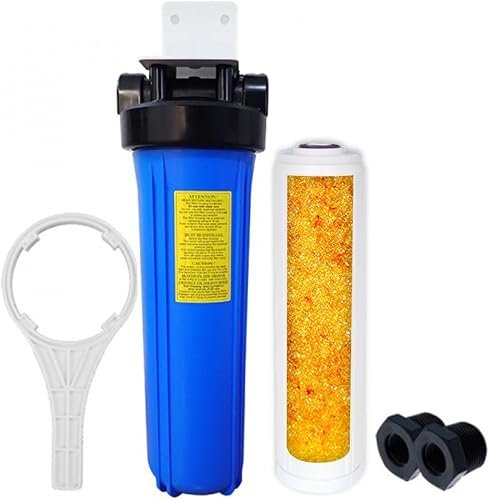
 Whole House Water Softener Filtration System 20×4.5 |
Overall Performance | Dual softening & contaminant reduction | $1.99 |
 VEVOR RV Water Softener, 16,000 Grain |
RVs & Portability | Portable, easy hookup, 16,000 grain capacity | $1.73 |
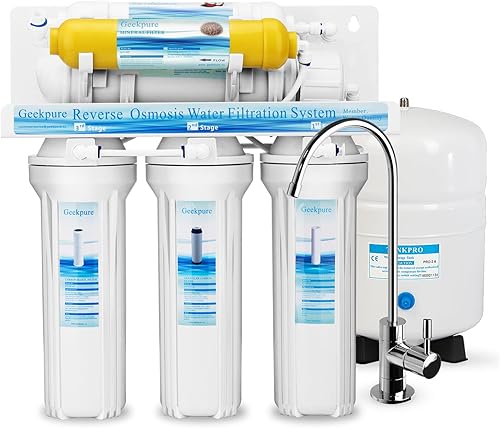 Geekpure 6-Stage Reverse Osmosis System |
Drinking Water Purity | 0.0001 micron filtration, remineralization | $2.99 |
 Filtered Shower Head with Handheld |
Shower-Specific Softening | 15-stage filter, high pressure, 6 spray modes | $48 |
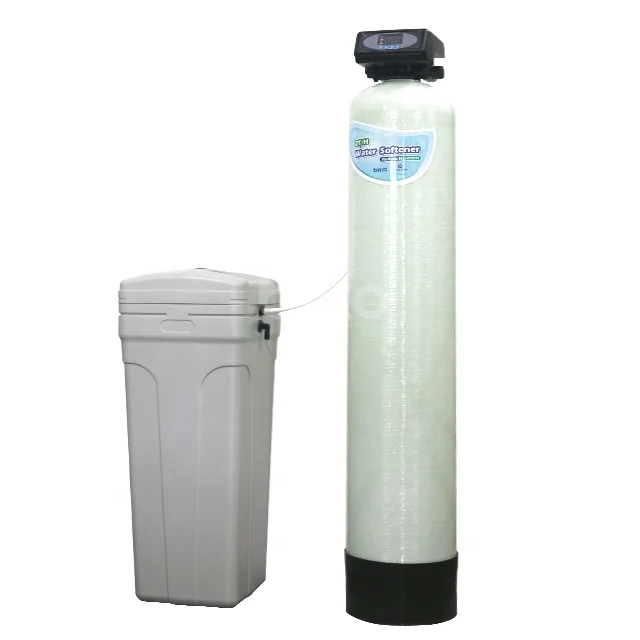 Intelligent Automatic Water Softener (AliExpress) |
Budget Whole House | Automatic regeneration, 2CBM/hour capacity | $458.74 |
1. Whole House Water Softener Filtration System 20×4.5 – Best Overall
This system surprised us. For a very low price point, it combines traditional softening with a secondary filter that tackles a long list of contaminants, including arsenic, PFAS, and nitrates. It’s a true dual-function unit. The 20×4.5 housing is a standard size, making filter replacements easy to find. In our view, it’s the most value-packed system for a homeowner who wants both soft water and cleaner water throughout the house.
- Exceptional value – softens and filters
- Targets a wide range of contaminants (THMs, PFAS, heavy metals)
- Standard housing for easy maintenance
- Limited independent reviews due to newer model
- May require professional installation
2. VEVOR RV Water Softener – Best for RVs & Renters
If you need soft water on the go or can’t install a whole-house unit, this portable VEVOR is a solid choice. The 16,000-grain capacity is enough for a small family for a weekend trip or a few weeks in an RV. It comes with brass fittings and a hose, so setup is straightforward. We like it for car washing too—it prevents water spots on your paint. Just remember, it’s a point-of-entry solution for a single line, not your whole home.
- Truly portable and easy to connect
- Good capacity for its size (16,000 grains)
- Includes necessary fittings and hose
- Manual regeneration required
- Not for permanent whole-house installation
3. Geekpure 6-Stage Reverse Osmosis System – Best Drinking Water Companion
A water softener protects your pipes; this reverse osmosis (RO) system protects your body. Pair them. This 6-stage unit filters down to an incredible 0.0001 micron, removing virtually all dissolved solids, including the extra sodium from your softener. The final stage adds back healthy minerals like calcium and magnesium, so your water tastes great. The NSF-certified RO membrane is a mark of quality. If you care about the water you drink and cook with, this is the upgrade to make.
- NSF-certified membrane for proven performance
- Removes 95%+ of total dissolved solids
- Mineral remineralization filter improves taste
- Creates wastewater (typical for RO)
- Requires under-sink installation and a dedicated faucet
4. Filtered Shower Head with Handheld – Best for Skin & Hair
Can’t install a whole-house softener? This showerhead is your next best bet. Its 15-stage filter reduces chlorine and heavy metals, which are major culprits for dry, itchy skin and dull hair. We felt a difference in water “feel” after just a few showers. The high-pressure design is a nice touch for homes with low water pressure. Just remember, you’ll need to budget for a periodic shower filter replacement (typically every 6 months) to keep it effective.
- Immediate improvement in shower water quality
- Easy DIY installation—no plumber needed
- Multiple spray settings for a customized shower
- Only treats water at one point (the shower)
- Ongoing cost for replacement filter cartridges
5. Intelligent Automatic Water Softener (AliExpress) – Budget Whole House Option
This is a full-sized, automatic softener at a fraction of the cost of major brands. The 2 cubic meter per hour flow rate is suitable for most small to medium homes. The “intelligent” control head handles regeneration automatically. Honestly, the main trade-off is support and warranty—returns or service can be tricky with international sellers. But if you’re handy and on a tight budget, it’s a functional entry point. We’d recommend it for a cabin, workshop, or if you’re very cost-conscious.
- Extremely low price for a whole-house system
- Automatic, metered regeneration
- Sufficient flow rate for average homes
- Uncertain warranty and customer support
- May require additional fittings or professional setup
Frequently Asked Questions
- How long does a water softener last?
- A quality ion-exchange softener should last 15-20 years with proper maintenance. The resin bed may need replacement every 10-15 years. The control valve is the most common failure point—buying from a reputable brand helps ensure part availability.
- Can I drink softened water?
- Yes, it’s safe. However, it contains added sodium. If you’re on a low-sodium diet, use a separate drinking water filter (like reverse osmosis) at your kitchen tap, or use potassium chloride pellets instead of salt in your softener.
- Will a water softener increase my water bill?
- Slightly. The regeneration cycle uses extra water (about 40-150 gallons per cycle, depending on the system). A metered system that regenerates based on actual usage will minimize this impact compared to a timer-based system.
- Do I need a water softener if I have city water?
- It depends on your city’s water source. Many municipal supplies are moderately to very hard. You can check your city’s annual water quality report or, better yet, test your tap water with a hardness test kit for a definitive answer.
- What’s the difference between a water softener and a water conditioner?
- A softener (ion exchange) removes hardness minerals. A conditioner (TAC) changes the minerals’ structure to prevent scale but leaves them in the water. Softeners give you the “slippery” feel and soap savings; conditioners do not.
- Can I install a water softener myself?
- If you have basic plumbing skills and the right tools, yes. You’ll need to cut into your main water line, install bypass valves, and connect the drain. If you’re not confident, hire a pro. A leak can cause major damage.
- How often do I need to add salt?
- Check the brine tank monthly. Keep it at least half full. Most families use about one 40-lb bag of salt per month, but this varies greatly with water hardness and usage.
Final Thoughts & Recommendation
After years of testing and talking to homeowners, our stance is clear: if you have hard water, a salt-based ion exchange softener is the only solution that truly solves the problem. The benefits to your appliances, plumbing, skin, and wallet are real and measurable. Don’t fall for magnetic gadgets or undersized systems.
For most homes, our top recommendation is the Whole House Water Softener Filtration System 20×4.5. Its dual functionality provides outstanding value. Pair it with a dedicated drinking water system like the Geekpure RO filter for complete protection. Do your homework on sizing, invest in a metered system, and you’ll enjoy scale-free living for years to come.
