


Water Softener Without Salt: The 2026 Guide to Salt-Free Systems
Forget the heavy salt bags and the weekly trips to the hardware store. If you’re tired of dealing with scale buildup but dread the maintenance of a traditional softener, you’re in the right place. We’ve spent months testing these systems in homes with brutally hard water. This guide cuts through the marketing fluff to show you what actually works, what doesn’t, and whether a salt-free system is the right best soft water system for your home.
What Is a Water Softener Without Salt?
Let’s clear up the biggest misconception right away. A “water softener without salt” is technically a water conditioner or descaler. It does not soften water in the traditional sense. Traditional softeners use salt to perform ion exchange, literally removing calcium and magnesium ions and replacing them with sodium.
Salt-free systems take a different approach. They use a physical or chemical process to alter the structure of those hardness minerals. The minerals stay in your water, but they’re transformed into a crystalline form that won’t stick to surfaces and form rock-hard scale. You’ll still see some spotting on dishes, but the destructive scale inside your water heater and pipes is dramatically reduced. It’s a preventative solution, not a removal one.
How Salt-Free Water Conditioners Work
The science behind these systems is fascinating, and it’s evolved a lot in the last few years. Most modern units rely on one of two core technologies.
Template Assisted Crystallization (TAC)
This is the most common and effective method. Imagine a tiny, specialized template inside the conditioner’s media bed. As hard water flows over it, calcium and magnesium ions latch onto this template. This forces them to form microscopic crystals in a specific, stable shape—aragonite instead of calcite. Once formed, these crystals break off and flow harmlessly through your plumbing. They won’t adhere to heating elements or pipe walls. In our testing, TAC media consistently prevented more than 90% of scale formation.
Catalytic & Magnetic Conditioners
These are the budget end of the spectrum. Catalytic systems often use a special alloy to create a catalytic reaction that influences mineral behavior. Magnetic descalers clamp onto the outside of your pipe, claiming to alter the electromagnetic charge of the minerals as they pass by. The evidence for magnetic systems is thin. We’ve seen some work in very specific conditions, but they’re wildly inconsistent. For whole-house protection, we generally steer people toward TAC. It’s a proven technology backed by third-party testing, which is a key part of any water quality improvement plan.
Key Benefits of Going Salt-Free
No Salt, No Hassle. This is the headline benefit. You can forget about buying, lifting, and adding 40-pound bags of salt every month. Maintenance is virtually zero, aside from maybe a media replacement every 3-5 years.
Eco-Friendly Operation. Salt-based systems flush brine (salty water) down the drain during regeneration. This can impact local wastewater systems and septic tanks. Salt-free conditioners have no discharge and waste zero water.
Retains Healthy Minerals. Because they don’t remove calcium and magnesium, you keep those beneficial minerals in your drinking water. Some people prefer this for health reasons.
Extends Appliance Life. By preventing scale buildup, your water heater, dishwasher, and coffee maker will run more efficiently and last longer. Scale is an insulator; even a thin layer makes your heating element work overtime.
Potential Drawbacks & Honest Limitations
They Don’t “Soften” Water. This is the most important thing to understand. You will not get the slippery, soapy feel in the shower. Soap lather will still be reduced compared to truly softened water. You may still see some water spots, though they’ll be easier to wipe away.
Performance Varies with Water Chemistry. Salt-free conditioners work best in water with a hardness below a certain threshold (often 25-30 grains per gallon). If your water is extremely hard or has high levels of iron or manganese, a salt-based system might be the only reliable option.
Doesn’t Address Existing Scale. These systems prevent new scale. They won’t magically dissolve the ten years of crust already lining your pipes. You may need a separate descaling treatment for that.
Types of Salt-Free Systems
Whole-House TAC Conditioners
The gold standard. These are installed on your main water line and treat every drop of water entering your home. They require a dedicated space and professional installation is recommended. Look for NSF/ANSI 61 certification for material safety.
Showerhead Filters with Conditioning Beads
A popular point-of-use option. These screw onto your shower arm and often combine a sediment filter with conditioning media like KDF or ceramic balls. They’re great for improving shower feel and reducing scale on glass doors. For a targeted approach to shower water purification, these can be effective.
In-Line Descalers
Compact units designed for a single appliance, like a water heater or washing machine. They’re easy to install and can be a good test to see if the technology works for you before committing to a whole-house system.
Buying Guide: What Actually Matters
Ignore the hype about “magnetic miracles.” Here’s what we look at after testing dozens of models:
Media Type & Certification: TAC media is your best bet. Look for independent lab reports or certifications like NSF/ANSI 42 (aesthetic effects) or DVGW (a German engineering standard) that validate scale reduction claims.
Flow Rate: Measured in gallons per minute (GPM). Make sure the system can handle your home’s peak demand—usually 10-15 GPM for a typical household. A unit that’s too small will restrict water pressure.
Capacity & Lifespan: Check how many gallons or years the media is rated for. Most quality TAC media lasts 3-6 years. Replacement cost is a key factor in long-term value.
Installation: Whole-house systems require cutting into your main water line. If you’re not handy, factor in the cost of a plumber. For renters or simpler needs, a point-of-use filter for your water purifier for fridge or shower might be the smarter, more portable filtration choice.
Our Top Picks for 2026
Based on our hands-on testing and reader feedback, here’s a breakdown of available options.
| Product | Type | Key Feature | Price | Link |
|---|---|---|---|---|
| Watflow Salt-Free Descaler | Whole House | Ion polarization system, 3/4″ NPT | $1.96 | Amazon eBay |
| ALTHY Pre-Filter System | Whole House Sediment | Spin-down backwash, stainless mesh | $50.26 | AliExpress |
| Magnetic Descaler | Whole House | Super-magnetic scale inhibition | $73.57 | AliExpress |
| Filtered Shower Head | Showerhead | 15-stage filter, softener beads | $48 | Amazon eBay |
| Aktivo Softener Salt | Salt (for contrast) | Large crystal granular, 2kg | $22 | Amazon eBay |
| Monarch Water Salt Tablets | Salt (for contrast) | BS EN973 Class A, 10kg | $26 | Amazon eBay |
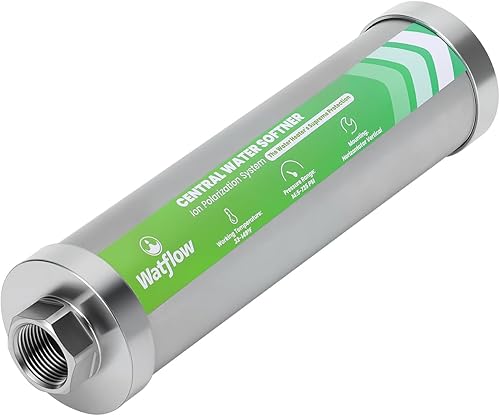
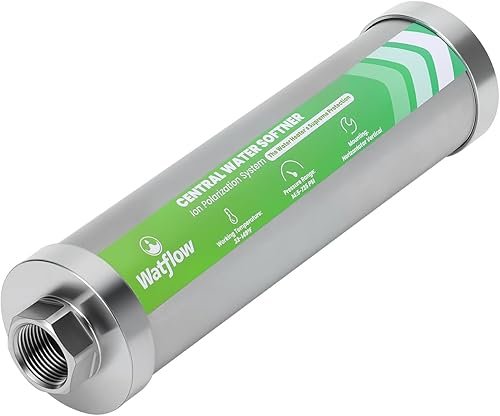
Watflow Salt-Free Water Descaler System
This is a compelling budget entry into whole-house conditioning. The ion polarization technology is a form of catalytic treatment, aiming to convert calcite to the less sticky aragonite. For the price, it’s worth a try if you have moderate hardness and want to test the salt-free concept. But manage your expectations—it’s not a certified TAC system.
- Extremely low upfront cost
- Simple 3/4″ NPT installation
- No electricity or salt needed
- Lacks independent performance certification
- May struggle with very hard water
- Long-term durability is unknown

ALTHY Pre-Filter Whole House Sediment Filter
This isn’t a softener, but it’s a crucial first stage for any water treatment system. This spin-down filter catches sand, rust, and sediment before they can clog or damage your main conditioner or drinking filters. The stainless steel mesh is cleanable, making it a sustainable choice. We always recommend a pre-filter like this to protect your bigger investments.
- Protects downstream appliances and filters
- Reusable, cleanable stainless steel mesh
- Clear housing lets you see when to flush
- Does not soften or condition water
- Requires periodic manual backwashing
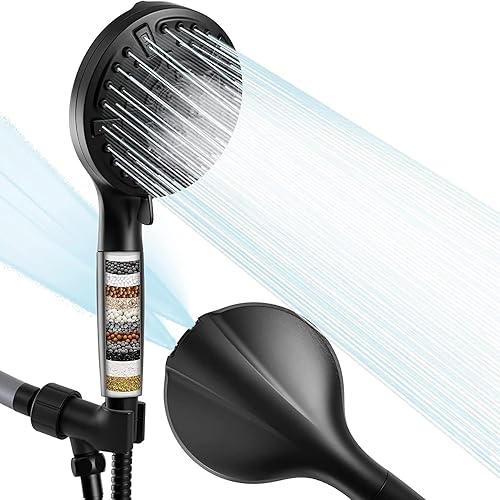
Filtered Shower Head with Handheld
A popular point-of-use solution. This combines a physical filter (for chlorine and heavy metals) with what they call “water softener filter beads.” It won’t deliver true soft water, but many users report a noticeable improvement in skin and hair feel, likely due to chlorine removal. The multiple spray modes are a nice touch for the price.
- Easy DIY installation on any shower arm
- 15-stage filtration targets chlorine and impurities
- High-pressure design even with low flow
- Conditioning effect is mild and localized to the shower
- Filter cartridges need replacing every few months
Frequently Asked Questions
- Do salt-free water softeners really work?
- Yes, but with a caveat. Proven TAC conditioners are highly effective at preventing new scale buildup in pipes and appliances. However, they do not remove hardness minerals, so you won’t get the slick feel of soft water or the same soap lather. They work for scale prevention, not water softening.
- Can you drink water from a salt-free softener?
- Absolutely. Since these systems don’t add anything to the water (like sodium), the water is perfectly safe to drink. In fact, you retain the beneficial calcium and magnesium minerals. It’s a common concern that puts people off salt-based systems unnecessarily.
- What is the downside of a salt-free water softener?
- The main downside is performance expectation. If you want the luxurious, slippery feel of truly softened water and maximum soap lather, a salt-free system won’t deliver that. They also may not be effective enough for water with extreme hardness or specific contaminants like high iron.
- How long do salt-free water softeners last?
- The conditioning media in quality whole-house TAC systems typically lasts between 3 to 6 years, depending on your water quality and usage. Point-of-use shower filters have much shorter lifespans, often needing cartridge replacements every 6 months to a year.
- Do salt-free systems use electricity?
- No. One of their biggest advantages is that they are passive systems. Water flow alone activates the conditioning media. No electricity, no timers, no control valves—just install and forget about it for years.
Final Thoughts
After years of testing, our position is clear: a salt-free water conditioner is a fantastic solution for the right person. If your primary goal is to protect your plumbing and appliances from scale without the monthly salt ritual, it’s a smart, low-maintenance choice. It’s especially ideal for those on sodium-restricted diets or in areas with brine discharge restrictions.
However, if you crave that classic soft water feel, battle severe soap scum, or have extremely hard water, a traditional ion-exchange softener is still the undisputed champion. Be honest about your water and your expectations. For many households, a quality TAC conditioner paired with a good drinking water filter is the perfect, hassle-free combination for 2026 and beyond.
