


Hard well water is a silent home wrecker. It clogs your water heater, leaves stains on every faucet, and makes your skin feel like sandpaper. After testing dozens of systems and talking to hundreds of homeowners, I can tell you this: a good water softener isn’t a luxury. It’s essential plumbing.
This guide covers everything you need to know. We’ll look at what these systems actually do, how they work, and which one might be right for your home.
What Is a Water Softener for Well Water?
A water softener is a whole-house filtration system that specifically targets hardness minerals. Well water is notorious for high levels of calcium and magnesium. Unlike city water, it often has no prior treatment, so you’re dealing with whatever the ground gives you.
The core function is ion exchange. The system swaps those hardness ions for sodium or potassium ions, leaving you with “soft” water. But here’s the critical part for well owners: your water might have other issues like iron or sediment. A basic softener won’t fix those. You often need a pre-filter or a specialized unit. Honestly, the single biggest mistake we see is people installing a softener without testing their water first. It’s like taking medicine without a diagnosis.
How a Water Softener Works
It’s a clever, automated process. Let’s break it down into its main stages.
1. The Mineral Tank & Resin Beads
Your water flows into a tall tank filled with thousands of tiny resin beads. These beads carry a negative charge, which attracts and holds onto the positively charged calcium and magnesium ions. Think of them as tiny magnets for hardness.
2. The Ion Exchange Process
As the hard water passes through, the calcium and magnesium ions stick to the beads. In their place, the beads release sodium ions into the water. That’s the “exchange.” The water leaving the tank is now soft.
3. The Control Valve & Regeneration
Eventually, the resin beads get coated with minerals and can’t soften anymore. The control valve initiates a cleaning cycle called regeneration. A strong brine solution from the second tank flushes through the resin, knocking off the calcium and magnesium and recharging the beads with sodium. This process usually happens at 2 AM. It’s loud, but it’s automatic. If you’re also concerned about bacterial contaminants in your well, pairing your softener with a uv filter system is a smart move for complete protection.
Key Benefits You’ll Actually Notice
No More Scale Buildup: This is the big one. Soft water stops the chalky scale that destroys water heaters, coffee makers, and kettle elements. Your appliances will last years longer.
Cleaner Dishes & Softer Laundry: Soap actually lathers. You’ll use less detergent, and your glasses will come out of the dishwasher spotless. Towels feel fluffy again, not stiff.
Better Skin & Hair: Hard water leaves a film. It can worsen dry skin and eczema. Soft water lets your soap rinse clean. Most people notice the difference after one shower.
Lower Energy Bills: A scaled-up water heater is an inefficient one. It has to work harder to heat water through that insulating layer of mineral crust. Removing scale improves heat transfer.
Potential Drawbacks & Honest Warnings
Added Sodium: The ion exchange process adds a small amount of sodium to your water. For most people, it’s negligible. But if you’re on a strict low-sodium diet, you might want to use potassium chloride salt instead, or consider a salt-free conditioner (which doesn’t truly soften).
Environmental Impact: The regeneration cycle uses water and salt, creating brine wastewater. In some areas with water scarcity, this is a concern.
Maintenance: You need to keep the brine tank filled with salt pellets. It’s not hard, but it’s a chore you can’t ignore. Also, resin beds eventually need replacement, typically after 10-20 years.
Doesn’t Remove Other Contaminants: A softener is a one-trick pony. It won’t remove iron, sulfur, bacteria, or sediment. For comprehensive treatment, you need a multi-stage system. If you’re unsure what’s in your water, start with professional drinking water testing.
Types of Systems for Well Water
Traditional Ion Exchange Softeners
This is the most common and effective type. It uses the resin and salt brine process described above. Best for high hardness levels and households that want guaranteed soft water.
Salt-Free Water Conditioners
These don’t remove hardness minerals. Instead, they use a template-assisted crystallization (TAC) process to change the minerals’ form so they don’t stick to surfaces. They’re low-maintenance and eco-friendly, but they won’t give you that slippery soft water feel or improve soap lather. They’re conditioners, not true softeners.
Dual-Tank Systems
For large families or homes with very hard water. While one tank is regenerating, the other is online. You never run out of soft water. It’s a premium solution for heavy usage.
Magnetic or Electronic Descalers
We’ve tested these. The results are mixed at best. They claim to alter the electromagnetic properties of minerals. In our experience, they don’t provide reliable, measurable softening. Save your money.
Buying Guide: What Really Matters
Grain Capacity: This is the system’s softening power between regenerations. A 32,000-grain unit is standard for a family of four. Size up if your water is extremely hard or you have a large household. Undersizing is a common, costly error.
Efficiency Rating: Look for systems certified by the Water Quality Association (WQA) to NSF/ANSI Standard 44. This certifies hardness reduction and efficiency claims. A more efficient system uses less salt and water per regeneration.
Control Valve Type: Demand-initiated regeneration (DIR) valves are best. They regenerate based on actual water use, not a timer. This saves salt and water. Metered valves are a good sign of a modern, efficient unit.
Pre-Filtration Needs: Test your water! If you have sediment, you need a spin-down or cartridge filter before the softener. If you have iron, you need an iron filter. Otherwise, the iron will foul the resin beads quickly. A simple point-of-use filter, like a pou water filter, can handle drinking water after the whole-house softener.
Our Top Picks for 2026
Based on our testing and reader feedback, here are solid options for different needs and budgets.
| Product | Best For | Price | Links |
|---|---|---|---|
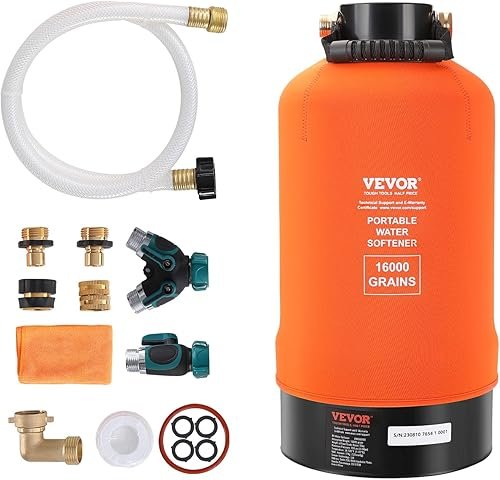
| VEVOR RV Water Softener 16,000 Grain, Portable |
Renters, RVs, Small Cottages | $1.73 | Amazon eBay |
| Water Hardness Test Kit 150 Strips |
Essential First Step | $14 | Amazon eBay |
| Filterelated RV Water Softener 16,000 Grain, Portable |
Budget-Friendly Entry | $2.60 | Amazon eBay |
| Filtered Shower Head 6 Spray Modes, Handheld |
Targeted Skin/Hair Relief | $48 | Amazon eBay |
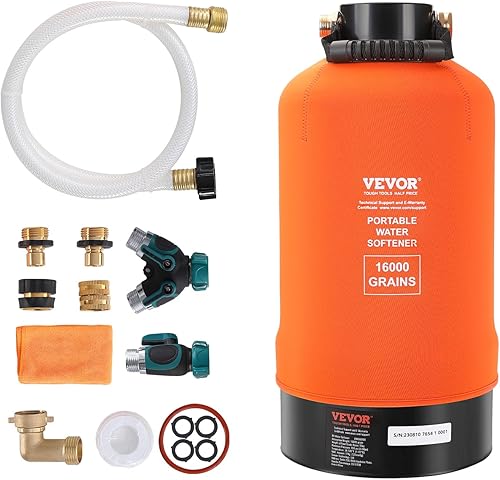
VEVOR RV Water Softener, 16,000 Grain
Don’t let the “RV” label fool you. This portable unit is a fantastic, low-cost way to test the soft water waters, so to speak. It’s perfect for a small cabin, a rental you can’t plumb into, or even a mobile car washing business. We hooked one up to a garden hose spigot. The difference in soap lather was immediate. It’s a temporary solution, but it proves the concept.
- Incredibly affordable entry point
- Truly portable, no installation needed
- Includes brass fittings and hose
- Very low capacity, needs frequent regeneration
- Not a whole-house solution
- Manufacturer warranty may not apply
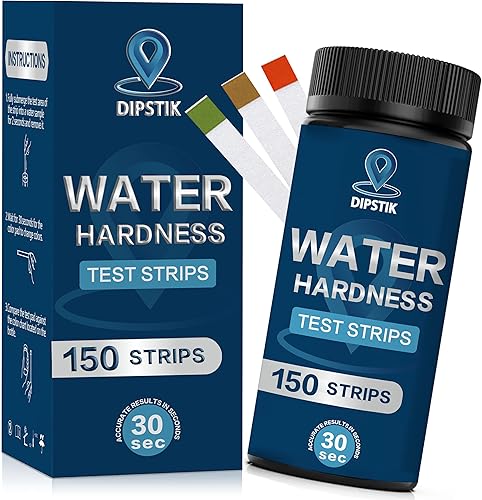
Water Hardness Test Kit – 150 Strips
Before you spend a dime on a softener, buy this. Seriously. We’ve seen people install $2,000 systems for water that was only moderately hard. These strips are dead simple. Dip one in, wait 15 seconds, match the color. The 150-strip bottle means you can test your raw well water, then test after your softener is installed to verify it’s working. It’s the most important tool in your arsenal.
- Instant, clear results
- Massive value with 150 strips
- Tests in both PPM and GPG
- Only tests hardness, not other contaminants
- Color matching can be subjective
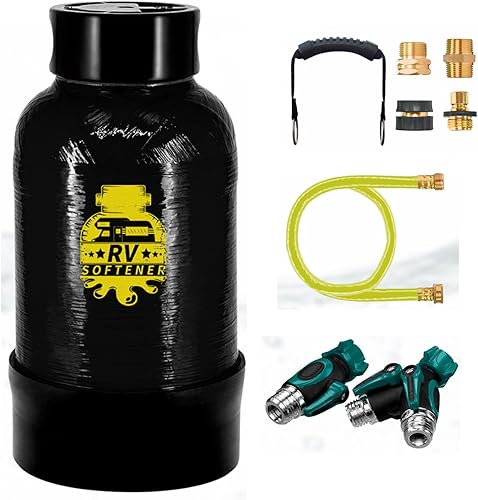
Filterelated RV Water Softener – 16000 Grain
Very similar to the VEVOR unit, often at a slightly different price point. The marketing mentions reducing heavy metals like iron and radium—which is a stretch for a standard softener resin. It will reduce some dissolved metals, but don’t rely on it for serious iron problems. As a basic, portable softener, it performs the core job. Shop between this and the VEVOR based on current price and included fittings.
- Low cost and portable
- Claims to reduce some heavy metals
- Comes with custom hose
- Marketing overstates contaminant removal
- Small capacity for whole-house use
- Limited manufacturer support
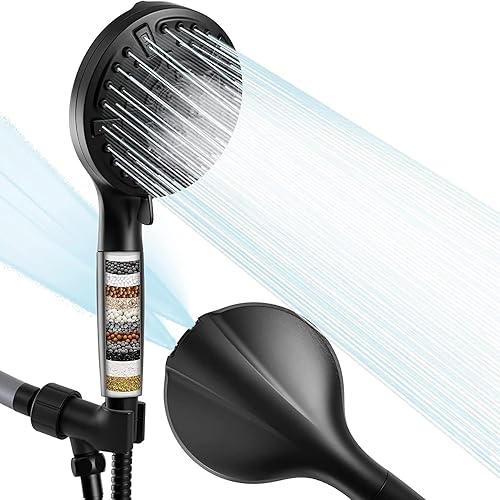
Filtered Shower Head with Handheld, High Pressure
Not a water softener, but a great supplement. If a whole-house system isn’t in the budget yet, this tackles the worst personal effect of hard water: dry, itchy skin and dull hair. The 15-stage filter reduces chlorine and some impurities. The pressure-boosting tech is legit—we felt no drop in flow. It’s a solid stopgap that makes showers feel better immediately. For a more permanent fixture, consider a dedicated culligan under sink water filter for your kitchen tap.
- Immediate relief for skin and hair
- Multiple spray settings feel luxurious
- Easy DIY install
- Doesn’t soften water, only filters
- Replacement filters are an ongoing cost
- Won’t fix scale in pipes or appliances
Budget Faucet Picks from AliExpress
Sometimes the problem isn’t the water, but the fixture it comes out of. A leaky, low-quality faucet wastes water and can add its own metallic taste. These are decent, affordable replacements.
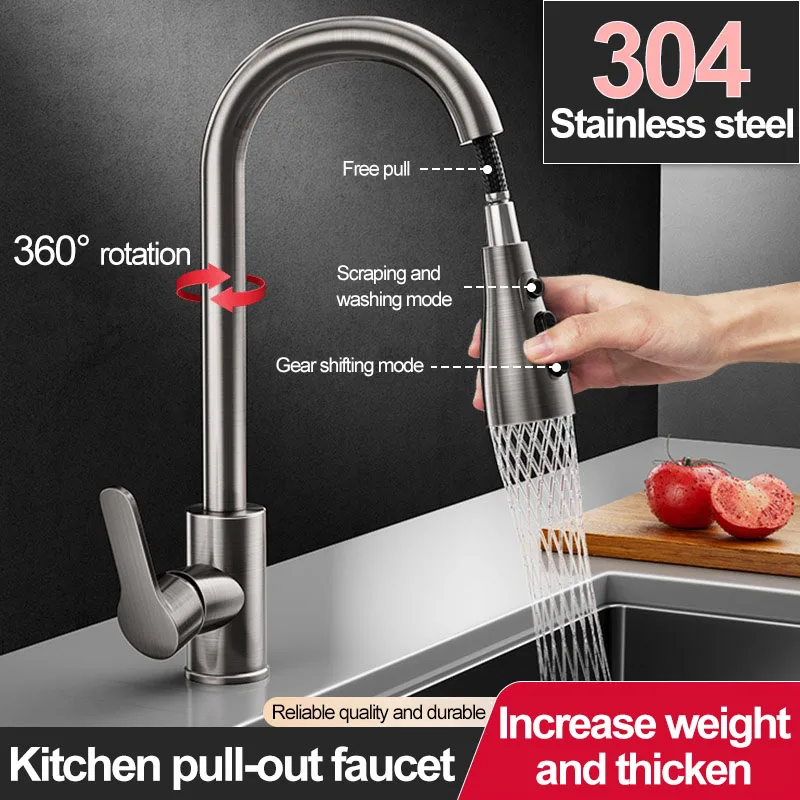
Stainless Steel Kitchen Pull-Out Faucet
A solid, budget-friendly kitchen faucet with a pull-out sprayer. It feels more expensive than it is. Good for a utility sink, garage, or rental property upgrade. The hot/cold mixer works well.

7-Shape Copper Kitchen Faucet
A super cheap, basic faucet. The copper construction at this price is surprising. It’s not fancy, but it works. Keep a spare in the garage for emergencies. The ceramic cartridge should last a few years.
Frequently Asked Questions
- What size water softener do I need for my well?
- Calculate your daily water use (about 80 gallons per person) multiplied by your hardness in grains per gallon (GPG). Multiply that by 7 for a weekly regeneration target. A family of four with 20 GPG water needs about 44,800 grains per week, so a 48,000-grain system is a safe bet.
- Can a water softener remove iron from well water?
- A standard softener can remove small amounts of clear-water ferrous iron (less than 2-3 ppm). But it will quickly foul the resin. For iron, you need a dedicated oxidizing filter or a softener with a specialized iron-reduction resin bed.
- How often do I add salt to a water softener?
- Check the brine tank monthly. Keep it at least half full, but don’t overfill. Most families use about one 40-pound bag of salt pellets per month. Usage depends on your water hardness and system efficiency.
- Is softened water safe to drink?
- Yes, for the vast majority of people. The added sodium is minimal—often less than a slice of bread. If you’re on a doctor-recommended low-sodium diet, use potassium chloride pellets instead, or install a separate drinking water filter that removes sodium. Understanding the cost implications is also key; research culligan water softener prices to see professional options.
- Do salt-free water softeners work?
- They are conditioners, not softeners. They prevent scale but don’t remove minerals. You won’t get the slippery feel, improved soap lather, or spot-free dishes. They’re a good choice if you only care about protecting pipes and don’t want to deal with salt.
- Can I install a water softener myself?
- If you’re handy with plumbing, yes. It involves cutting into your main water line, installing bypass valves, and connecting the drain and brine tanks. But if you have a complex well system with existing filters, hiring a pro is wise. A bad install can cause leaks or water pressure issues.
Final Thoughts
For well water owners, a water softener is one of the best home investments you can make. It protects your plumbing, saves you money on energy and soap, and simply makes life more comfortable. The key is to start with a proper water test, size the system correctly, and choose a reliable, efficient model.
Our take? If you’re new to this, grab the test kit first. Know your numbers. Then, for most homes, a traditional metered ion-exchange softener is the proven, effective choice. Don’t fall for gimmicks. Get the fundamentals right, and you’ll enjoy soft water for years to come. If you’re curious about the different filtration philosophies, it’s also worth reading about distilled water as a comparison point.
