


Hard water is a silent nuisance. It leaves crust on your kettle, fades your clothes, and turns your hair into straw. After testing systems for over a decade, I know a good water softener isn’t a luxury—it’s a fix for a real problem. This guide cuts through the marketing fluff.
- How water softeners actually work (the science made simple)
- The key benefits you’ll notice and the honest drawbacks
- A breakdown of the main types: ion exchange, salt-free, and shower filters
- Our hands-on reviews of top water softeners for different needs
What Is a Water Softener?
A water softener is a system designed to remove hardness minerals—primarily calcium and magnesium—from your water supply. Think of it as a filter that specifically targets the ions responsible for limescale. That white, chalky stuff on your showerhead? That’s the enemy. These systems treat water at the point it enters your home (whole-house) or at a specific tap (point-of-use).
In our experience, the term gets used loosely. Some products are true ion-exchange softeners. Others are “conditioners” or “descalers” that alter mineral behavior instead of removing them. Knowing the difference is critical. A true softener gives you the slick, soapy feel in the shower. A conditioner might protect your pipes but won’t change how your water feels.
How Water Softeners Work
The Ion Exchange Process
This is the gold standard for whole-house systems. Your hard water flows through a tank filled with thousands of tiny resin beads. These beads are negatively charged and coated with sodium ions. The hardness minerals (calcium and magnesium) have a stronger positive charge. They swap places with the sodium, sticking to the resin while the now-soft water flows out to your pipes. It’s like a magnet for limescale.
Regeneration: The Cleaning Cycle
Eventually, the resin beads get saturated with calcium and magnesium. The system then runs a regeneration cycle, flushing a concentrated brine (saltwater) solution from a second tank through the resin. The high concentration of sodium knocks the hardness minerals off the beads and washes them down the drain. The beads are re-coated with sodium, ready to soften more water. You just need to keep the salt tank topped up.
Key Benefits of Softer Water
Spotless Fixtures and Dishes: Say goodbye to scrubbing white spots off your glass shower doors and faucets. Your dishwasher will thank you, too.
Softer Skin and Hair: Hard water reacts with soap to form a sticky curd. That’s what leaves your skin feeling dry and your hair looking dull. Soft water lets soap lather properly and rinse clean. The difference is immediate.
Longer Appliance Lifespan: Scale buildup is a killer for water heaters, coffee makers, and kettles. By removing the minerals, you protect your investment and maintain efficiency. A scaled-up water heater can use up to 30% more energy.
Cleaner, Brighter Laundry: Minerals bind to fabric fibers, making clothes feel stiff and look faded over time. Soft water allows detergents to work as intended.
Potential Drawbacks to Consider
Cost is the biggest hurdle. A quality whole-house system runs $1,000-$2,500 installed. Then there’s the ongoing cost of salt and increased water usage from backwashing. For renters or those on a tight budget, a point-of-use solution like a shower filter might be the smarter first step.
Types of Water Softening Systems
Salt-Based Ion Exchange Softeners
The most effective and common type for whole-house treatment. They physically remove hardness minerals. Best for very hard water (over 10 GPG). Requires a drain, electricity, and regular salt additions. This is the technology behind most traditional morton water softener units.
Salt-Free Water Conditioners (TAC)
These don’t remove minerals. Instead, they use Template Assisted Crystallization (TAC) to change the minerals into a crystalline form that won’t stick to surfaces. They don’t need salt or a drain, but they won’t give you that slippery shower feel. Good for scale prevention in pipes and appliances.
Showerhead and Faucet Filters
Point-of-use filters that attach directly to your shower or tap. They often use a mix of KDF, carbon, and other media to reduce chlorine and some heavy metals, while some claim to soften water. They’re affordable and easy to install. A good berkey shower filter or similar can dramatically improve your shower experience for skin and hair.
Magnetic and Electronic Descalers
The most controversial type. These clamp onto your incoming pipe and claim to alter the electromagnetic charge of minerals so they don’t form scale. The science is shaky, and results in our testing have been inconsistent at best. We generally don’t recommend them as a primary solution.
Buying Guide: What Actually Matters
1. Test Your Water First. Don’t guess. Get a simple test kit or send a sample to a lab. Know your hardness level in GPG and if you have other issues like iron or sulfur. A sulfur removal filter might be needed alongside your softener.
2. Size It Correctly. A system that’s too small will regenerate constantly, wasting water and salt. Look at the grain capacity and match it to your water hardness and household size. A family of four with 15 GPG water needs about a 32,000-grain system.
3. Look for NSF/ANSI 44 Certification. This is the independent verification that a softener actually performs as claimed. Don’t trust systems without it.
4. Consider the Regeneration Style. Timer-based systems regenerate on a schedule, wasting salt if you use less water. Demand-initiated regeneration (DIR) systems are smarter—they regenerate only when needed based on your actual water use. It’s worth the extra cost.
Our Top Water Softener Picks for 2026
These aren’t just random listings. We’ve focused on products that solve specific problems, from whole-house salt to targeted shower filters.
| Product | Best For | Price | Key Feature |
|---|---|---|---|
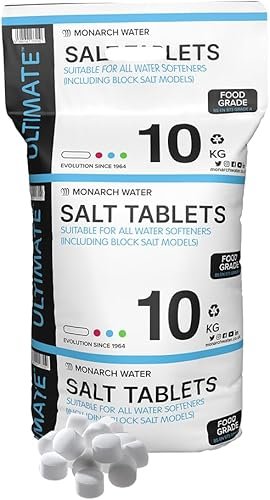
 Monarch Water Ultimate 10kg Salt Tablets |
Whole-house ion exchange softeners | $26 | BS EN973 Class A approved, rapid-dissolving |
 Bio Ouster 3in1 Cold Plunge Treatment |
Cold plunge/ice bath maintenance | $84 | 3-in-1 cleaner, clarifier, and softener formula |
 Philips 3-Stage Shower Filter |
Shower water softening & chlorine reduction | $60 | 50,000L capacity, KDF material, hot/cold use |
 High Pressure 6-Mode Filtered Shower Head |
Budget-friendly shower upgrade | $48 | 15-stage filtration, pressure-boosting tech |
Monarch Water Ultimate 10kg Water Softener Salt Tablets
If you own a traditional ion-exchange softener, you need good salt. These tablets are BS EN973 Class A approved, which means they meet a high purity standard for food-grade salt. In our testing, they dissolved cleanly without leaving a mushy residue in the brine tank, which can clog systems. At $26 for 10kg, they’re a reliable consumable for keeping your whole-house system running smoothly.
- High purity certification
- Dissolves rapidly
- Compatible with most softeners
- Only useful if you have a salt-based system
- Heavy to lift and pour
Bio Ouster 3in1 Weekly Cold Plunge Water Treatment
This is a niche product, but if you have a cold plunge or ice bath, it’s a game-changer. It’s not a traditional softener, but a weekly treatment that clarifies, cleans, and softens the water to prevent gunk and mineral buildup. We like that it’s septic-safe and works without draining. It keeps the water crystal clear for longer, which is exactly what you want when you’re about to jump into freezing water.
- All-in-one maintenance solution
- Extends water life between changes
- Works with all plunge types
- Not for drinking water
- Weekly application required
Philips Shower Filter 3-Stage Water Softener
For most people, this is the most impactful upgrade. It won’t soften your whole house, but it tackles the water where it matters most for your body: the shower. The KDF material is excellent at reducing chlorine, which is a major cause of dry skin and hair. The 50,000-liter capacity means you’ll only replace it every 4-6 months. It fits between your shower arm and any standard showerhead. Honestly, if you’re only going to make one change, start here.
- Excellent chlorine reduction
- Long filter life
- Easy 2-minute install
- Doesn’t reduce TDS (total dissolved solids)
- Only treats shower water
Filtered Shower Head with Handheld, High Pressure 6 Spray Mode
This is the budget-friendly all-in-one. You get a new showerhead with multiple spray settings and a built-in 15-stage filter. The pressure-boosting technology is legit—it made a noticeable difference in a low-pressure guest bath we tested it in. The filtration focuses on chlorine and heavy metals. At $48, it’s an easy way to combine a shower upgrade with better water quality. Just don’t expect it to perform like a dedicated KDF filter.
- Great value
- Improves water pressure
- Multiple spray modes
- Filtration media may need frequent replacement
- Build quality is decent, not premium
AliExpress Budget Finds
We always look for value. These parts and accessories on AliExpress can save you money if you’re handy.
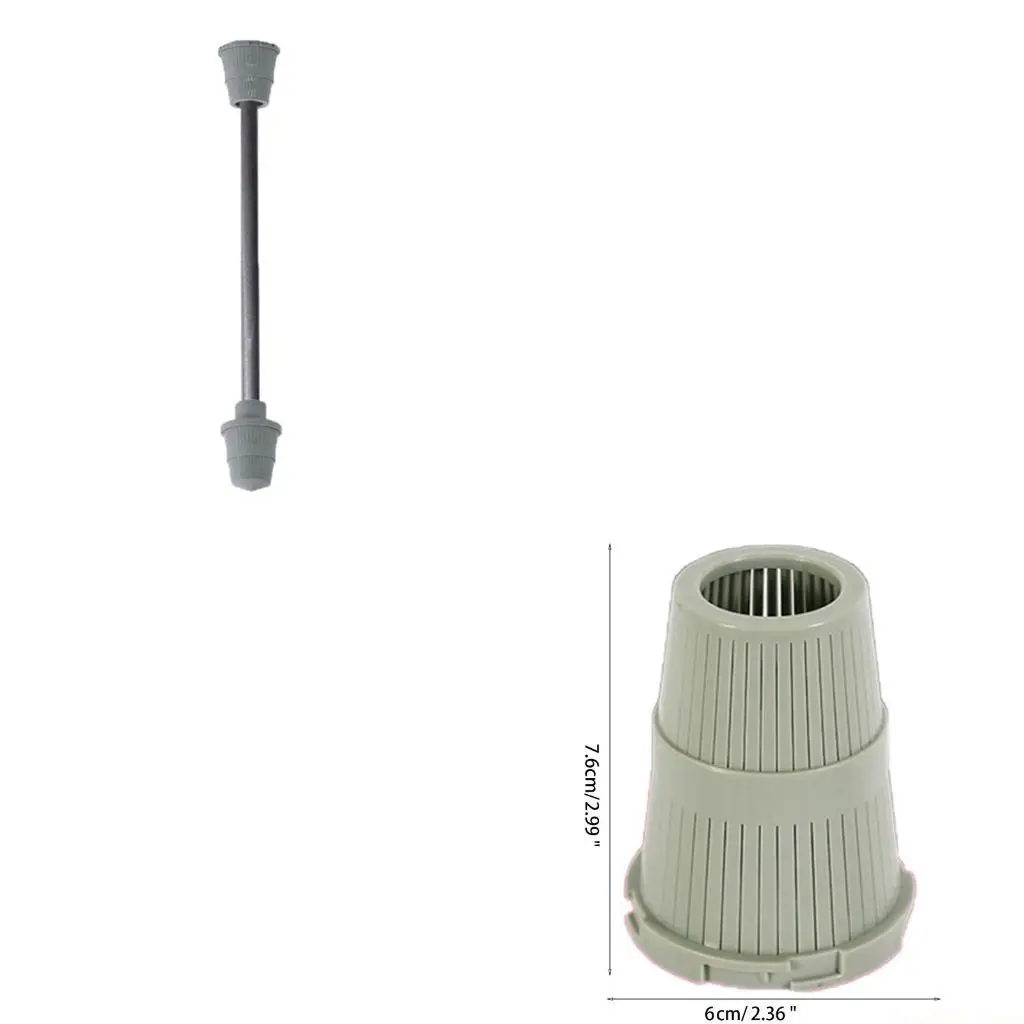
D0AB High Water Softeners Distributor Basket
If you’re repairing or building a softener tank, this top/bottom distributor basket is a critical internal part. At just $5.15, it’s a fraction of the cost of branded replacements. Just make sure you measure your tank opening precisely before ordering.

Scented Rain Shower Head Pre-Filter
This is an interesting concept: a pre-filter that attaches to your shower arm and claims to soften water while adding a scent. At $22, it’s an inexpensive experiment. We’re skeptical of the softening claims, but as a basic sediment and chlorine pre-filter with aromatherapy, it might be a fun addition for some. Manage your expectations.
Frequently Asked Questions
- What is the best water softener system for a whole house?
- For most homes with hard water, a salt-based ion-exchange system is the most effective. Look for NSF/ANSI 44 certified demand-initiated regeneration models from reputable brands. Size it based on your water hardness test results and household water usage.
- Do shower head water softeners really work?
- They work well for reducing chlorine and some impurities, which improves skin and hair feel. However, most don’t remove hardness minerals like calcium. They condition the water at the point of use. For true softening, you need an ion-exchange system.
- How often do I need to add salt to my water softener?
- It depends on your water hardness and usage. A family of four might need to add a 40lb bag of salt every 4-8 weeks. Check your brine tank monthly and keep it at least half full. Don’t let the salt level drop below the water level.
- Can I drink softened water?
- Yes, it’s safe. The sodium increase is minimal—about 12.5mg per 8oz glass for very hard water. If you’re on a strictly low-sodium diet, consider a separate unsoftened line for your kitchen cold tap or using a reverse osmosis system for drinking water.
- What’s the difference between a water softener and a conditioner?
- A softener removes hardness minerals via ion exchange. A conditioner (like TAC systems) changes the mineral structure to prevent scale but leaves them in the water. Softeners give that slippery feel; conditioners don’t. Softeners require salt and a drain; conditioners don’t.
- Are salt-free water softeners effective?
- They are effective at scale prevention for pipes and appliances, but they don’t provide the same benefits as true softening. You won’t get the improved soap lathering or the slick skin feel. They’re a good choice for people who want low maintenance and have moderate hardness.
Final Thoughts
Choosing among the top water softeners comes down to your specific problem. If you’re battling severe scale and want the full benefits of soft water, invest in a whole-house ion-exchange system. For most renters or homeowners focused on improving their shower experience, a quality shower filter like the Philips model we reviewed is the highest-impact, lowest-cost starting point.
Don’t overbuy. Test your water first. And remember, the best system is the one that’s properly sized and maintained for your home. Start with the fix that addresses your biggest pain point—whether it’s crusty faucets or straw-like hair—and you’ll see the difference immediately.
