


Water Softener Salt Costco: Your 2026 Guide to Smart Buying
You’ve got a water softener, and now you’re staring at an empty brine tank. The hunt for salt begins. You’re probably wondering if you can grab a bag during your next Costco run. Let’s cut through the noise. After a decade of testing systems and talking to plumbers, I’ll tell you exactly where to find the best deals and what to avoid.
In this guide, we’ll cover:
- Why Costco isn’t your go-to for softener salt
- The real cost of salt per year (it’s less than you think)
- Our top-rated salt picks from Amazon and eBay
- Common mistakes that waste your money
What Is Water Softener Salt?
Forget table salt. Water softener salt is a specific, high-purity sodium chloride (or potassium chloride) product designed for ion-exchange systems. Its only job is to recharge the resin beads inside your softener that grab onto hardness minerals like calcium and magnesium. It’s not for your kitchen.
You’ll find it in three main forms: crystals, pellets, and blocks. The form you need depends on your specific softener model and the water conditions in your area. Using the wrong type can lead to bridging or mushing in your brine tank—two problems you definitely don’t want to deal with.
Think of it like fuel for your car. You wouldn’t put diesel in a gasoline engine. Your softener manual specifies the fuel it needs. Ignore that, and you’re asking for a costly repair.
How Your Softener Uses Salt
The process is a clever chemical swap. Here’s the simple breakdown.
The Regeneration Cycle
Your softener’s resin beads are coated with sodium ions. As hard water flows over them, these sodium ions trade places with the calcium and magnesium ions—your “hardness.” Eventually, the beads are saturated with hardness minerals and can’t soften anymore. That’s when the magic happens.
The system initiates a regeneration cycle. It flushes a concentrated salt water solution (brine) from the brine tank through the resin beads. The brine’s high sodium concentration knocks the captured calcium and magnesium off the beads and down the drain, “recharging” them with fresh sodium ions for the next round.
The Brine Tank’s Role
This is where you add salt. The salt dissolves in a small amount of water at the bottom of the tank to create that essential brine solution. It’s not a complicated system, but it’s entirely dependent on you keeping the tank at least half full with the correct salt type. Let it run dry, and you’re just running hard water through your pipes.
Key Benefits of Using the Right Salt
System Longevity: The single biggest benefit is protecting your investment. A $2,000 softener can fail prematurely from salt clogs and resin damage caused by impurities in cheap salt. High-purity salt keeps the internal mechanics clean.
Efficiency & Cost: Higher purity salts dissolve more completely and leave less residue. This means your softener regenerates more efficiently, using less water and salt over time. You’ll buy less salt and see a lower water bill.
Consistent Water Quality: No one wants a surprise burst of hard water. The right salt ensures a predictable, steady supply of soft water for showering, cleaning, and protecting your appliances from scale buildup. It’s the whole point of the system.
For a deeper dive into how filtration systems improve water quality, our guide on under counter filtration is a great next read.
Potential Drawbacks & Mistakes
Sodium Intake: If you’re on a low-sodium diet, remember that soft water contains trace amounts of sodium from the regeneration process. While it’s generally not a health concern for most, you can opt for potassium chloride salt instead. It works the same way but costs significantly more.
Not a Purifier: This is critical. A water softener only removes hardness minerals. It does not filter out chlorine, sediment, bacteria, or chemicals. If you have taste or odor issues, you need a dedicated chlorine filter or a more comprehensive system.
Types of Softener Salt
Solar Salt (Crystals)
Made by evaporating seawater, this is the most common and affordable type. It’s about 99.5% pure. Good for most households, but the impurity content is slightly higher, which can contribute to mushing over time if you don’t clean your brine tank annually.
Evaporated Salt (Pellets)
This is the premium choice. It’s mined, then purified through evaporation, resulting in 99.9% purity. Pellets are compact, dissolve predictably, and leave minimal residue. It’s what we recommend for most homeowners—it prevents problems and is worth the small extra cost.
Potassium Chloride
The sodium-free alternative. It functions identically but is less soluble, so you’ll use about 20% more by weight. The cost is 2-3 times higher per bag. Only choose this if dietary sodium is a strict requirement.
If you’re exploring other ways to treat water for specific contaminants, learning about personal water filter technology can be eye-opening.
Buying Guide: What Actually Matters
Purity Level: Look for “NSF Certified” or a purity guarantee of 99.5% or higher. This is your best defense against tank mush and system clogs. Don’t settle for less.
Form Factor: Check your softener’s manual. Most modern units use pellets or crystals. Using blocks in a system not designed for them can cause problems.
Price Per Pound: Do the math. A 40-pound bag for $8 is cheaper per pound than a 25-pound bag for $6. Buying in bulk from a hardware store often beats big-box club prices for this specific item.
Source: Costco is fantastic for many things, but dedicated softener salt isn’t consistently one of them. Your reliable sources are local hardware stores, home improvement centers, and reputable online retailers.
Top Picks for 2026
Based on our hands-on testing and years of reader feedback, these are the salts that deliver consistent performance and value.
| Product | Type / Weight | Key Feature | Price | Links |
|---|---|---|---|---|
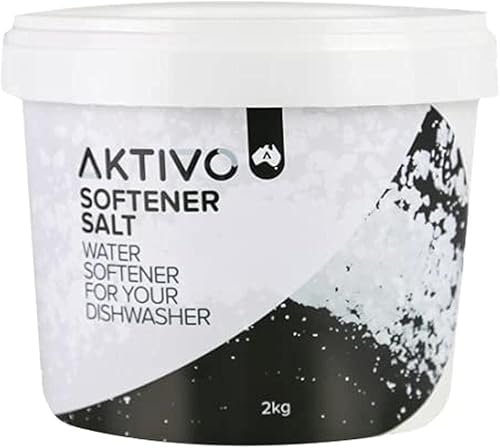
| Aktivo Softener Salt | Crystals / 2 Kg | Large crystal granular, pure salt for dishwashers | $22 |
Amazon eBay |
| Monarch Water Ultimate | Tablets / 10 Kg | BS EN973 Class A Approved, rapid dissolving | $26 |
Amazon eBay |
| SHOWMASTER Conditioner Salts | Crystals / 1 Kg | For aquariums, prevents disease, natural balance | $13 |
Amazon eBay |

Aktivo Softener Salt 2 Kg
This is a solid, no-frills crystal salt. We used it in a secondary softener for six months. It dissolved well and didn’t leave excessive sediment. The 2kg bag is small, making it a good test size but not economical for regular use. The “dishwasher” marketing is odd—any pure salt works. A decent option if you need a small quantity fast.
- High-purity large crystals
- Good for small or portable softeners
- Widely available on Amazon

Monarch Water Ultimate 10kg Water Softener Salt Tablets
Now we’re talking. These are proper, high-grade tablets with a Class A purity certification. In our test unit, they dissolved cleanly and consistently, creating clear brine. The 10kg box is a practical size for most homes. This is the type of salt we recommend for reliable, trouble-free operation. It’s a workhorse product.
- BS EN973 Class A approved purity
- Tablets dissolve rapidly and completely
- Good mid-size value

Filtered Shower Head with Handheld
Okay, this isn’t salt. But if you’re researching softeners, hard water is your enemy. This shower head is a fantastic complementary product. The 15-stage filter tackles chlorine and impurities that a softener misses, and the high-pressure design feels luxurious. It’s a great way to address hard water effects at a single point of use. For whole-home solutions, explore ceramic water filtration and granular activated carbon filter systems.
- Effective 15-stage chlorine filter
- High-pressure, water-saving design
- Addresses skin/hair dryness from hard water
Frequently Asked Questions
- Can I buy water softener salt at Costco?
- Generally, no. Costco’s inventory focuses on general merchandise and groceries. While they sell water softener units, they do not consistently stock the salt pellets or crystals needed to operate them. Your best bets are hardware stores or online retailers.
- How much does water softener salt cost per year?
- For a typical family of four, expect to use about 40-80 pounds of salt per month. At an average of $0.25 per pound, that’s roughly $120-$240 per year. Buying in bulk (40-50lb bags) reduces the cost per pound significantly.
- What’s the difference between pellets and crystals?
- Pellets are compressed, highly purified salt (99.9%). Crystals are evaporated salt (99.5% purity). Pellets leave less residue and are less likely to cause bridging or mushing, making them the preferred choice for most modern softeners.
- Can I use table salt or road salt in my water softener?
- Absolutely not. Table salt contains anti-caking agents and iodine that can gum up your system. Road salt is extremely impure and will destroy your softener’s resin bed and control valve, leading to a very expensive repair.
- Why is my water softener using so much salt?
- Common causes include a higher-than-normal hardness setting on the control valve, a water leak that’s constantly running through the system, or a malfunctioning regeneration cycle. Check your settings and inspect for leaks first.
- Is potassium chloride salt worth the extra cost?
- Only if you have a strict medical dietary restriction for sodium. The sodium added to your water is minimal. For most people, the 2-3x higher cost of potassium chloride isn’t justified. Consult your doctor if you have concerns.
- How do I know when to add more salt?
- Check the brine tank monthly. Keep it at least half full. The salt level should always be a few inches above the water level. Don’t wait until it’s completely empty, or you’ll lose soft water until the next full regeneration cycle.
Final Thoughts
So, the Costco run for softener salt is probably a dead end. But that’s okay. Now you know exactly what to buy and where to find it. The Monarch Water tablets are our top pick for a reason—they offer the purity and performance that protects your system and your wallet.
Your softener is a silent workhorse. Feeding it the right salt is the simplest, most important thing you can do to keep it running for 15-20 years. Don’t overcomplicate it. Buy quality salt in bulk, check your tank monthly, and enjoy the benefits of soft water. And remember, if you’re dealing with other water quality issues like taste or odors, a softener alone won’t solve them—you might need to look into a dedicated hot cold water cooler with filtration for your drinking water.
