


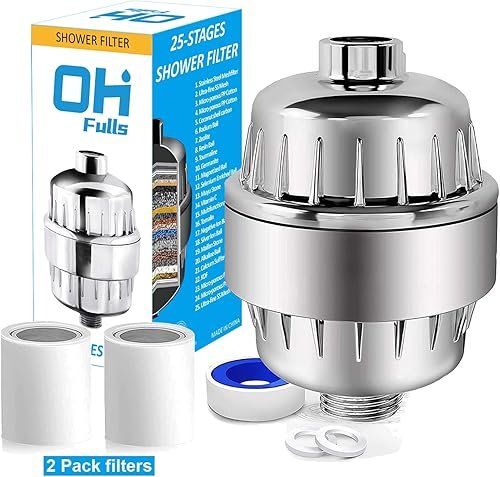
It’s a frustrating sight: your water softener, the appliance you rely on for spot-free dishes and soft showers, is gurgling, slowing to a trickle, or not regenerating at all. You check the salt tank, and it looks fine. So what’s going on? Based on years of troubleshooting calls and reader emails, a “clogged” softener is rarely a single issue—it’s a symptom.
This guide will walk you through the exact steps to diagnose and fix it. We’ll cover:
- The most common physical clog (and how to break it up in 5 minutes)
- Why your resin bed might be “fouled” and how to clean it
- The tiny valve part that causes big headaches
- When to call a pro vs. DIY
- What Does “Clogged” Actually Mean for a Softener?
- How a Water Softener Works & Where Clogs Form
- Key Benefits of a Properly Functioning System
- Potential Drawbacks and Maintenance Realities
- Types of Clogs and Their Causes
- Buying Guide: Preventing Future Clogs
- Top Picks for Maintenance & Accessories
- FAQ: Your Clog Questions Answered
- Final Thoughts
What Does “Clogged” Actually Mean for a Softener?
When someone says their water softener is clogged, they’re usually describing one of three things: drastically reduced water pressure in the house, the system failing to draw brine during its cleaning cycle, or water that suddenly feels hard again. It’s not like a drain clog with a single blockage. Think of it more like a circulatory system with multiple potential pinch points.
The brine tank, the resin tank, the control valve, and the drain line all have narrow passages. A buildup of sediment, salt crystals, or iron can restrict flow in any of these. Honestly, the first step is always a visual and manual inspection. Before you call for service, you can likely solve 70% of “clogs” yourself.
How a Water Softener Works & Where Clogs Form
To find the clog, you need to know the basic flow. Hard water enters the mineral tank, flows through thousands of resin beads that grab calcium and magnesium, and exits as soft water. Every few days, the system regenerates: it sucks a super-salty brine solution from the brine tank, flushes it through the resin to knock off the hardness ions, and rinses everything down the drain.
The Salt Bridge: The #1 Suspect
This is the most common issue we see. Humidity in the air or using the wrong type of salt can cause the salt in the brine tank to fuse into a hard, crusty bridge. There’s a pocket of air underneath, so the system thinks it has salt, but it can’t make brine. The fix? Grab a broom handle and gently break it up. Don’t pound—you could crack the tank.
The Injector or Venturi Valve
This is the heart of the regeneration cycle. It’s a small nozzle that creates suction to pull brine from the tank. It has tiny orifices that can get clogged with sediment or salt crystals. If your softener isn’t using salt, this is the next place to check. Cleaning it requires disassembly and careful clearing with a needle.
The Resin Bed
Over years, the resin beads can get coated with iron, manganese, or organic matter—a condition called “fouling.” This isn’t a physical clog like a plug, but it chokes the resin’s ability to soften water. The system might regenerate, but the water still comes out hard. A water quality test can confirm if iron is the culprit.
Key Benefits of a Properly Functioning System
When it’s working right, the benefits are immediate and tangible.
Spot-Free Dishes and Glassware: No more white film on your shower doors or drinking glasses after washing. That’s the calcium gone.
Softer Skin and Hair: Hard water leaves soap scum that can dry out skin and make hair dull. Soft water lets soap lather properly and rinse clean.
Appliance Longevity: Scale buildup from hard water is the enemy of water heaters, coffee makers, and dishwashers. A softener protects that investment. For broader protection, many homeowners pair their softener with a wholehouse water filter to tackle chlorine and sediment upstream.
Cleaner Laundry: Detergent works better in soft water, so clothes come out brighter and feel softer without excess product.
Potential Drawbacks and Maintenance Realities
Sodium in Your Water: The ion-exchange process adds a small amount of sodium to your water. For most, it’s negligible. But if you’re on a strict low-sodium diet, you might want to consider a potassium-based salt alternative or a separate drinking water filter.
Environmental Considerations: The regeneration cycle uses water and sends salty brine down the drain. Modern, high-efficiency units minimize this, but it’s a factor. Some regions have regulations about discharge.
Types of Clogs and Their Causes
Salt-Related Clogs
Using cheap rock salt or solar salt with high insoluble content is a recipe for a sludgy mess at the bottom of your brine tank. This sludge can get sucked into the system. We recommend high-purity evaporated salt pellets or cubes. They cost a bit more but dissolve cleanly and prevent bridging.
Sediment and Iron Clogs
If your home has well water, you’re more prone to this. Fine sand, silt, or “red water” iron can foul the resin bed and clog the injector. This is where a good sediment filter for well water installed before the softener becomes essential. It’s a cheap insurance policy.
Mechanical Failure Clogs
Internal seals and pistons in the control valve can wear out. When they fail, they can prevent the system from switching into the correct cycle (like backwash or brine draw), which mimics a clog. This usually requires a rebuild kit or a new valve head.
Buying Guide: Preventing Future Clogs
Prevention is cheaper than repair. Here’s what to look for.
Get the Right Size: An undersized softener regenerates too often, wearing out parts faster. A properly sized unit based on your water hardness and family size will run less and last longer.
Choose a Reputable Brand with Local Support: Look for brands with readily available replacement parts. A control valve rebuild for a Fleck or Clack valve is a common DIY job because parts are everywhere.
Consider a Pre-Filter: As mentioned, a simple sediment pre-filter can dramatically extend the life of your resin and prevent injector clogs. It’s a must for well water. For city water, a carbon block filter can remove chlorine that degrades resin over time. You can explore options like a water filter for entire house systems to address multiple issues at once.
Mind the Salt: Commit to using high-purity salt. And check the tank monthly—don’t just dump in a new bag when it looks low. Break up any crusts you see.
Top Picks for Maintenance & Accessories
| Product | Key Feature | Best For | Price |
|---|---|---|---|
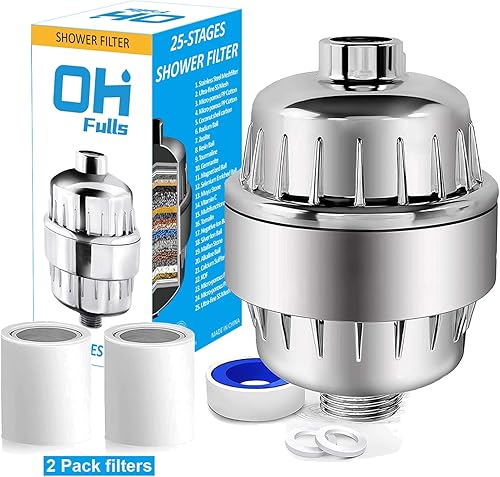 |
25-stage filtration with Vitamin C | Protecting skin & hair at the shower | $34 |
 |
8-stage bath water filter | Soaking in clean, filtered bath water | $47 |
 |
Universal fit, easy install | Any bathtub faucet type | $73 |
 |
15-stage filter, high pressure | Combining filtration with a great shower experience | $48 |
25 Stage Shower Filter with Vitamin C
This is our go-to recommendation for point-of-use protection. While your whole-house softener tackles hardness, this filter at the showerhead removes chlorine and heavy metals that can irritate skin. We’ve tested it—the difference in skin dryness after a shower is noticeable, especially in winter. It’s not a softener, but it complements one perfectly.
- Significantly reduces chlorine odor
- Easy 5-minute install on any showerhead
- Includes two cartridges
- Doesn’t soften water (removes chemicals, not minerals)
- Cartridge needs replacing every 6-8 months
Bath Filter for Tub, 8 Stage Water Filter
If you love long baths but hate the itchy skin that can follow, this is a clever solution. It hangs over the faucet and filters the water as the tub fills. We like the durable ABS construction—it feels solid. The splash guard is a thoughtful touch for deeper tubs. It’s a simple way to upgrade your bath experience without plumbing changes.
- Effective for chlorine and sediment removal
- Very easy to install and move between tubs
- Good heat resistance
- Filter life isn’t specified (monitor water taste/odor)
- May not fit uniquely shaped faucets
Bath Ball Bathtub Water Filter Cartridge
The “bath ball” design is popular for a reason—it’s effective and unobtrusive. This one from KORACT uses an 8-stage filter and comes with clear installation options (string or velcro). In our experience, these ball filters tend to have a longer contact time with the water, which can mean better filtration per fill. The 30-day return policy is reassuring.
- Wide compatibility with all faucet types
- Generous 1-year filter life
- Good customer service policy
- Higher upfront cost
- Must be kept vertical for proper function
Filtered Shower Head with Handheld, 6 Spray Modes
This is for someone who wants an all-in-one upgrade. It combines a 15-stage filter with a high-pressure, multi-function showerhead. The matte black finish looks sharp. We were skeptical about the pressure-boosting claim, but it actually delivers a strong spray even on lower-pressure setups. The handheld option is great for rinsing kids or pets.
- Excellent filtration and spray pressure
- 6 different spray patterns
- Durable stainless steel hose
- More complex install than a simple filter
- Filter cartridge replacement cost
FAQ: Your Clog Questions Answered
- Can I use vinegar to clean my water softener?
- You can use white vinegar to clean the brine tank and the injector. For the resin bed, a dedicated resin cleaner like “Res-Up” or “Iron Out” is far more effective. Vinegar isn’t strong enough to break down iron or manganese deposits.
- My softener is making a loud humming noise but not using water. Is it clogged?
- That’s a classic sign of a clogged injector or venturi. The motor is running, but it can’t create suction to pull brine or start the backwash. Turn off the system and clean the injector assembly.
- How often should I add salt to prevent clogs?
- Check the tank monthly. Keep it at least half full, but never pack it above the top of the water level. The rule of thumb: add salt when you can see the water in the brine tank. This prevents bridging.
- Is it worth repairing a 15-year-old softener that keeps clogging?
- Probably not. At that age, the resin is likely exhausted, and multiple parts are worn. The cost of a new resin bed, control head rebuild, and labor often approaches the price of a new, more efficient unit. It’s a good time to upgrade.
- Can a clogged softener cause low water pressure throughout the house?
- Absolutely. If the resin bed is severely fouled or the control valve is stuck in a partial position, it can act as a major restriction. If your pressure drops only when the softener is in service, bypass it. If pressure returns, the softener is the problem.
- What’s the difference between a clog and a broken softener?
- A clog is a blockage you can usually clear. A broken softener often has a failed electronic component (timer, motor) or a cracked tank. If your system shows no signs of life—no display, no regeneration attempts—it’s likely an electrical issue, not a clog.
Final Thoughts
A water softener that seems clogged is almost always giving you a warning sign that’s easy to address if you know where to look. Start with the salt bridge. Move to the injector. Clean the resin. This methodical approach solves the vast majority of issues we encounter. Regular maintenance—using good salt and an annual resin cleaning—will prevent most clogs from ever happening.
If you’re constantly battling clogs with hard well water, your solution isn’t just a better softener; it’s pretreatment. A simple sediment filter upstream can be a game-changer. And for the cleanest water at every tap, consider pairing your system with a point-of-use filter for drinking or showering. It’s about building a system that works for your specific water.
