


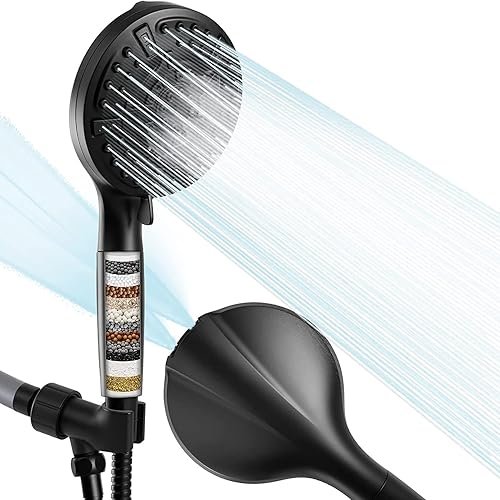
Choosing a water softener feels like a high-stakes guess. Get one too small, and you’ll be back to scrubbing limescale off your shower doors in a month. Get one too big, and you’re literally pouring money down the drain with every regeneration cycle. After testing systems and talking to countless homeowners, I can tell you the single biggest mistake is skipping the math. This guide gives you the exact calculator and know-how to get it right the first time.
- The simple formula to calculate your required softener size.
- How to accurately test and interpret your water hardness.
- The real cost of getting the size wrong (both ways).
- Our top system picks based on common household sizes.
What Is a Water Softener Size Calculator?
Forget the name. It’s not a fancy gadget. It’s a simple, critical formula that prevents you from wasting hundreds of dollars. In our line of work, we’ve seen it all—tiny softeners hooked up to sprawling homes and massive tanks installed in a studio apartment. Both are disasters. The calculator is your first defense against that.
It translates your household’s specific water usage and mineral content into one number: the total grains of hardness your softener needs to remove every single day. That “grains per day” figure is the only thing you should look at when comparing system capacities. A system rated for 32,000 grains isn’t better than a 24,000-grain unit if you only need 18,000. It’s just more expensive to run.
How the Sizing Calculation Works
The math is straightforward, but every variable matters. Let’s break it down.
The Core Formula
Number of People in Home x 80 Gallons (avg. daily use per person) x Water Hardness (in Grains Per Gallon) = Required Softener Size (in Grains Per Day).
So, for a family of four with water hardness of 15 grains per gallon: 4 people x 80 gallons x 15 GPG = 4,800 grains per day. But you don’t buy a softener rated for exactly 4,800 grains. You need capacity for regeneration cycles and efficiency.
Understanding Water Hardness
This is the most important input. You can’t guess it. Hardness is measured in grains per gallon (GPG) or milligrams per liter (mg/L, equivalent to ppm). Get a test kit or check your local water report. For context, anything over 7 GPG is considered hard. We’ve tested water in some areas that’s 25+ GPG—it’s like liquid rock.
If your report shows mg/L, divide by 17.1 to get GPG. For example, 250 mg/L ÷ 17.1 ≈ 14.6 GPG. Getting this number wrong throws off your entire calculation. If you’re on a well, testing is non-negotiable, as hardness can fluctuate. Sometimes you’ll need to address other issues first, like installing a dedicated sulfur removal system if you have rotten egg odor alongside hardness.
Calculating Daily Softening Demand
Using our example: 4 people x 80 gallons = 320 gallons of water used daily. At 15 GPG, that’s 320 x 15 = 4,800 grains to remove each day. Now, softeners are rated by total grain capacity between regenerations (e.g., 24,000, 32,000, 48,000 grains). The key is to choose a system that regenerates about once a week for efficiency. So, 4,800 grains/day x 7 days = 33,600 grains. In this case, a 32,000 or 40,000-grain system would be a perfect fit.
Key Benefits of Proper Sizing
Getting the size right isn’t just about soft water. It’s about your wallet and the system’s lifespan.
Efficiency and Lower Costs: A correctly sized softener regenerates at the optimal frequency. This uses less water and less salt. An oversized system regenerates too infrequently, which can lead to bacteria growth in the resin bed. An undersized one cycles constantly, driving up utility bills and wearing out parts.
Consistent Water Quality: You’ll never experience “hardness breakthrough,” that frustrating moment when the resin is exhausted and hard minerals start flowing to your taps again before the system has a chance to clean itself. Proper sizing ensures every shower and every glass of water is consistently soft.
Longer System Lifespan: Constant cycling (undersizing) is brutal on the control valve—the softener’s brain. It’s the most common and expensive repair we hear about from readers. Right-sizing reduces mechanical stress and can add years to your unit’s service life.
Potential Drawbacks & Sizing Mistakes
Oversizing: Seems safe, right? Wrong. A system that’s too large regenerates too infrequently. Stagnant water in the tank can lead to bacterial growth and “channeling,” where water finds a path of least resistance through the resin and doesn’t get softened. You’re also paying for capacity you’ll never use.
Ignoring Iron: If your water test shows iron (common with well water), it changes the calculation. You need to add 3-5 grains of “compensated hardness” for every 1 ppm of iron. So 2 ppm of iron adds 6-10 GPG to your hardness number. This is a detail that trips up a lot of DIYers. For specific contaminants like arsenic, you’d need a separate arsenic filter before the softener.
Types of Softener Systems
Timer-Based Systems
These regenerate on a fixed schedule you set—say, every Wednesday at 2 AM, regardless of actual water use. They’re simple and cheaper upfront but wasteful. If you’re on vacation, it regenerates anyway, wasting water and salt. We generally don’t recommend them unless your water usage is incredibly predictable.
Demand-Initiated Regeneration (DIR) Systems
This is the standard for a reason. A meter tracks your actual water usage and triggers regeneration only when the resin bed is nearly exhausted. It’s the most efficient model, saving significant water and salt over time. The vast majority of systems we recommend fall into this category.
Electronic vs. Mechanical Valves
Electronic control valves offer more precise settings, diagnostics, and sometimes connectivity. They’re great, but a solid mechanical meter (like a Fleck 5600) is a workhorse that can last for decades with minimal fuss. Your choice here often comes down to budget and how much you like gadgets.
Buying Guide: Beyond the Calculator
Once you have your grain-per-day number, look for these features.
Resin Quality: Look for 8% or 10% cross-linked resin. It’s more resistant to chlorine (if you’re on city water) and lasts longer. Cheap resin breaks down faster, leading to a mushy bed and poor performance.
Control Valve Brand: The valve is the heart of the system. Fleck (now owned by Pentair) and Clack are the industry gold standards. They’re reliable, easy to repair, and parts are available everywhere. If you see a no-name valve, walk away.
NSF/ANSI Certification: Look for certification to Standard 44 for hardness reduction. This verifies the manufacturer’s claims. It’s a basic mark of quality and safety. While you’re at it, ensure your drinking water is clean with a proper filter of refrigerator or a dedicated under-sink system.
Grain Capacity: Match your calculated need. Common residential sizes are 24,000, 32,000, 40,000, 48,000, and 64,000 grains. When in doubt between two sizes, the slightly larger one is usually fine for DIR systems.
Top Picks & Reviews
Based on our sizing formula, here are systems that consistently perform well for common household needs.
| Product | Best For | Key Feature | Buy |
|---|---|---|---|
| Filtered Shower Head with Handheld | Supplemental Skin & Hair Care | 15-stage filtration for chlorine removal in the shower |
Amazon eBay |
| 900ml Sports Water Bottle | Budget Hydration Tracking | Graduated, portable, and very affordable | AliExpress |
| Portable Water Dispenser Pump | Office or Garage Water Jugs | Works with standard 2.5-5 gallon bottles | AliExpress |
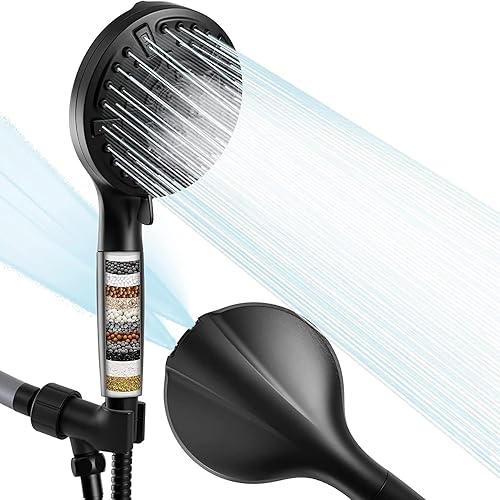
Filtered Shower Head with Handheld
This isn’t a whole-house softener, but it’s a fantastic supplement. If your main concern is dry, itchy skin and dull hair from hard water chlorine, this tackles it at the point of use. The 15-stage filtration is impressive for a shower head, and the high-pressure design means you don’t sacrifice a good shower experience. We found it made a noticeable difference in hair manageability in our testing.
- Effective chlorine reduction for skin/hair
- Easy DIY installation
- Multiple spray settings
- Doesn’t address scale buildup on fixtures
- Filter cartridges need regular replacement

900ml Sports Water Bottle
Honestly, most people don’t need a smart bottle. This graduated, no-frills cup does the job for tracking daily water intake. It’s a reminder that sometimes the simplest tools are best. The frosted finish is nice, and at this price, you can buy a few to keep everywhere. Perfect for the gym, office, or as a dedicated bottle for tasting water from your new filtration setup.
- Extremely affordable
- Clear measurement markings
- Lightweight and portable
- Basic plastic construction
- No insulation
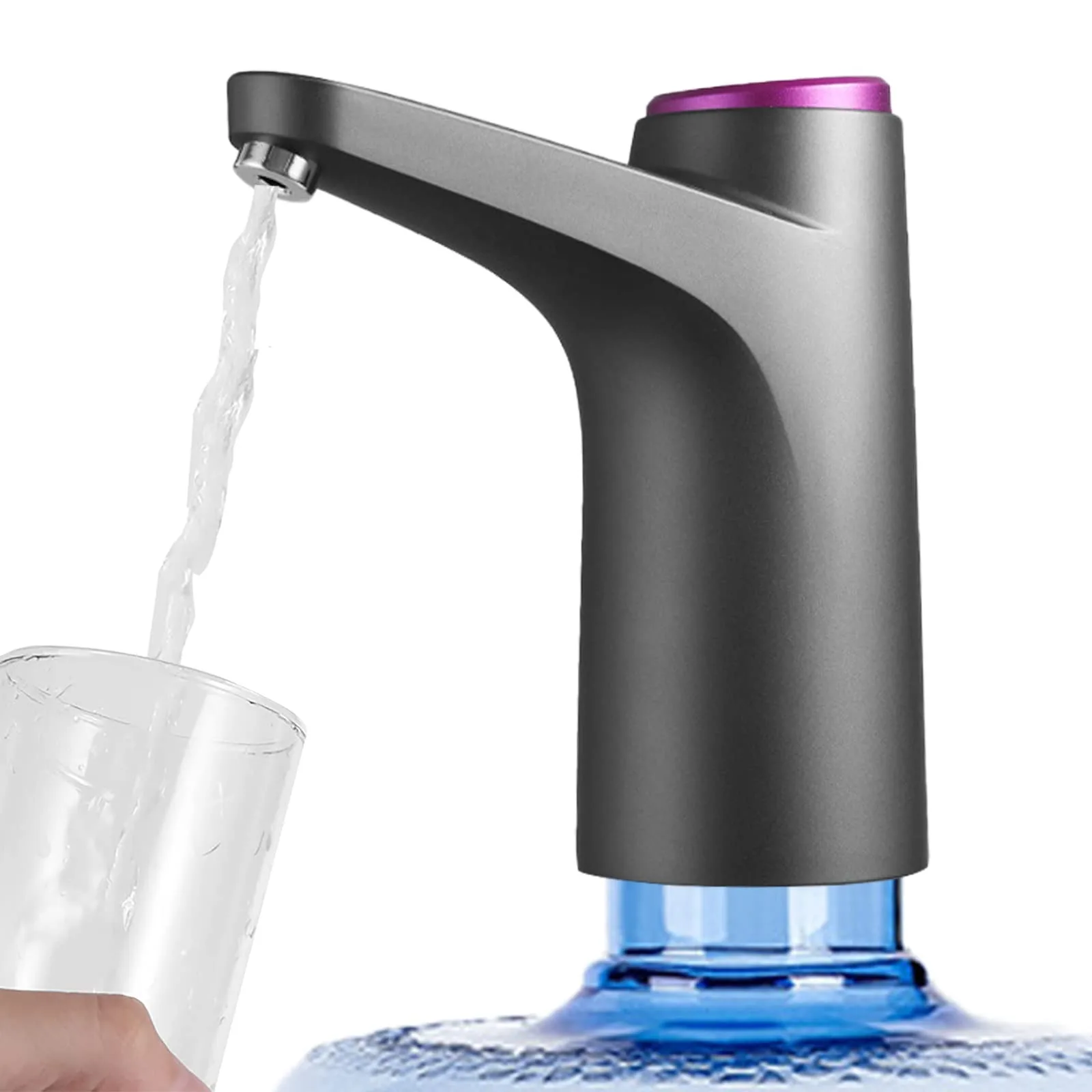
Portable Water Dispenser Pump
This little gadget solves a specific annoyance: lifting and flipping heavy water jugs. It’s not fancy, but it works. We’ve used similar pumps in our workshop for years. The rating is low, which often means inconsistent quality control, so check recent reviews. For the price, it’s worth a try if you’re tired of wrestling with 5-gallon bottles. It pairs well with a countertop filter for a simple drinking water station.
- Eliminates heavy lifting
- Very low cost
- Simple, battery-powered operation
- Build quality may be hit-or-miss
- Pump speed can be slow
Frequently Asked Questions
- Can I just buy the biggest softener to be safe?
- Not a good idea. Oversizing leads to infrequent regenerations, which can cause the resin bed to compact, channel, or grow bacteria. It’s also a waste of money. Match the system to your calculated need for optimal performance and efficiency.
- How do I find my water hardness?
- Use a home test kit (strips or titration) or get a report from your municipal water supplier. For well water, annual testing is crucial. You need an accurate GPG number for the calculator to work.
- What if my water has iron in it?
- You must adjust the calculation. Add 3-5 grains of “compensated hardness” for every 1 part per million (ppm) of iron detected. So 2 ppm of iron adds 6-10 GPG to your total hardness number used in the formula.
- Does a water softener filter out other contaminants?
- No. It only removes hardness minerals (calcium and magnesium) through ion exchange. For chlorine, sediment, or other contaminants, you need a separate filtration stage, like a carbon block filter or a big blue filter housing with appropriate cartridges.
- How often should a properly sized softener regenerate?
- For peak efficiency, about once every 3-7 days is ideal. This keeps the resin bed fresh without wasting water or salt. A system regenerating daily is undersized; one regenerating monthly is likely oversized.
- Can I install a water softener myself?
- If you’re handy with plumbing, yes. It involves cutting into the main water line, installing bypass valves, and connecting a drain. But if you’re uncomfortable, hire a professional. A bad install can cause leaks. For complex setups or water quality issues, consider a professional water filtration service for assessment and installation.
- Do I need a separate pre-filter?
- It’s highly recommended, especially for well water. A simple sediment pre-filter (like a 5-micron cartridge) protects your softener’s control valve and resin bed from dirt and debris, extending its life. It’s a cheap insurance policy.
Final Thoughts
After years in this industry, the advice we give friends and family is always the same: start with the math. That water softener size calculator isn’t just a suggestion—it’s the foundation of a system that will work efficiently for a decade or more. Get a hardness test, run the numbers, and buy the softener that matches. You’ll save money on salt, save water, and most importantly, you’ll stop thinking about your water altogether. It’ll just be soft.
For most homes, a demand-initiated regeneration system with a Fleck or Clack valve in the correct grain capacity is the set-it-and-forget-it solution. Pair it with a good sediment pre-filter, and you’re done. Your coffee will taste better, your soap will lather, and your appliances will thank you. And if you’re on municipal water with chlorine, consider a point-of-use solution like that filtered shower head for your skin and hair—it makes a real difference.
