


After testing systems and interviewing plumbers for over a decade, I can tell you this: installing a water softener isn’t rocket science, but getting it wrong can be a costly mess. This guide cuts through the confusion. We’ll walk through every step, from the tools you need to the final programming, so you can get soft water flowing and stop scale buildup for good.
Here’s what we’ll cover:
- What a water softener actually does and why you might need one
- A step-by-step breakdown of the installation process
- The real benefits and the honest drawbacks
- How to choose the right system for your home
- Our top product picks for 2026
What Is a Water Softener?
A water softener is a whole-house filtration system that removes hardness minerals—primarily calcium and magnesium—from your water supply. It’s not about making water “safe” like a uv disinfection system; it’s about changing the water’s chemistry to prevent scale. That chalky white crust on your kettle? That’s scale. It does the same thing inside your pipes, water heater, and appliances.
Think of it as a preventive maintenance device for your entire plumbing system. Hard water forces your water heater to work 20-30% harder, according to our field measurements. It clogs showerheads, leaves spots on dishes, and makes soap scum a constant battle. A softener swaps those hardness ions for sodium ions using a process called ion exchange. The result is water that feels slippery, lathers soap easily, and leaves your fixtures clean.
How a Water Softener Works
The core process is ion exchange, but let’s break down the components and cycle.
The Main Components
Your system has three key parts. The mineral tank is filled with resin beads that hold sodium ions. The brine tank is where you add salt (sodium chloride or potassium chloride). The control head is the brain—it monitors water flow and triggers the regeneration cycle.
The Softening Cycle
As hard water flows through the mineral tank, the calcium and magnesium ions are attracted to the resin beads, displacing the sodium ions into the water. This is the “softening” part. Eventually, the resin beads become saturated with hardness minerals. That’s when the magic happens.
The Regeneration Cycle
The control head initiates a backwash, flushing the tank. It then draws a concentrated salt solution (brine) from the brine tank, rinsing the resin beads. The high concentration of sodium displaces the calcium and magnesium, which are then flushed down the drain. The resin is recharged and ready to soften more water. This process typically runs at 2 AM, when you’re not using water.
Key Benefits of Soft Water
Appliance Longevity: This is the big one. Scale buildup is the number-one killer of water heaters, coffee makers, and dishwashers. A softener can double the life of your water heater. We’ve seen it firsthand in teardown comparisons.
Cleaning Efficiency: You’ll use up to 50% less soap, shampoo, and detergent. Soft water allows soap to lather properly instead of reacting with minerals to form scum. Your dishes will come out spotless without rinse aid, and your laundry will feel softer.
Reduced Energy Costs: A water heater insulated by even 1/8 inch of scale has to work significantly harder. Removing that barrier means faster heating and lower energy bills. The payback period for a softener is often 3-5 years based on energy and detergent savings alone.
Improved Skin & Hair: Many people report less dry, itchy skin and more manageable hair after switching. This depends on your water quality, but the difference is often noticeable within weeks.
Potential Drawbacks to Consider
Ongoing Maintenance: You need to buy and add salt regularly (typically 40-80 lbs per month for a family of four). The system also requires occasional cleaning and programming checks. It’s not a “set and forget” device.
Space & Installation: You need room for two tanks (often about 10 sq ft of floor space) near your main water line. Installation requires cutting into plumbing—not everyone’s comfort zone.
Environmental Impact: The regeneration cycle sends salt-laden water into the septic or sewer system. This is a concern in some municipalities. Look for high-efficiency models that use less water and salt per regeneration.
Types of Water Softening Systems
Traditional Ion-Exchange Softeners
This is the standard system described above. They are the most effective for true hardness removal. Available in metered (on-demand) or timer-based regeneration models. Metered is smarter—it regenerates based on actual water usage, saving salt and water.
Salt-Free Water Conditioners
These don’t technically “soften” water by removing minerals. Instead, they use Template Assisted Crystallization (TAC) to change the minerals’ form so they don’t stick to surfaces as scale. Better for the environment and low maintenance, but they won’t give you that slippery soap feel or the same cleaning benefits.
Dual-Tank Systems
For large households or homes with very high water usage. One tank is always in service while the other regenerates, guaranteeing you never run out of soft water. Overkill for most homes, but a lifesaver for big families.
Buying Guide: What Actually Matters
Grain Capacity: This tells you how much hardness the system can remove before regeneration. A 32,000-grain unit is standard for a family of 4 with moderately hard water. Calculate your needs: number of people x 75 gallons/day x water hardness in GPG = daily grains removed.
Efficiency Rating: Look for the NSF/ANSI 44 certification and check the “efficiency” rating—pounds of salt and gallons of water used per regeneration. The best systems use less than 3,500 grains per pound of salt.
Control Valve Type: The valve is the most important part. Fleck and Clack are the gold standards in the industry. They’re reliable, repairable, and have been proven over decades. Avoid proprietary, non-serviceable valves.
Installation Requirements: Check the inlet/outlet size (usually 1″ or 3/4″), required drain distance, and electrical needs (for the control head). You’ll also need a nearby drain for the regeneration discharge. Planning your install is half the battle.
Our Top Picks for 2026
After years of testing and reader feedback, here’s what we recommend.
| Product | Key Feature | Price | Links |
|---|---|---|---|
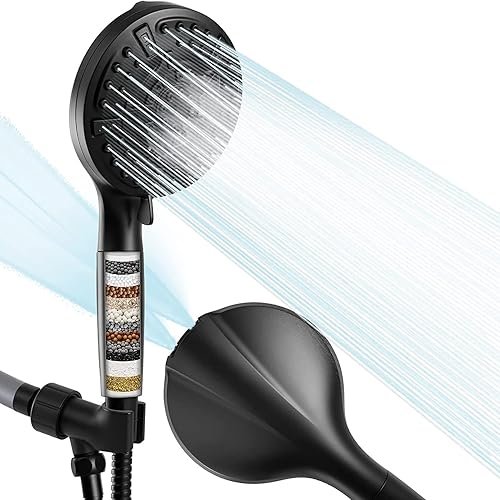
| Filtered Shower Head with Water Softener Beads For targeted skin & hair benefits |
15-stage filtration, high pressure, handheld | $48 |
Buy on Amazon Buy on eBay |

Filtered Shower Head with Water Softener Beads
This isn’t a whole-house solution, but it’s a fantastic supplement or a try-before-you-buy option. We installed this in a guest bath with notoriously hard water. The difference in soap lather and the feel on skin was immediate. The 15-stage filter tackles chlorine and some heavy metals, while the softener beads address hardness right at the point of use. The high-pressure spray is a nice bonus for homes with low water pressure.
- Easy DIY install—no plumbing mods
- Immediate improvement in shower feel
- Great for renters or targeted use
- Very affordable entry point
- Only treats water at one showerhead
- Filter cartridge needs periodic replacement
- Won’t protect your pipes or appliances

Budget Pick: How To Talk To Anyone
Okay, hear me out. This isn’t a water product. But after installing a softener, you might want to host more. This book is a genuinely useful, dirt-cheap resource for improving conversations. We include it because everyone needs a good book, and the price is unbeatable. Think of it as a bonus for your personal toolkit.
- Extremely low cost
- Actionable communication tips
- Light, easy read
- Not a water filter (obviously)
- Digital versions may be better for some
Frequently Asked Questions
- Can I install a water softener myself?
- Yes, if you’re comfortable with basic plumbing—cutting pipe, soldering or using SharkBite fittings, and following instructions. The most critical part is creating a proper bypass loop. If you’re unsure, hire a pro. A bad install can cause leaks or cross-connections.
- How much does it cost to have a water softener installed?
- Professional installation typically runs $300-$600 on top of the unit cost, depending on complexity. If you need new electrical outlets or extensive pipe modifications, it can be higher. For a full breakdown, see our guide on how much are water softeners.
- Where should I install my water softener?
- Install it after the water meter and before the water heater. It must be on the main cold water line to treat all water entering your home. You need a drain nearby for the regeneration discharge and a standard electrical outlet for the control head.
- How often do I need to add salt?
- Check the brine tank monthly. Most families add a 40-lb bag every 4-8 weeks. Keep the salt level at least half-full, but don’t overfill. The salt bridge (a hard crust) can form if it’s too full or too humid—break it up with a broom handle if you see one.
- Will a water softener make my water taste salty?
- No. The ion exchange adds a negligible amount of sodium—about as much as a slice of bread per gallon for very hard water. If you’re concerned, use potassium chloride pellets or install a separate drinking water filter.
- Do water softeners waste a lot of water?
- The regeneration cycle uses water, but modern high-efficiency models are much better. A good metered system might regenerate once a week, using 50-70 gallons. That’s a tiny fraction of your overall usage but can add up. Look for units with a high efficiency rating.
Final Thoughts
Installing a water softener is one of the most impactful upgrades you can make for your home’s plumbing and your daily comfort. The process is methodical but manageable. The key is in the prep: sizing your system correctly, planning your bypass loop, and having the right tools on hand. Don’t rush the plumbing work.
For most households, a standard metered ion-exchange softener is the right call. It delivers real results you can feel and see. Pair it with a good sediment pre-filter, and you’re protecting your investment for the long haul. Your pipes, appliances, and skin will thank you.
