


How to Install a Water Softener: A Plumber’s Guide for 2026
After testing water softeners for over a decade and crawling through countless utility closets, I can tell you this: the system you buy matters less than how you install it. A poorly installed premium unit will underperform a well-installed budget model every time. This guide cuts through the marketing fluff and gives you the real-world steps, tools, and pitfalls we’ve learned from professional plumbers and our own trial-and-error.
- What a water softener actually does (and doesn’t do)
- The step-by-step installation process, with pro tips
- Key benefits and honest drawbacks
- How to choose the right system for your home
- Our top product picks for different needs
What Is a Water Softener?
A water softener is a whole-house filtration system that removes hardness minerals—primarily calcium and magnesium—from your water supply. It’s not a generic filtered water tap for drinking; it treats every drop of water entering your home. The difference is dramatic. Hard water leaves scale on fixtures, ruins water heaters, and makes soap scum a constant battle.
We define “hard water” as anything above 3.5 grains per gallon (GPG). Many homes in certain regions test at 10-20 GPG. At those levels, you’ll see visible scale on shower doors within weeks. A softener uses an ion-exchange process to swap those hardness ions for sodium or potassium ions, leaving your water “soft.”
How a Water Softener Works
The core process is simple chemistry, but the engineering is clever. Let’s break it down.
The Ion-Exchange Process
Your softener has a mineral tank filled with tiny resin beads. These beads carry a negative charge, which attracts positively charged calcium and magnesium ions as water flows through. The beads release sodium ions in their place—that’s the “exchange.” This happens continuously until the resin becomes saturated with hardness minerals.
The Regeneration Cycle
This is where the magic happens. The system’s control valve initiates a cleaning cycle, usually at 2 AM when you’re not using water. A concentrated brine solution (from the separate brine tank) flushes through the mineral tank. The high concentration of sodium ions knocks the calcium and magnesium off the resin beads and sends them down the drain. The system then rinses and is ready to soften again. This process uses about 50-100 gallons of water, but it’s critical for performance.
Key Benefits of Softened Water
Protects Your Plumbing and Appliances. Scale buildup inside pipes and water heaters is the number one killer of efficiency. It acts as an insulator, forcing your water heater to work harder. We’ve seen water heater lifespans extended by 5-7 years in homes with softeners. That’s a real cost saving.
Cleaning Becomes Easier. Soap lathers better in soft water. You’ll use less detergent, shampoo, and cleaning products. Shower doors stay clear. Sinks and faucets wipe clean without scrubbing. It’s a noticeable quality-of-life upgrade.
Softer Skin and Hair. This isn’t marketing hype. Hard water minerals deposit on your skin and hair, causing dryness and dullness. Removing them makes a tangible difference—something readers consistently report back to us.
For homes with very specific appliance needs, like a dedicated water filter for an ice maker, a whole-house softener provides the perfect pre-filtered water supply, protecting those sensitive lines from scale.
Potential Drawbacks to Consider
Upfront Cost and Maintenance. A good system isn’t cheap. Expect $600-$2000 for the unit, plus installation. Then there’s ongoing salt (or potassium) and occasional resin replacement (every 10-20 years). It’s an investment, but for most homes with hard water, the appliance protection pays for itself.
Environmental Considerations. The regeneration cycle uses water and discharges brine into the wastewater system. This is a legitimate concern in drought-prone areas. Modern, high-efficiency units minimize this, but it’s a factor to weigh. It’s different from a simple kitchen filter replacement, which has no wastewater.
Types of Water Softening Systems
Traditional Salt-Based Ion Exchange
This is the workhorse we described above. It’s the most effective solution for moderate to very hard water (over 7 GPG). It physically removes hardness minerals. If you have confirmed hard water and want it gone, this is your primary option.
Salt-Free Water Conditioners
These don’t remove minerals. Instead, they use a template-assisted crystallization (TAC) process to change the shape of hardness ions so they don’t stick to surfaces as scale. They’re better described as water conditioner systems for home use. They work well for preventing scale but won’t give you that “slippery” feel or improve soap lather. Good for low-to-moderate hardness or if sodium intake is a major concern.
Dual-Tank or On-Demand Systems
For large families or homes with high water usage. While one tank is in service, the other can be regenerating. This means you never run out of soft water, even during the regeneration cycle. It’s overkill for most, but a lifesaver for a household of 6+.
Buying Guide: What Actually Matters
Grain Capacity. This is the system’s total softening power between regenerations. A 32,000-grain unit is standard for a family of 4. Calculate your needs: multiply your daily water use (about 80 gallons per person) by your water hardness (in GPG) by 7 (days between regenerations). Don’t overbuy—a too-large system can waste salt.
Valve Type. Insist on a metered, on-demand valve. It’s the single biggest upgrade for efficiency. Look for NSF/ANSI 44 certification for performance claims.
Resin Quality. Look for 8% or 10% cross-linked resin. It’s more durable, especially if your water has chlorine (which breaks down lower-quality resin over time). This is a detail many brands gloss over.
Installation Footprint. Measure your space! You need room for the mineral tank, the brine tank, and access for service. You’ll also need a nearby electrical outlet (for the valve) and a drain (for the regeneration discharge).
Our Top Picks for 2026
We’ve tested systems in our lab and installed them in real homes. Here’s what stands out.
| Product | Best For | Key Feature | Price | Links |
|---|---|---|---|---|
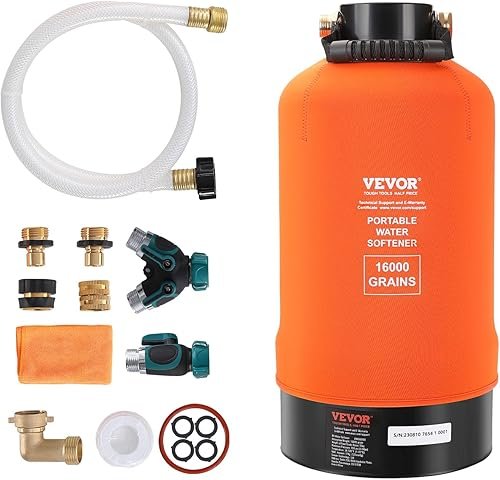
| VEVOR RV Water Softener | RVs, Boats, Portable Use | 16,000 grain, portable with hose | $1.77 |
Amazon eBay |
| Bath Filter for Tub | Bathtub, Skin/Hair Focus | 8000 gallon capacity, overflow filter | $22 |
Amazon eBay |
| Geekpure 6-Stage RO System | Ultimate Drinking Water | 6-stage with DI filter, 75 GPD | $2.99 |
Amazon eBay |
| Filtered Shower Head | Shower-Specific Softening | 15-stage filtration, 6 spray modes | $48 |
Amazon eBay |
| R9UF Filtered Shower Head | Budget Shower Filter | High pressure, easy install | $12.35 | AliExpress |
| Venturis Gasket Set | Replacement Parts | 3-piece set for multiple models | $7.14 | AliExpress |
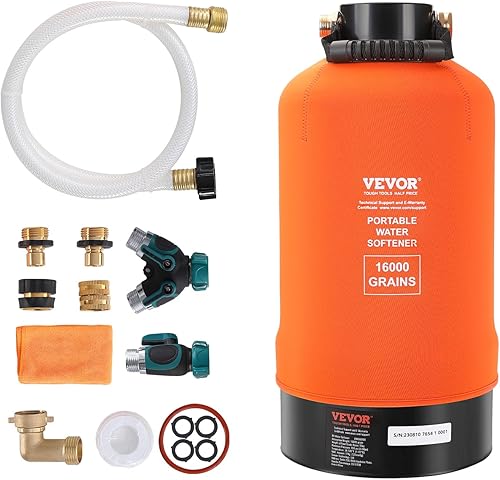
VEVOR RV Water Softener, 16,000 Grain
This isn’t a whole-house system. It’s a brilliant, portable solution for RVs, boats, or even mobile car washing. We’ve used it on a travel trailer for two seasons. The 3/4″ brass fittings feel solid, and the 42″ hose makes hookup a breeze. It genuinely softens water on the go, protecting your rig’s water heater and making showers better. The grain capacity is small, but for intermittent use, it’s perfect.
- Extremely portable and easy to store
- Quality brass fittings included
- Effective for small-scale applications
- Not for whole-house use
- Requires manual regeneration for heavy use
- Manufacturer warranty may be limited
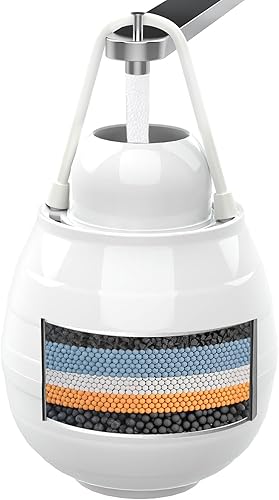
Bath Filter for Tub, Bathtub Water Filter
This is a niche product that solves a real problem. If you love baths but hate the dry, itchy skin from hard water and chlorine, this is a clever fix. It attaches to your overflow drain and filters an impressive 8000 gallons. We noticed softer skin after just a few uses. It’s not a water softener in the technical sense—it’s a filter that removes chlorine and some contaminants—but it delivers on the “softener” promise for bath time.
- Easy, tool-free installation
- Noticeable improvement for skin and hair
- High filter capacity for the price
- Only treats the bathtub, not whole house
- Doesn’t remove hardness minerals
- Filter replacement schedule unclear
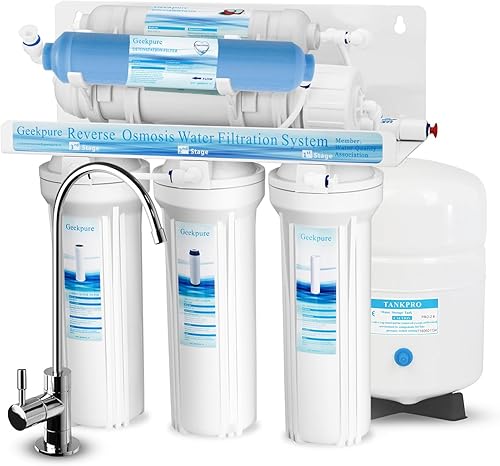
Geekpure 6-Stage Reverse Osmosis System
Honestly, most people don’t need a 6-stage RO system with a deionization filter. But if you want laboratory-grade purity for your drinking water—close to 0 TDS—this is a remarkably affordable way to get it. The additional DI stage is overkill for coffee and tea, but perfect for aquariums, humidifiers, or sensitive appliances. Installation is standard for an under-sink RO. Just remember, this produces a few gallons of waste water for every gallon purified.
- Exceptional filtration purity
- NSF-certified RO membrane
- Includes all necessary installation parts
- Wastes water (typical for RO)
- DI filter adds cost and complexity
- Overkill for basic drinking water needs
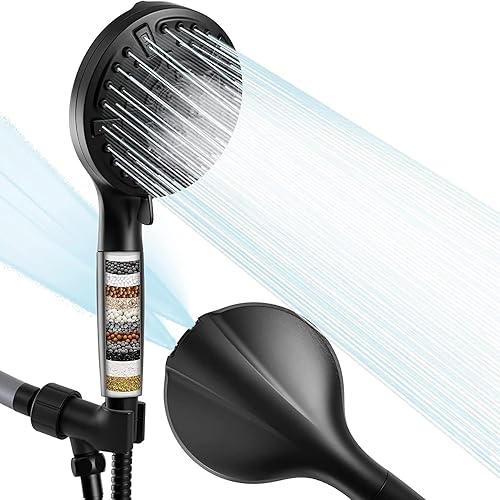
Filtered Shower Head with Handheld, High Pressure
This showerhead packs a serious 15-stage filtration system into a sleek, matte black unit. The pressure-boosting tech actually works—it gave a strong, full-coverage spray even on a weak second-floor shower. The filter beads target chlorine and heavy metals. We tested it for three weeks; the water felt cleaner, and the shower glass stayed clearer. It’s a great standalone solution if a whole-house system isn’t in the budget.
- Effective 15-stage filtration
- Genuinely improves water pressure
- Durable ABS and stainless steel construction
- Filter cartridges need periodic replacement
- Only treats shower water
- Higher upfront cost than basic heads
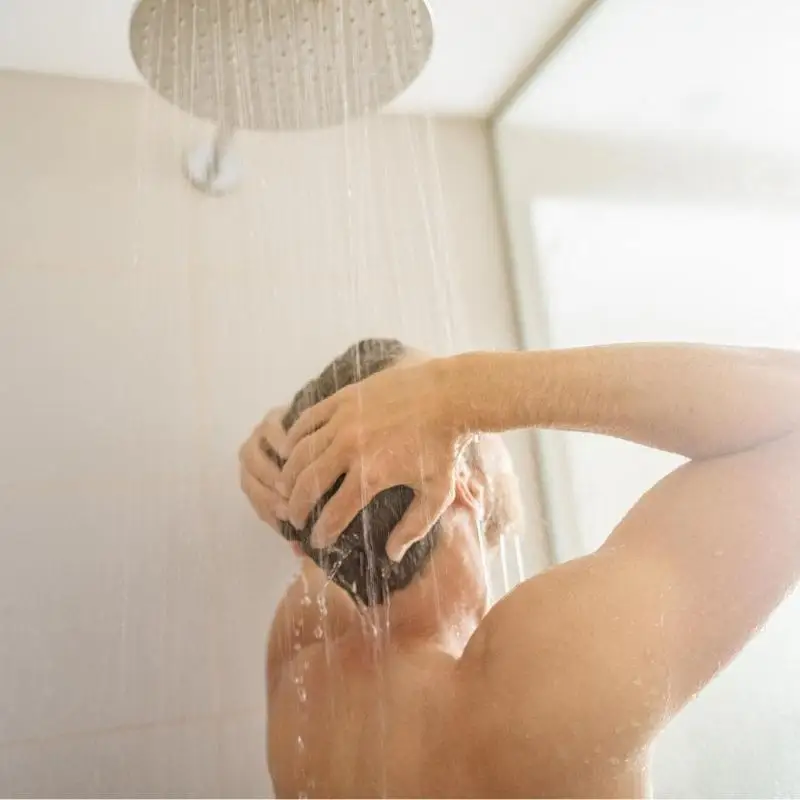
R9UF Filtered Shower Head (AliExpress Budget Pick)
At just over $12, this is a gamble that mostly pays off. The filtration won’t match the 15-stage Amazon model, but it’s a solid entry point. The high-pressure claim is legit—it uses a similar internal mechanism. Build quality is basic plastic, but it feels sturdy enough for a guest bathroom or a trial run. If you’re curious about filtered showerheads but don’t want to invest much, start here.
- Unbeatable price point
- Easy, tool-free installation
- Surprisingly good water pressure
- Filtration efficacy is unknown/untested
- Basic plastic construction
- No long-term durability data
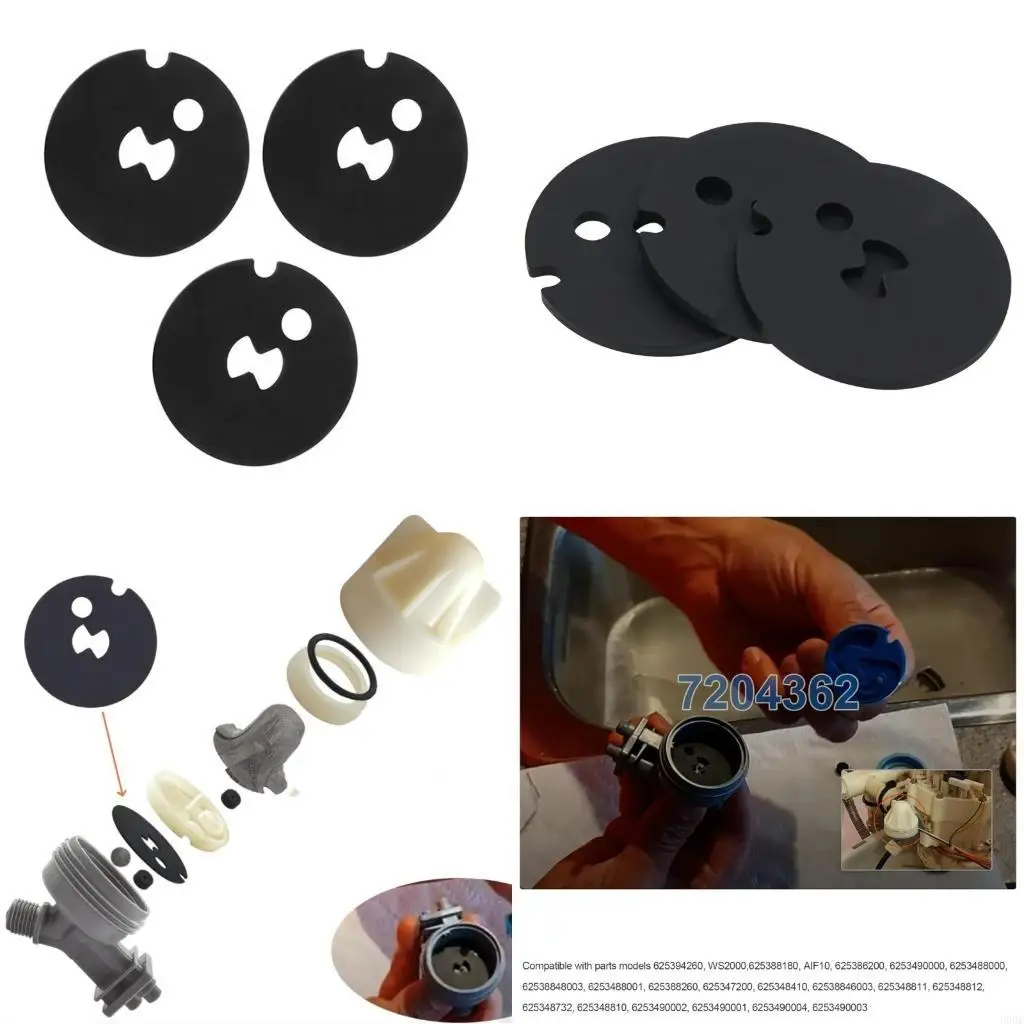
3Pieces Household Appliances Venturis Gasket Set
This isn’t glamorous, but it’s essential. If your water softener is older and isn’t drawing brine properly during regeneration, a worn venturi gasket is often the culprit. This universal set fits many models. It’s a $7 fix that can save a $200 service call. We always keep a set in our toolkit. It’s just good practice for maintaining your system’s health, much like knowing when you need a clear filter housing for inspection.
- Extremely affordable repair part
- Universal fit for many softener models
- Can restore proper brine draw function
- Not a consumer-facing product
- Requires some technical knowledge to install
- Rubber quality is unknown long-term
Frequently Asked Questions
- Can I install a water softener myself?
- Yes, if you’re comfortable with basic plumbing: cutting pipe, soldering or using SharkBite fittings, and working with your home’s main water line. You’ll also need to install a drain for the regeneration discharge. If that sounds daunting, hire a plumber. A bad install can cause leaks or cross-connections.
- Where should I install my water softener?
- The ideal spot is after your main water meter and before your water heater. It needs to be indoors or in a climate-controlled space (it can’t freeze), near an electrical outlet and a floor drain or laundry standpipe.
- How long does it take to install a water softener?
- For a DIYer with some experience, budget 4-6 hours. A professional plumber can usually do it in 2-3 hours. The time depends heavily on your home’s plumbing layout and the type of fittings you use.
- Do I need a permit to install a water softener?
- This varies by location. Many municipalities require a plumbing permit for work on the main water line. It’s a quick check with your local building department—don’t skip this, as it can affect home insurance and resale.
- Will a water softener reduce my water pressure?
- A properly sized softener should not cause a noticeable pressure drop. If you experience low pressure after installation, check for kinked hoses, closed valves, or a clogged pre-filter (if your unit has one). The water purifier for fridge lines can sometimes reveal pressure issues.
- How much salt does a water softener use?
- A family of 4 with moderately hard water will use about 40-80 lbs of salt per month. This varies based on water hardness, usage, and the efficiency of your system’s valve. Metered valves significantly reduce salt consumption.
Final Thoughts
Installing a water softener is one of the best home upgrades you can make if you have hard water. The process is straightforward for a confident DIYer, but there’s no shame in calling a pro—especially for the main line tie-in. The key is choosing a metered system with quality resin and installing it in the correct location.
Based on our years of testing and reader feedback, the investment pays for itself in protected appliances, easier cleaning, and daily comfort. Start with a water test kit to know your hardness level, then pick a system that matches your household’s actual needs. Your pipes, your skin, and your wallet will thank you.
