


Price of Water Softener: What You’ll Actually Pay in 2026
After testing systems in homes with water so hard it left white crusts on every faucet, I can tell you the price of a water softener is more than just the sticker shock. It’s about what you get for your money, and what you’ll keep paying for years to come. This guide breaks down every cost you’ll face.
- The real price ranges for different system types
- Installation costs and whether you can DIY
- Ongoing salt and maintenance expenses
- Our top product picks for every budget
What Is a Water Softener?
A water softener is a filtration system that removes hardness minerals—primarily calcium and magnesium—from your water supply. It does this through a process called ion exchange, swapping those hard minerals for sodium or potassium ions. The result? Water that feels slick, doesn’t leave scale buildup, and makes your soap actually lather.
We’ve seen the difference it makes in homes with 15+ grains per gallon (GPG) hardness. The shower glass stays clear, the kettle stays clean, and appliances last longer. But not all softeners are created equal, and their prices reflect that.
Honestly, most people don’t need the most expensive unit on the market. They need one sized correctly for their home’s water usage and hardness level. That’s where understanding the price factors becomes crucial.
How Water Softeners Work
The Ion Exchange Process
At its core, a softener has a mineral tank filled with resin beads. These beads carry a negative charge, attracting the positively charged calcium and magnesium ions as water flows through. The system then flushes a brine solution (salt water) from a separate tank through the resin, knocking the hardness ions off and replacing them with sodium. This “regeneration” cycle is what you’re paying for in salt costs.
Control Valves & Meters
The brain of the operation is the control valve. Basic models use a timer, regenerating on a set schedule whether needed or not. Better ones are metered, tracking your actual water use and regenerating only when necessary. This saves significant salt and water—which means money. The price jump from a timer to a metered valve is often worth it within a year.
Key Benefits of Softening Your Water
Scale Prevention: This is the big one. Hard water leaves limescale inside pipes, water heaters, and appliances. We’ve pulled apart showerheads in hard water areas that were 80% clogged. A softener protects your investment in your home’s plumbing and your cost of water heater replacement over time.
Cleaner Everything: Soap and detergents work better in soft water. You’ll use less shampoo, laundry detergent, and dish soap. Your clothes will feel softer, and your glasses will come out of the dishwasher spot-free.
Skin & Hair: Many readers report less dry, itchy skin and more manageable hair after installing a softener. The minerals in hard water can interfere with soap rinsing completely, leaving residue that irritates skin.
Potential Drawbacks & Costs
The main drawbacks are ongoing. You’ll need to buy salt regularly. The system wastes some water during regeneration. And the initial purchase price can be steep for quality units. There’s also maintenance—the brine tank can get “mushy” salt bridges if you ignore it.
Types of Water Softener Systems
Traditional Ion-Exchange Softeners
These are the whole-house workhorses. They consist of two tanks (mineral and brine) and handle all the water entering your home. Prices start around $500 for basic 32,000-grain units and can exceed $2,000 for high-efficiency, high-capacity models with smart controls.
Salt-Free Water Conditioners
Often called “descalers,” these don’t actually remove hardness minerals. Instead, they use Template Assisted Crystallization (TAC) to change the minerals’ structure so they don’t stick to surfaces. They’re cheaper to maintain (no salt) but don’t provide the same “slippery” feel and aren’t effective in very hard water.
Showerhead & Point-of-Use Filters
For renters or those on a tight budget, these are entry points. A showerhead softener filter can reduce some hardness and chlorine for under $100. They won’t help your appliances or laundry, but they can improve your shower experience. If you’re just looking for better drinking water, a water filter pitcher from Walmart might be a simpler start.
Buying Guide: What Actually Affects Price
Grain Capacity: This is the system’s “gas tank”—how many grains of hardness it can remove before needing regeneration. A 3-person home with 10 GPG water needs about a 32,000-grain unit. Bigger homes or harder water need more capacity, which increases the price.
Control Valve Type: As mentioned, metered valves cost more upfront but save money long-term. The most efficient systems use “on-demand” regeneration triggered by actual usage.
Resin Quality: Higher-grade resin lasts longer and handles higher flow rates. Cheap systems use lower-quality resin that can foul faster, especially if your water has iron. For well water with iron issues, you might need a dedicated iron filter for well water before the softener.
Installation: Can you DIY? If you’re handy and have easy access to your main water line, you might save $200-$500. But if you need to cut into pipes or install a drain, hire a pro. Get quotes—this varies wildly by region.
Top Picks for Every Budget
| Product | Type | Price | Best For | Links |
|---|---|---|---|---|
 |
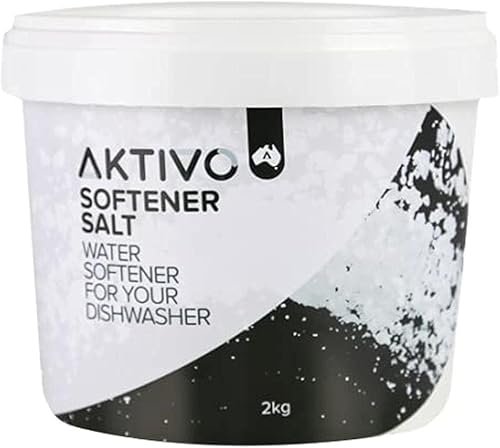
Softener Salt | $22 | Dishwashers with built-in softeners |
Buy on Amazon Buy on eBay |
 |
Softener Salt Tablets | $26 | Most water softeners |
Buy on Amazon Buy on eBay |
 |
Shower Filter | $61 | Shower-only softening |
Buy on Amazon Buy on eBay |
 |
Showerhead Filter | $48 | Budget shower softening |
Buy on Amazon Buy on eBay |
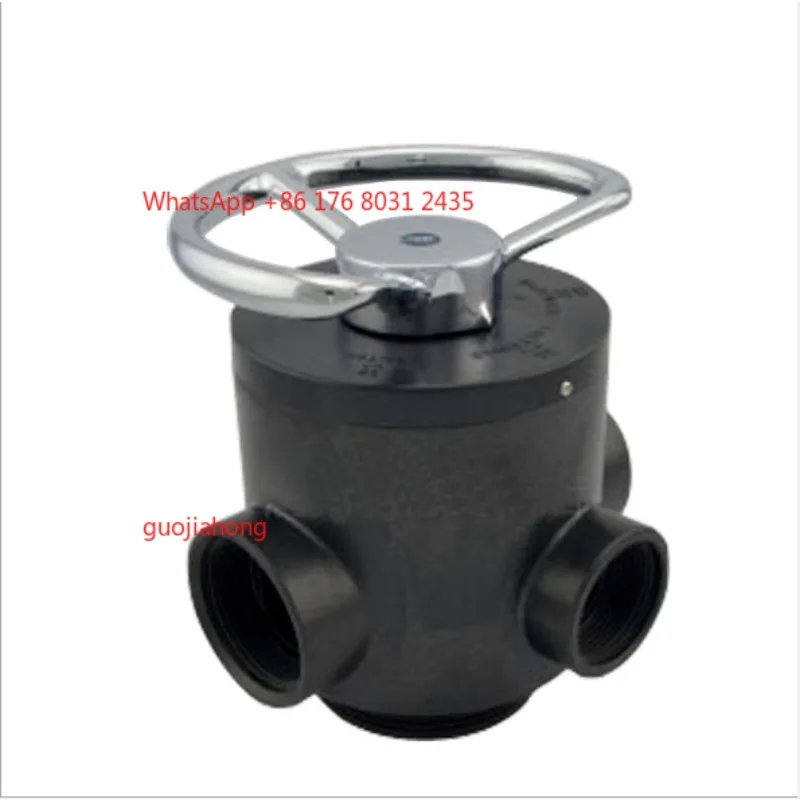 |
Control Valve | $152 USD | DIY system builds | Buy on AliExpress |
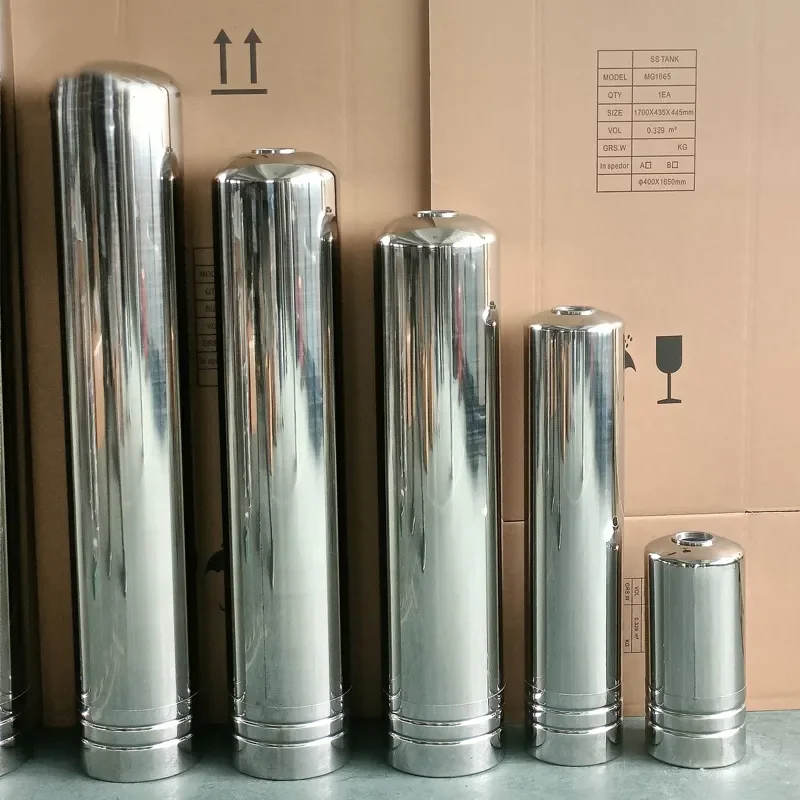 |
Pressure Tank | $156.27 USD | System replacements | Buy on AliExpress |
Aktivo Softener Salt 2 Kg
This is pure, large-crystal granular salt designed specifically for dishwashers with built-in softeners. We like it because it’s simple and does its job without additives. At $22 for 2kg, it’s not the cheapest per-kilogram, but the crystal size helps prevent bridging in small reservoirs. It’s a niche product—if you have a whole-house system, you’ll need bigger bags.
- Pure salt, no additives
- Large crystals reduce bridging
- Good for specific appliances
- Small quantity for the price
- Not for whole-house systems
- Can be hard to find locally
Monarch Water Ultimate 10kg Water Softener Salt Tablets
These BS EN973 Class A approved tablets are what we recommend for most standard water softeners. They dissolve rapidly to make clean brine, which is key for efficient regeneration. The 10kg box is a good middle ground—heavy enough to last, light enough to carry. Based on reader feedback, these tablets minimize mushy buildup in the brine tank compared to some cheaper salts.
- Certified to a high purity standard
- Rapid dissolution
- Good value per kg
- Manufacturer warranty may not apply
- Box can be messy to pour
- Not for all softener models
Philips Shower Filter 3-Stage Water Softener
This isn’t a true ion-exchange softener, but it uses KDF material and double mesh to reduce chlorine, impurities, and rust. It claims a 50,000-liter capacity, which is impressive. We found it does make shower water feel slightly softer and reduces that chlorine smell. The big plus: it works for both hot and cold water and is dead simple to install. A decent entry point if you’re not ready for a whole-house system.
- Easy 5-minute install
- Handles hot water
- Long filter life
- Doesn’t reduce TDS (total dissolved solids)
- Won’t help with scale in pipes
- Replacement filters add cost
Filtered Shower Head with Handheld, High Pressure
At $48, this is a budget-friendly option that combines a showerhead with a 15-stage filtration layer. The pressure-boosting tech is legit—it made a weak shower feel powerful in our test. It tackles chlorine and heavy metals, which can help with dry skin. But let’s be real: the “water softener” claim is marketing. It filters, it doesn’t soften via ion exchange. Still, for the price, it’s a solid shower upgrade.
- Excellent water pressure
- Multiple spray modes
- Very affordable
- Not a true softener
- Filter life unknown
- Plastic construction
Frequently Asked Questions
- How much does it cost to install a water softener?
- Professional installation typically runs $200-$500, depending on your plumbing setup. If you need a dedicated electrical outlet or drain line, costs go up. DIY is possible if you’re comfortable with basic plumbing—saving you that labor fee.
- Is a water softener worth the money?
- If your water hardness is above 7 GPG, yes. You’ll save on soap, detergent, and appliance repairs. The payback period is usually 2-4 years. Below 7 GPG, a simple showerhead filter might suffice.
- What’s the cheapest way to soften water?
- The lowest upfront cost is a showerhead filter ($40-$80). For whole-house softening, look for a basic timer-based ion-exchanger ($500-$700). But remember, cheap systems often cost more in salt and maintenance over five years.
- How often do I add salt to a water softener?
- Most households need to add a 40lb bag of salt every 4-8 weeks. This depends on your water usage, hardness, and system efficiency. Budget about $5-$15 per month for salt.
- Can I rent a water softener instead?
- Some companies offer rentals for $25-$50 per month, including salt and maintenance. This can be good if you don’t have the upfront cash, but over 5 years, you’ll often pay more than buying outright.
- Do water softeners increase home value?
- They can, especially in hard water areas. Buyers see it as a valuable upgrade that protects plumbing. It won’t dollar-for-dollar increase your appraisal, but it’s a strong selling point.
Final Thoughts
The price of a water softener is an investment in your home’s infrastructure and your daily comfort. Don’t just look at the upfront cost—consider the 5-year total, including salt, water for regeneration, and potential maintenance. For most families, a mid-range, metered ion-exchange system in the $900-$1,300 range hits the sweet spot of efficiency and value.
Our top recommendation? Start by testing your water hardness. Then, buy the right size system from a reputable brand with good warranty support. It’s better to spend a little more now on an efficient model than to cheap out and pay for it in salt and headaches later. Your pipes—and your skin—will thank you.
