


You’re staring at a crusty faucet, feeling soap scum on your skin, and wondering if a Culligan water softener is the answer—and what it’ll actually set you back. We get it. After testing systems in homes with water harder than a rock, we’ve learned that the sticker price is just the beginning of the story.
- What a Culligan softener really is and how it tackles hardness
- The real costs: upfront, installation, and those sneaky long-term expenses
- How to pick the right type for your home without overspending
- Our top picks for different budgets, with honest pros and cons
What Is a Culligan Water Softener?
Forget the jargon. A Culligan water softener is a whole-house appliance that removes hardness minerals—calcium and magnesium—from your water supply. It’s the heavy-duty solution for homes battling limescale, dry skin, and spotty dishes. Culligan is a legacy brand with local dealers, which means you’re not just buying a box; you’re often buying installation, service, and a warranty. That’s a big part of the cost equation.
We’ve seen homeowners try to solve hardness with a simple shower filter system, but that only treats one outlet. A softener protects your entire plumbing system, water heater, and every appliance that uses water. It’s a different league of protection.
How a Water Softener Works
The science is straightforward ion exchange, but the engineering matters.
The Ion Exchange Process
Your water flows through a tank filled with thousands of tiny resin beads. These beads are charged with sodium ions. As hard water passes over them, the calcium and magnesium ions stick to the beads, and the sodium ions are released into your water. That’s the “softening.” Eventually, the beads get coated with hardness minerals and need cleaning.
The Regeneration Cycle
This is where the brine tank comes in. A concentrated saltwater solution (brine) flushes the resin tank, washing away the collected calcium and magnesium and “recharging” the beads with sodium. This cycle can be triggered by a timer (every few days, regardless of use) or by a meter that measures actual water usage. The latter saves significant salt and water—and is a key factor in long-term cost.
Key Benefits of Installing One
Protects Your Plumbing and Appliances: Limescale buildup is a silent killer of water heaters, dishwashers, and coffee makers. A softener can extend their lifespan by years. We’ve seen water heaters fail prematurely in hard water areas—a costly repair that a softener helps prevent.
Cleaner Feeling Skin and Hair: Soap lathers better in soft water. You’ll use less shampoo, and your skin won’t feel that tight, filmy residue after a shower. It’s a daily quality-of-life upgrade.
Spotless Dishes and Cleaner Clothes: No more white spots on glasses or stiff, faded laundry. Detergent works more effectively, so you can actually use less of it.
Potential Drawbacks & Hidden Costs
- Salt: $5–$10 per bag, 1–2 bags per month for a family of four. That’s $100–$250 a year.
- Water for Regeneration: Older or timer-based models can use 50+ gallons per cycle, adding to your water bill.
- Professional Service: While DIY maintenance is possible, many Culligan systems are sold with service plans. Dealer-installed systems may require dealer servicing to maintain the warranty.
- Increased Sodium in Water: A concern for those on low-sodium diets. You might need a separate ionizing water filter or reverse osmosis system at the kitchen tap for drinking water.
Types of Culligan Systems
Timer-Based (Economical)
Regenerates on a fixed schedule, like every Wednesday at 2 AM. It’s simple and cheaper upfront but wastes salt and water if you’re away or use less water than expected. Best for consistent, predictable water usage.
Demand-Initiated (Efficient)
Uses a meter to track water usage and regenerates only when needed. This is the smarter, more efficient choice for most homes and will save you money on salt and water within a few years. The higher initial cost often pays for itself.
Dual-Tank (Continuous Soft Water)
Has two resin tanks. When one is regenerating, the other is在线. You never have a period of hard water. It’s the premium solution for large families or homes with high, constant water demand. The cost reflects that.
For homes with specific issues like high iron, you’ll need a specialized iron removal filter system before or instead of a standard softener.
Buying Guide: What Actually Matters
1. Get Your Water Tested First. Don’t guess. Know your hardness level in grains per gallon (GPG). A test kit like the Culligan Water Lab Test Kit gives you a full picture. This determines the size and capacity you need.
2. Capacity (Grain Size). Systems are rated by how many hardness grains they can remove before regeneration. A 30,000-grain unit is common for a family of four. Bigger isn’t always better—an oversized unit regenerates less frequently, which can lead to bacteria growth in the resin bed.
3. Efficiency Rating. Look for the NSF/ANSI 44 certification and a high efficiency rating. This tells you how much salt and water it uses per regeneration. Demand-initiated models win here.
4. Dealer vs. DIY. Culligan is primarily a dealer brand. You’re paying for their water analysis, professional installation, and warranty support. This adds $500–$1,500 to the cost versus buying a similar-specification unit online and installing it yourself (or hiring an independent plumber). Weigh the convenience against the savings.
Top Picks & Reviews
While we’re focusing on whole-house softeners, these Culligan products are essential for testing and maintaining your water quality.
| Product | Key Specs | Price | Links |
|---|---|---|---|
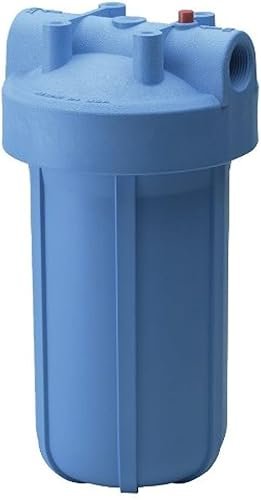
 Culligan HD-950A Whole House Filter Housing |
Heavy-duty 1″ inlet/outlet, blue housing. Pre-filter for sediment. | $1.36 | Buy on Amazon Buy on eBay |
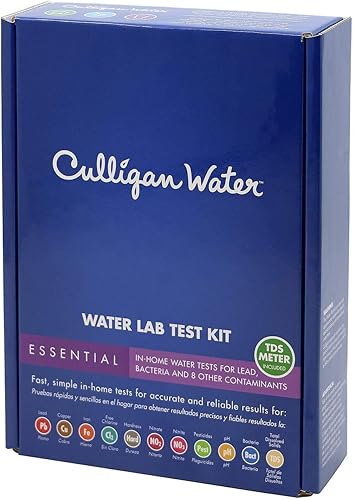 Culligan Essential Water Lab Test Kit |
Tests for Lead, Bacteria, Hardness, Iron, pH, Chlorine, TDS. Includes electronic meter. | $78 | Buy on Amazon Buy on eBay |
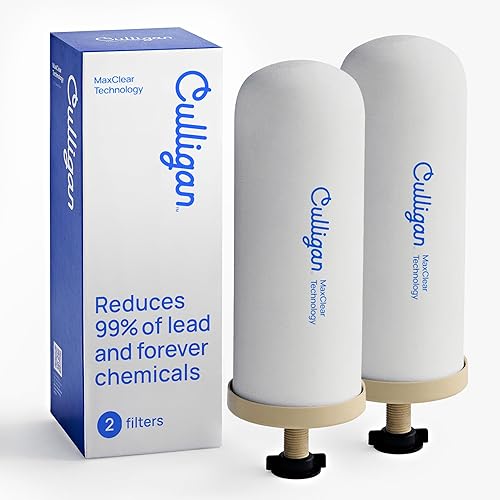 Culligan MaxClear 7” Gravity Ceramic Filter (2-Pack) |
NSF/ANSI 42 certified. Reduces lead, microplastics, PFAS. 6-month lifespan each. | $2.42 | Buy on Amazon Buy on eBay |
 Culligan Better Water Pure and Simple (6 Units) |
Multi-pack replacement filters. Manufacturer: Culligan. | $98 | Buy on Amazon Buy on eBay |
Culligan Essential Water Lab Test Kit
This is your starting point. Before you spend thousands on a softener, spend $78 to know exactly what’s in your water. We’ve used this kit—it’s genuinely simple. You collect samples, mail them in, and get a detailed report. It tests for the contaminants that matter, including hardness, lead, and bacteria. The included TDS meter is a handy bonus for ongoing checks. Don’t skip this step.
- Comprehensive testing for key contaminants
- Easy DIY sample collection
- Includes an electronic TDS meter
- Far cheaper than a lab visit
- Not a continuous monitor
- You have to wait for lab results
Culligan HD-950A Whole House Filter Housing
This isn’t a softener, but it’s a critical pre-filter. If you have sediment or sand in your water, install this before your softener to protect its resin bed and control valve. It’s a heavy-duty, no-nonsense housing that takes standard 10″x2.5″ cartridges. For the price, it’s an insurance policy for your main investment. We always recommend a sediment pre-filter.
- Extremely affordable
- Heavy-duty construction
- Protects downstream equipment
- Standard filter size
- Filter cartridge sold separately
- Basic functionality only
Frequently Asked Questions
- What is the average cost of a Culligan water softener installed?
- For a typical 3-4 bedroom home, expect to pay $2,000–$3,500 for a professionally installed, demand-initiated Culligan system. The final price depends on your water hardness, home plumbing, and chosen model. Always get an in-home estimate.
- Are Culligan water softeners worth the money?
- They can be, if you value local dealer support and a single point of contact for installation and service. You’re paying a premium for that convenience. A handy homeowner can save 30-50% by buying a comparable unit online and hiring a plumber, but you’ll manage the warranty and maintenance yourself.
- How much does it cost to run a water softener per month?
- Operational costs are $10–$25 per month. This covers salt ($5–$10/month) and the extra water used during regeneration (adds a few dollars to your water bill). Demand-initiated models are at the lower end of this range.
- What size water softener do I need for a family of 4?
- Calculate your needs: 4 people x 75 gallons/day x your water hardness (GPG) x 7 days. For example, with 15 GPG water, you need a system that handles about 31,500 grains per week. A 32,000- to 40,000-grain unit is common. Your water test report will dictate the exact size.
- Can I install a Culligan water softener myself?
- Most Culligan systems are sold and installed through their dealer network. Installing a generic whole-house softener is a advanced DIY project requiring plumbing and electrical skills. If you’re not confident, hire a licensed plumber. An improper installation can cause leaks, water damage, or void warranties.
- How long does a Culligan water softener last?
- With proper maintenance, the resin bed can last 10–15 years. The control valve and brine tank can last 15–20 years. Regular salt refills and occasional cleaning of the brine tank and injector are key to longevity.
Final Thoughts
The “Culligan water softener cost” isn’t a single number. It’s a total-cost-of-ownership equation. The brand commands a premium, but for that, you get a local expert who will size the system, install it, and stand behind it. If that peace of mind is worth the extra $500–$1,000 over a DIY approach, then Culligan is a solid, reliable choice. We’ve seen their systems run flawlessly for decades in homes with brutally hard water.
Our final advice? Start with the Culligan Water Lab Test Kit. Get the data. Then, if you proceed, insist on a demand-initiated model. It will save you real money on salt and water every single month, making the higher upfront cost a smart long-term investment. Your pipes, appliances, and skin will thank you.
