


Is Softened Water Safe to Drink? The Clear Answer for 2026
You’ve installed a water softener to fix hard water stains and scale buildup. Good move. But now you’re standing at the kitchen tap, wondering if that silky-smooth water is actually okay to drink. I get it. After testing systems and talking to homeowners for over a decade, this is one of the most common questions I hear. Let’s settle it.
- What water softening actually does to your tap water
- The real story on sodium and health concerns
- Why your softened water tastes different
- When you might want a separate drinking water filter
What Is Water Softening?
Water softening is a specific treatment process. Its only job is to remove hardness minerals—mainly calcium and magnesium—from your water supply. It does this through a process called ion exchange. Think of it as a mineral swap shop. If you’re dealing with limescale on your kettle or soap scum in the shower, a softener is your best friend. For a deeper dive into the mechanics, our guide on best water softener consumer reports breaks down system ratings and performance.
Here’s the critical distinction: a water softener is not a water purifier. It doesn’t remove bacteria, chemicals, heavy metals, or other contaminants. Its purpose is narrow and effective. Many homeowners pair it with a dedicated drinking water filter for complete coverage. The softener protects your pipes and appliances, while a separate filter at the tap handles taste and purity for drinking.
How Water Softening Works
The heart of a traditional softener is a tank filled with resin beads. These beads are covered with sodium ions. As hard water flows through, the calcium and magnesium ions stick to the beads, and the sodium ions are released into the water in their place. That’s the “exchange.”
The Sodium Question
This is the core of the safety debate. The amount of sodium added depends on how hard your water is. For water with 20 grains per gallon hardness (very hard), a softener might add about 30-40 milligrams of sodium per 8-ounce glass. For context, a slice of white bread has about 100-200 mg. A single teaspoon of table salt contains 2,300 mg. The amount from softening is generally considered nutritionally insignificant for healthy adults.
The Regeneration Cycle
Every few days, the system cleans itself. A strong brine solution (salt water) flushes the resin tank, washing away the collected hardness minerals and “recharging” the beads with fresh sodium. This brine is flushed down the drain. It does not enter your drinking water supply. The process is automatic and well-regulated in modern units.
Key Benefits of Softened Water
Scale Elimination: This is the big one. Soft water prevents limescale buildup inside your water heater, pipes, coffee maker, and dishwasher. This extends appliance life and maintains efficiency. Your water heater won’t have to fight through a layer of insulating scale to heat your water.
Soap & Detergent Savings: Soft water lathers easily. You’ll use less shampoo, body wash, laundry detergent, and dish soap. The “soap scum” ring around your bathtub becomes a thing of the past. Clothes come out cleaner and feel softer.
Smoother Skin & Hair: Many people report less dry, itchy skin and more manageable hair after switching to soft water. Hard water minerals can leave a residue that clogs pores and dries out strands.
Potential Drawbacks & Concerns
Sodium Intake: As covered, this is minimal for most. But if you have hypertension, heart failure, or kidney disease and are on a doctor-prescribed very low-sodium diet, you should consult your physician. The alternative is potassium chloride media or a separate reverse osmosis filter at the drinking tap.
Taste Change: Some people describe softened water as feeling “slippery” or having a slightly different taste. This is due to the absence of minerals and the trace sodium. It’s not unsafe—just different. If you’re sensitive to taste, a simple carbon filter on a dedicated drinking water line can polish it right up.
Environmental Impact: The regeneration cycle uses water and salt, which ends up in the wastewater system. Modern high-efficiency softeners minimize this, but it’s a factor to consider.
Types of Water Softening Systems
Salt-Based Ion Exchange (Traditional)
The most common and effective type for whole-house treatment. It’s what we’ve been discussing. Requires a brine tank and regular salt additions. Best for homes with significant hardness (over 10 GPG). For homes with iron in their water, which can foul a standard softener, you’ll need a specialized system. Look into dedicated iron water filtration as a pre-treatment step.
Salt-Free Water Conditioners
These don’t remove hardness minerals. Instead, they use a template-assisted crystallization (TAC) process to alter the minerals so they don’t stick to surfaces as scale. They add no sodium and require no regeneration. However, they don’t provide the same “soft water” feel or soap-saving benefits. They’re better described as anti-scale systems.
Dual-Tank Softeners
Essentially two softener tanks controlled by one valve. While one tank is in service, the other is regenerating. This provides continuous soft water, 24/7. Ideal for large households with very high water usage where a single tank might run out of capacity during peak demand.
Buying Guide: What Actually Matters
Forget the flashy marketing. Focus on these hard numbers.
Grain Capacity: This tells you how much hardness the system can remove before needing to regenerate. Match it to your water hardness (in GPG) and daily water use. A family of four with 15 GPG water needs a system rated for at least 32,000 grains. Undersizing is a common, costly mistake.
Efficiency: Look for systems with on-demand regeneration. They regenerate based on actual water use, not a fixed timer. This saves significant water and salt. Check the “efficiency rating” or “salt efficiency” in pounds per 1,000 grains removed. Lower is better.
Certification: Look for NSF/ANSI Standard 44 certification. This validates the softener’s performance claims for hardness reduction and structural integrity. It’s your assurance it does what the box says.
Installation & Bypass: Factor in installation costs. You absolutely need a professional installation that includes a hard water bypass for your outdoor hose bibs and often your kitchen cold water tap. This is non-negotiable for gardening and drinking if you choose not to drink softened water.
Alternative Hydration Picks
While a softener handles your whole house, you might want dedicated drinking water. Here are some trusted options for pure, convenient hydration.
| Product | Key Features | Price | Links |
|---|---|---|---|
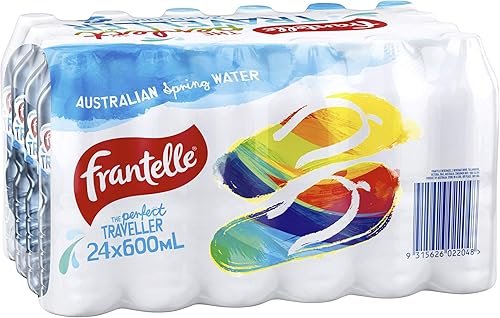
 Frantelle Spring Water |
Pure natural spring water. 24 x 600ml bottles. Perfect for travel, camping, or stocking up. | $12 |
Buy on Amazon Buy on eBay |
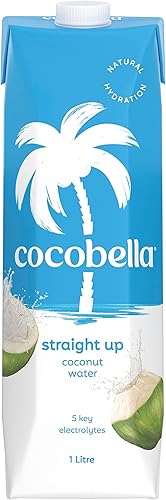 Cocobella Coconut Water |
Pure coconut water. Rich in 5 key electrolytes. 6 x 1L packs for natural rehydration. | $33 |
Buy on Amazon Buy on eBay |
 Schweppes Zero Sugar Sparkling Water |
Blood Orange & Mango infused. Zero sugar. 10 x 375ml cans. A refreshing, convenient alternative. | $10 |
Buy on Amazon Buy on eBay |

[Amazon.co.au Limited] Over-Ear Bluetooth 6.0 Headphones
Okay, this isn’t water-related. But if you’re researching home improvements like water softeners, you might also be upgrading your home office or commute gear. These headphones are a standout budget pick for 2026. The active noise cancellation is shockingly good for the price, and the 120-hour battery life means you’ll charge them maybe once a month. Sound quality is rich and balanced, with a dedicated vocal mode that’s great for podcasts and calls.
- Exceptional 120H battery life
- Effective ANC for the price
- Lightweight and comfortable
- Versatile wired/wless modes
- Brand is not well-known
- Controls have a learning curve

AliExpress Budget Pick: Punk Non-Pierced Hoop Earrings
For our readers who love a good deal on accessories. These houndstooth goth-style clip-on rings are a fun, low-commitment way to change up your look. The rating is over 92%, which is solid for AliExpress. They come in multiple diameters. Just manage your shipping expectations—budget picks take a bit longer to arrive.
Frequently Asked Questions
- Is softened water safe for babies?
- Generally, yes. The sodium increase is very small. However, for mixing infant formula, many pediatricians and public health guidelines recommend using low-sodium water. If you have a softener, use water from your unsoftened kitchen cold tap (bypassed) or a filtered source for formula preparation to be extra cautious.
- Does softened water cause corrosion?
- No, the softening process itself does not make water corrosive. However, if your source water is naturally soft and aggressive (low pH), a softener won’t fix that. Corrosion is a separate issue related to water chemistry, often requiring a different treatment like neutralization.
- Can I use softened water in my espresso machine?
- This is a nuanced “yes, but.” Soft water prevents scale buildup, which is the #1 killer of coffee machines. However, some coffee purists argue that a small amount of mineral content is needed for optimal extraction. Many high-end machine manufacturers recommend a specific hardness level (often 50-100 ppm). A softener might take it too low. The best solution is often a softener followed by a simple carbon block filter, or a dedicated under sink kitchen filter with a mineral cartridge.
- How do I know if my water is hard?
- Common signs are limescale on faucets, soap that won’t lather, and spots on dishes. For a precise number, get a test kit or check your local water quality report. Hardness is measured in grains per gallon (GPG) or milligrams per liter (mg/L). Over 7 GPG is considered hard.
- Will a water softener remove the rotten egg smell?
- No. That smell is usually from hydrogen sulfide gas or sulfur bacteria. A standard softener cannot remove it. You’ll need a dedicated oxidizing filter or an air injection system. If iron bacteria are also present, which can cause similar issues, you need to look at water filter iron removal systems that address both iron and sulfur.
- Is salt-free conditioning better than a traditional softener?
- It depends on your goal. If you want to stop scale and don’t mind not having the “slick” feel of soft water, a conditioner is a good, low-maintenance option. If you want the full benefits—softer skin, less soap usage, no scale—a traditional ion-exchange softener is more effective. For a deep comparison of top models, see our aquasana reviews which cover both types.
Final Thoughts
After all my years in this field, my stance is simple: the benefits of a water softener for protecting your home far outweigh the negligible sodium increase for 95% of people. The science and health agencies back this up. Don’t let fear-mongering stop you from solving a real, expensive problem like scale buildup.
For that small percentage on medically necessary strict low-sodium diets, the solution is straightforward: use potassium chloride, install a reverse osmosis system at your kitchen sink for drinking and cooking water, or use your bypassed cold water tap. A countertop RO system can be a great, no-installation option for pure drinking water. Your softener can do its job protecting your plumbing, and you can have complete peace of mind about what you drink.
