


Drinking Softened Water: Is It Safe, Smart, or a Mistake? (2026)
So you’ve got a water softener humming away in your basement. It’s tackling that nasty scale buildup on your shower doors and kettle. But now you’re staring at your kitchen tap, wondering: can I actually drink this stuff?
I’ve spent years testing systems and talking to homeowners about this exact question. The answer isn’t a simple yes or no. It depends on your health, your water, and what you want from a glass of water. Let’s break it down.
What Is Softened Water, Really?
Softened water is hard water that has undergone a process called ion exchange. Hard water contains high levels of calcium and magnesium ions. A softener swaps those ions for sodium ions. The result is water that feels slick, produces more soap lather, and stops leaving chalky deposits everywhere.
The key thing people miss? This process doesn’t filter the water in the traditional sense. It doesn’t remove chlorine, sediment, bacteria, or other contaminants. It’s a treatment for hardness minerals only. For broader purification, you need a dedicated drinking water treatment system.
How Water Softeners Work
The Ion Exchange Process
Inside the softener’s tank is a bed of resin beads. These beads are covered with sodium ions. As hard water flows through, the calcium and magnesium ions have a stronger charge and stick to the resin, displacing the sodium ions into the water. It’s a clever chemical swap meet.
Regeneration Cycles
Eventually, the resin beads get coated with hardness minerals. The system then flushes a brine solution (salt water) through the tank, washing away the calcium and magnesium and re-coating the beads with fresh sodium. This is why you have to add salt to the unit periodically.
Key Benefits of Softened Water
Appliance Longevity: This is the biggest win. Scale buildup is a killer for water heaters, dishwashers, and coffee makers. Soft water prevents that, saving you real money on repairs and energy bills. Your plumbing will thank you, too.
Cleaner Everything: Soap actually works. You’ll use less shampoo, laundry detergent, and dish soap. Your glasses will come out of the dishwasher spotless, and your clothes will feel softer.
Skin and Hair: Many people notice less dryness and irritation. Hard water can leave a film on your skin that clogs pores. Soft water rinses clean.
Potential Drawbacks for Drinking
Taste Changes: Some people describe softened water as having a slightly “slippery” or “flat” taste. The mineral profile is altered, which can affect the flavor of tea, coffee, and cooking. It’s not bad, just different.
Not a Purifier: I can’t stress this enough. A softener does nothing for chlorine taste, lead, pesticides, or bacteria. If you’re on a well or have concerns about contaminants, you need a dedicated filtration step. A simple carbon filter cartridge can tackle chlorine and improve taste dramatically.
Types of Water Softening Systems
Traditional Salt-Based Softeners
The most common and effective type. They use the ion exchange process described above. They require electricity, a drain, and regular salt additions. This is the gold standard for serious hardness problems.
Salt-Free Water Conditioners
These don’t remove hardness minerals. Instead, they use a template-assisted crystallization (TAC) process to change the minerals’ structure so they don’t stick to surfaces as scale. They’re better for the environment and add no sodium, but they don’t provide the same “soft water” feel for cleaning.
Portable and Compact Softeners
Great for RVs, boats, or renters. They work on the same ion exchange principle but on a smaller scale. You regenerate them manually with a brine solution.
Buying Guide: Making the Right Choice
1. Test Your Water First. Know your hardness level in grains per gallon (GPG) and if you have iron or other issues. This determines the size and type of system you need.
2. Decide on Drinking Water. If you plan to drink from the tap, budget for a post-softener filter. The best combo is a softener followed by a reverse osmosis system under the sink. This gives you scale-free pipes and pure drinking water. Look for a multi-stage system that includes sediment, carbon, and RO membranes.
3. Consider Maintenance. Salt-based units need salt and occasional resin cleaning. Salt-free units have cartridge replacements. Factor in the ongoing cost and effort.
4. Check Certifications. Look for NSF/ANSI 44 certification for softeners. For drinking filters, NSF/ANSI 58 (for RO) or 42/53 (for carbon) are key.
Our Top System Picks for 2026
Whether you need a whole-house solution or a point-of-use drinking filter, here are systems we’ve vetted.
| Product | Type | Key Feature | Price | Link |
|---|---|---|---|---|
 |
Under-Sink RO | 6-stage with alkaline remineralization, 75 GPD | $2.39 |
Buy on Amazon Buy on eBay |
 |
Portable Softener | 16,000 grain capacity, brass fittings | $4.89 |
Buy on Amazon Buy on eBay |
 |
Under-Sink RO | 6-stage, adds healthy minerals back post-RO | $2.99 |
Buy on Amazon Buy on eBay |
 |
Portable Softener | 16,000 grains, food-grade resin, protects RV plumbing | $2.20 |
Buy on Amazon Buy on eBay |
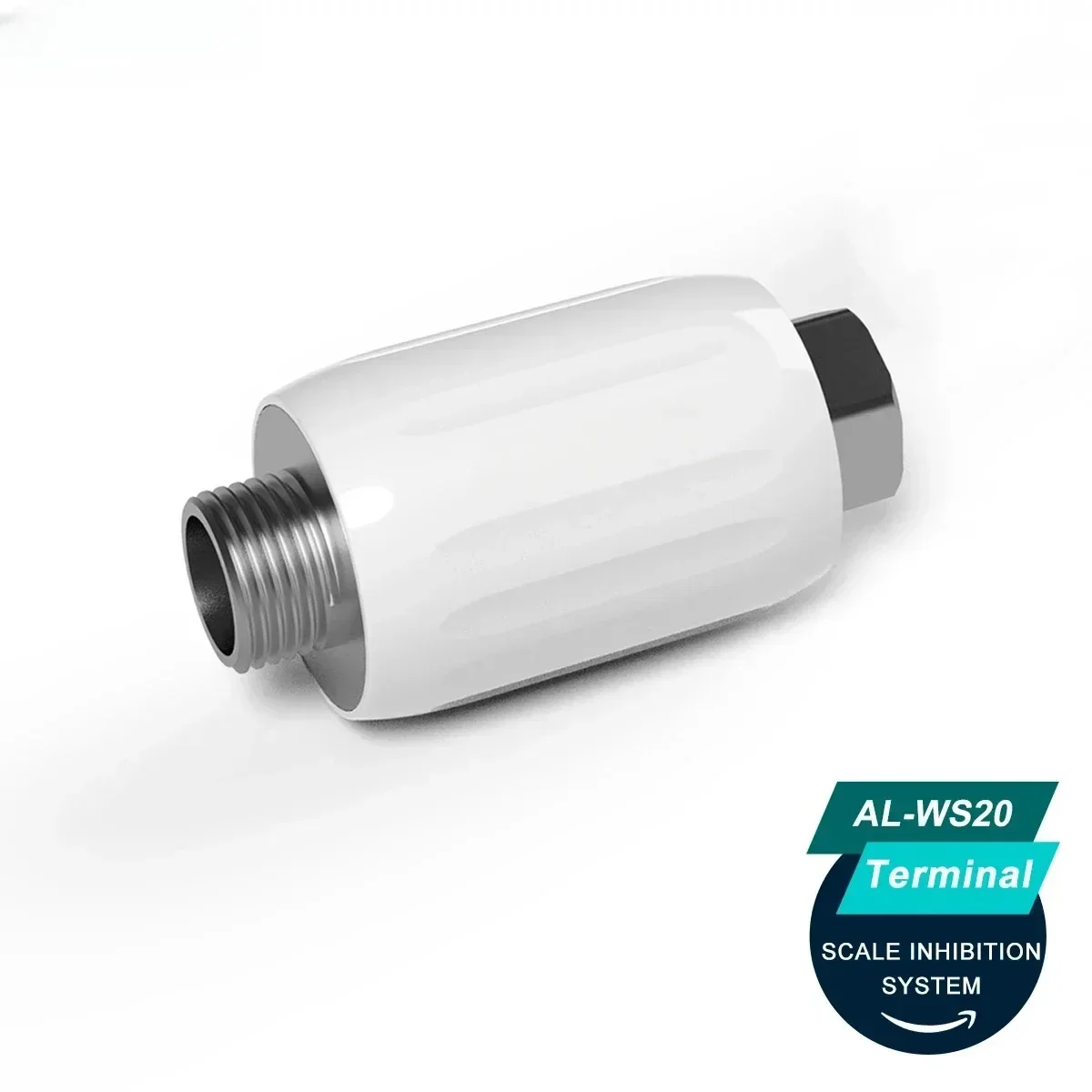 |
Scale Inhibitor | Terminal filter for heaters & showers, 97.1% rating | $27.28 | Buy on AliExpress |
 |
Magnetic Conditioner | Salt-free, whole house scale inhibition, 95.0% rating | $73.57 | Buy on AliExpress |
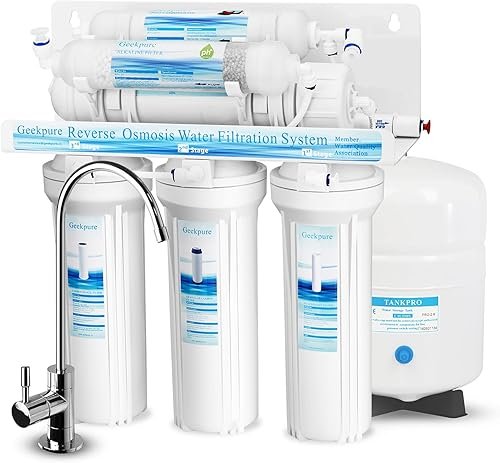
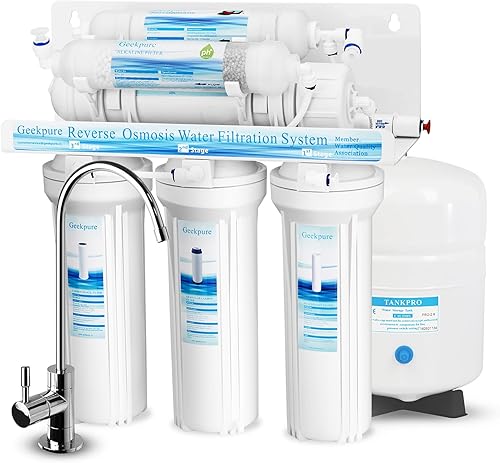
Geekpure 6-Stage Reverse Osmosis System
This is our top recommendation for anyone with a water softener who wants great-tasting drinking water. The 6-stage process, including an alkaline remineralization filter, tackles the “flat taste” of both softened and RO water. It adds back beneficial minerals. The NSF-certified membrane and lead-free faucet give peace of mind. Honestly, for this price, it’s a steal to get both purification and remineralization.
- Excellent 6-stage filtration down to 0.0001 micron
- Remineralization improves taste and adds calcium, magnesium
- NSF-certified components, including the RO membrane
- Very low maintenance for years
- Requires under-sink installation and a drain line
- Produces some wastewater (typical for RO)
On The Go OTG4-VM-DBLSOFT Portable Softener
If you need soft water on the move—RV, boat, or even a small apartment—this unit is a champ. The 16,000-grain capacity is substantial for its size. We like the brass fittings; they feel durable. Just remember, it’s a softener, not a filter. Pair it with a good handheld water filter for drinking if you’re using unknown water sources.
- True portable ion-exchange softening
- High 16,000-grain capacity for its class
- Drinking water safe brass fittings
- Assembled in the U.S.
- Manual regeneration required
- Not designed for permanent whole-house installation
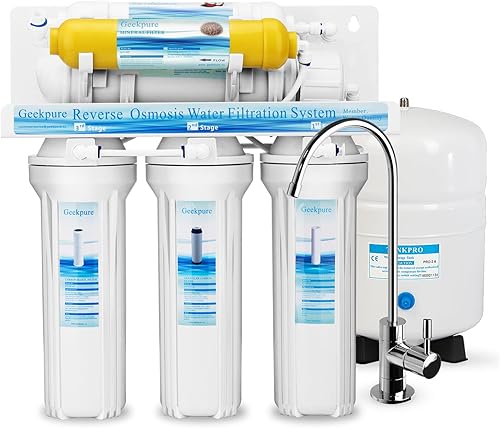
Geekpure 6-Stage RO with Mineral Filter
Very similar to its sibling above, but this model focuses purely on adding minerals back for health, not alkalinity. It reduces 95% of salt—which is perfect for post-softened water—then adds calcium, magnesium, and sodium ions back in. It’s a great solution if you’re worried about the sodium from your softener but still want mineral-rich water.
- Specifically targets sodium reduction from softeners
- Adds back healthy minerals like calcium and magnesium
- Same reliable NSF-certified components
- Improves taste of coffee, tea, and baby formula
- Installation space and tools required
- Like all RO systems, it wastes some water
RVGUARD 16,000 Grains Portable Softener
Another solid portable option. The RVGUARD uses food-grade premium resin, which is a nice touch for safety. It claims to provide 40% softer water quickly. For RV owners, preventing scale in your water heater and plumbing is critical, and this unit does that job well. The price is very competitive.
- Food-grade premium resin for safety
- High 16,000 grain capacity
- Protects RV plumbing and water heater from scale
- Very affordable price point
- Primarily marketed for RV use, less common for homes
- Manual regeneration process
Frequently Asked Questions
- Is softened water safe to drink?
- For most people, yes. The main change is a slight increase in sodium content. If you are on a doctor-prescribed low-sodium diet, have high blood pressure, or kidney issues, you should consult your doctor and likely use a separate drinking water filter like reverse osmosis to remove the sodium.
- Does softened water taste salty?
- No, it doesn’t taste salty like ocean water. The sodium increase is usually small—often less than what’s in a slice of bread. However, some people detect a subtle change in mouthfeel, describing it as “smoother” or “slightly flat” compared to mineral-rich hard water.
- Can I use softened water in my aquarium?
- Generally, no. Most freshwater fish need the minerals (calcium, magnesium) found in hard water. Softened water has these removed and replaced with sodium, which can be harmful to fish. Always use a dedicated water conditioner for your tank.
- Do I still need a filter if I have a water softener?
- Absolutely, especially for drinking water. A softener only removes hardness minerals. It does not remove chlorine, chloramine, lead, pesticides, bacteria, or sediment. For safe, great-tasting water, you need a point-of-use filter, such as a carbon filter or reverse osmosis system, at your kitchen tap.
- How much sodium does a water softener add?
- The amount depends on your water’s hardness. A general rule: for every grain per gallon (GPG) of hardness, a softener adds about 7.5 mg of sodium per liter of water. So, if your water is 20 GPG hard, you’d add about 150 mg of sodium per liter.
- Can softened water damage my plants?
- It can, especially for sensitive plants. The sodium can build up in soil over time and harm plant roots. It’s best to use unsoftened water (from an outdoor tap bypass) for watering gardens and houseplants.
Final Thoughts
So, should you drink softened water? If you have a standard salt-based softener and no specific health sodium restrictions, it’s safe. The convenience of soft water throughout your home is a huge quality-of-life upgrade. But “safe” doesn’t mean “optimal.”
Our strong recommendation? Invest in a two-part solution. Get the whole-house softener to protect your plumbing and appliances. Then, add a dedicated drinking water system at your kitchen sink. A reverse osmosis system is the perfect partner—it removes the added sodium, chlorine, and contaminants, giving you the purest, best-tasting water possible. That combo is the real game-changer for your home’s water.
