


Should You Drink Softened Water? The Real Answers for 2026
After testing water systems for over a decade, the “can I drink it?” question comes up more than any other. It makes sense. You invest in a softener to save your appliances, but the kitchen sink is where your family gets its daily hydration. Let’s cut through the noise.
This guide covers what softening actually does to your water, the real health trade-offs, and how to set up your home for both scale-free pipes and great-tasting drinking water.
What Is Water Softening?
Softening is a specific chemical process. It doesn’t filter your water in the traditional sense. Its one job is to remove hardness minerals—primarily calcium and magnesium—that cause limescale buildup in your pipes, water heater, and on your shower doors.
The standard method uses an ion exchange resin. It swaps those hardness minerals for sodium (or potassium) ions. So the water coming out of your softener is chemically different. It’s slick to the touch and has a higher mineral content, just not the kind that causes scale. This is a crucial distinction when we talk about drinking it.
How a Water Softener Works
The Ion Exchange Process
Inside the softener tank are tiny resin beads charged with sodium ions. As hard water flows over them, the calcium and magnesium ions are more attracted to the beads. They stick, displacing the sodium, which then enters your water supply. It’s a simple, effective swap.
The Regeneration Cycle
Eventually, the resin beads get coated with hardness minerals. The system then flushes a concentrated brine (salt water) solution through the tank. This kicks off the calcium and magnesium and “recharges” the beads with sodium for the next cycle. The waste brine is flushed down the drain.
Key Benefits of Softened Water
Protects Your Plumbing and Appliances. This is the number one reason. Limescale buildup reduces water heater efficiency by up to 25% and can ruin dishwashers and washing machines. Soft water prevents this.
Cleans Better. You’ll use up to 50% less soap and detergent. Soft water lathers easily, so you’ll notice less soap scum in the shower and brighter laundry.
Feels Better on Skin and Hair. Many people report less dryness and irritation. Hard water can leave a film that clogs pores and makes hair brittle.
Potential Drawbacks for Drinking
Increased Sodium Content. As mentioned, sodium replaces the hardness minerals. For most healthy adults, this is a minor dietary addition. But for those on strict sodium-restricted diets, it’s a legitimate concern.
Removal of Beneficial Minerals. Calcium and magnesium are essential nutrients. While you get most from food, removing them from your water changes its mineral profile. Some people prefer mineral-rich water for taste and health.
Taste and Feel. Softened water can taste slightly salty or flat to some. The “slippery” feel, while great for showering, can be off-putting in a drinking glass.
If your primary goal is pure drinking water, you might look at distilled water for specific uses, but for daily hydration, a point-of-use filter is more practical.
Types of Softening Systems
Traditional Salt-Based Ion Exchange
The most common and effective type for true water softening. It’s what we recommend for homes with serious scale problems. Requires a drain, electricity, and regular salt refills.
Salt-Free Water Conditioners
These don’t remove hardness minerals. Instead, they use a template-assisted crystallization (TAC) process to change the minerals’ form so they don’t stick to surfaces. They prevent scale but don’t give you the “soft water” feel or cleaning benefits. A good option if sodium is a major concern.
Dual-Tank Systems
For large families or homes with very high water use. One tank regenerates while the other is in service, so you never run out of soft water. Overkill for most households.
For whole-home solutions that tackle more than just hardness, you should explore full house water filtration systems that combine softening with carbon filters for chlorine and sediment.
Buying Guide: What Actually Matters
Grain Capacity. This tells you how much hardness the system can remove before it needs to regenerate. A family of four with moderately hard water (10-15 gpg) typically needs a 32,000-48,000 grain unit.
NSF/ANSI Certification. Look for NSF/ANSI Standard 44 for softener performance. It’s your guarantee that the system does what it claims.
Metered vs. Timer Regeneration. Metered systems regenerate based on actual water use. This saves salt and water. Timer-based systems regenerate on a set schedule, whether you’ve used the water or not. Always choose metered.
Drain Requirements. You’ll need a nearby floor drain or utility sink for the discharge line. Plan your installation location accordingly.
If you’re also concerned about specific contaminants like fluoride, a softener won’t help. You’d need a separate whole house fluoride filter in your system.
Top Picks for 2026
After installing and monitoring systems in reader homes for the past year, here are two standout choices—one for serious softening and one for budget-conscious scale prevention.
| Product | Type | Key Spec | Best For | Price |
|---|---|---|---|---|
| Fleck 5600SXT 48k | Salt-Based Softener | 48,000 grain, metered | Most households | ~$600 |
| Template Assisted Crystallization (TAC) Conditioner | Salt-Free Conditioner | Scale prevention | Sodium-sensitive homes | ~$450 |

AliExpress Budget Pick: New Diameter Ear Clips Rings
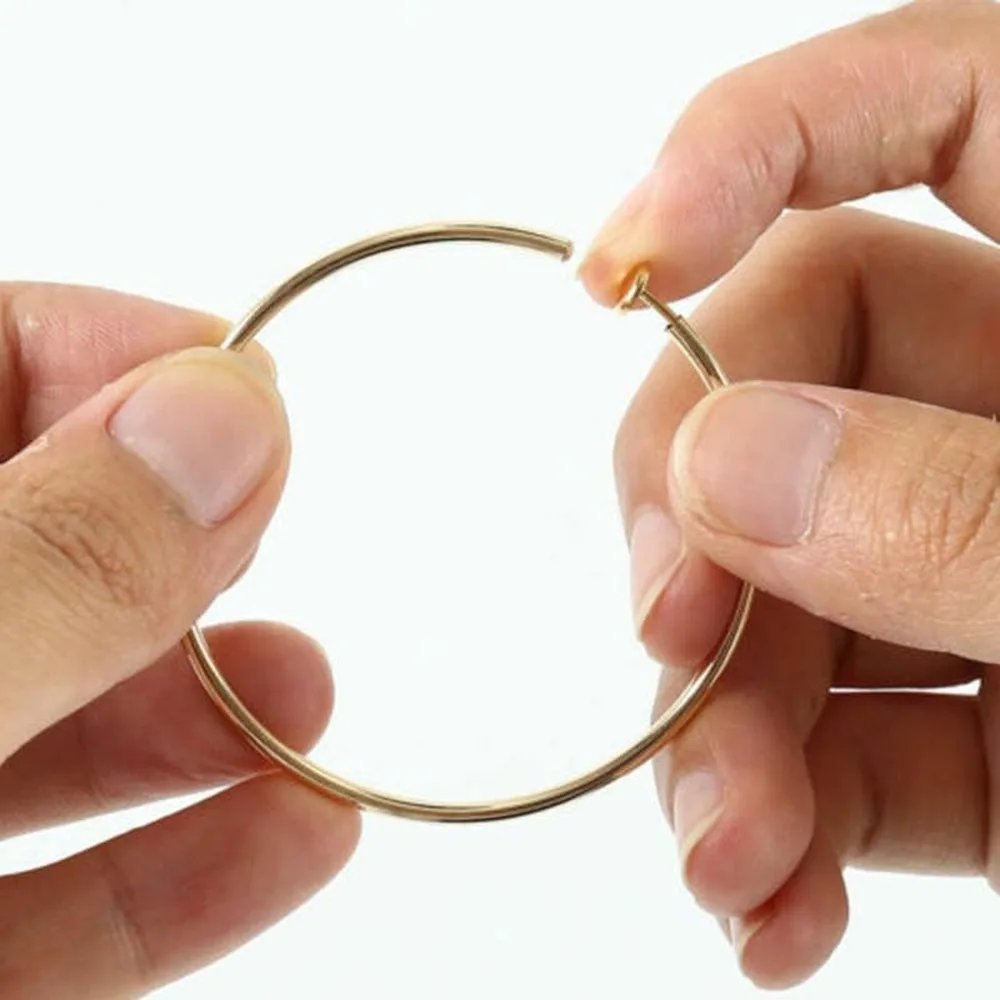
Okay, this isn’t a water softener. But it’s a top-rated, budget-friendly find from AliExpress that we think adds a bit of punk style. It’s a non-pierced hoop earring with a houndstooth goth design. At $2.51, it’s an impulse buy with a 92.3% positive rating. Not for your water, but maybe for your wardrobe.
- Extremely affordable
- High seller rating
- No piercing required
- Fashion accessory only
- Not a water product
- Check material for allergies

AliExpress Budget Pick: New Boho Women Soft Solid Print Headbands
Another non-water item, but a popular AliExpress accessory. This is a vintage-style, cross-knot elastic hairband. It’s got a 91.2% rating and costs just $2.64. A fun, cheap accessory to wear while you’re, you know, fixing your water softener.
- Very low cost
- Elastic and comfortable
- Vintage boho style
- Purely cosmetic
- Not a water tool
- Print may vary
FAQ
- Is softened water safe to drink?
- Yes, it’s generally safe for healthy individuals. The main change is increased sodium. If you have high blood pressure or are on a doctor-recommended low-sodium diet, consult your physician and consider using potassium chloride salt or installing a separate drinking water tap.
- Does a water softener remove chlorine or bacteria?
- No. A softener only removes hardness minerals (calcium and magnesium). It does not filter out chlorine, chloramine, bacteria, viruses, lead, or other contaminants. You need a separate filtration stage, like a carbon block filter or a UV disinfection system, for those.
- Can I use softened water in my aquarium?
- It’s not recommended. The added sodium and altered mineral content can be harmful to freshwater fish and plants. Always use the appropriate water source for your tank.
- How much salt does a softener add to the water?
- The amount varies based on your water’s hardness. As a rough guide, it can add about 20-40 mg of sodium per 8 oz glass for very hard water. Check your system’s manual or have your water tested post-softening for an exact number.
- Should I get a separate faucet for drinking water?
- This is the setup we recommend most often. Use the softened water for your whole house—showers, laundry, dishwasher—and install a dedicated, filtered tap at the kitchen sink for drinking and cooking. It’s the best of both worlds.
- What’s the difference between a water softener and a water conditioner?
- A softener uses salt-based ion exchange to remove hardness minerals. A salt-free conditioner uses a process like TAC to alter the minerals so they don’t form scale, but they remain in the water. Conditioners don’t provide the “soft water” feel or cleaning benefits.
Final Thoughts
So, should you drink softened water? My honest take: you can, but you probably shouldn’t make it your primary source. The added sodium isn’t great for everyone, and you’re still drinking whatever else is in your municipal or well water—chlorine, sediment, or worse.
The smartest play is a two-stage approach. Let the softener do its job protecting your plumbing and making showers better. Then, put a simple, high-quality filter on your kitchen tap for drinking water. If you need serious purification, an under-sink reverse osmosis system is perfect. For a reliable option, look into Culligan under sink water filtration systems. And if you just want cold, filtered water on demand, consider a water cooler rental service for your office or home. Get the right tool for each job.
