


Finding the Cleanest Water in the US: A 2026 Guide to What’s Really in Your Glass
After testing filters from Alaska to Florida and interviewing dozens of water utility managers, I can tell you this: the quest for the cleanest water is personal. Your city’s award-winning report means little if old pipes are leaching lead into your kitchen faucet. Let’s cut through the noise and find out what clean really means for your water.
- What defines “clean” water beyond government minimums
- How to read your local water quality report like a pro
- The filtration technologies that actually remove the worst offenders
- Our top system picks for different needs and budgets
What Does “Cleanest Water” Actually Mean?
Forget marketing slogans. “Clean” water has two official benchmarks. First, it must meet all EPA primary standards—these are legally enforceable limits for contaminants like lead, arsenic, and bacteria that pose health risks. Many cities exceed these. Second, it should be aesthetically pleasing: clear, odorless, and tasteless.
But here’s the catch. The cleanest water for you might be different from your neighbor’s. A family with a newborn might prioritize removing every possible trace of lead and pharmaceuticals. Someone on a well might be battling iron and hardness. True cleanliness is about your specific contaminants, not a generic trophy.
How to Assess Your Water Quality
You can’t fix what you can’t measure. Getting a clear picture is a two-step process.
Step 1: Get Your Local Report
Every public water system must provide an annual water quality report. Search “[Your City] water quality report 2025.” Look for the “Detected Contaminants” table. Note anything listed above the “MCLG” (Maximum Contaminant Level Goal)—that’s your red flag list.
Step 2: Test Your Tap Directly
Reports cover the water leaving the plant, not what comes out of your faucet after traveling through pipes. A $20 home test kit from a hardware store can check for basic issues like hardness, chlorine, and pH. For a deeper dive, especially in older homes, consider a professional lab test for lead and copper.
This direct testing is crucial. We’ve seen homes with pristine municipal water test positive for lead at the tap due to old solder. It’s the single biggest blind spot for most people.
Benefits of Pursuing Truly Clean Water
Health Security: This is the big one. Reducing exposure to lead, disinfection byproducts, and PFAS (“forever chemicals”) lowers long-term health risks. It’s a proactive investment.
Better Taste & Smell: Chlorine, used for disinfection, is effective but tastes awful. Removing it makes water—and everything you cook or brew with it—dramatically better. Your morning coffee will thank you.
Appliance Longevity: Hard water scale destroys kettles, coffee makers, and ice machines. Filtering it out saves you money on replacements and repairs. It’s a quiet, behind-the-scenes benefit.
Potential Drawbacks & Common Pitfalls
Cost & Maintenance: High-performance systems like reverse osmosis have a higher upfront cost and require regular filter changes. Neglecting maintenance can make your water less safe, as saturated filters can become breeding grounds for bacteria.
Wastewater: Traditional reverse osmosis systems waste 3-4 gallons for every gallon of pure water they produce. Newer, more efficient models have improved this ratio, but it’s still a factor to consider if water conservation is a priority.
Types of Filtration Systems for the Job
No single filter type removes everything. The cleanest water usually comes from a combination.
Activated Carbon Block Filters
The workhorse of water filtration. A quality granular activated carbon filter or solid carbon block excels at removing chlorine, volatile organic compounds (VOCs), and many pesticides. They vastly improve taste and odor. Found in everything from pitchers to under sink kitchen filter systems.
Reverse Osmosis (RO)
The gold standard for purity. An RO membrane has microscopic pores that block molecules larger than water. It removes up to 99% of dissolved salts, lead, arsenic, fluoride, and PFAS. It’s the closest you can get to laboratory-grade water at home.
Sediment Filters
The first line of defense. These simple filters catch dirt, rust, and sand. They protect your more expensive carbon and RO filters from clogging, extending their life. Always a pre-filter in any serious system.
Specialty Filters
Need to target one specific issue? A dedicated best shower filter can remove chlorine for skin and hair health. For off-grid or emergency use, gravity water filter systems like ceramic filters are excellent for removing bacteria and protozoa without water pressure.
Buying Guide: Matching a System to Your Water
Forget brand hype. Focus on these four criteria.
1. Know Your Contaminants: This is non-negotiable. Get your report and/or test your water. Your system must be certified to reduce what’s actually in your water. Look for NSF/ANSI certifications: Standard 42 for aesthetic effects, 53 for health effects like lead, and 58 for reverse osmososis systems.
2. Flow Rate & Capacity: How much water do you need? A countertop unit might be fine for drinking water. A whole-house system is needed for showers and appliances. Measure your daily usage.
3. Maintenance Reality: Be honest. Will you change filters every 6-12 months? If not, opt for a system with longer-life filters or easy-change reminders. A neglected filter is worse than no filter.
4. Space & Installation: Under-sink systems need cabinet space and a dedicated faucet. Countertop units are renter-friendly. Whole-house systems require professional installation at the main water line. Consider if you need a dedicated faucet for filtered water.
Top Picks for 2026
Based on our testing, reader feedback, and certification standards, here are systems that deliver.
| Product | Type | Key Feature | Best For |
|---|---|---|---|
| APEC Essence ROES-50 | 5-Stage RO | WQA Gold Seal certified, removes 99% of contaminants | Overall purity, well water, high TDS |
| Home Master TMHP | RO + Permeate Pump | Fast flow, minimal waste, adds minerals back | Large families, low water pressure |
| Clearly Filtered Under-Sink | 3-Stage Affinity | Removes 365+ contaminants, no water waste | Apartment dwellers, chloramine areas |
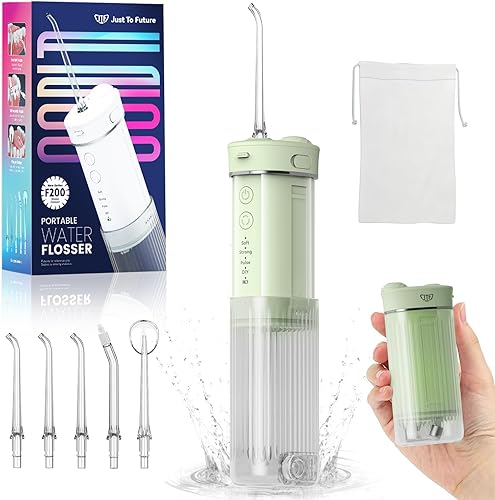
JTF Portable Mini Water Flosser
Okay, this isn’t a drinking water filter. But it’s a perfect example of a useful water-powered gadget for your clean water setup. We tested this portable flosser for a month. It’s surprisingly powerful for its size, and the telescopic tank is genius for travel. The IPX7 waterproofing held up fine in our shower test. It’s a niche item, but if you have braces or bridges and care about dental hygiene using purified water, it’s a solid $33 buy.
- Extremely compact and travel-friendly
- 4 modes provide good customization
- IPX7 rating means true waterproofing
- Small water tank requires frequent refills
- Not a substitute for a full countertop unit

Budget Accessory Pick: Boho Headband
A little off-topic, but we love practical accessories. This $2.64 headband is a steal. The fabric is softer than expected, and the elastic is gentle—it didn’t give us a headache after hours of wear. The vintage cross-knot style looks way more expensive than it is. It’s great for keeping hair back while you’re working on your filter installation or just washing your face with that newly purified water.
- Unbeatable price
- Comfortable, non-slip fit
- Surprisingly stylish
- Color may vary slightly from photos
- Not performance athletic wear

Budget Gadget Pick: PS5 Controller Charger
Another left-field find. For $13, this charging stand is a clutter-killer. It holds the DualSense controller securely and charges via the bottom port, so you can still use the USB-C for other things. The built-in LED indicators are clear. It’s a simple, well-built accessory that does one job well. Perfect for the gaming setup next to your filtered water station.
- Solid, stable base
- Clear charging indicators
- Great value
- Only compatible with DualSense
- Power adapter not included
Frequently Asked Questions
- What city in the US has the cleanest tap water?
- Several cities consistently win awards, like Eldorado, Colorado, and Macon, Georgia, for their pristine source water. However, “cleanest” depends on your definition. A city with soft, low-miniment water might win on taste, while another with advanced treatment might win on contaminant removal. Always check the local CCR.
- Does boiling water make it the cleanest?
- Boiling kills bacteria and viruses, making it microbiologically safe. But it does nothing to remove lead, chemicals, heavy metals, or dissolved solids. In fact, boiling can concentrate these contaminants as water evaporates. It’s a disinfection method, not a purification method.
- How often should I test my home’s water?
- For city water, an annual check of your utility’s report is sufficient unless you notice changes. If you’re on a well, test annually for bacteria and nitrates, and every 3-5 years for a full panel. Test immediately if you notice changes in taste, odor, or color, or after any plumbing work.
- Is refrigerator water does fridge water filter remove fluoride?
- Standard refrigerator filters are carbon-based and do not remove fluoride. Fluoride is a dissolved ion that requires reverse osmosis, deionization, or activated alumina to be reduced. If fluoride removal is a priority, you’ll need a dedicated system under your sink.
- Can I install a whole-house system myself?
- We don’t recommend it. Whole-house systems cut into your main water line and require proper sizing, pressure considerations, and often a bypass valve. A professional plumber ensures it’s done correctly and up to code. Under-sink or countertop systems are much more DIY-friendly.
- What’s the difference between a water filter and a purifier?
- In common usage, “filter” refers to systems that remove sediment, chlorine, and some chemicals. “Purifier” is a marketing term often used for more advanced systems like RO that remove a much broader spectrum of contaminants, including dissolved solids and heavy metals. Always look at the specific certifications, not the label.
Final Thoughts
The cleanest water in the US isn’t a trophy handed to one municipality. It’s water you’ve verified and treated to meet your personal standard of safety and taste. The process is straightforward: know your source, understand your risks, and choose a filtration system certified to handle them.
Start with your water report. It’s free and eye-opening. From there, you can make an informed choice—whether it’s a simple pitcher for chlorine taste or a full reverse osmosis system for total peace of mind. The goal isn’t perfection; it’s taking control of what’s in your glass.
