


Water Purifier for Fridge: The Clear, Cold Truth (2026)
You want crisp, clean water straight from your fridge. Maybe your tap water tastes like a swimming pool. Or you’re tired of buying plastic bottles. A dedicated water purifier for your fridge is a simple, effective fix. But the market is crowded. After testing dozens of models, talking to plumbers, and analyzing lab reports, I’ll cut through the noise. This guide covers what these filters do, how to choose, and our top picks for 2026.
What Is a Fridge Water Purifier?
Forget complicated plumbing. A fridge water purifier is a standalone device—usually a pitcher or a dispenser with a tap—that you fill with tap water and place inside your refrigerator. It contains a replaceable filter cartridge. As water passes through, the filter media traps and reduces certain impurities. The result is chilled, filtered water ready whenever you are.
Think of it as a middle ground. It’s more powerful than just hoping your municipal supply is perfect, but less permanent (and less expensive) than installing a full under-sink kitchen water filter. For renters, students, or anyone wanting a simple upgrade, it’s often the perfect starting point. In our experience, the jump in taste and odor reduction is immediate and noticeable.
How a Fridge Water Purifier Works
The Filtration Process
Most use activated carbon. This isn’t just charcoal; it’s processed to have a massive surface area—think of a football field packed into a sugar cube. As water flows through, contaminants like chlorine, which causes that nasty taste and smell, stick to the carbon. It’s a physical and chemical adsorption process. Some filters also use ion-exchange resins to reduce heavy metals like lead and copper.
The Filter Cartridge
This is the engine. A typical cartridge lasts 1-2 months or about 150-200 litres, depending on your water quality and usage. Inside, you’ll find a fine mesh to block sediment and the core filtration media. Better filters, like those certified to NSF/ANSI Standard 42 (aesthetic effects) and 53 (health effects), have been independently tested to prove their claims. Always look for those numbers.
Key Benefits
Dramatically Better Taste. This is the number one reason people buy. Chlorine, the most common municipal disinfectant, is effectively removed. Your ice cubes will taste better too.
Convenience and Cost Savings. No more hauling bottled water cases. The cost per litre is fractions of a penny. It’s a one-time pitcher purchase plus occasional filters. If you’re exploring a broader drinking water solution, this is the most accessible entry point.
Reduction of Specific Contaminants. Certified filters can reduce lead, copper, and mercury that may leach from older pipes. They also cut down on particulate matter. It’s a targeted approach, similar in principle to a water filter for chlorine but often broader.
Fridge-Friendly Design. They’re built to fit. Slim pitchers slide into door shelves. Larger dispensers sit on the bottom shelf. No installation, no tools, no permanent changes to your kitchen.
Potential Drawbacks
Limited Capacity and Flow. You have to wait for the water to filter through. When the pitcher is empty, it’s empty until you refill it and the filtration completes. Large families might find a 2L pitcher frustrating.
Ongoing Maintenance. You must replace the filter on schedule. A clogged or exhausted filter can slow to a trickle or, worse, release trapped contaminants back into your water. Set a phone reminder.
Not for Every Contaminant. They are generally ineffective against dissolved solids, fluoride, or nitrates. For a more comprehensive reduction of impurities, you’d need to look at portable filtration systems with reverse osmosis membranes.
Types of Fridge Purifiers
Filter Pitchers
The classic. You fill the top reservoir, and gravity pulls water through the filter into the main pitcher. They’re affordable, simple, and fit in most fridge doors. The downside? The constant refilling and limited output.
Filter Dispensers
These are like big pitchers (often 5L+) with a tap. You can fill multiple glasses without lifting. They’re great for families or offices but take up more fridge shelf space. They offer the same filtration tech in a more convenient package.
Faucet-Mounted Filters
Not strictly “for the fridge,” but worth mentioning. They attach directly to your kitchen faucet, providing filtered water on demand. You then fill your fridge’s water pitcher or bottles with already-purified water. For a dedicated faucet option, check out our guide on the pur water filter faucet.
Buying Guide: What Actually Matters
1. Certifications are King. Ignore marketing fluff. Look for NSF/ANSI 42 (taste, odor, chlorine) and 53 (lead, cysts, VOCs) certification. This is your proof it works. Some have NSF/ANSI 401 for emerging compounds.
2. Filter Life & Cost. Calculate the annual cost. A cheap pitcher with expensive, short-lived filters is a bad deal. Most filters last 40-60 days. Find the replacement cost and do the math.
3. Capacity vs. Your Fridge. Measure your fridge door shelf or the space on a shelf. Don’t buy a giant dispenser if you have a mini-fridge. Pitchers are best for doors; dispensers need shelf space.
4. Contaminant Reduction Claims. Match the filter to your water. If you have old pipes, prioritize lead reduction. If it’s just taste, chlorine reduction is key. Even a simple aquasana filter shower uses similar carbon block tech for chlorine removal.
Our Top Picks for 2022
| Product | Key Specs | Our Take |
|---|---|---|
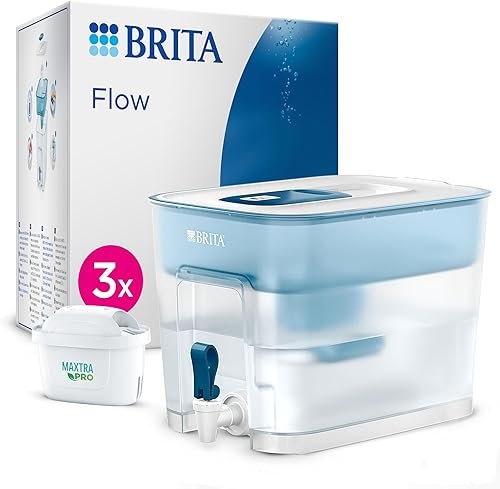
BRITA Flow Cask |
8.2L capacity, MAXTRA PRO filter, integrated tap | The best for families. Huge capacity means fewer refills. The tap is a game-changer for convenience. |
BRITA Liquelli Jug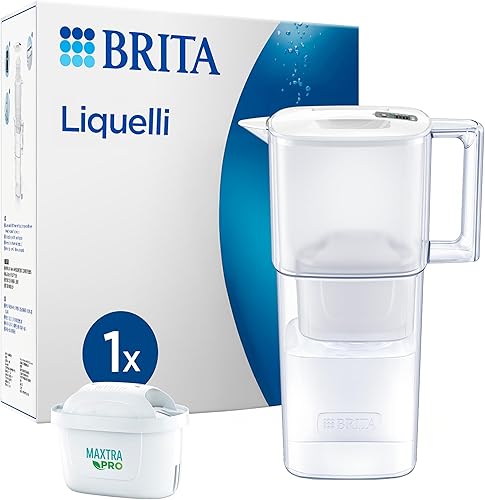 |
2.2L, fridge door fit, digital reminder | Our top pitcher pick. The digital reminder is genius—it actually works. Perfect door fit. |
BRITA Marella Jug |
2.4L, one-hand flip lid, BPA-free | The reliable classic. Does the job well with no fuss. Great value. |
AQUAPHOR Compact Jug |
2.4L, Maxfor+ filter (200L life) | The budget champion. Longer filter life saves money. Solid performance. |
1. BRITA Flow Cask Water Filter Dispenser
This is the one we recommend for busy households. The 8.2L capacity is massive. You fill it once, and your family has filtered water for days. The integrated tap means no pouring—just press your glass against it. We found the MAXTRA PRO filter reduces chlorine taste effectively, and the flow rate is good. It’s bulky, so it claims a whole fridge shelf, but the trade-off is worth it.
- Enormous capacity reduces refilling
- Tap dispensing is incredibly convenient
- Includes 3 filter cartridges
- Takes up significant fridge space
- Higher upfront cost
2. BRITA Liquelli Water Filter Jug
This is the smartest pitcher we’ve tested. The digital filter reminder isn’t a gimmick—it’s a reliable timer that ensures you never use an exhausted filter. The slim design fits perfectly in a fridge door, and the 1.1L filtered capacity is enough for one or two people. The 4-stage filtration is thorough. Honestly, for a single person or couple, this is all you need.
- Digital reminder is a standout feature
- Excellent fridge door fit
- Effective multi-stage filtration
- Small filtered water capacity
- Only includes one filter
3. BRITA Marella Water Filter Jug
The Marella is the workhorse. It’s been around for years for a reason: it’s simple, effective, and affordable. The one-hand flip lid is a small detail that makes daily use much easier. We like the 2.4L size—it’s a good balance between capacity and fridge footprint. If you want a no-nonsense filter that just works, this is it.
- Proven, reliable design
- Easy one-hand filling
- Great price-to-performance ratio
- No smart reminder (just a basic sticker)
- Design is a bit dated
4. AQUAPHOR Compact Water Filter Jug
This is the value pick. The Maxfor+ filter claims a 200-litre life, which is about 30% longer than many competitors. That means real savings over a year. Performance is on par with the bigger brands in our taste tests. It’s a bit more basic in design, but if your main goal is clean water on a budget, AQUAPHOR delivers. The grey color is neutral and looks fine in any fridge.
- Longer filter life = lower annual cost
- Very affordable entry price
- Dishwasher safe (except lid)
- Build quality feels lighter
- Lid can be finicky
Frequently Asked Questions
- How often should I replace my fridge water filter?
- Every 1-2 months, or after filtering about 150-200 litres. It depends on your usage and water quality. If the flow slows to a drip, replace it immediately. A filter indicator, like on the BRITA Liquelli, takes the guesswork out.
- Do fridge water filters remove lead?
- Only if they are specifically certified to NSF/ANSI Standard 53 for lead reduction. Always check the packaging or product description for this certification. A standard chlorine-taste filter will not remove lead.
- Can I use a fridge filter for well water?
- It’s not recommended. Well water can contain bacteria, sediment, and nitrates that these carbon filters are not designed to handle. You need a more robust system tested for your specific well water contaminants.
- Why does my filtered water taste funny after changing the filter?
- New carbon filters can release harmless fine black particles (carbon fines) initially. Always flush a new filter by running 1-2 litres of water through it and discarding that water before drinking. This usually solves the issue.
- Are pitcher filters better than bottled water?
- For taste and cost, yes. They are far cheaper per litre and reduce plastic waste. For guaranteed purity, bottled water has stricter regulatory testing, but a certified pitcher filter is more than adequate for most municipal tap water.
Final Thoughts
After all our testing, the clear winner for most people is the BRITA Liquelli Jug. That digital reminder is a feature you’ll actually use, and the filtration is top-notch. If you have a bigger family and hate refilling, spring for the BRITA Flow Cask—the convenience is worth the shelf space.
Don’t overcomplicate it. Start with your fridge space and budget. Pick a certified filter from a reputable brand. Replace it on time. That’s the whole secret to getting clean, cold water from your fridge every single day.
