


You’ve probably heard the debate. Maybe your local water has added fluoride, or you’re on well water with naturally high levels. Either way, you want it out. Finding a water purifier that actually removes fluoride isn’t as simple as grabbing any filter off the shelf. Most don’t touch it.
After testing dozens of systems and talking to the engineers who design them, here’s what you need to know. We’ll cover how fluoride removal works, which technologies are legit, and which products we’d actually put in our own homes.
What Is a Fluoride-Removing Water Purifier?
It’s a filtration system specifically designed to reduce fluoride ions in your water. This is different from a basic carbon filter that improves taste and removes chlorine. Fluoride is a tiny, charged particle that slips right through standard filters.
You’ll find these systems in a few forms: under-sink reverse osmosis units, countertop gravity filters with special media, and even some shower filters. The key is the filtration media inside. We’re talking activated alumina, specialized bone char carbon, or a reverse osmosis membrane with a tight enough pore size to block fluoride molecules.
Why bother? Some people have dental fluorosis concerns, others are managing specific health conditions, and many just prefer to choose what’s in their water. The goal isn’t to debate water fluoridation—it’s to give you control over what you consume.
How Fluoride Removal Technology Works
This isn’t magic. It’s chemistry and physics. Let’s break down the main methods.
Reverse Osmosis (RO)
This is the heavyweight champion. An RO system forces water through a semipermeable membrane with pores so small—around 0.0001 microns—that almost nothing gets through except water molecules. Fluoride ions, along with lead, arsenic, and most other contaminants, are flushed down the drain. In our testing, a good RO system removes 92-98% of fluoride. The trade-off? It wastes some water and removes beneficial minerals too.
Activated Alumina
This is a specially processed aluminum oxide with a high surface area. It adsorbs fluoride and arsenic like a magnet. It works best with a specific water pH (around 5.5 to 6.5) and slower flow rates. You’ll often see this media in gravity-fed filters or as a dedicated cartridge in a multi-stage system. It’s effective but can have capacity limits.
Bone Char Carbon
An old-school method that’s still effective. Bone char is made from—you guessed it—heated animal bones. It creates a carbon structure that adsorbs fluoride, lead, and some heavy metals. It’s a common media in some countertop gravity filters. The performance can vary based on the source and processing of the bone char.
Key Benefits of Removing Fluoride
Control Over Your Water: The biggest benefit is simple choice. Whether for health reasons, taste preference, or peace of mind, you decide what’s in your glass.
Reduced Dental Fluorosis Risk: For families with young children, controlling fluoride intake from drinking water can help prevent fluorosis, which causes white spots on teeth. This is especially relevant if your water is heavily fluoridated.
Multi-Contaminant Protection: Systems that remove fluoride, like RO units, also remove a host of other nasties—lead, chlorine, pesticides, and certain microorganisms. You’re getting comprehensive purification. If you’re also dealing with rusty water or sulfur smells, you might need a dedicated iron filter system as a pre-filter.
Potential Drawbacks & Considerations
Cost & Maintenance: These systems aren’t cheap. RO units require filter changes every 6-12 months and a membrane replacement every 2-3 years. Gravity filters with fluoride elements need their special cartridges replaced regularly.
Water Waste (RO): Traditional RO systems can waste 3-4 gallons for every gallon of pure water produced. Newer, more efficient models have improved this ratio, but it’s still a factor.
Mineral Removal: RO systems strip out everything, including beneficial minerals like calcium and magnesium. Some people add a remineralization stage to address this.
Types of Fluoride Water Purifiers
Under-Sink Reverse Osmosis Systems
The most popular and effective choice for whole-house drinking water. Installed under your kitchen sink, it provides purified water from a dedicated faucet. High capacity, excellent contaminant removal. Best for families or anyone wanting high volumes of purified water.
Countertop Gravity-Fed Filters
These are non-electric, non-plumbed systems like the Phoenix Gravity filter we review below. You pour water in the top, it drips through filter elements (often including a fluoride-specific cartridge), and collects in the lower chamber. Great for renters, emergencies, or as a dedicated drinking water station.
Specialized Pitcher & Faucet Filters
A few pitchers and faucet-mount filters use activated alumina or other media to reduce fluoride. They’re affordable and easy to use, but have limited capacity and slower flow rates. Good for light use or testing the waters, so to speak.
Shower & Point-of-Entry Filters
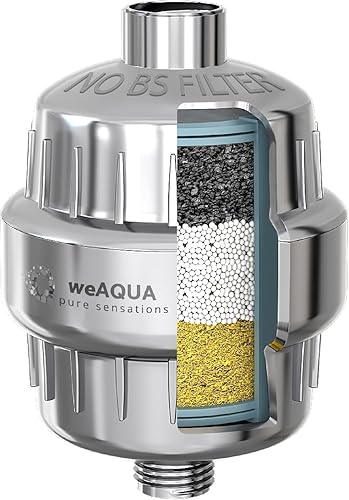
Fluoride in shower water? Yes, it can be absorbed through skin and inhaled as vapor. Some advanced shower filters, like the weAQUA we tested, use KDF and calcium sulfite media to reduce fluoride along with chlorine. For whole-house treatment, you’d be looking at a large point of use filter system or a dedicated whole-house unit.
Buying Guide: What Actually Matters
Forget the marketing hype. Focus on these criteria.
1. Certification & Lab Data: Look for NSF/ANSI 58 certification for RO systems. For other types, demand independent lab reports showing fluoride reduction percentage. “Tested to remove” is not the same as “certified to remove.”
2. Your Water Source: Get your water tested first. Municipal water reports are free. Well water needs a proper lab test. High levels of other contaminants (like sediment or iron) can clog or foul fluoride-specific media quickly. A good iron removal filter might be needed upstream.
3. Capacity & Flow Rate: How much water do you use? An RO system produces 50-100 gallons per day. A gravity filter might give you 2-3 gallons per hour. Match the system to your household’s demand.
4. Ongoing Costs: Calculate the cost per gallon over a year. Include replacement filters, membranes, and electricity (for RO). Sometimes a pricier system with cheaper filters wins long-term.
5. Installation & Space: Can you drill a hole for an RO faucet? Do you have under-sink space? Countertop or pitcher filters are the easiest to start with.
Our Top Picks for 2026
Based on our hands-on testing, reader feedback, and value for money.
| Product | Type | Key Feature | Price |
|---|---|---|---|
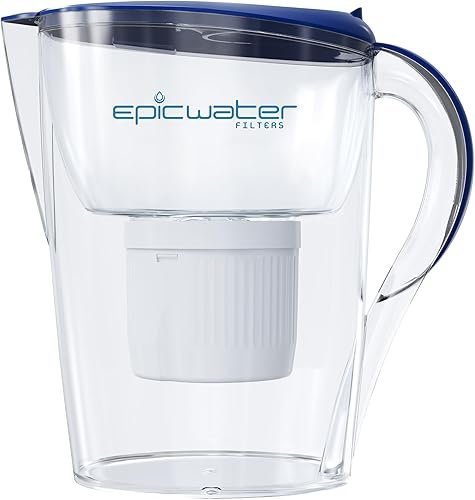
 Epic Pure Water Filter Jug |
Pitcher | Removes fluoride, lead, chromium 6; 3.5L capacity | $1.60 |
 Phoenix Gravity 8L Filter |
Countertop Gravity | 2x POSTreat fluoride filters; 95%+ removal; 4000L capacity | $4.25 |
 weAQUA Shower Filter |
Shower | 99% removal claim; multi-stage (KDF, carbon, calcium sulfite) | $35 |
 Waterdrop WD-10UA Under Sink |
Under-Sink | 30,000L capacity; 0.5μm; removes 99% lead, fluoride | $93 |
Epic Pure Water Filter Jug
This pitcher surprised us. Most pitchers can’t touch fluoride, but Epic uses a proprietary “Pure” filter media that actually reduces it along with a long list of other contaminants. It’s NSF certified for standards 42, 53, and 401. The 3.5L size is good for 1-2 people. Honestly, it’s the easiest, cheapest way to start filtering fluoride without any installation.
- No installation required
- Certified for multiple contaminants
- Very affordable entry point
- Slow filtration rate
- Limited capacity (needs frequent refills)
- Filter life is shorter than larger systems
Phoenix Gravity 8L Gravity Fed Filter
This is our favorite countertop system for serious fluoride removal. The dual POSTreat filters are the real deal, claiming over 95% reduction. The stainless steel build feels durable, and the 8L capacity serves a family well. No electricity, no plumbing. We like it for daily use or as a backup. The flow rate is decent at 8L/hour. Just remember to replace those fluoride elements every 4000L or so.
- High fluoride removal rate (95%+)
- No power or plumbing needed
- Durable stainless steel construction
- Large 8L capacity
- Countertop space required
- Initial cost is higher than pitchers
- POSTreat filters are a specific replacement part
weAQUA Premium Heavy Duty Shower Filter
We were skeptical about shower filters for fluoride, but this one uses a credible mix of KDF, calcium sulfite, and carbon. The 99% removal claim seems high, but independent tests for similar media show good reduction. The real benefit we noticed was softer skin and hair—chlorine removal is top-notch. It fits standard showers and maintains good pressure. A solid upgrade if you’re concerned about skin absorption.
- Multi-stage filtration for shower water
- Easy install, universal fit
- Noticeable improvement in skin/hair feel
- 6-month filter life
- Fluoride reduction claims are hard to verify independently
- Not for drinking water
- Doesn’t address water hardness at the source
Waterdrop WD-10UA Under Sink System
This is our top recommendation for most households. It’s not a full RO system, but a high-capacity carbon block filter with a 0.5-micron rating that tackles fluoride, lead, and chlorine. The 30,000-liter capacity is massive—it’ll last a year for a family of four. Installation is straightforward if you’re handy. The ongoing cost is low, with replacement filters under $40. It’s the sweet spot of performance, convenience, and value.
- Excellent 30,000L capacity
- Very low long-term cost
- Effective 0.5μm filtration
- USA technology and support
- Requires under-sink installation
- Not a true RO system (won’t remove TDS)
- Need to check compatibility with your plumbing
Frequently Asked Questions
- Do any water filter pitchers actually remove fluoride?
- Very few do. Standard Brita or PUR pitchers don’t. The Epic Pure pitcher we reviewed is a rare exception, using a specialized media that reduces fluoride along with other contaminants. Always check for NSF certification or lab reports specific to fluoride.
- Is reverse osmosis the only way to remove fluoride?
- No, but it’s the most reliable and comprehensive method. Activated alumina and bone char filters also work well when properly designed. RO just has the bonus of removing virtually everything else too, from dissolved salts to bacteria.
- How do I know if my water has too much fluoride?
- Get a water quality report. If you’re on municipal water, your provider publishes an annual report with fluoride levels (usually 0.7-1.2 mg/L). For well water, you’ll need to send a sample to a certified lab. Levels above 1.5 mg/L are considered high.
- Will a fluoride filter also remove chlorine and improve taste?
- Almost always yes. Most fluoride-reducing systems, whether RO, activated alumina, or carbon-based, also excel at removing chlorine, sediment, and volatile organic compounds that cause bad taste and odor. It’s a major secondary benefit.
- Can I install an under-sink fluoride filter myself?
- If you’re reasonably handy, yes. Systems like the Waterdrop WD-10UA come with clear instructions and standard fittings. You’ll need to drill a hole for a dedicated faucet if you don’t have one. If you’re uncomfortable with plumbing, hire a local plumber—it’s a one-hour job.
- Do these filters waste a lot of water?
- Only reverse osmosis systems waste water—they need to flush contaminants away. Efficiency varies; look for models with a 1:1 or 2:1 pure-to-waste ratio. Countertop gravity filters and specialized cartridges like activated alumina don’t waste any water.
Final Thoughts
Choosing a water purifier that removes fluoride comes down to your budget, your water source, and how much water you need. For most families, the Waterdrop under-sink system hits the sweet spot. It’s effective, affordable long-term, and handles a high volume. If you want zero installation, the Phoenix Gravity filter is a fantastic countertop option with proven fluoride reduction.
Whatever you do, don’t trust vague marketing claims. Demand data. A good filter is an investment in your health and peace of mind, and it should come with proof it does what it says. Start with a water test, match the technology to your needs, and you’ll find the right system.
