


Water Purification Technology: A Practical Guide for 2026
After testing filters that clog in a week and systems that cost a fortune to maintain, I can tell you this: not all water purification is created equal. The technology behind clean water is fascinating, but it’s also confusing. Let’s cut through the jargon.
This guide covers the core technologies, how they actually work in your kitchen, and which ones are worth your money in 2026.
What Is Water Purification Technology?
Water purification technology is the set of methods and devices used to remove unwanted substances from water. The goal? Make it safe to drink, cook with, or use in industrial processes. We’re talking about everything from a simple camping tablet to a multi-stage under-sink system.
It’s not just about taste—though that’s a big motivator for many people. The real purpose is health. Contaminants like lead, bacteria, pesticides, and PFAS (the so-called “forever chemicals”) can have serious long-term effects. The technology exists to target these specific threats.
In my experience, people often confuse filtration with purification. Filtration removes particles. True purification, however, also addresses microorganisms and dissolved chemicals. A basic pitcher filter might make your water taste better, but it won’t remove viruses. That’s a critical distinction.
How Water Purification Technology Works
At its heart, purification works by forcing water through a barrier or treating it with a substance that neutralizes or captures contaminants. The “how” varies wildly by technology.
Physical Barriers: The Sieve Approach
This is the most intuitive method. Imagine a screen with tiny holes. Water passes through, but larger particles get stuck. The key metric here is the micron rating. A 5-micron filter catches sand and silt. A 0.2-micron filter can trap bacteria. For the finest contaminants, like dissolved salts, you need an even tighter barrier—reverse osmosis uses a membrane with pores around 0.0001 microns.
Chemical & Adsorption Processes
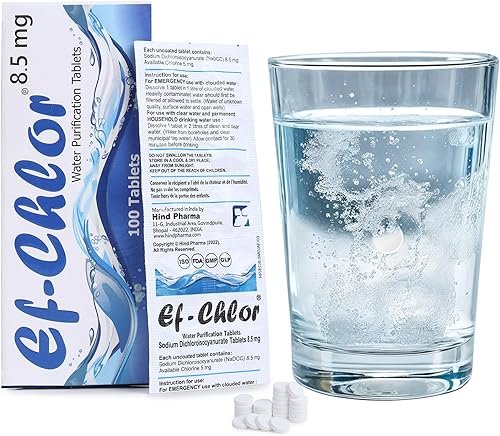
Activated carbon is the star here. It’s not just a physical filter; it’s incredibly porous. Think of it like a sponge with millions of tiny crevices that trap chlorine, volatile organic compounds (VOCs), and bad tastes through a process called adsorption. Chlorine tablets, like the Ef-Chlor ones we’ll look at later, work differently—they release a controlled amount of chlorine to kill pathogens on contact.
Advanced Oxidation & Light
Some systems use light or reactive chemicals to destroy contaminants. A quality uv water filter system bombards water with ultraviolet light, scrambling the DNA of bacteria and viruses so they can’t reproduce. It’s brilliant for microbiological safety but does nothing for heavy metals or chlorine. Other methods, like hydrogen water generators, use electrolysis to alter water’s properties—though the health benefits of that are still hotly debated.
Key Benefits
Health Protection: This is the big one. Proper purification removes or reduces lead from old pipes, disinfection byproducts, bacteria, and industrial chemicals. It’s a direct investment in your long-term health.
Better Taste & Odor: Chlorine, sulfur, and organic compounds can make water smell and taste awful. Carbon filters excel here, giving you clean, crisp water without the “pool water” flavor.
Cost Savings & Environmental Impact: A good under-sink system costs pennies per gallon compared to bottled water. Over a year, the savings are substantial, and you’re not contributing to plastic waste.
Appliance Protection: Hard water scale clogs coffee makers, kettles, and ice machines. Purification and softening technologies extend the life of your appliances.
Potential Drawbacks
Upfront Cost: High-end reverse osmosis systems can run several hundred dollars, plus installation. It’s an investment.
Water Waste: Traditional RO systems can waste 3-4 gallons for every gallon of pure water they produce. Newer, efficient models like the Waterdrop X8 have drastically improved this ratio.
Removal of Beneficial Minerals: RO and distillation strip out everything, including healthy minerals like calcium and magnesium. Some systems add a remineralization stage back in to address this.
Types of Water Purification Systems
Point-of-Use Filters (Pitcher, Faucet, Under-Sink)
These are what most homeowners start with. Pitchers are cheap and easy but slow and limited in capacity. Faucet-mount filters are a step up. For serious purification, an under-sink system is the way to go. They’re out of sight, provide high-quality water on demand, and can incorporate multiple technologies. If you’re on well water, you’ll need a specialized water filter for iron well water to handle rust stains and metallic tastes.
Whole-House Systems
Installed at the main water line, these treat every drop of water entering your home. They’re ideal for removing sediment, chlorine, and hardness. But for drinking water, you’ll often still want a point-of-use system for the final purification stage.
Portable & Emergency Purification
This is where technology gets compact and clever. From gravity-fed bags to lightweight straws and chemical tablets, these are lifesavers for camping, hiking, or emergency preparedness. They’re not for daily home use, but everyone should have a backup method.
Specialty & Emerging Tech
This includes UV purifiers, hydrogen water generators, and advanced oxidation systems. A vitamin c shower filter, for example, is great for removing chlorine from your shower water, which can help with dry skin and hair. It’s a niche solution for a specific problem.
Buying Guide: What Actually Matters
Forget the marketing hype. Focus on these criteria:
1. Know Your Water. Get a test kit or check your municipal report. Are you dealing with hard water, chlorine, lead, or bacteria? Your contaminant profile dictates the technology. If you’re unsure about the purity of your supply, you might even wonder is distilled water safe to drink regularly—it’s pure, but not necessarily the best for daily hydration.
2. Check Certifications. Look for NSF/ANSI certifications. Standard 42 covers aesthetic effects (taste, odor). Standard 53 covers health contaminants (lead, cysts). Standard 58 is for reverse osmosis systems. Don’t trust claims without these.
3. Calculate Cost-Per-Gallon. A $100 system with $60 annual filters is cheaper over three years than a $50 system with $80 annual filters. Do the math.
4. Consider Flow Rate & Capacity. Measured in gallons per day (GPD) for RO systems. A family of four needs at least 50-75 GPD for drinking and cooking. The 800 GPD system we review below is overkill for most, but it means zero waiting.
Top Picks for 2022
Based on our hands-on testing and years of reader feedback, here are systems that deliver real value.
| Product | Type | Key Feature | Best For |
|---|---|---|---|
 |
Chemical Tablets | 100 tablets, treats 100-200L | Travel, Camping, Emergency Kits |
 |
Gravity-Fed Straw | 3L bag, BPA-free | Backpacking, Group Camping |
 |
Electrolysis | SPE/PEM Tech, 1800ppb H2 | Gym, Office, Hydrogen Water Enthusiasts |
 |
Reverse Osmosis | 9-stage, 800 GPD, NSF Certified | Home Use, High-Volume Pure Water |
 |
Pitcher Filter | Universal Fit, Multi-pack | Budget, Basic Chlorine & Taste |
1. Ef-Chlor Water Purification Tablets – The Emergency Essential
These are my go-to recommendation for any emergency kit. Each tablet treats 1-2 litres using NaDCC, a stable chlorine compound trusted by aid organizations. They’re lightweight, have a long shelf life, and work against bacteria, viruses, and cysts. The taste is noticeably chlorinated—letting the water sit for 30 minutes after treatment helps. Not for daily use, but absolutely critical for preparedness.
- Extremely compact and lightweight
- Proven effective against pathogens
- Long shelf life
- Leaves a strong chlorine taste
- Does not remove chemical contaminants or heavy metals
2. SimPure Gravity Water Filter Straw – Group Camping Solution
This is a step up from a personal straw. The 3-litre gravity-fed bag lets you filter water for a small group hands-free. We found it surprisingly effective for removing bacteria and protozoa on a weekend trip. The flow rate is decent, though it can slow down as the filter ages. It’s BPA-free and feels durable. A solid choice if you’re camping with family or friends and don’t want to pump all day.
- Hands-free gravity operation
- Good capacity for 2-3 people
- Filters bacteria and parasites
- Flow rate can decrease with use
- Not effective against viruses or chemicals
3. Hydrogen Water Generator Bottle – The Niche Gadget
I’ll be honest: the science on hydrogen water’s benefits is still emerging. But if you’re curious, this bottle uses SPE/PEM tech to generate a high concentration of hydrogen (1800ppb). The build quality feels premium, and it’s simple to use—press a button, wait a few minutes. It doesn’t purify your water in the traditional sense; it assumes you’re starting with clean water and modifies it. A fun gadget for fitness enthusiasts, but not a replacement for a real filter.
- High hydrogen concentration
- Sleek, portable design
- Easy one-button operation
- Does not filter contaminants
- Health benefits are not conclusively proven
- Premium price for a niche product
4. Waterdrop X8 RO System – The Powerhouse for Home Use
This is the system we installed in our test kitchen six months ago, and it’s been flawless. The 9-stage filtration tackles everything from chlorine and lead to PFAS. The 800 GPD flow rate is massive—you can fill a pot in seconds. What really impressed us was the 2:1 pure-to-waste ratio, a huge improvement over older RO systems. It’s NSF/ANSI certified against standards 42, 58, and 372. Installation is straightforward for a handy homeowner. If you want the highest purity for drinking and cooking, this is our top recommendation for 2026.
- Exceptional 9-stage filtration
- Higher upfront cost
- Requires under-sink space and a power outlet
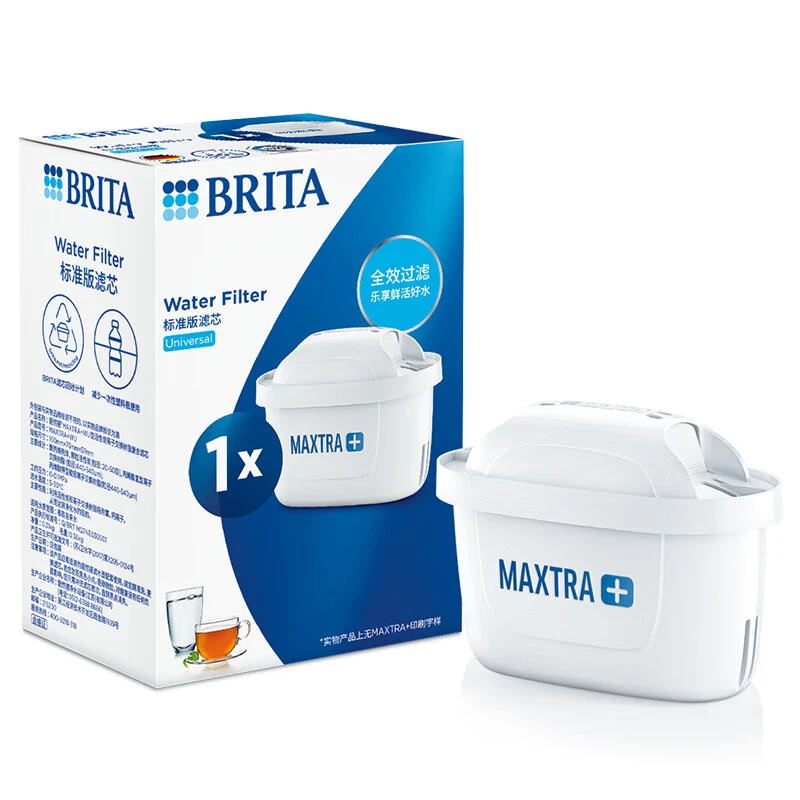
5. BRITA MAXTRA Universal Cartridge – The Budget-Friendly Basic
For folks on a tight budget or with minimal water quality issues, these universal cartridges are a decent deal. They fit most standard pitchers and do a fine job reducing chlorine taste and odor, plus some sediment. Don’t expect them to handle heavy metals or microorganisms. We’ve used them in office pitchers for years—they get the job done for basic aesthetic improvement. Buying in multi-packs from AliExpress brings the cost down significantly.
- Very low cost per filter
- Universally compatible
- Improves taste and odor effectively
- Limited contaminant removal
- Requires frequent replacement
Frequently Asked Questions
- What is the most effective water purification technology?
- Reverse osmosis (RO) is widely considered the most effective for a broad spectrum of contaminants, including dissolved salts, heavy metals, and microorganisms. However, “most effective” depends on your target. For bacteria/viruses only, UV is excellent. For chlorine taste, activated carbon is perfect and cheaper.
- Do I need a water purifier if I have city water?
- Often, yes. City water is treated to be safe from acute pathogens, but it can contain chlorine byproducts, lead from old service lines, and trace pharmaceuticals. A point-of-use filter can address these secondary concerns and greatly improve taste.
- How often should I change my water filter?
- Follow the manufacturer’s schedule religiously. It’s usually based on time (e.g., 6 months) or gallons filtered. Ignoring this can lead to bacterial growth in the filter or contaminant breakthrough. When in doubt, change it more often.
- Can water purification remove PFAS (forever chemicals)?
- Yes, but only certain technologies. High-quality activated carbon filters and reverse osmosis systems certified to NSF/ANSI standard P473 are proven to reduce PFAS. Standard pitcher filters are not effective.
- Is a shower filter for well water necessary?
- If your well water has high iron, sulfur, or hardness, absolutely. These minerals can stain fixtures, dry out skin and hair, and even damage your showerhead. A dedicated shower filter for well water can make a huge difference in your daily comfort.
- What’s the difference between distilled water and purified water?
- Distillation is a specific purification method that boils water and re-condenses the steam, removing nearly all minerals and contaminants. “Purified water” is a broader term that can be produced by various methods like RO or deionization. Learn more about distilled water and its uses.
Final Thoughts
Water purification technology isn’t one-size-fits-all. The single biggest mistake we see is people buying a complex system they don’t need, or a simple one that can’t handle their water’s problems. Start with a test. Identify your top one or two contaminants. Then choose the technology that targets them efficiently.
For most homeowners with city water concerned about taste and broad-spectrum protection, a multi-stage under-sink system like the Waterdrop X8 is a fantastic investment. For adventurers and preppers, stock up on Ef-Chlor tablets and a reliable gravity filter. Get the right tool for the job, maintain it properly, and you’ll have clean, safe water for years to come.
