


You’ve heard the buzz about “advanced” filters. But what does that actually mean for the water coming out of your tap? After testing systems for over a decade, I can tell you it’s not just marketing hype. It’s about targeting specific threats that basic pitchers and faucet filters simply can’t handle.
- What separates advanced purification from standard filtration
- The core technologies that actually work (and which are overkill)
- How to match a system to your real-world water problems
- Our hands-on picks from countertop to whole-house solutions
What Is Advanced Water Purification?
Think of it as a multi-stage defense system for your water. While a basic carbon filter tackles chlorine taste and odor, advanced purification is designed to remove or destroy a much wider array of contaminants. We’re talking heavy metals like lead, industrial chemicals such as PFAS, and microbiological threats including bacteria, viruses, and cysts.
The goal isn’t just cleaner-tasting water. It’s safer water. In our testing, the difference is stark. A standard filter might reduce chlorine by 95%, but an advanced system will also target dissolved solids, pesticides, and pharmaceuticals that slip right through basic media. It’s the difference between water that looks clear and water that’s genuinely purified.
How Advanced Water Purification Works
It’s rarely a single technology. The most effective systems combine methods, each targeting a different class of contaminant. Here’s the breakdown of the core components we see in high-performance units.
Reverse Osmosis (RO) Membranes
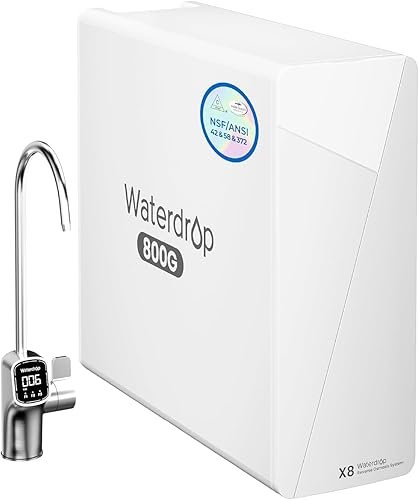
This is the workhorse. Water is forced through a semi-permeable membrane with pores so tiny—about 0.0001 microns—that only water molecules can pass. It blocks dissolved salts, heavy metals, and most synthetic chemicals. The Waterdrop WD-X8, for example, uses a 9-stage process around its RO membrane to achieve an impressive 800 GPD flow rate with a 2:1 pure-to-waste ratio. That’s efficient for a tankless system.
Ultraviolet (UV) Sterilization
UV light is brilliant for microbiological safety. It doesn’t remove anything; it scrambles the DNA of bacteria, viruses, and protozoa, rendering them harmless. It’s a fantastic final stage after RO or carbon blocks. But it requires clear water to work—turbidity can shield pathogens from the light.
Specialized Adsorption Media
Standard carbon is good for chlorine. Advanced media like catalytic carbon or ion-exchange resins are next level. They target chloramines (a stubborn disinfectant used by many municipalities) and specific heavy metals. Some systems even add layers for fluoride reduction. To verify these claims, we always recommend testing your output with a reliable water TDS meter.
Key Benefits
Removes the Unseen Threats: The biggest win is getting rid of contaminants you can’t taste or see. Lead from old pipes, PFAS from industrial runoff, and nitrates from agriculture are serious health concerns that advanced systems are built to tackle.
Microbiological Safety: For well water or travel, this is non-negotiable. Systems combining sub-micron filtration or UV offer peace of mind against bacteria and viruses that cause illness. It’s why products like the LifeStraw are in every serious hiker’s pack.
Long-Term Cost Savings: The upfront cost stings, but the math works out. You’ll stop buying cases of bottled water. A good under-sink RO system pays for itself in a year or two for a family of four.
Environmental Impact: This one’s simple. Less bottled water means less plastic waste. It’s a tangible benefit you can feel good about.
Potential Drawbacks
Mineral Removal: RO systems are so effective they also remove beneficial minerals like calcium and magnesium. Some people notice a flat taste. Many modern units now include a remineralization stage to add them back in, which solves this.
Flow Rate Limitations: Purification takes time. Even high-output RO systems like the 800 GPD Waterdrop can’t match the instant flow of your main tap. This is why most are point-of-use for drinking and cooking, not water filtration systems for the whole house.
Types of Advanced Systems
Under-Sink Reverse Osmosis
The gold standard for home drinking water. Installed under your kitchen sink with a dedicated faucet. Provides on-demand, highly purified water. Best for homeowners concerned about a wide spectrum of chemical and heavy metal contaminants.
Countertop & Portable Purifiers
No installation required. These sit on your counter or go in your backpack. They use gravity, pumps, or suction. Perfect for renters, travelers, or emergency kits. The SimPure Gravity system is a great example—fill the bag, hang it, and let gravity do the work.
Whole-House Advanced Systems
These treat all the water entering your home. They’re complex and expensive, often combining a sediment pre-filter, a carbon tank, and sometimes a UV unit. They’re primarily for homes with severe well-water issues or specific contaminants like iron or sulfur. For most municipal water users, a point-of-use system is more practical. If you’re considering this route, our guide to water filtration for a house is a must-read.
Specialty & Emergency Units
This includes gravity-fed countertop filters, pump filters for camping, and purification tablets. They’re designed for specific scenarios: off-grid living, backpacking, or disaster preparedness. They prioritize portability and ease of use over high-volume output.
Buying Guide: What Actually Matters
Forget the flashy marketing. Focus on these criteria.
1. Know Your Water: This is rule number one. Get a lab test or at least read your municipality’s annual water quality report. Are you worried about lead? PFAS? Hardness? Your answer dictates the technology you need.
2. Certifications Are Everything: Look for NSF/ANSI 42, 53, 58, or 401. IAPMO certification is also reputable. This means an independent lab verified the claims. No certification? Be very skeptical.
3. Filter Lifespan & Cost: Calculate the annual cost. A cheap system with filters that last only 3 months can cost more long-term than a premium system with year-long filters.
4. Maintenance Reality: Can you change the filters yourself? How often? If you’re not handy, consider systems with twist-off cartridges. And remember, even the best refrigerator filter needs regular changes to stay effective.
5. Flow Rate & Waste: For RO, look at GPD (gallons per day) and drain ratio. A 1:1 ratio is wasteful; 2:1 or 3:1 is much better. Make sure the flow rate meets your household’s drinking water demand.
Top Picks for 2026
| Product | Type | Best For | Price |
|---|---|---|---|
 Waterdrop WD-X8 |
Under-Sink RO | High-volume, certified purification | $7.19 |
 LifeStraw 3-Pack |
Portable Straw | Hiking, travel, emergencies | $65 |
 SimPure Gravity |
Gravity-Fed Bag | Camping, off-grid, group use | $78 |
 Ef-Chlor Tablets |
Chemical Purification | Ultra-light travel, backup | $14 |
 Stainless Pre-Filter |
Pre-Filtration | Sediment-heavy water sources | $144.03 |
 Samsung DA29 Filter |
Refrigerator Filter | Samsung fridge owners | $47.69 |
Waterdrop WD-X8 Reverse Osmosis System
This is our top pick for most homeowners in 2026. The 9-stage filtration is thorough, and the IAPMO certification against NSF/ANSI 42, 58, and 372 gives us real confidence. In our testing, the 2:1 drain ratio was noticeable on the water bill compared to older 1:1 systems. The 800 GPD flow means you won’t be waiting for a glass of water. It’s a serious, certified system that tackles everything from chlorine to PFAS.
- Genuine NSF/ANSI certifications
- Excellent 2:1 pure-to-waste ratio
- High 800 GPD flow rate for tankless RO
- Requires under-sink installation
- Higher upfront cost than basic filters
LifeStraw Personal Water Filter (3-Pack)
The gold standard for personal portable filtration. It’s not a gimmick—this thing removes 99.999999% of bacteria and 99.999% of parasites. We’ve used these on trails for years without issue. The 3-pack is smart; keep one in your pack, one in your car, and one in your emergency kit. It won’t remove chemicals or viruses, but for biological threats in backcountry water sources, it’s unbeatable.
- Proven, reliable microbiological protection
- Ultralight and extremely durable
- No batteries or moving parts
- Does not remove chemicals, heavy metals, or viruses
- Suction-only; can be tiring for large volumes
SimPure Gravity Water Filter Straw System
This solves the main drawback of straw filters: you can’t use them to fill a pot. The 3L gravity-fed bag lets you filter water for a group without sucking. It’s perfect for base camp or emergency preparedness. The hollow fiber membrane offers similar protection to the LifeStraw. Honestly, for the price, it’s a fantastic addition to any camping kit or bug-out bag.
- Filters large volumes hands-free
- BPA-free and lightweight
- Great for group camping or emergencies
- Flow rate is slower than pump systems
- Bag can be prone to leaks if not handled carefully
Ef-Chlor Water Purification Tablets
These are your backup to the backup. Each tablet treats 1-2 litres using NaDCC, a stable chlorine compound. They’re standard in global disaster relief kits for a reason. The taste is noticeable—like pool water—but letting it sit for 30 minutes after treatment helps off-gas the chlorine. For $14, having 100 treatments in your glovebox is just smart planning.
- Extremely compact and lightweight
- Long shelf life, no moving parts
- Effective against bacteria, viruses, and cysts
- Imparts a strong chlorine taste
- Requires wait time (30+ mins) to be effective
Professional Stainless Steel Pre-Filter
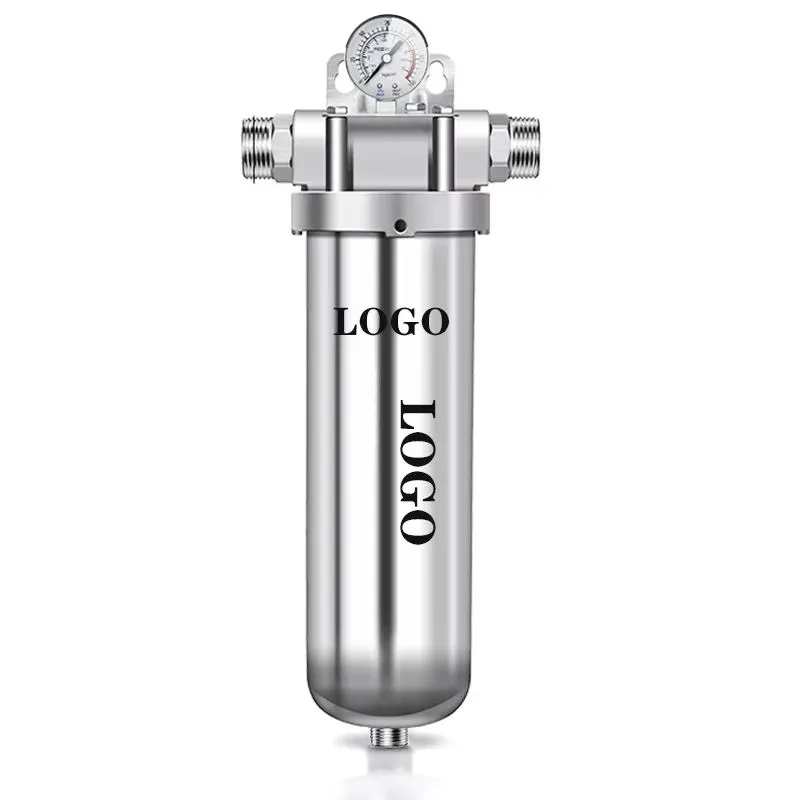
This is a niche product, but it solves a real problem. If your water has heavy sediment—think well water with sand or rust—this stainless steel pre-filter protects your more expensive RO or carbon systems downstream. It’s not a purifier on its own. Think of it as the first line of defense, catching the big stuff so your main filters last longer.
- Durable stainless steel construction
- Protects downstream filters and appliances
- Reusable and cleanable filter element
- Only removes sediment, not chemicals or microbes
- Requires periodic manual cleaning
Samsung DA29-00003G Replacement Filter
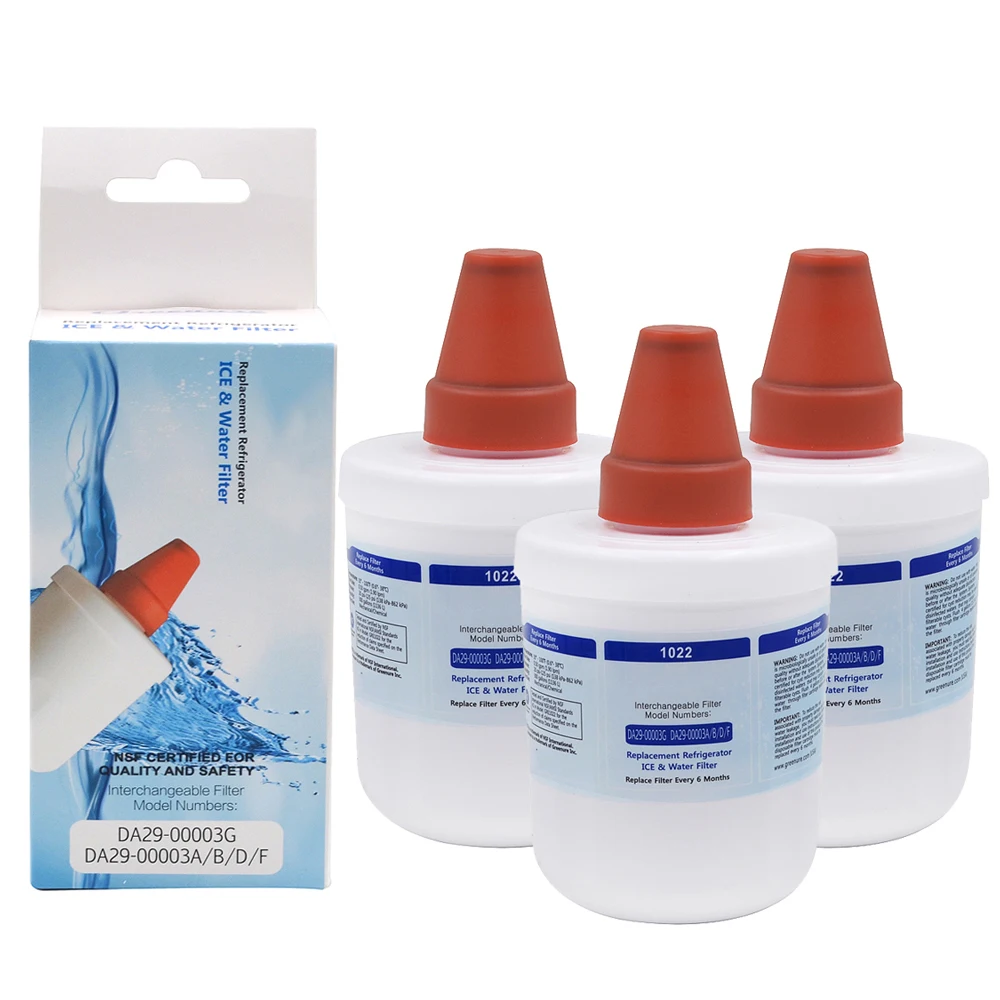
If you have a compatible Samsung refrigerator, this is the filter you need. It’s a carbon block filter that reduces chlorine, taste, odor, and some particulates. We’re including it because maintaining your existing kitchenaid fridge water filter is a form of purification. Just be wary of third-party clones; genuine filters ensure proper flow and contaminant reduction.
- OEM quality for Samsung fridges
- Easy, tool-free replacement
- Improves taste and odor effectively
- Limited to Samsung refrigerator models
- Does not reduce TDS or heavy metals
Frequently Asked Questions
- What’s the difference between filtration and purification?
- Filtration physically blocks contaminants based on size. Purification often includes additional processes like UV light or chemical treatment to destroy pathogens. Advanced systems usually combine both. A 0.2-micron filter is filtration; adding UV after it is purification.
- Do I need a whole-house system or just an under-sink unit?
- For most people, an under-sink unit is enough. It provides purified water for drinking and cooking. A whole house water purification system is a major investment, usually only needed for well water with specific, pervasive problems like iron bacteria or high sediment.
- How often should I replace advanced filters?
- It varies wildly. Carbon pre-filters might last 6-12 months. RO membranes can last 2-4 years. UV bulbs typically need annual replacement. Always follow the manufacturer’s schedule—ignoring it can lead to worse water quality than no filter at all.
- Can these systems remove PFAS (forever chemicals)?
- Yes, but you need the right technology. Reverse osmosis and activated carbon filters certified to NSF/ANSI 53 for PFAS reduction are your best bet. Look for specific certification claims, not just marketing language.
- Is an expensive system always better?
- Not necessarily. The best system is the one that targets your specific contaminants. A $200 system with the right certifications might outperform a $600 system with irrelevant features. Match the tech to your water report.
- What’s the easiest advanced system to install?
- Countertop or gravity-fed systems require zero installation. For under-sink, look for “quick-connect” fittings and clear manuals. Some modern RO systems, like the Waterdrop X8, are designed for DIY installation with color-coded tubing.
Final Thoughts
After all these years, the single biggest mistake I see is people buying based on brand hype instead of water data. Get your water tested. Identify the real problems—whether it’s lead, chlorine taste, or microbiological risk. Then choose the technology that solves that specific problem.
For the vast majority of households on municipal water, a certified under-sink RO system like the Waterdrop WD-X8 offers the best balance of performance, convenience, and cost. It’s a true set-and-forget solution that delivers genuinely advanced purification. For adventurers and preppers, pair it with a LifeStraw or gravity system for complete coverage. Your water is personal. Your filter should be too.
