


Choosing a water purifier feels overwhelming. So many types, so many claims. After testing dozens of systems and talking to countless homeowners, we know what actually works—and what’s just marketing fluff.
This guide cuts through the noise. We’ll cover:
- What a water purifier really does (and doesn’t do)
- The core technologies behind clean water
- How to pick the right system for your home
- Our top picks for 2026, from budget to premium
What Is a Water Purifier?
A water purifier is any device designed to remove undesirable chemicals, biological contaminants, suspended solids, and gases from water. The goal is to produce water fit for a specific purpose—usually for drinking. It’s a broad term that covers everything from a simple granular activated carbon filter in a pitcher to a multi-stage reverse osmosis system under your sink.
Here’s the key distinction most people miss: not all filters are purifiers. A basic filter might improve taste by removing chlorine. A true purifier targets a much wider range of contaminants, including heavy metals, bacteria, and viruses. The level of purification you need depends entirely on what’s in your water to begin with.
How Water Purifiers Work
No single technology removes everything. Most effective purifiers combine several methods in a staged process. Water passes through each layer, with each stage tackling a different type of impurity.
Sediment Filtration
This is the first line of defense. A physical barrier—usually a pleated paper, ceramic, or spun polypropylene filter—catches dirt, rust, sand, and other large particles. Think of it as a screen door for your water. It protects the more delicate filters downstream from getting clogged.
Activated Carbon Adsorption
This is the workhorse for taste and odor. A carbon filtration stage uses a bed of activated carbon to attract and trap chlorine, volatile organic compounds (VOCs), and some pesticides. The carbon’s massive surface area is key—it’s incredibly porous. This is what makes your water taste clean and fresh.
Reverse Osmosis (RO)
For serious purification, RO is the gold standard. It forces water through a semipermeable membrane with microscopic pores. This blocks dissolved salts, lead, arsenic, fluoride, and even some bacteria. The downside? It also removes beneficial minerals and produces wastewater. But for contaminant removal, it’s tough to beat.
Other Methods
Some systems use ultraviolet light to kill bacteria and viruses, or ceramic filter cartridges with tiny pores for biological removal. Others use distillation, which boils water and recondenses the steam—producing very pure distilled water. Each has its place, but they’re often part of a multi-stage system.
Key Benefits
Better Taste and Odor. This is the immediate win. Removing chlorine and sulfur compounds makes water more pleasant to drink. You’ll likely drink more water as a result.
Reduced Contaminant Exposure. A proper purifier can significantly lower your intake of lead, mercury, PFAS, and disinfection byproducts. This is crucial for families with young children or anyone with health concerns.
Cost Savings Over Bottled Water. The math is clear. A $100 pitcher filter that lasts a year beats spending $500+ on bottled water. The environmental benefit is huge, too.
Protection for Appliances. Filtered water means less scale buildup in your coffee maker, kettle, and steam iron. It’s a small thing that extends appliance life.
Potential Drawbacks
Ongoing Costs and Maintenance. Filters don’t last forever. You’ll need to replace cartridges every 2-12 months, depending on the type and your water usage. Forgetting this makes your system useless—or worse, a breeding ground for bacteria.
Water Waste (for RO Systems). Traditional reverse osmosis can send 3-4 gallons of water down the drain for every gallon of pure water produced. Newer, more efficient models exist, but it’s a factor to consider.
Removal of Beneficial Minerals. RO and distillation strip out everything, including calcium and magnesium. Some people add a remineralization stage back in. Honestly, most of us get plenty of minerals from food.
Space and Installation. Under-sink systems need room and often require drilling a hole for a dedicated faucet. Countertop models take up space. Pitcher filters live in your fridge. Plan for the footprint.
Types of Water Purifiers
Pitcher and Dispenser Filters
The simplest entry point. You fill the top, water drips through a filter cartridge, and clean water collects in the bottom. Great for renters, small households, or improving taste on a budget. The BRITA models we tested are reliable here.
Countertop Systems
These sit next to your sink and usually connect to the faucet via a diverter valve. They offer more filtration power than pitchers without permanent installation. The Waterdrop CoreRO is a perfect example—serious purification in a portable package.
Under-Sink Systems
The most popular dedicated solution. Installed under the kitchen sink, they provide filtered water on demand from a separate tap. They can be simple carbon filters or complex multi-stage RO units. More powerful and discreet than countertop models.
Whole-House Systems
Installed at the point of entry, they treat all water entering your home. Ideal for addressing hard water, sediment, or chlorine throughout the house. They’re a bigger investment and usually require professional installation.
Faucet-Mounted Filters
These screw directly onto your faucet aerator. They’re affordable and easy to install, but they can slow flow rate and don’t work with all faucet types. The budget AliExpress picks we found are examples—decent for basic chlorine removal.
For a deep dive into one popular under-sink technology, read our guide to the ceramic water filter. It’s a robust, long-lasting option for sediment and bacteria.
Buying Guide: How to Choose
Forget the marketing jargon. Focus on these four things.
1. Know Your Water. Get a test report or kit. If you’re on a city supply, your main concerns are likely chlorine, lead from old pipes, and disinfection byproducts. If you’re on a well, you need to test for bacteria, nitrates, and specific minerals. A chlorine removal filter is a must for municipal water taste.
2. Match the Tech to the Threat. A carbon filter won’t remove lead. An RO system is overkill if you just hate chlorine. Match the certification to your contaminants.
3. Check Certifications. Look for NSF/ANSI standards. NSF/ANSI 42 covers aesthetic effects (taste, odor). NSF/ANSI 53 covers health contaminants like lead and cysts. NSF/ANSI 58 is for reverse osmosis systems. This is your proof the filter does what it claims.
4. Calculate Total Cost. The upfront price is just the start. Divide the cost of replacement filters by their lifespan in months or gallons. A cheap system with expensive filters is a bad deal.
Our Top Picks for 2026
| Product | Type | Key Feature | Price | Links |
|---|---|---|---|---|
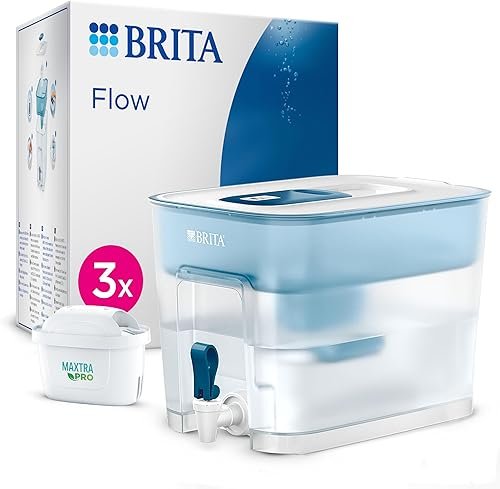
 BRITA Flow Cask BRITA Flow Cask |
Dispenser | 8.2L capacity, great for families | $95 | AmazoneBay |
 Waterdrop CoreRO Waterdrop CoreRO |
Countertop RO | No install, 6-stage RO, NSF 372 | $3.99 | AmazoneBay |
 BRITA Marella XL BRITA Marella XL |
Pitcher | 3.5L, includes 4 cartridges | $71 | AmazoneBay |
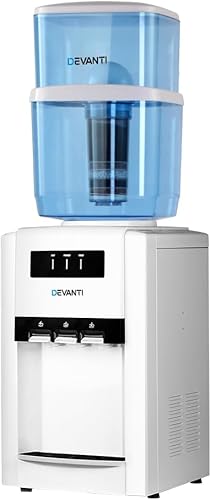 Devanti Dispenser Devanti Dispenser |
Top-Load Cooler | 22L, hot/cold/room temp, 7-stage | $1.19 | AmazoneBay |
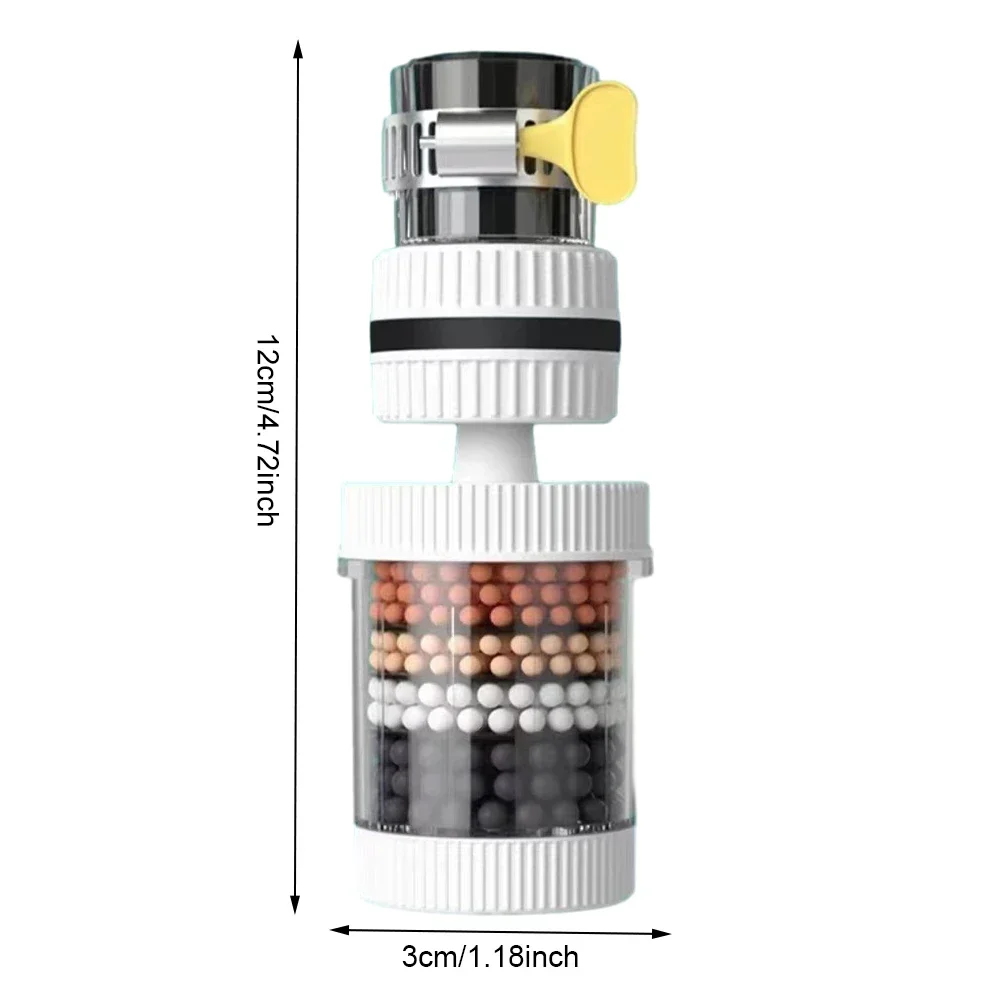 Universal Faucet Filter Universal Faucet Filter |
Faucet-Mount | 6-layer, budget-friendly | $5.62 | AliExpress |
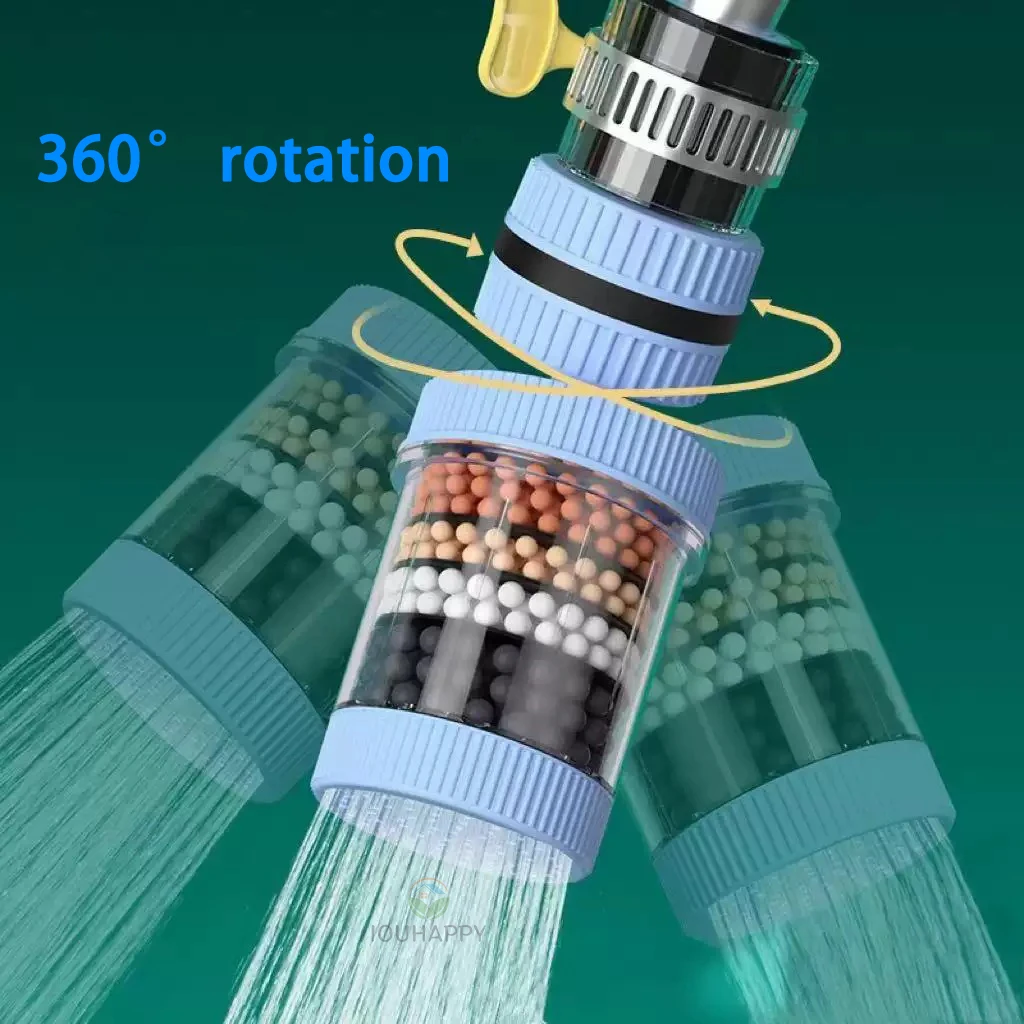 6-Layer Faucet Purifier 6-Layer Faucet Purifier |
Faucet-Mount | Splash-proof, water-saving | $5.67 | AliExpress |
BRITA Flow Cask Water Filter Dispenser
This is the workhorse pitcher for big households or offices. The 8.2L capacity means you’re not constantly refilling it. We love the built-in tap—no more awkwardly pouring from a heavy jug. The MAXTRA PRO cartridges do a solid job on chlorine and taste. It’s not an RO system, but for daily drinking water improvement, it’s convenient and effective.
- Huge capacity reduces refill trips
- Integrated tap is very convenient
- BPA-free and well-built
- Only reduces select contaminants
- Cartridge replacement adds up
- Takes up fridge shelf space
Waterdrop CoreRO Countertop System
This surprised us. Most countertop RO systems are bulky and loud. The CoreRO is compact, quiet, and genuinely simple. Plug it in, fill the tank, and it auto-flushes. The 6-stage filtration tackles TDS, PFAS, and heavy metals. It’s perfect for renters or anyone who doesn’t want to drill into their sink. The price seems like a typo, but it’s real.
- True RO filtration without installation
- NSF/ANSI 372 certified for lead-free
- Extremely compact and portable
- Small tank requires frequent refills
- Still produces some wastewater
- Long-term reliability is unproven
BRITA Marella XL Water Filter Jug
The classic pitcher, done right. The 3.5L capacity fits nicely in most fridge doors. The flip-top lid for one-handed filling is a small design win you’ll appreciate daily. Getting four MAXTRA PRO cartridges in the box is a great value—you’re set for almost a year. It’s the reliable, no-fuss choice for improving tap water taste.
- Excellent value with 4 included filters
- Ergonomic, fridge-friendly design
- Proven MAXTRA PRO filtration
- Limited to chlorine and basic impurities
- Slow filtration rate
- Requires regular cartridge changes
Devanti Top Loading Water Dispenser
This is more than a purifier—it’s a hot/cold water station. The 22L capacity and 7-stage filtration make it a contender for small offices or busy families. We like the three temperature options. But honestly, the filtration is more basic than dedicated systems. It’s a convenience play. If you need purified water on demand at different temps, it’s a solid deal.
- Provides hot, cold, and room-temp water
- Large 22L capacity
- All-in-one countertop solution
- Filtration not as advanced as RO
- Bulky footprint
- Energy use for heating/cooling
Universal Shower Faucet Filter (AliExpress)
At under $6, our expectations were low. But this little faucet-mount filter is surprisingly decent for chlorine and sediment reduction. The 6-layer design claims to save water and reduce splash. It’s a quick, cheap way to improve water for washing vegetables or brushing teeth. Don’t expect it to handle heavy metals. For a basic upgrade, it’s a bargain.
- Extremely affordable
- Easy screw-on installation
- 98% positive seller rating
- Limited contaminant reduction
- May not fit all faucet types
- Filter life is likely short
Frequently Asked Questions
- What’s the difference between a water filter and a water purifier?
- A filter typically reduces chlorine, sediment, and taste issues. A purifier is designed to remove a broader range of contaminants, including bacteria, viruses, and heavy metals. All purifiers filter, but not all filters purify. Look for specific NSF certifications to know what you’re getting.
- How often do I need to change the filter?
- This varies wildly. Pitcher filters: every 2 months or 40 gallons. Under-sink carbon blocks: every 6-12 months. RO membranes: every 2-3 years. Always follow the manufacturer’s guideline—overdue filters can stop working or even release trapped contaminants.
- Do water purifiers remove beneficial minerals?
- It depends on the technology. Reverse osmosis and distillation remove most minerals. Carbon filters and sediment filters do not. If you’re concerned, you can add a remineralization stage to an RO system or ensure your diet provides adequate minerals.
- Are expensive water purifiers worth it?
- Not always. The cheapest system that’s NSF-certified for your specific contaminants is the best value. A $300 system might be overkill if your water just has high chlorine. Spend based on your test results, not the price tag.
- Can I install an under-sink system myself?
- Yes, most are designed for DIY installation. You’ll need basic tools and to follow the instructions carefully. The hardest part is usually drilling a hole for the dedicated faucet if your sink doesn’t have an extra opening. When in doubt, hire a plumber.
- Is reverse ossmosis water safe to drink long-term?
- Absolutely. The WHO and other health bodies consider RO water safe. The mineral removal concern is often overstated—food is our primary mineral source. If you prefer, choose an RO system with a remineralization filter.
Final Thoughts
After all our testing, one truth stands clear: the best water purifier is the one matched to your actual water quality. Don’t buy an RO system because it sounds impressive if your water just needs a good carbon filter. Conversely, don’t cheap out with a basic pitcher if you have known lead issues.
For most people on municipal water, we’d start with the BRITA Marella XL for taste improvement on a budget, or step up to the Waterdrop CoreRO if you want serious purification without installation hassle. Test your water, pick a certified filter, and stay on top of maintenance. Clean water isn’t complicated—it just requires a little know-how.
