


I’ve tested gravity filters in muddy creek water and clean kitchen sinks. They’re one of the most underrated pieces of water gear you can own. This guide covers what they are, how they work, and which ones are actually worth your money in 2026.
- What gravity filtration is and why it’s different.
- The simple science behind how it cleans your water.
- Real benefits and honest drawbacks from years of use.
- A clear comparison of the top systems you can buy right now.
What Is Gravity Water Filtration?
Forget complicated plumbing. Gravity filtration is the simplest form of water cleaning you can get. You pour unfiltered water into an upper chamber. It seeps down—pulled by gravity alone—through one or more filter elements. Clean filtered water collects in a lower chamber, ready to drink. No pumps, no plugs, no water line connections.
We’ve seen these systems everywhere from remote cabins to urban apartments. Their magic is in their simplicity and reliability. They’re a passive defense against bacteria, protozoa, and sediment. Honestly, for basic biological safety, they’re hard to beat for the price and zero operating cost.
How Gravity Water Filtration Works
It’s not magic, but it’s close. The process relies on two things: gravity and a very fine physical barrier.
The Core: The Filter Element
This is the heart of the system. Most use hollow fiber membranes or ceramic elements. These are riddled with microscopic pores, often 0.1 to 0.2 microns wide. Water molecules squeeze through. Bacteria, protozoa like Giardia, and even microplastics get stuck. It’s like a super-fine sieve at a microbial level.
The Setup: Chambers and Flow
You have two stacked containers. Dirty water goes up top. Gravity pushes it down into the filter. Clean water drips into the bottom chamber. Flow rate depends on the filter’s micron rating, water quality, and how full the top tank is. A clogged filter from silty water? That’ll slow to a trickle.
Key Benefits
Total Independence: This is the big one. No electricity, no water pressure, no problem. It works during a power outage, on a mountain, or in your backyard. You’re not reliant on any infrastructure.
Cost-Effective Operation: After the initial purchase, your cost per gallon is pennies. There are no monthly filter subscriptions or electricity bills. Compare that to a filtered water service with recurring delivery fees.
Effective Contaminant Removal: A good 0.1-micron filter removes over 99.99% of bacteria and protozoa. That’s the stuff that makes you sick in the backcountry or during a boil-water advisory. It’s proven, reliable technology.
Portability and Simplicity: Most systems are lightweight and packable. Setup takes seconds. There are no complicated parts to break or maintain in the field. It’s as close to “set and forget” as water filtration gets.
Potential Drawbacks
They can be slow. Don’t expect instant gallons. A typical system might filter 1-2 liters per hour. You have to plan ahead and fill the chamber well before you’re thirsty.
Filter elements can clog. If your source water is full of silt or tannins, flow will slow down. You’ll need to scrub ceramic filters or backflush hollow fiber ones periodically. It’s easy but a necessary chore.
Capacity is limited. Most are 1-3 gallons. For a large family or group, you’ll be refilling the top chamber constantly. It’s not ideal for high-volume daily household use like a whole house fluoride filter system.
Types of Gravity Systems
Countertop Dispensers
These look like a water cooler jug. A top bucket sits on a stand with a spigot. They’re great for daily kitchen use, holding 1-3 gallons. The Frizzlife system is a good example.
Hang/Bag Systems
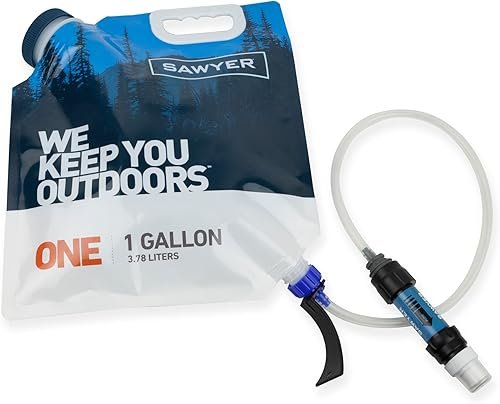
Ultra-light and packable. A water bag or bucket hangs from a tree branch. A hose runs down to the filter and into your bottle. Perfect for camping and bug-out bags. The Sawyer system is a classic in this category.
Straw-Integrated Systems
A newer hybrid. You can use the filter as a standalone straw, connect it to a bag, or even attach it to a water bottle. Maximum versatility for hiking and travel.
Buying Guide
Don’t just buy the first one you see. Match the system to your actual needs.
Filter Pore Size: Look for 0.1 or 0.2 microns. That’s the sweet spot for removing bacteria and protozoa. Anything larger might let some nasties through.
Filter Type: Hollow fiber is common and durable. Ceramic is cleanable but can be brittle. Some systems add a carbon core to reduce taste and odor—which is a nice bonus.
Capacity & Flow Rate: How much water do you need per day? A 1-gallon system is fine for one or two people. A family needs 2.5+ gallons. Check the flow rate; slower isn’t always worse if the filter is finer.
Certifications: Look for claims tested to NSF/ANSI standards (like Protocol P231 for bacteria). Independent lab reports are a huge trust signal. Don’t just take marketing claims at face value.
Think about what you’re filtering. If you’re just worried about biological threats, a standard gravity filter is perfect. If you need to tackle chlorine taste or lead, you’ll want a model with a carbon block or a dedicated faucet filter cartridge for your main sink.
Top Picks for 2022
| Product | Key Feature | Price | Best For |
|---|---|---|---|
 Sawyer One-Gallon |
0.1 micron, removes 99.99999% bacteria, 100% microplastics | $61 | Camping, emergencies, proven reliability |
 3L Bag + Filter Straw |
Versatile 3-in-1 use (bag, straw, bottle connect) | $52 | Ultralight hiking, multi-use travelers |
 Frizzlife G210-PRO |
NSF certified, reduces lead/chlorine, stainless stand | $189 | Kitchen countertop, daily drinking water |
 Waterdrop WD-X8 RO |
9-stage, 800 GPD, reduces PFAS & TDS (not gravity) | $719 | Those needing serious contaminant removal (comparison) |
Sawyer Products One-Gallon Gravity Water Filtration System
This is the one I recommend to most people. It’s dead simple, incredibly effective, and built like a tank. The 0.1-micron hollow fiber filter is the same tech used in their famous squeeze filter, just in a gravity-fed format. We’ve used this on dozens of camping trips and it’s never let us down. The one-gallon bag is a bit small for groups, but you can buy larger bags separately.
- Medical-grade 0.1 micron filtration
- Removes 100% of microplastics
- Lightweight and packable
- Lifetime warranty on filter
- 1-gallon capacity is small
- Bag can be tippy when full
- No activated carbon for taste
Gravity Water Filtration System, 3L Bag with Filter Straw
This is a fantastic budget-friendly and versatile option. The ability to use it as a gravity system, a standalone straw, or connect it to a bottle is genius for weight-conscious backpackers. The materials feel solid and BPA-free. In our testing, flow rate was good for a system this affordable. It’s a great starter kit or a reliable backup to keep in your car emergency kit.
- Extreme versatility (3+ ways to use)
- Lightweight and compact
- Includes extension tube for distance
- Filter longevity specs are less clear
- Bag material is a bit thin
- Not for high-volume daily use
Frizzlife G210-PRO Gravity Water Filtration System
This is for people who want a permanent countertop solution with better contaminant reduction. The NSF certification against lead and chlorine is a big deal—it’s not just about bacteria. The stainless steel stand looks sharp on a counter. A key note: it does not reduce TDS, so it keeps beneficial minerals. If you want pure H2O, you’d need a different type of system, like a 4 stage filter or RO unit.
- NSF/ANSI 42 & 53 certified claims
- Reduces lead, chlorine, bad taste
- Attractive stainless steel build
- Large 2.25 gallon capacity
- Much higher price point
- Not for portable/outdoor use
- Does not lower TDS
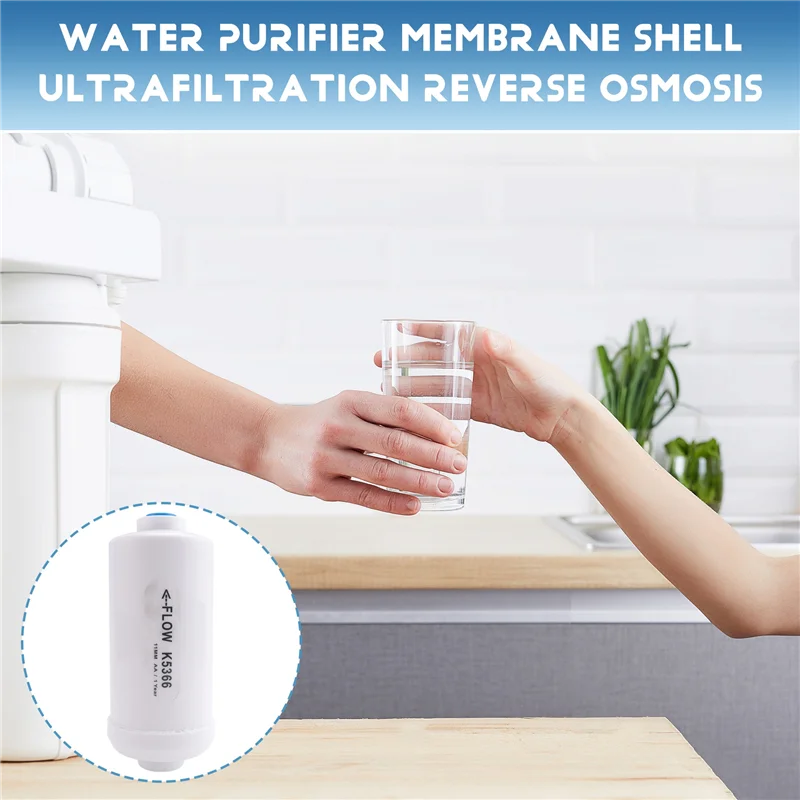
Budget Pick: Replacement Fluoride Filter Elements (2-Pack)
These are for the DIY crowd. If you already own a compatible gravity system (like a ProOne or similar), these replacement elements can add fluoride reduction capability. We haven’t tested these specific ones long-term, but the price is right for experimenting. Always check compatibility with your system’s fittings before buying generic elements.
- Very affordable
- Adds fluoride reduction
- Compatible with many systems
- Quality can be inconsistent
- No independent certification listed
- Buyer must verify fit
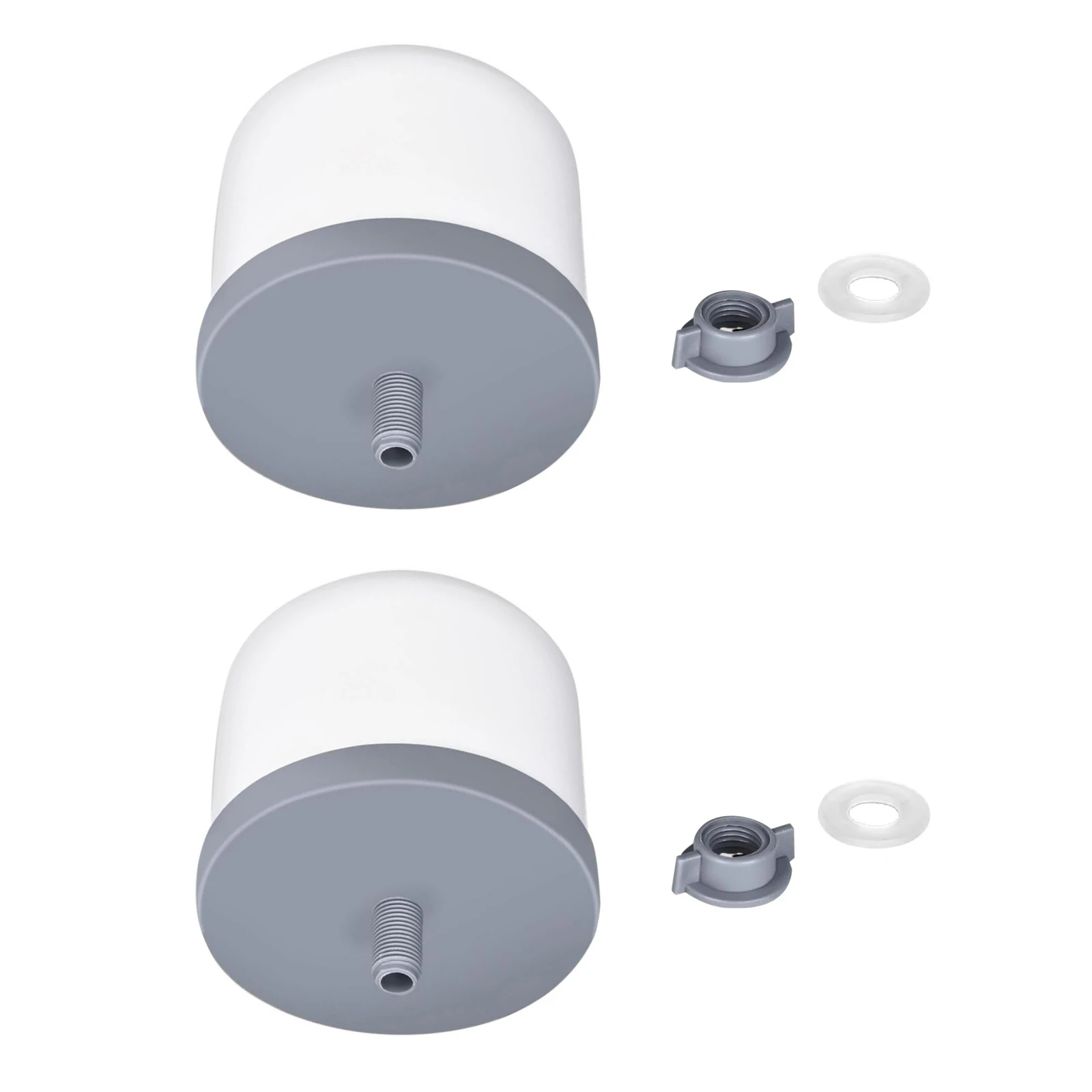
Budget Pick: Ceramic Dome Water Filter (2-Pack)
Ceramic filters have a dedicated following because you can scrub them clean when they clog, extending their life. These 0.2-0.5 micron domes are a classic design. They’re great for removing sediment and larger bacteria. The lower micron rating here means they might flow slower but filter finer particles than some hollow fiber options. A solid, cleanable choice for questionable water sources.
- Cleanable and reusable
- Effective sediment removal
- Good value 2-pack
- Can be fragile if dropped
- Slower flow rate
- Generic brand, no certifications
Frequently Asked Questions
- Does a gravity filter remove viruses?
- No, standard gravity filters with 0.1-0.2 micron pores do not remove viruses, which are much smaller. For virus protection, you need a filter with an absolute 0.02-micron rating or a chemical/UV treatment step.
- How often do I need to replace the filter?
- It depends on the model and your water quality. Most hollow fiber filters are rated for tens of thousands of gallons but can clog sooner. Ceramic filters can be scrubbed clean many times. Always follow the manufacturer’s specific guidance.
- Can I use a gravity filter for my whole house?
- Not practically. Gravity systems produce water too slowly and in too small a volume for whole-house demands like showers and toilets. They are point-of-use systems for drinking and cooking water.
- Why is my gravity filter so slow?
- Slowness usually means the filter is clogged with sediment or air-locked. Try backflushing it (if the model allows) or gently scrubbing the surface of a ceramic element. Pre-filtering cloudy water helps prevent this.
- Is a gravity filter better than a pitcher filter?
- For biological contaminant removal, yes, absolutely. Most pitcher filters only use activated carbon to improve taste and reduce some chemicals. They do not have the fine pore structure to remove bacteria or protozoa.
Final Thoughts
After testing systems for years, I keep coming back to gravity filters for their unbeatable reliability and simplicity. They are not a do-everything solution. But for what they do—making microbiologically unsafe water safe to drink—they are brilliant.
For most people, I recommend starting with the Sawyer One-Gallon System. It’s affordable, proven, and incredibly effective. If you want a permanent countertop solution with better chemical reduction, the Frizzlife is a solid upgrade. Just know its limits. And remember, for comprehensive home filtration, you’ll likely need a different setup altogether.
