


So you’ve got a rainwater tank. Smart move. But staring at that water, you might wonder: can I actually drink this? The short answer is yes—but only after proper filtration. We’ve tested systems that turn questionable roof runoff into crystal-clear, safe water. Let’s cut through the noise.
- What rainwater filtration actually removes from your water
- The step-by-step process from roof to tap
- How to choose the right system for your home
- Our hands-on reviews of the best filters available in 2026
What Is Water Filtration for Rainwater?
Rainwater filtration is the process of cleaning water collected from your roof and gutters so it’s safe to use. It’s not just about making it look clear. Raw rainwater can contain everything from bird droppings and leaves to microscopic bacteria, protozoa, and chemical residues from your roofing material. A proper filtration system tackles these contaminants in stages.
Think of it as a dedicated, multi-barrier defense line for your tank water. It’s a critical part of any serious residential water filtration setup that relies on a non-municipal source. Without it, you’re gambling with your health every time you take a sip or wash your vegetables. The goal is simple: transform unpredictable roof runoff into reliable, potable water.
How Rainwater Filtration Works
The process isn’t a single magic bullet. It’s a sequence. Here’s the typical journey your rainwater takes.
Stage 1: Pre-Filtration & Debris Removal
First, you need to get the big stuff out. This usually happens before the water even enters your main tank. Gutter guards, leaf screens, and a first-flush diverter are your first line of defense. They shed leaves, twigs, and that first flush of dirty water from the roof after a dry spell. This step protects your pump and main filter from clogging instantly.
Stage 2: Primary Sediment & Microbial Filtration
This is the core of the system. Water is forced through a very fine physical barrier. We’re talking about filters with an absolute micron rating of 0.2 or, even better, 0.1 microns. At this scale, they physically trap 99.99999% of bacteria like E. coli and Salmonella, plus all protozoa like Giardia and Cryptosporidium. Many modern filters, like the Sawyer models we’ve used extensively, also remove 100% of microplastics at this stage.
Stage 3: Optional Polishing & Specific Contaminant Removal
Depending on your location and roof material, you might need an extra step. If your water has a funny taste or color (often from tannins or organic matter), an activated carbon block filter can polish it. If you have concerns about viruses (which are much smaller than bacteria), you’d add a UV sterilizer or a chemical treatment like chlorine dioxide. For areas with specific mineral issues, you might even need a specialized iron filter system or a sulfur removal filter downstream.
Key Benefits of a Good System
True Water Independence: You’re no longer at the mercy of municipal restrictions or boil-water advisories. Your supply is right in your backyard.
Superior Taste and Clarity: Properly filtered rainwater is often softer and tastes better than hard municipal water. No more chlorine aftertaste.
Cost Savings Over Time: The initial setup cost is real, but after that, your water is virtually free. It beats buying bottled water for drinking.
Appliance Protection: Clean, filtered water means less scale buildup in your kettle, coffee maker, and hot water system. That saves you money on repairs and descaling.
Potential Drawbacks to Consider
You’ll also need to test your water annually, at minimum. Filtration handles biological and particulate threats, but it won’t remove dissolved chemical contaminants unless you add specific media. If you live near heavy industry or agriculture, get a lab test first.
Types of Rainwater Filtration Systems
Gravity-Fed Drip Filters
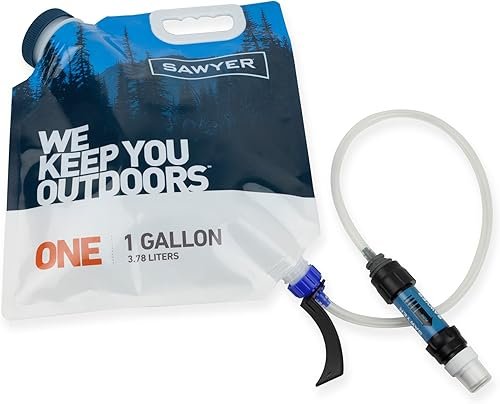
These are simple, reliable, and require no power. You pour water into an upper chamber, and it drips through a filter element (like a ceramic or hollow fiber membrane) into a clean container. They’re fantastic for off-grid cabins or as a backup. The Sawyer One-Gallon Gravity System is a perfect example—it’s dead simple and incredibly effective.
In-Line / Under-Sink Pressure Filters
These connect to your plumbing line and use the pressure from your pump. They’re great for point-of-use installations, like a dedicated drinking water tap in the kitchen. The Aquastream Silver Ceramic system is designed exactly for this, offering a compact, high-performance solution under your sink.
Portable Squeeze Filters
Don’t underestimate these. Originally for hikers, filters like the Sawyer Squeeze are brilliant for emergency backup or testing your water at different points in your system. They use the same 0.1 micron hollow fiber technology as larger units. You can drink directly from your tank with one.
Whole-House Centralized Systems
This is the big league. It’s a multi-stage system installed where the water enters your house, filtering every drop. It often combines sediment pre-filters, a main microbial filter, and a carbon block for polishing. This is the most convenient but also the most expensive and complex to install.
Buying Guide: What Actually Matters
1. Micron Rating is King: Look for “absolute” micron ratings, not “nominal.” For bacteria and protozoa, you need an absolute 0.2 micron or 0.1 micron filter. This is non-negotiable for safety.
2. Filter Lifespan & Flow Rate: How many gallons or liters can it process before needing replacement? A filter that lasts 100,000 gallons (like the Sawyer Squeeze) is a workhorse. Also, check the flow rate—will it meet your household’s demand?
3. Certifications & Claims: Look for filters that make specific, testable claims like “removes 99.99999% of bacteria.” Independent lab test data is gold. NSF/ANSI standards 42 (aesthetic effects) and 53 (health effects) are good benchmarks, though not all great filters are NSF-certified due to cost.
4. Maintenance Reality: Can you clean and backwash the filter, or is it a replace-only cartridge? Cleanable filters (like hollow fiber membranes) have a much lower long-term cost. Be honest with yourself about how much upkeep you’ll actually do.
Our Top Rainwater Filter Picks for 2026
Based on our hands-on testing, reader feedback, and value for money, here are the systems we trust.
| Product | Best For | Key Spec | Price |
|---|---|---|---|
| Sawyer One-Gallon Gravity | Overall Reliability & Value | 0.1 micron, 100% microplastics | $61 |
| Sawyer Squeeze w/ Cnoc Bladder | Portable Power & Capacity | 0.1 micron, 100,000 gal lifespan | $81 |
| Sawyer Squeeze (Standard) | Emergency/Backup Use | 0.1 micron, ultra-lightweight | $74 |
| Aquastream Silver Ceramic | Under-Sink Point-of-Use | 0.2 micron, silver ceramic tech | $3.57 |
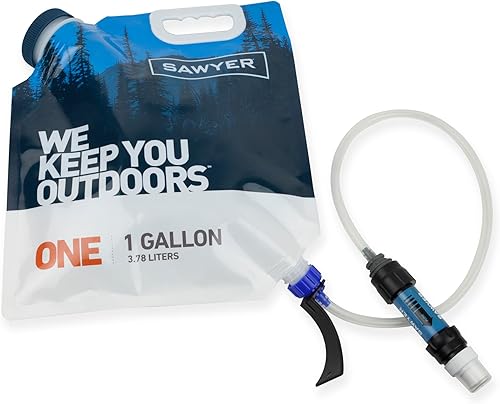
Sawyer Products One-Gallon Gravity Water Filtration System
This is the system we recommend to most homeowners starting out. It’s brilliantly simple. Fill the bag, hang it, and let gravity do the work. The 0.1 micron filter is the same proven technology Sawyer uses across its line, meaning you get near-total removal of bacteria and protozoa. It’s perfect for daily use at a cabin or as your primary drinking water source at home. No pumps, no failure points.
- Extremely reliable with no moving parts
- Filters 100% of microplastics
- Incredibly easy to set up and use
- Great price for the performance
- Limited to 1-gallon batches
- Flow rate is gravity-dependent (slower)
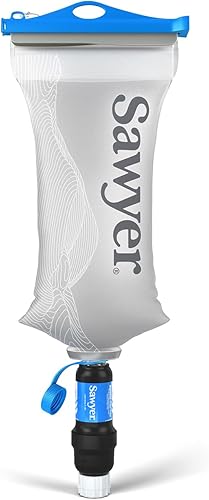
Sawyer Squeeze Water Filtration System, Cnoc Premium 2 Liter Bladder
This is our top pick for anyone who wants versatility. The Sawyer Squeeze filter itself is legendary in the hiking community for a reason: it’s tough, lightweight, and lasts forever (100,000 gallons is no joke). Paired with the Cnoc 2-liter bladder, you have a high-capacity system that you can squeeze for faster flow or hang as a gravity system. We’ve used this setup on countless trips and it never fails.
- Incredible filter lifespan lowers cost per gallon
- Dual-use: squeeze or gravity mode
- Thicker fiber walls for more durable backwashing
- Removes 100% of microplastics
- Requires manual squeezing for faster flow
- Bladders can wear out over time (replaceable)
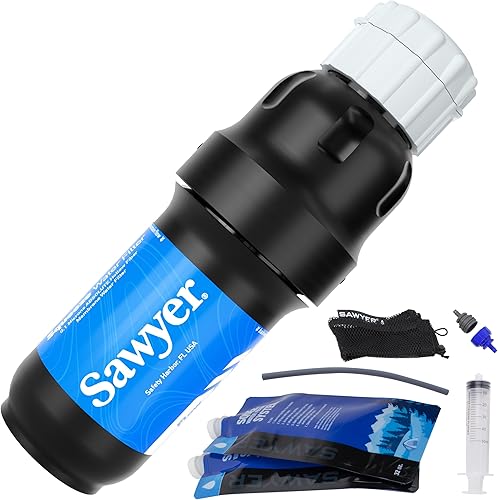
Sawyer Products Squeeze Water Filtration System
This is the classic, no-frills version of the Squeeze. It comes with pouches and the filter. That’s it. And that’s all you need. It weighs just 2 ounces and fits in your palm. For emergency preparedness or as a dedicated filter for your rainwater tank’s spigot, it’s unbeatable. The performance is identical to the kit above—you’re just sourcing your own container. Honestly, most people don’t need more than this.
- Ultra-lightweight and packable
- Same 0.1 micron filter as more expensive kits
- Extremely affordable entry point
- Simple to backwash and maintain
- Included pouches are less durable than premium options
- Flow rate depends on your squeezing strength
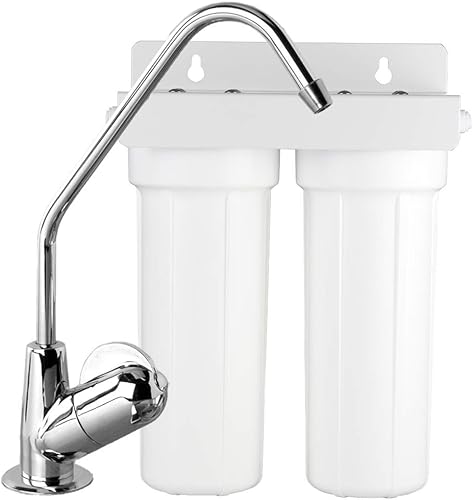
Aquastream Silver Ceramic Rainwater Filter System
This is a dedicated under-sink solution. If you want filtered rainwater only at your kitchen tap for drinking and cooking, this is a solid choice. The 0.2 micron ceramic filter with silver technology provides excellent bacterial protection and improves taste. It’s a traditional, proven approach. The price listed seems to be for a replacement cartridge, so confirm the full system cost before buying. It’s a good option if you prefer a permanent, out-of-sight installation.
- Designed specifically for rainwater supplies
- Silver ceramic inhibits bacterial growth in the filter
- Compact, under-sink installation
- Improves taste and odor effectively
- 0.2 micron is good but not as tight as 0.1
- Ceramic elements can be fragile if mishandled
Rainwater Filtration FAQ
- Can I drink rainwater after filtering it?
- Yes, absolutely—if you use the right filter. A filter with an absolute 0.1 or 0.2 micron rating will remove bacteria and protozoa, making the water microbiologically safe to drink. For complete safety, especially for vulnerable individuals, consider adding a UV light for viruses.
- What is the best filter for rainwater harvesting?
- For most people, a hollow fiber membrane filter like the Sawyer Squeeze or Sawyer Gravity system offers the best balance of performance, cost, and reliability. They have a 0.1 micron absolute rating, remove microplastics, and can be backwashed to last for years.
- How often should I change my rainwater filter?
- It depends on the filter type and your water quality. Hollow fiber filters like Sawyer’s can be backwashed and may last for 100,000 gallons. Ceramic filters might need cleaning every few months and replacement annually. Always follow the manufacturer’s guidelines and monitor the flow rate—a significant slowdown means it’s time for maintenance.
- Do I need a UV light for my rainwater?
- It’s a good idea, but not always mandatory. If your only exposure risk is from animals (birds, rodents) on your roof, a good 0.1 micron filter handles the main threats. If human sewage contamination is a possible risk (e.g., from nearby septic systems), adding a UV light provides a crucial extra barrier against viruses.
- Can I use a whole-house reverse osmosis system for rainwater?
- You can, but it’s usually overkill and wasteful. RO systems produce a lot of wastewater and remove beneficial minerals. They’re better suited for dealing with specific dissolved solids or chemical contaminants. For biological safety and particulates, a dedicated sediment and sub-micron filter is more efficient and cost-effective.
- What’s the first thing I should filter out of rainwater?
- Leaves, twigs, and roof grit. Install quality gutter guards and a first-flush diverter. This pre-filtration step is cheap and prevents your main, more expensive filter from clogging prematurely. It’s the most overlooked part of the system.
Final Thoughts
After testing systems for years, here’s our honest take: don’t overcomplicate it. Start with excellent pre-filtration (gutters and a diverter), then invest in a top-tier primary filter. The Sawyer Gravity System at $61 is a fantastic, worry-free starting point for most homes. It’s the filter we’d trust for our own family’s drinking water.
Rainwater is a fantastic resource. With the right filtration, you can use it with total confidence. It’s not just about survival—it’s about having better-tasting, softer water on tap, for free. That’s a win in our book. Get your water tested, choose a filter from our list, and enjoy true water independence.
