


Alkaline Water Filtration: Hype or Health? Your 2026 Guide
You’ve seen the ads. You’ve heard the claims. Alkaline water is everywhere, promising everything from better hydration to neutralizing acid in your body. But after testing dozens of these systems and talking to water chemists, I can tell you the reality is more nuanced—and actually more interesting—than the marketing suggests.
This guide cuts through the noise. We’ll look at what alkaline filtration actually does, how it works, and whether it’s worth your money. Here’s what we’ll cover:
- What “alkaline water” really means and how filters create it.
- The real benefits (and the overhyped ones).
- The different types of systems, from pitchers to under-sink units.
- Our top picks based on hands-on testing and reader feedback.
What Is Alkaline Water Filtration?
At its core, alkaline water filtration does two things: it filters your water and then raises its pH level. pH is a scale from 0 to 14 that measures how acidic or alkaline something is. Pure water sits at a neutral 7. Most tap water is slightly acidic or neutral. Alkaline water typically has a pH between 8 and 9.5.
But it’s not just about pH. Good systems also add beneficial minerals—like calcium, potassium, and magnesium—back into the water. This process is called remineralization. It’s the difference between water that’s simply less acidic and water that’s actually mineral-rich. The “filtration” part is crucial. Without it, you’re just raising the pH of potentially contaminated water, which solves nothing. The best systems start with a solid filter, often using carbon water filtration or reverse osmosis, before the alkaline stage even begins.
So what does this mean for you? You get water that tastes smoother, less “flat,” and has a higher mineral content. Whether that translates to significant health benefits is a separate question we’ll tackle honestly.
How Alkaline Water Filtration Works
The process isn’t magic. It’s chemistry and engineering. Let’s break down the two main stages.
Stage 1: The Filtration Foundation
Before any pH adjustment, the water must be clean. This is where most systems use one of two methods. Pitchers and simpler units rely on carbon filtration, which is excellent at removing chlorine, taste, odor, and some organic compounds. More advanced under-sink systems use reverse osmosis (RO). RO forces water through a super-fine membrane (0.0001 microns) that strips out up to 99% of contaminants, including lead, fluoride, and dissolved solids. This creates incredibly pure, but also slightly acidic and mineral-free, water.
Stage 2: Alkalization & Remineralization
After filtration, the water passes through a special cartridge. This cartridge contains mineral media—often a blend of calcium, magnesium, and other trace elements. As the water flows over these media, two things happen. First, the minerals dissolve, raising the pH and making the water alkaline. Second, these same minerals are added back into the water, which is the “remineralization” step. Some advanced systems use electrolysis (like in countertop ionizers) to split the water stream into alkaline and acidic components, but for most home filters, it’s the mineral cartridge that does the job.
Key Benefits of Alkaline Water
Let’s separate the science from the sales pitch. Here’s what we’ve consistently found to be true.
Better Taste and Mouthfeel. This is the most universal benefit. The added minerals give water a smoother, slightly sweeter, more “substantial” feel. Many people find they drink more water because it simply tastes better. If your tap water has a chlorine edge, an alkaline filter can make a dramatic difference.
Mineral Supplementation. Your body absorbs minerals from water quite efficiently. If your diet is low in calcium or magnesium, alkaline water can contribute a small but meaningful amount. It’s not a replacement for a healthy diet, but it’s a bonus.
Potential for Acid Reflux Relief. Some small studies and a lot of anecdotal evidence suggest that alkaline water with a pH of 8.8 can help deactivate pepsin, an enzyme involved in acid reflux. It’s not a cure, but many readers with mild reflux report symptom relief. Your mileage may vary.
Hydration. Some research indicates that the smaller molecular cluster size of ionized/alkaline water may lead to faster cellular hydration. The evidence isn’t conclusive, but athletes and active individuals often report feeling more hydrated. The placebo effect is real, but if it works, it works.
Potential Drawbacks & Considerations
Cost. You’re paying a premium. Alkaline filter cartridges cost more than standard carbon ones and need regular replacement. The systems themselves are often 20-50% more expensive than non-alkaline equivalents.
Filter Longevity. The mineral media can get exhausted. If you don’t change the alkaline cartridge on schedule, your water’s pH will drop back to neutral. You’re essentially paying for a filter that’s stopped working.
Not a Substitute for Real Filtration. As we mentioned, if your water has serious contaminants—lead, nitrates, bacteria—an alkaline pitcher won’t help. You need a proper system first. For heavy-duty jobs, you might need to look at water filtration for house wide solutions before considering an alkaline add-on.
The “Alkaline Diet” Confusion. Drinking alkaline water doesn’t significantly change your body’s blood pH. Your body tightly regulates that. The benefits, if any, are localized to your digestive tract and the mineral intake.
Types of Alkaline Water Systems
Alkaline Water Pitchers
The entry point. Affordable, no installation, just fill and pour. The filtration is usually basic carbon, good for taste and odor but not heavy contaminants. The alkaline effect is real but can be less consistent. Best for renters or those wanting to test the waters, pun intended.
Countertop Alkaline Filters
Sit next to your sink, often with a diverter valve that attaches to your faucet. Better filtration than pitchers, larger capacity, and more consistent pH output. A good middle-ground option if you don’t want to drill into your sink.
Under-Sink Alkaline Systems
The gold standard for most homes. These are multi-stage systems installed under your kitchen sink with a dedicated faucet. They typically combine a sediment filter, a ceramic filter or carbon block, an RO membrane (optional but recommended), and a final alkaline remineralization stage. This is where you get the best of both worlds: pure, safe water that tastes great.
Whole House Alkaline Systems
Less common and very expensive. These treat all the water entering your home. Honestly, most people don’t need this. Alkaline water is most beneficial for drinking and cooking. Treating your shower and toilet water with it is overkill. If you’re concerned about whole-house water quality, start with whole house carbon filtration first.
Buying Guide: What Actually Matters
Forget the marketing fluff. Focus on these criteria.
1. The First Stage of Filtration. This is non-negotiable. What removes the contaminants? Look for NSF/ANSI certifications (42 for taste/odor, 53 for health contaminants like lead). If it’s just a “mineral filter” with no real filtration stage, skip it.
2. pH Range & Consistency. Check the stated pH output. Can it consistently hit 9.0 or higher? Read user reviews to see if the pH drops quickly after installing a new filter. Consistency is key.
3. Filter Life & Cost. Calculate the annual cost. How often do you replace the main filter and the alkaline cartridge? A cheap system with expensive, short-lived filters is a bad deal.
4. Certifications. Look for NSF/ANSI 42, 53, or 58 (for RO systems). Also, NSF/ANSI 372 for lead-free compliance. These are your guarantees of performance and safety. The debate of distilled vs filtered water often comes down to these certifications—filtered water retains beneficial minerals, which is the whole point of alkaline systems.
5. Flow Rate & Tank. For under-sink RO systems, check the GPD (gallons per day) rating and whether it has a storage tank. Tankless systems are sleeker but often more expensive.
Our Top Alkaline Water Filter Picks
| Product | Type | Key Feature | Price |
|---|---|---|---|
| Ehm Ultra Premium Pitcher | Pitcher | Up to pH 9.5, 3.5L capacity | $85 |
| Geekpure 6-Stage RO | Under-Sink RO | 75 GPD, dedicated alkaline stage | $2.39 |
| 3-Stage Undersink Alkaline | Under-Sink | Silver alkaline tech, SUS304 tap | $1.17 |
| Waterdrop WD-X8 RO | Under-Sink RO | 800 GPD, 9-stage, NSF certified | $7.19 |
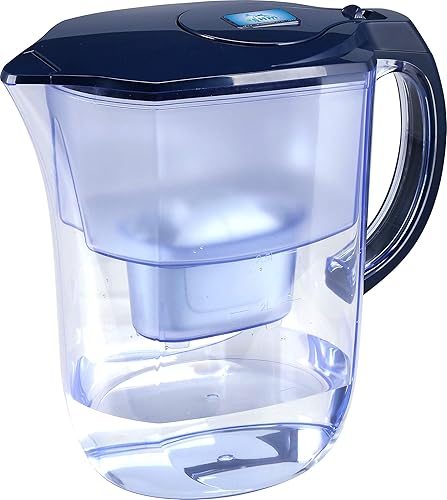
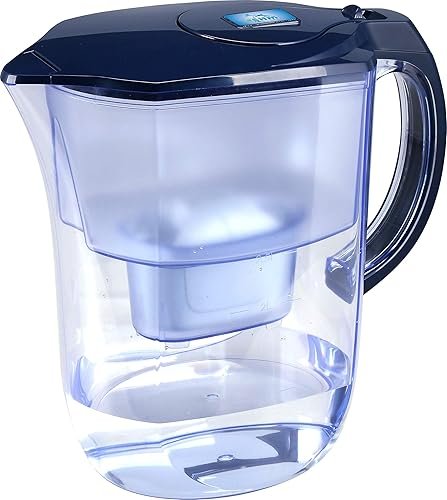
Ehm Ultra Premium Alkaline Water Pitcher
This is our top pick for pitchers, and for good reason. It’s well-built, the 3.5L size is generous, and in our testing, it consistently raised pH to around 9.2 with fresh filters. The taste improvement over tap water is immediate and noticeable. It’s the perfect “try before you buy” option for alkaline water.
- Excellent value for entry-level
- Simple, no-install setup
- Noticeably better taste
- Basic carbon filtration only
- Filter life could be longer
- pH can drop as filter ages
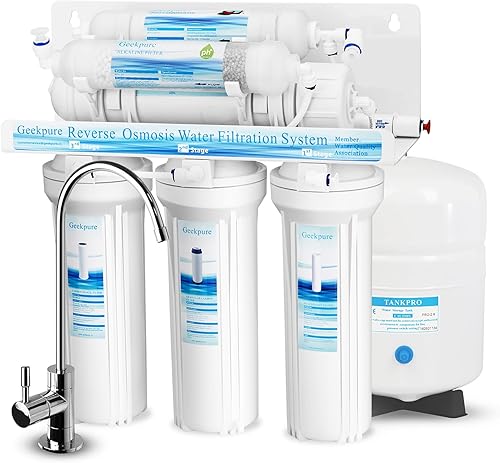
Geekpure 6-Stage Reverse Osmosis System
If you want serious purification plus alkaline benefits, this Geekpure system is a workhorse. The 6-stage process, including a dedicated post-RO alkaline filter, gives you incredibly pure water that’s then remineralized. The 75 GPD flow rate is fine for most families. We appreciate the NSF-certified RO membrane—it’s the real deal for removing contaminants.
- Excellent purification (RO)
- Dedicated alkaline stage
- NSF-certified components
- Installation required
- Creates wastewater (standard for RO)
- More expensive upfront
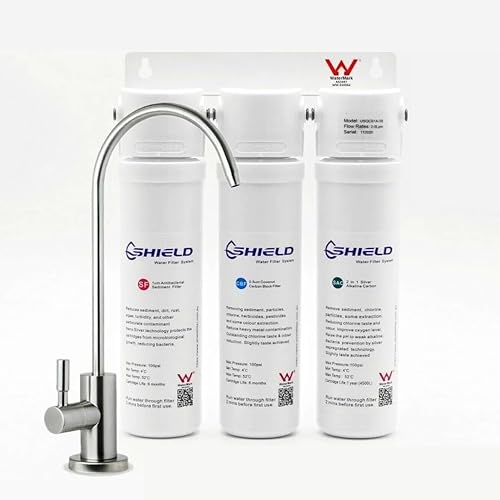
3-Stage Undersink Alkaline Water Filter System
This system is a solid middle-ground. It skips the RO membrane, which means no wastewater and a simpler install, but still offers good filtration with its 0.5um carbon block. The “silver alkaline” tech is interesting—it claims antibacterial properties. We found the taste clean and the pH stable around 8.8-9.0. A great choice if your water is already decent and you just want the alkaline upgrade.
- No wastewater (non-RO)
- Simpler installation
- Good filtration for city water
- Won’t remove TDS/fluoride like RO
- Requires drilling for faucet
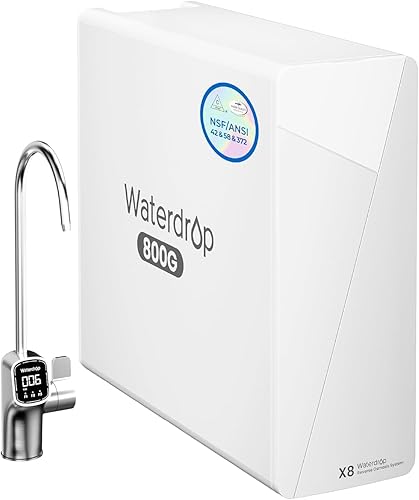
Waterdrop WD-X8 Reverse Osmosis System
This is the premium pick. The 800 GPD flow rate is blazing fast—no waiting for a tank to fill. The 9-stage filtration is overkill in the best way, tackling PFAS, lead, and TDS with its 0.0001μm membrane. The 2:1 pure-to-waste ratio is excellent for an RO system. It’s certified against NSF/ANSI 42, 58, and 372. If you want the absolute best water quality with an alkaline finish, this is it.
- Extremely high flow rate (tankless)
- Superior 9-stage filtration
- Excellent NSF certifications
- Low wastewater ratio
- Premium price point
- Professional install recommended
AliExpress Budget Picks
Looking for a deal? These two options from AliExpress offer interesting alternatives.
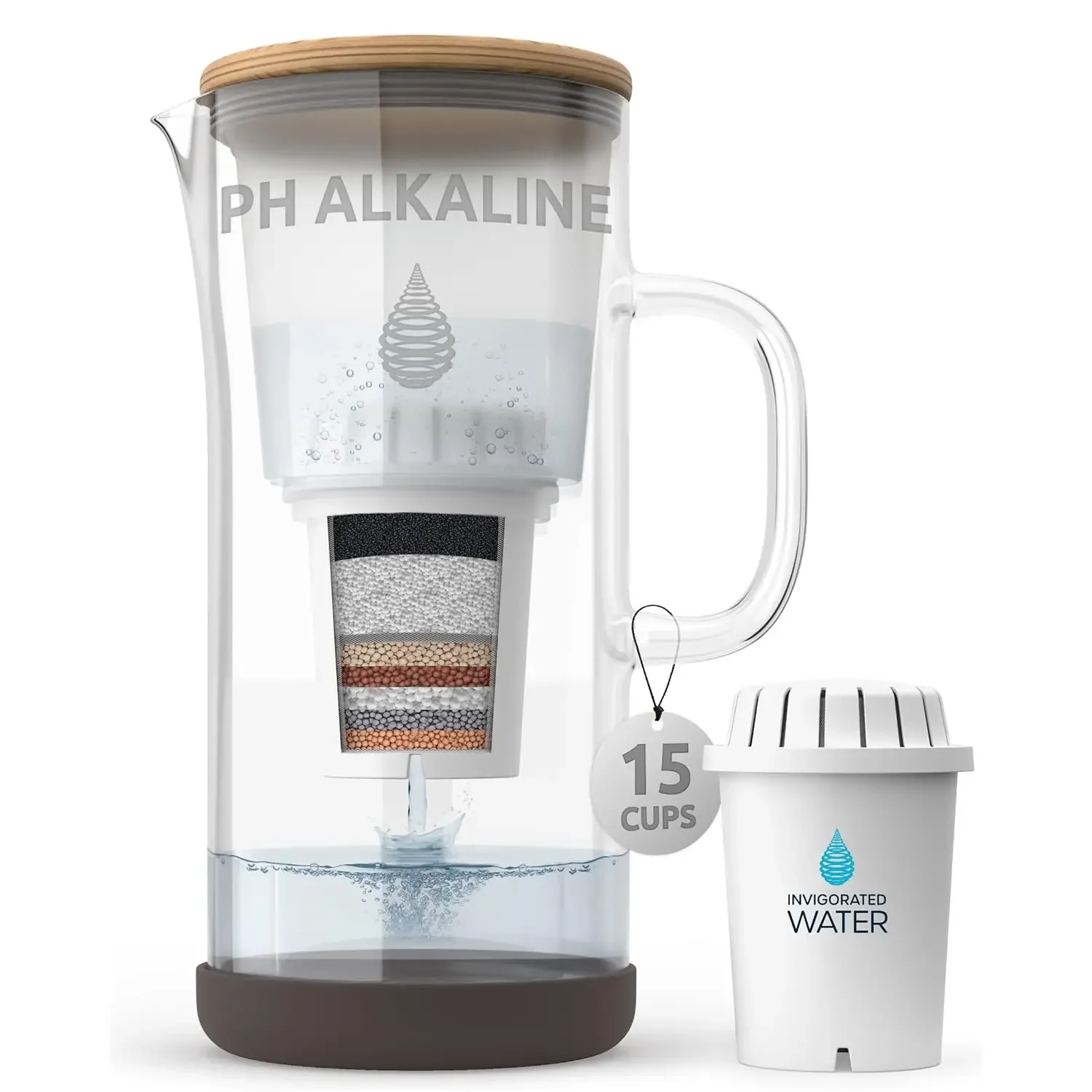
pH Restore Glass Alkaline Water Pitcher
A glass pitcher! We love this for avoiding plastic. The multi-stage filtration and mineral addition are promising. At $138, it’s not cheap, but the build quality and materials might justify it for those wary of plastic leaching. Worth a look if aesthetics and materials are your priority.
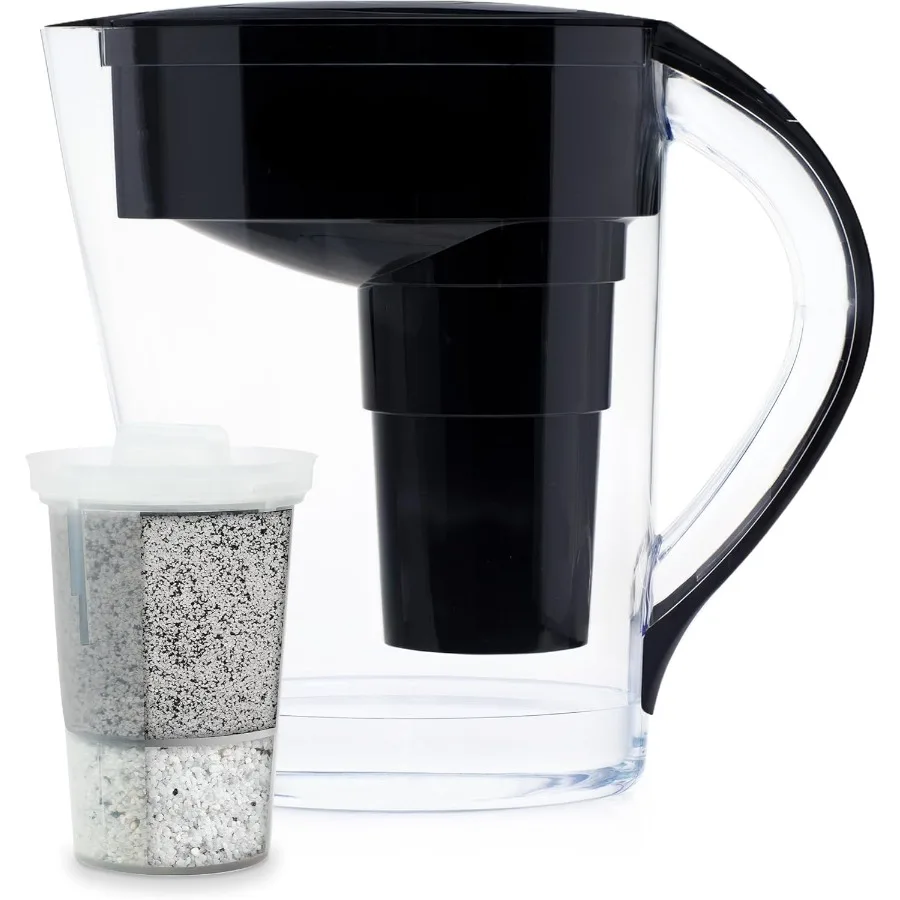
9-Cup Alkaline Water Pitcher Filter
At $59, this is a budget-friendly pitcher with a focus on removing fluoride, chlorine, and lead—a tall order for a pitcher. The “American Filtration Media Idea” is a bit vague, but the price is right for experimentation. Manage expectations, but it could be a decent starter.
Alkaline Water Filtration FAQ
- Is alkaline water actually better for you?
- The taste and mineral content are clear benefits. Strong claims about disease prevention are not supported by solid science. It can be a healthy part of your routine, especially if it helps you drink more water, but it’s not a miracle cure.
- Can I make my own alkaline water?
- You can add a pinch of baking soda (sodium bicarbonate) to raise pH, but this adds sodium and no beneficial minerals. Lemon juice, though acidic, has an alkalizing effect after digestion. Neither method filters your water. A dedicated filter is the only way to get clean, mineral-rich alkaline water.
- How often do I need to change the filters?
- It varies wildly. Pitcher filters might last 2-3 months. Under-sink carbon filters go 6-12 months. RO membranes can last 2-3 years. The alkaline cartridge itself typically needs replacing every 6-12 months. Always follow the manufacturer’s schedule—ignoring it defeats the purpose.
- Does alkaline water interact with medications?
- It can. Alkaline water may affect the absorption of certain medications. If you’re on prescription drugs, especially for heart conditions or blood pressure, talk to your doctor before making it your primary drinking water.
- What’s the difference between a water ionizer and an alkaline filter?
- A ionizer uses electrolysis to split water into alkaline and acidic streams, offering a wider pH range but at a much higher cost ($1000+). An alkaline filter uses mineral media to raise pH and add minerals. For most people, a filter provides all the benefits at a fraction of the price.
- Can I use alkaline water for cooking?
- Absolutely. It can improve the taste of coffee, tea, and soups. Some chefs claim it affects the texture of rice and pasta. The minerals won’t cook out. It’s a great way to get the benefits beyond just drinking.
Final Thoughts
After all my years testing filters, I’ll say this: alkaline water filtration is a legitimate product category, not a scam. The improvement in taste and mineral content is real and noticeable. The mistake people make is expecting it to be a health panacea. It’s not. It’s a premium water upgrade.
If you’re curious, start with a quality pitcher like the Ehm. If you love it and want the best possible water, invest in a multi-stage under-sink system like the Waterdrop X8. The key is to always prioritize real filtration first. Get the contaminants out, then add the good stuff back in. That’s a philosophy you can drink to.
