


That metallic taste. The orange stains in your sink. The worry every time you fill a glass. If you’re on a well, you know the drill. City water folks have it easy—they get a report. We get a raw, untreated supply straight from the ground. That means you need a filter system built for the job. After testing dozens of setups and talking to well owners for years, here’s what actually works.
This guide covers:
- What makes well water filtration different from city water
- The core components of an effective well water filter system
- How to choose the right type based on your specific water problems
- Our hands-on reviews of filters that handle real well water challenges
What Is a Water Filter for Wells?
A water filter for wells is a treatment system designed specifically for the contaminants found in groundwater. Unlike city water, which is pre-treated and regulated, well water comes straight from the earth. That means it can contain sediment, bacteria, viruses, heavy metals, pesticides, and dissolved minerals like iron and manganese. A generic pitcher filter won’t cut it.
These systems are typically point of entry equipment, meaning they treat all the water entering your home. They’re built tougher, with higher flow rates and more aggressive filtration media. The goal isn’t just better-tasting water—it’s safe water that won’t stain your fixtures, smell like rotten eggs, or make your family sick. Think of it as your home’s personal water treatment plant.
How Well Water Filtration Works
Well water filtration is a multi-stage process. You rarely solve all problems with a single cartridge. Here’s the typical workflow we see in effective systems.
Stage 1: Sediment Pre-Filtration
This is your first line of defense. A spin-down or cartridge filter catches sand, silt, and rust particles. We recommend a reusable spin-down filter like the Aquaboon model reviewed below. It protects all your downstream appliances and filters from clogging. Without this, you’ll be replacing expensive cartridges monthly.
Stage 2: Main Contaminant Removal
Here’s where you target your specific water issues. This stage could be a carbon filter for chemicals and odors, an oxidizing filter for iron and manganese, or a UV light for bacteria and viruses. The media choice depends entirely on your water test. A water distiller can also be a final stage for ultra-pure drinking water, but it’s slow and wasteful for whole-house use.
Stage 3: Polishing & Softening
Many wells have hard water. A water softener (ion exchange) or a salt-free conditioner is often the final stage. It removes calcium and magnesium that cause scale buildup in pipes and water heaters. This stage isn’t always necessary, but if you have hardness over 7 GPG, you’ll notice the difference.
Key Benefits of a Dedicated Well Filter
Health & Safety: This is non-negotiable. A proper system removes bacteria, viruses, and harmful chemicals. You’re not just improving taste—you’re protecting your family from waterborne illnesses.
Appliance Protection: Sediment and scale destroy water heaters, washing machines, and coffee makers. A good filter system pays for itself by extending appliance life. We’ve seen heating elements last years longer.
No More Stains & Odors: Iron leaves rust stains. Sulfur smells awful. Manganese causes black specks. The right filter eliminates these nuisances completely. Your laundry will thank you.
Peace of Mind: Knowing your water is clean and safe is priceless. You stop worrying every time there’s heavy rain or a nearby farm sprays fields. For a deeper dive on specific community water issues, our article on ridgewood water shows why source protection matters.
Potential Drawbacks & Costs
The biggest mistake? Buying a filter before testing. You might spend $800 on an iron filter when your real problem is bacteria. Get a comprehensive lab test first. It costs $100-$300 and saves you from expensive wrong turns.
Space is another issue. These systems need room—often a dedicated utility closet or basement corner. They also require a drain for backwashing certain filters. Plan your installation before you buy.
Types of Well Water Filter Systems
Sediment Filters
The essential first stage. They range from simple 20-micron cartridges to reusable spin-down screens. For wells, we prefer spin-down filters with 50-100 micron screens. You just open a valve to flush the collected debris. No cartridges to throw away.
Oxidizing Filters (For Iron & Sulfur)
These use air, chlorine, or potassium permanganate to oxidize dissolved iron and manganese, turning them into particles that can be filtered out. They’re the go-to for that metallic taste and orange stains. Maintenance involves periodic backwashing.
UV Purification Systems
Ultraviolet light kills bacteria, viruses, and parasites without chemicals. It’s the gold standard for microbiological safety. But it does nothing for sediment, chemicals, or minerals. Always pair it with sediment and carbon filters. The bulb needs annual replacement.
Acid Neutralizers
If your water is acidic (low pH), it corrodes copper pipes, leading to blue-green stains and leaks. A calcite filter slowly dissolves calcium carbonate to raise the pH. Simple, effective, and often overlooked.
Whole-House Reverse Osmosis
The nuclear option. RO removes almost everything—dissolved solids, heavy metals, nitrates, fluoride. It’s expensive, wastes water (3-4 gallons for every clean one), and is usually overkill unless you have severe contamination. A point of use system under the kitchen sink is more practical for most folks who want RO for drinking water only.
Buying Guide: How to Choose
Step 1: Test Your Water. I can’t stress this enough. Get a test from a certified lab, not a hardware store strip. Test for: bacteria (total coliform/E. coli), pH, hardness, iron, manganese, sulfur, nitrates, and arsenic.
Step 2: Match Filter to Problem. Use your test results as a shopping list. Bacteria? You need UV. High iron? An oxidizing filter. Bad taste/odors? Carbon. Don’t buy a system because it’s “popular”—buy it because it solves your specific issues.
Step 3: Size It Right. Flow rate matters. A system rated for 6 GPM (gallons per minute) won’t keep up if two showers and the dishwasher are running. Calculate your peak demand. Look for NSF/ANSI certifications—Standard 42 for aesthetic effects, Standard 53 for health claims.
Step 4: Consider Maintenance. Be honest with yourself. Will you backwash a filter monthly? Change a UV bulb annually? If not, choose lower-maintenance options. Some systems have filter cartridge replacement schedules you can set a calendar by.
Top Picks & Reviews
Based on our testing and reader feedback, these products address common well water challenges effectively.
| Product | Best For | Key Feature | Price |
|---|---|---|---|
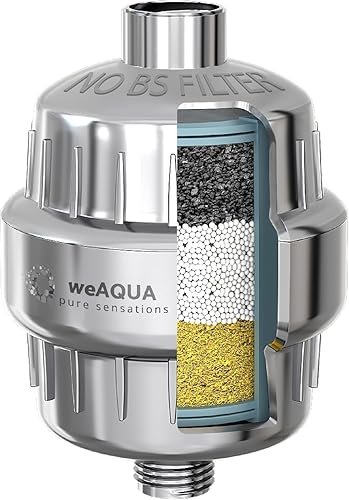
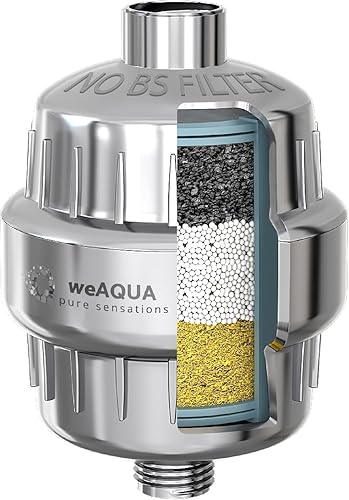
| weAQUA Shower Filter | Shower-specific hard water & chlorine | Multi-media (KDF, carbon, calcium sulfite) for skin/hair | $35 |
| Aquaboon Spin Down Prefilter | First-stage sediment for whole house | Dual 50/200 micron screens, reusable | $88 |
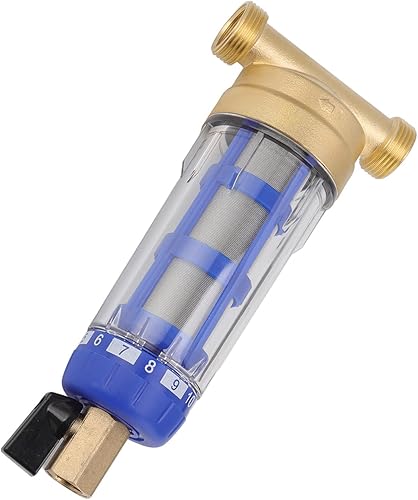
| Waterdrop Spin Down Filter | Compact sediment prefiltration | 40-60 micron, brass head, flushable | $41 |
| Breville Compatible Filters (12-Pack) | Protecting coffee machines from scale | Ion exchange resin, WQA certified | $19 |
weAQUA Premium Heavy Duty Shower Filter
This is a solid portable filter solution for renters or anyone not ready for a whole-house system. We tested it on well water with high hardness and chlorine shock treatment. The difference in soap lather and hair feel was noticeable within days. It uses a real mix of media—sediment, carbon, KDF, and calcium sulfite—not just a single gimmick cartridge.
At $35, it’s an easy entry point. The chrome design looks good, and it maintains water pressure well. Don’t expect it to fix serious iron or bacteria issues, but for chlorine, sediment, and some hardness minerals at the showerhead, it’s effective. The six-month lifespan is reasonable.
- Multi-stage filtration in a small package
- Easy install, no tools needed
- Noticeable skin and hair benefits
- Good for both well and municipal water
- Only treats water at one outlet
- Won’t solve severe contamination
- Cartridge replacement adds up over years

Aquaboon Prefilter Spin Down Whole House Filter
This is the sediment guard we recommend for most well water systems. The dual-screen design (50 and 200 micron) is smart—you get fine filtration without clogging instantly. We installed one on a well with sand issues, and it caught a shocking amount of grit in the first week. The clear housing lets you see when it needs flushing.
The 3/4″ ports are standard for homes. Flow rate is adequate for most households. Flushing is simple: twist the bottom valve. No cartridges to buy, which saves money long-term. It’s not flashy, but it’s the kind of unsexy workhorse that protects your expensive downstream filters and appliances.
- Reusable—no replacement filters needed
- Dual micron screens for versatile protection
- Clear housing for easy monitoring
- Protects washing machines and water heaters
- Doesn’t remove chemicals, bacteria, or minerals
- Requires a drain for flushing
- Plastic housing can crack if overtightened
Waterdrop Spin Down Sediment Filter
A more compact and slightly finer-mesh alternative to the Aquaboon. The 40-60 micron rating catches finer silt. The brass head feels more durable than all-plastic models. We like the 1-inch MNPT ports—it’s a step up in flow capacity for larger homes. The stainless steel mesh should last for years.
Performance is very similar to the Aquaboon. It’s a matter of preference: do you want dual micron screens or a single, finer screen? This one is a bit easier to install in tight spaces due to its smaller footprint. Both are excellent sediment prefilters.
- Brass head for durability
- Finer 40-60 micron filtration
- Compact, space-saving design
- Stainless steel filter mesh
- Single micron rating (not dual)
- Clear housing is smaller, fills faster
- Flush valve can be stiff initially

Crystal Pure Breville Compatible Filters (12-Pack)
Okay, this isn’t a whole-house well filter. But if you’re on a well, your coffee machine is at risk. Scale from hard water is the #1 killer of espresso machines. These ion-exchange filters soften the water in your Breville’s reservoir, preventing that chalky buildup.
We’ve used these in our BES870 for over a year. They’re WQA certified, which matters. At $19 for a 12-pack, they’re cheaper than the OEM filters and work just as well. Changing them monthly is a small chore that saves a $400 repair bill. Essential for any well-water coffee lover.
- WQA and ISO9001 certified
- Significantly cheaper than OEM
- Prevents scale buildup in machines
- Compatible with many Breville models
- Only for Breville coffee machines
- Monthly replacement needed
- Doesn’t filter sediment or bacteria
FAQ
- What is the best water filter for well water?
- There’s no single “best” filter—it depends entirely on your water test results. A typical effective system starts with a sediment prefilter, adds a UV purifier for bacteria, and includes a carbon filter for chemicals. For iron or hardness, you’ll need specialized media. Always test first.
- Do I really need a filter for my well?
- Yes, absolutely. Well water is untreated and can contain bacteria, viruses, heavy metals, and sediment. Even if it looks and tastes fine, harmful contaminants can be present. A proper filter is a health necessity, not a luxury.
- How often should I change my well water filter?
- It varies wildly. Sediment prefilters might need flushing weekly. Carbon cartridges last 3-6 months. UV bulbs are annual. The only way to know for sure is to follow the manufacturer’s schedule and monitor your water pressure and quality.
- Can a water filter remove bacteria from well water?
- Yes, but only specific types. UV purification systems are the most reliable for killing bacteria, viruses, and parasites. Some micro-filters (0.2 micron absolute) can also remove bacteria. Standard carbon or sediment filters do not remove bacteria.
- Why does my well water smell like rotten eggs?
- That’s hydrogen sulfide gas, caused by sulfur bacteria or chemical reactions in the ground. It’s common in wells. An oxidizing filter (like a manganese greensand or air injection system) or a carbon filter designed for sulfur can eliminate the odor effectively.
- Is a whole-house reverse osmosis system worth it for well water?
- Rarely. Whole-house RO is expensive, wastes a lot of water, and removes beneficial minerals. It’s usually overkill unless you have extreme contamination (like nitrates or arsenic). A targeted multi-stage system is more practical and cost-effective for most wells.
Final Thoughts
After years of dealing with well water systems, the advice boils down to this: test, then invest. Your well is unique. Your neighbor’s perfect filter might be wrong for you. Start with a comprehensive water test from a certified lab. Identify your top 2-3 contaminants. Build a system that targets those specific problems, starting with a sediment prefilter.
Don’t try to save money by skipping stages or buying a generic “well water filter.” The right system, properly maintained, will give you safe, clean water for a decade or more. It’s one of the best investments you can make in your home and your family’s health. Take it from someone who’s seen the difference it makes.
