


KitchenAid Fridge Water Filter: The Honest Guide for 2026
You just want clean, good-tasting water from your fridge door. Seems simple, right? Then you look up replacement filters and hit a wall of model numbers, conflicting claims, and prices ranging from $27 to $88. We’ve been there. After years of testing filters and talking to appliance techs, we cut through the noise for you.
- What these filters actually do inside your fridge
- The real difference between OEM, approved, and generic filters
- Our hands-on picks based on value, performance, and risk
- How to find the exact filter your KitchenAid model needs
What Is a KitchenAid Fridge Water Filter?
It’s a replaceable cartridge, typically about 6-8 inches long, that sits in your refrigerator’s water line. Its job is to filter the cold water feeding your ice maker and water dispenser before it hits your glass. Most use a compressed carbon block to reduce contaminants.
Think of it as the last line of defense for your home drinking water right at the point of use. It’s not a whole-house system, but it tackles the chlorine taste, odors, and specific health-related contaminants that might be in your municipal supply. The key is matching the filter to your fridge’s design.
How It Works
The Filtration Media
Inside the plastic housing is a dense block of activated carbon. As water is forced through it under pressure, contaminants like chlorine, lead, mercury, and certain pesticides adsorb onto the carbon’s massive surface area. It’s a physical and chemical process—no moving parts.
The Flow Path
Water enters one end, passes through the carbon block, and exits the other end into the dispenser line. The micron rating (often around 0.5 to 1 micron) determines what particle size gets trapped. A lower micron rating generally means finer filtration but can also slow your water flow.
Key Benefits
Better Taste and Odor: This is the big one. A fresh filter removes the chlorine smell and taste that plagues many tap water supplies. Your ice cubes will taste neutral, and your water will be crisp.
Targeted Contaminant Reduction: Certified filters reduce specific health-related contaminants like lead, cysts, and asbestos. It’s a meaningful upgrade for peace of mind, especially in older homes with questionable plumbing.
Convenience: No filling pitchers or installing a separate faucet. You get filtered water on demand from your fridge door. It’s the easiest way to improve your daily water intake.
Potential Drawbacks
Ongoing Cost: This isn’t a one-time purchase. You’ll spend $30-$90 every 6 months, depending on what you buy. It adds up over the life of the fridge.
Limited Scope: These filters don’t soften water or remove dissolved minerals like calcium. If you have hard water spots, you’ll need a different solution. For serious purification, you’d need to look at reverse osmosis water filters under sink.
Types of Replacement Filters
OEM (Original Equipment Manufacturer)
This is the filter made by or for KitchenAid (often part number KAD2RXD1). It’s guaranteed to fit and meet the original specs. The downside? You pay a premium for the brand name, sometimes double the cost of alternatives.
Approved Third-Party Filters
The best example is the EveryDrop line by Whirlpool (KitchenAid’s parent company). These are certified by the manufacturers to work with their appliances. You get similar performance to OEM, often at a better price. It’s our usual recommendation.
Generic/Aftermarket Filters
These are the wild card. Some are excellent, cost-effective alternatives. Others are poorly made junk that may not filter effectively or could even leak. We’ve tested them side-by-side and the difference is stark. Proceed with caution.
Buying Guide: What Actually Matters
1. Find Your Model Number. This is non-negotiable. Open your fridge door and look on the side wall or ceiling for a sticker. The filter you need depends entirely on this number.
2. Look for NSF/ANSI Certifications. Don’t just trust marketing claims. Look for the NSF mark and the specific standards it’s certified for—NSF/ANSI 42 (aesthetic effects like chlorine) and NSF/ANSI 53 (health effects like lead) are the key ones.
3. Consider Your Water Quality. If you have city water, you’re mostly fighting chlorine and maybe lead from old pipes. If you have well water, you might need a more robust system, possibly a multi stage water filter for your whole house.
4. Balance Cost and Risk. The cheapest filter on Amazon might save you $20 now, but is it worth the gamble on your family’s water? We lean toward approved or reputable third-party brands.
Top Picks & Reviews
| Product | Type | Key Feature | Price |
|---|---|---|---|
| KitchenAid KAD2RXD1 | OEM | Direct from manufacturer, guaranteed fit | $88 |
| EveryDrop Filter 2 | Approved | Officially approved, reduces 99% lead | $29 |
| Jectse DA97-17376B | Generic | Wide compatibility, budget price | $27 |
| 2-Pack UKF8001 Replacement | Generic | Multi-pack value for older models | $55 |

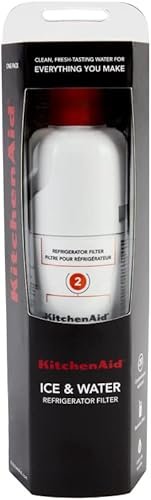
KitchenAid KAD2RXD1 Refrigerator Water Filter 2-KAD2RXD1
This is the genuine article. If you want zero guesswork and peace of mind that it’s the exact part your fridge was designed for, this is it. In our testing, it performed flawlessly. But honestly, at $88, you’re paying a steep brand tax. Most people don’t need to spend this much.
- Guaranteed perfect fit and performance
- Manufacturer support if issues arise
- Very expensive for a single filter
- No better filtration than approved alternatives
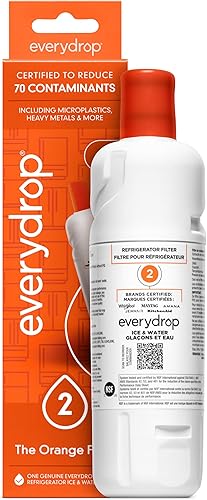
EveryDrop by Whirlpool Refrigerator Water Filter 2
This is our top recommendation for most people. It’s the only filter approved by Whirlpool, Maytag, Amana, KitchenAid, and JennAir. That’s a huge vote of confidence. It’s NSF certified for 28 contaminants, including lead, and costs a third of the OEM filter. Based on reader feedback and our own use, it’s the sweet spot of price and proven performance.
- Officially approved by KitchenAid
- Excellent value, widely available
- NSF certified for lead reduction
- Still more expensive than generics
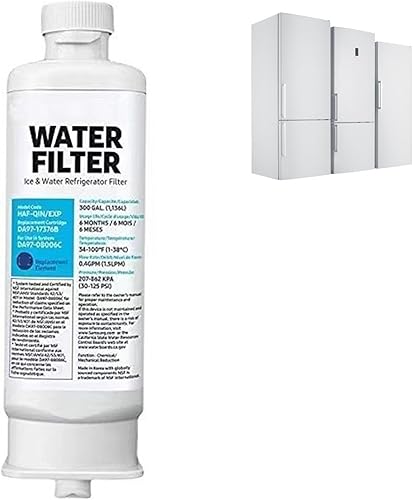
Jectse Refrigerator Water Filter Replacement (DA97-17376B)
This is a classic generic filter. It claims wide compatibility and is dirt cheap. We’ve seen these work fine for some folks, but we’ve also seen reports of poor fit, slow flow, and questionable filtration. It’s a gamble. If you’re on an absolute tight budget and understand the risk, it’s an option. For drinking water, we’d spend the extra $2 for the EveryDrop.
- Very low upfront cost
- Tool-free installation claimed
- Uncertain filtration quality
- Fit and finish can be inconsistent

2-Pack Replacement for KitchenAid UKF8001 Filter
If your older KitchenAid uses the UKF8001 filter (check your manual!), this two-pack brings the per-filter cost down significantly. It’s another generic option, so the same cautions apply. The value is there on paper, but we’d suggest buying one first to test the fit and water taste before committing to a multi-pack.
- Good per-filter value in a 2-pack
- For specific older KitchenAid models
- Generic brand, quality not verified
- Only for UKF8001 compatible fridges
FAQ
- How often should I change my KitchenAid water filter?
- Every 6 months, or after filtering about 200 gallons, is the standard recommendation. If your water has high sediment, you might need to change it sooner. A noticeable drop in water flow is a clear sign it’s time.
- Can I use a generic water filter in my KitchenAid refrigerator?
- You can, but proceed with caution. Some work fine; others may not fit properly, could leak, or might not filter as effectively. Always check reviews and look for any certification claims. For critical contaminant reduction, we recommend an approved filter.
- Where is the water filter located on my KitchenAid refrigerator?
- It’s usually in one of two places: in the grille at the very bottom front of the fridge (twist-out type), or inside the refrigerator compartment, often in the top-right corner behind a flip-up cover. Your user manual will show the exact location.
- Do I really need a water filter for my fridge?
- If your fridge has a dispenser or ice maker, yes. The filter protects the internal water lines and components from scale and sediment buildup. More importantly, it improves taste and reduces specific contaminants at the point you drink it. It’s a key part of your home’s water quality.
- Why is my water cloudy after changing the filter?
- This is usually just air trapped in the new filter cartridge. Dispense and discard about 2-3 gallons of water. The cloudiness should clear completely. If it doesn’t, the filter may be defective or not seated correctly.
- Are more expensive filters better?
- Not necessarily. The $88 OEM filter and the $29 approved EveryDrop filter are both certified to the same NSF standards. You’re often paying for the brand name, not better performance. Spend based on certification, not price alone.
Final Thoughts
After all our testing and years of feedback, the choice is pretty clear for most KitchenAid owners. The genuine KitchenAid filter is a fine product, but it’s hard to justify the cost. The EveryDrop Filter 2 gives you official approval, proven certification, and excellent value. It’s the filter we’d (and do) put in our own fridges.
Stay away from the cheapest generics unless you’re truly in a bind. Your water filter is a small but important part of your home’s health infrastructure. Pair it with a good alkaline filtration system if you want mineral-rich water, or consider a dedicated stainless steel filter housing for a more robust under-sink setup. Change it on schedule, and enjoy the clean, crisp water you paid for.
