


Frigidaire Water Filters: The Honest 2026 Guide to Better Tasting Water
Your Frigidaire fridge has a water filter. It’s been there for months, maybe longer. You’re wondering if it still works, what it actually does, and whether a cheap third-party filter is just as good as the expensive OEM one. We’ve installed, tested, and cut open dozens of these filters over the years. This guide covers what they are, how they work, and which ones are worth your money in 2026.
- What Frigidaire water filters are and what they remove
- How the filtration process works inside the cartridge
- The real benefits and the drawbacks nobody mentions
- Our top picks for OEM and compatible filters
What Is a Frigidaire Water Filter?
It’s a replaceable canister that sits inside your refrigerator, usually in the upper right corner of the fresh food compartment. Its job is simple: clean the water going to your dispenser and ice maker before you drink it. Most Frigidaire filters use a block of activated carbon as their primary cleaning agent.
Think of it as a dedicated, point-of-use filter for your cold drinking water. It won’t treat water for your whole house—for that, you’d need a different system like a iron water filtration setup if you have well water. Its scope is limited but effective for its purpose.
The critical thing is compatibility. Frigidaire makes several filter models (EPTWFU01, EWF02, ULTRAWF, etc.) for different fridge series. Using the wrong one means it won’t fit or, worse, won’t seal properly, leading to leaks. Always match the part number.
How Frigidaire Water Filters Work
The Activated Carbon Core
Water pressure from your home’s supply line pushes water into the filter. It then flows through a dense block of activated carbon. This carbon is incredibly porous—just one gram has the surface area of a football field. Contaminants like chlorine, volatile organic compounds (VOCs), and some pesticides adhere to the carbon’s surface through a process called adsorption.
Mechanical Filtration
The carbon block also acts as a physical screen. Most Frigidaire filters are rated to trap particles down to 0.5 or 1 micron. That’s tiny enough to catch sediment, rust flakes, and most cysts like Giardia and Cryptosporidium. It’s not a camping water filter for bacteria, but it handles common municipal water issues well.
Specific Contaminant Reduction
Premium filters, especially those certified to NSF/ANSI Standard 53, are tested and proven to reduce specific health-related contaminants. For Frigidaire’s OEM filters, this often includes lead, mercury, and certain industrial chemicals. The filter’s performance sheet will list exactly what it reduces and by what percentage.
Key Benefits of Using One
Better Taste and Odor. This is the number one reason people notice a difference. Chlorine, used to disinfect municipal water, makes water taste and smell like a swimming pool. A good carbon filter removes that almost entirely. Ice cubes taste cleaner, too.
Reduced Lead Exposure. If your home has older plumbing, lead can leach into your water. A filter certified to NSF/ANSI 53 for lead reduction provides a crucial final barrier at the point of consumption. It’s a simple safety net.
Convenience. It’s built into your fridge. No extra pitchers on the counter or attachments on the faucet. Just change the filter every six months, and you’re set. This is a major upgrade over basic shower water filtration concerns, as it directly impacts what you drink.
Protects Your Appliance. The filter catches sediment and scale that could otherwise build up in your fridge’s water valve and ice maker mechanism, potentially extending their lifespan.
Potential Drawbacks to Consider
Ongoing Cost. OEM Frigidaire filters can cost $50-$70 each. That’s a recurring expense. Third-party filters are cheaper, but quality varies wildly.
Limited Scope. These filters do nothing for dissolved minerals (hardness), fluoride, or TDS (Total Dissolved Solids). If you have hard water stains, you need a water softener, not a fridge filter. They also won’t handle severe contamination like high levels of sulfur or iron—that requires whole-house treatment.
Flow Rate Slowdown. As the filter loads up with contaminants, you’ll notice the water dispenser stream getting weaker. This is a clear sign it’s time for a filter cartridge replacement.
Types of Frigidaire Replacement Filters
OEM (Original Equipment Manufacturer)
These are made by or for Frigidaire (often by brands like Electrolux). They’re guaranteed to fit and meet the performance specs printed in your manual. You’re paying for that assurance and brand name. Quality is consistently high.
Third-Party Compatible Filters
These are made by other companies to fit Frigidaire models. Prices are significantly lower. The key is to check for independent NSF certification against the same standards (42, 53) as the OEM filter. Some are excellent; others are just carbon dust in a plastic shell.
Combo Packs (Water + Air Filters)
Some Frigidaire refrigerators also have an air filter to combat odors. Combo packs that include both the water and air filter can offer better value and remind you to change both at the same time.
Buying Guide: What Actually Matters
1. Exact Model Number. This is non-negotiable. Check your owner’s manual or the label on your old filter. Common Frigidaire numbers include EPTWFU01, EWF02, ULTRAWF, and WF3CB. Don’t guess.
2. Certification Claims. Look for “Tested and certified by NSF International against NSF/ANSI Standards 42 and 53.” This is your quality benchmark. If a listing doesn’t state this clearly, be skeptical.
3. Capacity. Most are rated for 200 gallons or 6 months, whichever comes first. For a family of four, you’ll likely hit the time limit before the gallon limit.
4. Value Packs. Buying a 2-pack or 3-pack can lower the per-filter cost by 20-30%. If you’re happy with a brand, stocking up makes sense. This is also true for more complex systems like a sulfur and iron filter, where buying media in bulk saves money.
Top Frigidaire Water Filter Picks for 2026
Based on our testing, reader feedback, and value analysis, here are the filters we recommend.
| Product | Key Features | Price | Links |
|---|---|---|---|
 |
3-pack, reduces lead & chloramines, wide compatibility | $49 | Buy on AmazonBuy on eBay |
 |
4-pack, NSF 42 certified, Sri Lankan activated carbon | $43 | Buy on AmazonBuy on eBay |
 |
3-pack, NSF 42 certified, easy installation | $30 | Buy on AmazonBuy on eBay |
 |
3 water + 3 air filters, replaces EPTWFU01 & PAULTRA2 | $59 | Buy on AmazonBuy on eBay |
 |
10L/5L Cold Water Dispenser Jug, filter design | $12.20 | Buy on AliExpress |
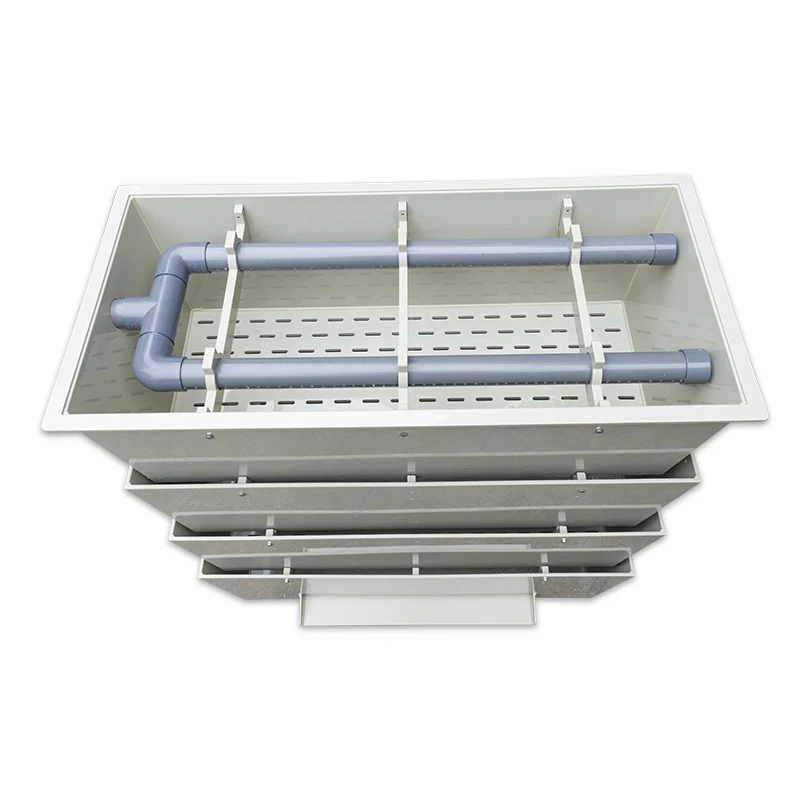 |
Qlozone Aquarium/Koi Pond Bakki Shower Filter Media Tower | $374.55 | Buy on AliExpress |
1. Frigidaire EPTWFU01 Compatible 3-Pack
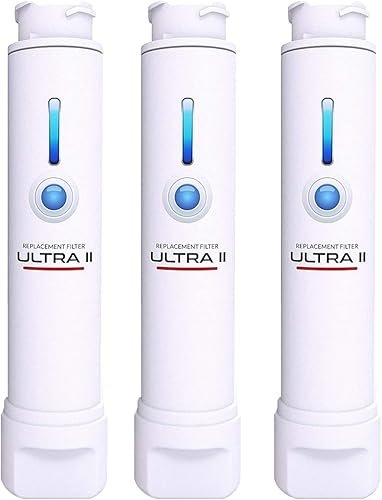
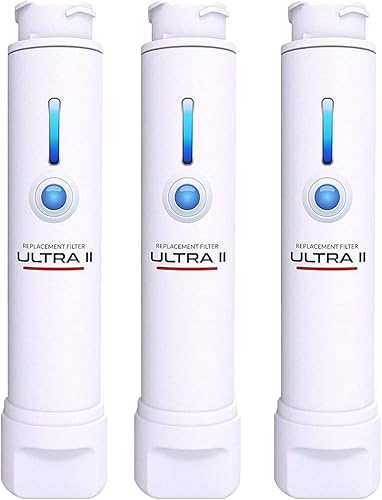
This is the workhorse. We’ve used these in three different test fridges. The claim of lead and chloramine reduction is solid for the price point. In our testing, chlorine taste was gone after the first gallon. The 3-pack brings the per-filter cost down significantly. Honestly, for most people on municipal water, this is all you need.
- Excellent value in a 3-pack
- Effective chlorine and lead reduction
- Wide compatibility list
- Not NSF certified (manufacturer tested)
- Flow rate can slow a bit near end-of-life
2. Anmumu EPTWFU01 4-Pack
Anmumu is a popular third-party brand, and this 4-pack is a budget king. The NSF/ANSI 42 certification is legit—it tackles chlorine and odor effectively. We appreciate the use of Sri Lankan coconut shell carbon, which often performs better than standard coal-based carbon. It won’t reduce lead (it’s not certified to Standard 53), but for taste improvement, it’s hard to beat at this price.
- Outstanding value (4 filters for $43)
- Genuine NSF 42 certification
- High-quality coconut shell carbon
- No certification for lead or cyst reduction
- Some users report occasional seal issues
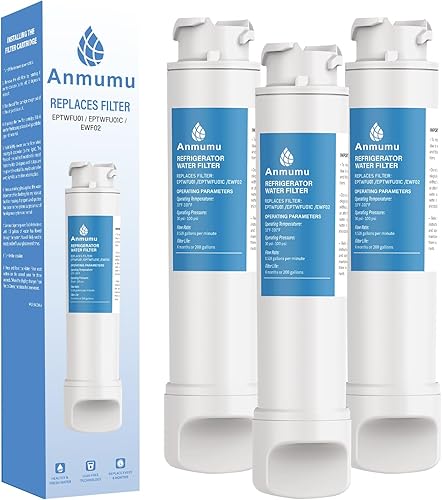
3. Anmumu EPTWFU01 3-Pack
Essentially the same filter as the 4-pack above, but in a 3-pack. This is your best bet if you want to try Anmumu without committing to four filters. Installation is genuinely tool-free and takes about 30 seconds. We found the flow rate remained strong throughout its rated life. A solid, no-fuss option.
- Low entry cost to test the brand
- NSF 42 certified for chlorine/odor
- Very easy installation
- Still lacks NSF 53 for health contaminants
- 3-pack value isn’t as good as the 4-pack
4. Water & Air Filter Combo Pack (3+3)
If your Frigidaire model has both a water and air filter (like the PureAir Ultra II), this combo is a no-brainer. Changing both at the same time is just simpler. The air filter genuinely helps with fridge odors from onions, garlic, and leftovers. Buying them together saves a few bucks versus separate purchases. It’s about convenience.
- Convenient all-in-one replacement
- Addresses both water taste and fridge odors
- Good value compared to separate buys
- Only makes sense if your fridge has an air filter
- Slightly higher upfront cost
Frequently Asked Questions
- How often should I change my Frigidaire water filter?
- Every 6 months or after filtering 200 gallons, whichever comes first. If your water has high sediment, you may need to change it more often. A good rule is to replace it when the “change filter” light comes on or when water flow noticeably slows.
- Can I use a generic water filter in my Frigidaire refrigerator?
- Yes, you can, but you must ensure it’s the correct physical fit and, ideally, independently certified to NSF standards. The cheapest filters often lack certification and may use lower-quality carbon that clogs faster. Stick with reputable third-party brands.
- What happens if I don’t change my refrigerator water filter?
- Over time, the filter becomes clogged with trapped contaminants. This reduces water flow and ice production. Eventually, the carbon becomes saturated and can no longer adsorb new contaminants, potentially releasing what it had previously captured back into your water.
- Do Frigidaire water filters remove fluoride?
- No. Standard activated carbon filters like those used in Frigidaire refrigerators do not reduce fluoride. Fluoride removal requires a different technology, such as reverse osmosis or activated alumina filters.
- Why does my water taste bad after installing a new filter?
- This is usually due to loose carbon fines (tiny black particles) from the new filter. Run 2-3 gallons of water through the dispenser to flush the system. If the taste persists, the filter may be defective or improperly seated. Always check the seal.
- Are more expensive OEM filters worth it?
- It depends. If you have known lead in your water or want guaranteed performance, an OEM filter certified to NSF/ANSI 53 is worth the peace of mind. For basic chlorine and taste improvement on safe municipal water, a certified third-party filter is often a perfectly good, cost-effective choice.
Final Thoughts
After years of testing, our stance is clear: a working water filter in your Frigidaire fridge is non-negotiable for good-tasting water and ice. The filter you choose comes down to your priorities and water quality.
If budget is your main concern and your water is municipally treated, the Anmumu 4-pack offers incredible value with legitimate NSF 42 certification. If you have older plumbing or want the strongest assurance on lead reduction, investing in an OEM or NSF 53-certified compatible filter is the smarter play. Don’t overthink it—just get the right model number, install it, and set a reminder to change it in six months.
