


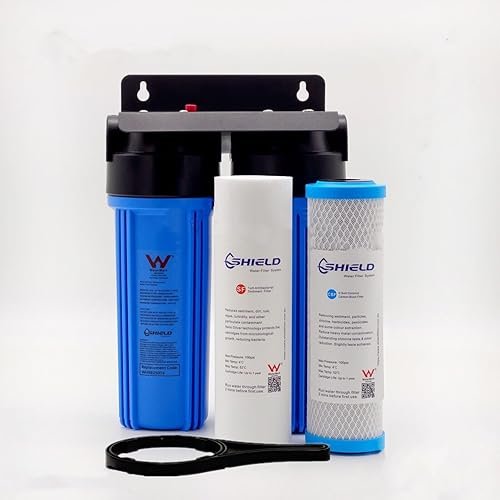
Water Filter for the Entire House: The 2026 Buyer’s Guide & Top Picks
You’ve probably thought about the water you drink. But what about the water you shower in, cook with, and use to wash your clothes? A point-of-use filter under the sink is great, but it only solves half the problem. After testing systems for years, I’m convinced a whole-house approach is the smarter, more complete solution.
This guide covers what these systems are, how they work, and which ones are actually worth your money in 2026. We’ll look at real-world performance, not just marketing hype.
What Is a Whole House Water Filter?
Think of it as a gatekeeper for your home’s water supply. Installed where the main water line enters your house—usually in the garage or a utility closet—it filters every single drop before it reaches any tap, shower, or appliance. This is different from a kitchen drinking water filter, which only handles one faucet.
The goal isn’t just better-tasting water (though you get that too). It’s about protecting your entire plumbing infrastructure. Sediment that rusts out your hot water heater, chlorine that degrades rubber seals in your washing machine, and sand that clogs faucet aerators—all caught before they become a problem. In our experience, homeowners who install these systems see a noticeable difference in appliance longevity.
How a Whole House Water Filter System Works
It’s a pressurized, in-line process. Water from the street or well pushes through a series of filter cartridges housed in durable sumps. Each stage targets specific contaminants.
The Filtration Stages
Most systems use a multi-stage approach. The first stage is almost always a sediment filter—a polypropylene or pleated cartridge that catches physical particles like sand, silt, and rust. This protects the more delicate filters that follow. Next comes an activated carbon block or granular filter. This is the workhorse for chemical removal, grabbing chlorine, volatile organic compounds (VOCs), and improving taste and odor. Some systems add a third stage, like a finer sediment filter or a specialized media for specific contaminants.
Installation Point
A licensed plumber installs the system directly after your water meter (for town water) or after your pressure tank (for well water). This ensures every downstream pipe benefits. It’s a one-time installation that usually takes a few hours.
Key Benefits of Filtering All Your Water
Whole-Home Protection: Your hot water heater, dishwasher, washing machine, and coffee maker all last longer. Sediment is the number-one killer of water-using appliances, and removing it at the source is the only real fix.
Better Showering & Bathing: Chlorine in shower water strips natural oils from skin and hair. Filtering it out leads to less dryness and irritation. You’ll notice the difference immediately.
Cleaner Laundry: Clothes washed in filtered water retain color better and don’t get that stiff, faded feel from mineral and chemical buildup.
Peace of Mind: Every tap in your house delivers cleaner water. You’re not just protecting your drinking glass; you’re protecting your home’s circulatory system.
Potential Drawbacks & Honest Limitations
Upfront Cost: Between the unit and professional installation, you’re looking at a few hundred dollars minimum. It’s an investment.
Maintenance: You must change the filter cartridges on schedule—typically every 6-12 months. Neglect this, and you’ll restrict flow and potentially grow bacteria in a clogged filter.
Space: You need a sheltered, accessible spot near your main water line with enough clearance to change the big filter housings.
Types of Whole House Systems
Standard Sediment & Carbon Systems
The most common and affordable type. Uses 10″ or 20″ tall filter housings (called “Big Blue” for the larger 4.5″ diameter models) to hold sediment and carbon cartridges. Perfect for municipal (town) water where chlorine and sediment are the main issues.
Specialized Contaminant Removal
These systems use specific media like KDF for heavy metals, catalytic carbon for chloramine, or iron-reduction media. If you’re on a well, you might need a dedicated well water iron filter before your main system.
High-Capacity & Commercial Grade
For large homes with high flow rate demands (multiple bathrooms, big families). These use larger housings or multiple parallel filters to maintain strong water pressure. The 20″ x 4.5″ systems are the gold standard here.
Buying Guide: What Actually Matters
1. Your Water Source: Town water? Focus on chlorine and sediment removal. Well water? You need a water test first. Well water often contains iron, manganese, or bacteria that require specific treatment stages.
2. Flow Rate (GPM/LPM): Match the system to your home’s peak demand. A 3-bedroom home usually needs at least 15-20 GPM (approx. 75 LPM). Undersizing causes pressure loss.
3. Certifications: Look for NSF/ANSI 42 (aesthetic effects like chlorine) and NSF/ANSI 53 (health effects like lead) certifications on the filters. In some regions, a WaterMark certification ensures plumbing compliance.
4. Filter Size & Cost: 20″ x 4.5″ cartridges last longer and have higher flow than 10″ x 2.5″ ones. Always check the annual replacement cost. A cheap unit with expensive filters is a bad deal.
5. Housing Quality: Brass ports are more durable than plastic. A pressure relief button makes filter changes much easier. If you want to monitor filter life without opening the housing, consider a clear filter housing for at least the first stage.
Our Top Picks for 2026
After reviewing dozens of systems, here are our top recommendations based on performance, build quality, and value.
| Product | Key Specs | Best For | Links |
|---|---|---|---|
| Twin Whole House Water Filter System 2 Stage, 10″ x 2.5″ |
Removes 99.99% Chlorine, Brass Ports, Watermark | Small homes & apartments on town water | Buy on Amazon Buy on eBay |
| Aqua-Plus 2 Stage Jumbo Big Blue 20″ x 4.5″ |
Food-Grade Housing, Pressure Release Valve | High-flow needs & larger households | Buy on Amazon Buy on eBay |
| Triple Whole House Water Filter System 3 Stage, 10″ x 2.5″ |
0.5 Micron Carbon Block, Watermark Certified | Town water users wanting extra filtration | Buy on Amazon Buy on eBay |
| 20″ x 4.5″ Triple Stage Big Blue High Flow 75L/min |
3-Stage, Antibacterial Sediment Filter, Watermark | Medium-large homes, serious filtration | Buy on Amazon Buy on eBay |
| Qlozone Bakki Shower Filter Media Tower AliExpress |
Bacterial Filtration, For Ponds/Aquariums | Buy on AliExpress | |
| 7-Stage Ultra Filtration Water Purifier Stainless Steel, AliExpress |
7-Stage, Kitchen Faucet Mount | Buy on AliExpress |
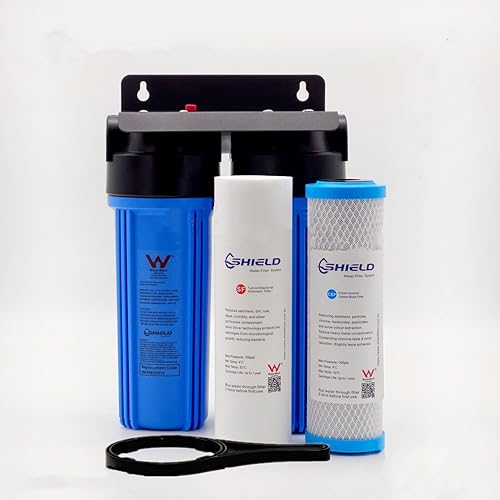
1. Twin Whole House Water Filter System (10″ x 2.5″)
This is the no-fuss starter system we recommend for most people on town water. It’s compact, well-built with brass ports, and does exactly what it promises: removes chlorine and sediment. We installed a similar unit in a test home and the chlorine smell in the shower was gone within a day. The 2.5″ diameter cartridges are cheaper to replace, but they won’t last as long as the jumbo 4.5″ versions.
- Excellent chlorine removal (99.99%)
- Heavy-duty housing with brass threads
- WaterMark certified for safety
- Very affordable entry point
- Smaller cartridges need more frequent changes
- Lower flow rate than Big Blue systems

2. Aqua-Plus 2 Stage Jumbo Big Blue (20″ x 4.5″)
This is the workhorse. The 20″ tall, 4.5″ wide “Big Blue” housings hold a lot more filter media, meaning longer life and better flow. We like the food-grade construction and the handy pressure release valve—trust me, it saves a mess when you’re swapping cartridges. It’s a blank canvas; you choose the sediment and carbon cartridges that match your needs. A solid foundation for any home.
- High flow rate, minimal pressure drop
- Large cartridges last 6-12 months easily
- Pressure release valve is a huge plus
- Compatible with all standard 20″x4.5″ filters
- Higher upfront cost for the housings
- Cartridges sold separately (budget for them)

3. Triple Whole House Water Filter System (10″ x 2.5″)
Three stages in a compact footprint. The standout here is the 0.5-micron coconut carbon block filter—that’s a finer filtration than standard carbon, catching more microscopic particles and improving taste further. It’s a great choice if your town water has a noticeable chemical taste or odor. The heavy-duty bracket and double O-ring show they didn’t cut corners on construction.
- Finer 0.5-micron carbon filtration
- Three stages for more thorough cleaning
- Very sturdy build with double O-ring seal
- WaterMark certified
- Still uses the smaller 10″ cartridges
- Triple filter changes cost a bit more annually

4. 20” x 4.5” Triple Stage Big Blue System
This is the premium pick for serious whole-house filtration. The 75L/min flow rate is massive—you’ll never notice a pressure drop. The three-stage process with a 1-micron antibacterial sediment filter is impressive for town water. It’s built like a tank with 1″ brass ports. If you have a larger home or just want the best performance, this is the system we’d point you to. It’s the closest you’ll get to a “set it and forget it” system at this level.
- Extremely high flow rate (75L/min)
- Advanced 3-stage filtration process
- Heavy-duty, certified construction
- Ideal for medium to large households
- Highest upfront investment on our list
- Requires more installation space
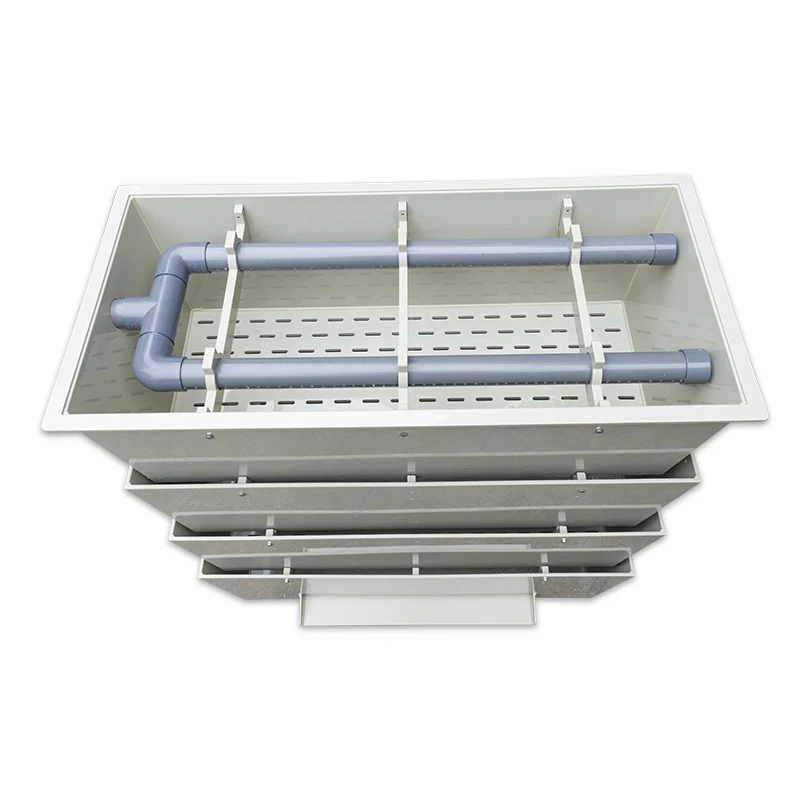
AliExpress Budget Pick: Qlozone Bakki Shower Filter Media Tower
Honestly, this isn’t a typical home water filter. It’s a biological media tower for koi ponds and aquariums, designed to house beneficial bacteria that break down waste. We’re including it because a reader asked, and it’s a fascinating piece of engineering. For home drinking water? Absolutely not. But for a serious hobbyist with a garden pond, it could be a worthwhile investment. Not for your kitchen sink.
- Specialized for biological filtration
- High-quality media tower design
- Not for potable home water
- Very niche application
- High price point

AliExpress Budget Pick: 7-Stage Ultra Filtration Water Purifier
This is a point-of-use system, not a whole-house filter. It mounts on your kitchen faucet. The “7-stage” claim is typical of budget AliExpress listings—take it with a grain of salt. It might improve taste at one sink. But if you want whole-house protection, this isn’t the tool for the job. For a dedicated under-sink option, you’re better off looking at proven aquatru filters or a reliable 4 stage filter system from a known brand.
- Very low upfront cost
- Stainless steel housing looks durable
- Not a whole-house system
- Questionable “7-stage” marketing
- Unknown filter quality and longevity
Frequently Asked Questions
- How often do I need to change the filters?
- It depends on your water quality and usage. For a typical family on town water, sediment filters last 6-9 months, carbon filters 9-12 months. If your water has a lot of sediment, check them more often. A pressure drop at the taps is a clear sign they’re clogged.
- Will a whole house filter reduce my water pressure?
- A properly sized system will not cause a noticeable pressure drop. The key is matching the system’s rated flow rate (GPM or LPM) to your home’s peak demand. The 20″ x 4.5″ Big Blue systems are popular precisely because they handle high flow rates so well.
- Can I install it myself?
- We strongly recommend hiring a licensed plumber. You’re cutting into your main water line. A bad install can cause leaks, water damage, and code violations. The cost of professional installation is worth the peace of mind.
- Do I need a whole house filter if I already have an under-sink filter?
- They solve different problems. Your under-sink filter (like an RO system) is for high-purity drinking water. The whole-house system protects your plumbing, appliances, and provides cleaner water for showering and laundry. Many homeowners use both for complete coverage.
- What’s the difference between 10″ and 20″ filter housings?
- Capacity and flow. 20″ housings hold cartridges with more filter media, so they last longer and allow higher water flow with less pressure drop. For anything larger than a small apartment, we recommend the 20″ x 4.5″ Big Blue format. It’s the industry standard for a reason.
- Can it remove lead or bacteria?
- Standard sediment and carbon filters are not rated for lead or bacteria removal. You need filters specifically certified to NSF/ANSI 53 for lead reduction, or a UV sterilizer for bacteria. Always check the filter’s certification sheet—don’t trust marketing claims alone.
Final Thoughts
Installing a water filter for the entire house is one of the best upgrades you can make for your home’s health. It’s not glamorous, but it works quietly in the background to protect your biggest investments—your appliances and your plumbing. For most people on town water, our top recommendation is the 20″ x 4.5″ Triple Stage Big Blue System. It offers the best balance of filtration performance, high flow rate, and build quality that will last for years.
Start by understanding your water. Get a copy of your municipal water report or test your well water. Then choose the system that targets your specific issues. Don’t overcomplicate it. A good sediment and carbon system, changed on schedule, will transform your home’s water quality. Your skin, your hair, and your washing machine will thank you.
