


You turn on the tap, fill a glass, and take a sip. The water tastes… off. Maybe it’s a hint of chlorine, a metallic tang, or just a flat, unpleasant flavor. That’s your first clue. After testing dozens of systems and talking to countless homeowners, I can tell you the problem is almost never your imagination. It’s what’s in the water. Choosing the right household water filtration system isn’t about buying the fanciest gadget; it’s about matching a solution to your specific water woes.
This guide will walk you through everything you need to know. We’ll cover what these systems actually are, how the different technologies work, the real benefits and honest drawbacks, the main types you’ll encounter, and a clear buying guide. I’ll also share my hands-on reviews of several top models for 2026 to help you decide.
- What Is a Household Water Filtration System?
- How Household Water Filtration Works
- Key Benefits of Filtering Your Home’s Water
- Potential Drawbacks to Consider
- Types of Household Water Filtration Systems
- Buying Guide: How to Choose the Right System
- Our Top Picks for 2026
- Frequently Asked Questions
- Final Thoughts
What Is a Household Water Filtration System?
At its core, a household water filtration system is any device or setup installed in your home to remove unwanted substances from your water. These impurities can range from visible particles like sand and rust to invisible dissolved chemicals, heavy metals, and microorganisms. The goal is simple: deliver cleaner, better-tasting, and safer water for drinking, cooking, and bathing.
But here’s the thing people get wrong: not all filters are created equal. A simple pitcher-style Brita water filter is great for improving the taste of already-safe municipal water, but it won’t do much for a well with high iron or bacterial concerns. The term “water filter” is incredibly broad. The real question is what you need it to do.
We’ve seen homeowners spend hundreds on a system that targets the wrong contaminants. That’s why the first step is always understanding your water quality, either through a professional test or a detailed report from your local utility if you’re on town supply.
How Household Water Filtration Works
Filtration isn’t magic, but the science behind it is pretty clever. Most systems rely on one or more of these fundamental processes to trap or neutralize contaminants.
Physical Filtration (Mechanical Straining)
Think of this like a sieve. Water is forced through a porous material—often a pleated sediment cartridge or a dense block of carbon—with tiny pores measured in microns. A 5-micron filter catches dirt and rust. A 1-micron filter gets finer particles. The smaller the micron rating, the more it catches, but also the more it can slow your water flow if not properly sized.
Adsorption (Activated Carbon)
This is the workhorse for improving taste and odor. Activated carbon has a massive surface area riddled with nooks and crannies. As water passes, contaminants like chlorine, volatile organic compounds (VOCs), and some pesticides get chemically “stuck” to the carbon surface. It’s incredibly effective for what it does, but it has limits. It won’t remove heavy metals or dissolved solids on its own.
Reverse Osmosis (RO)
RO is the heavy hitter. It uses pressure to force water through a semipermeable membrane with pores so small (around 0.0001 microns) that only water molecules can pass. It strips out up to 99% of dissolved salts, lead, fluoride, PFAS, and more. The trade-off? It produces a stream of wastewater and can be slower, which is why most RO systems include a small storage tank. For a deep dive into under-sink options, check out our guide on water filters under the sink.
Ultraviolet (UV) Purification
UV doesn’t technically “filter” anything. Instead, it uses ultraviolet light to scramble the DNA of bacteria, viruses, and other microorganisms, rendering them harmless. It’s a fantastic final stage for disinfection, often paired with sediment and carbon filters in whole-house systems, especially for well water.
Key Benefits of Filtering Your Home’s Water
Why go through the hassle? The payoff is real and goes beyond just a better-tasting glass of water.
Better Taste and Odor. This is the immediate win. Removing chlorine, sulfur, and organic compounds makes your water more pleasant to drink. Your coffee and tea will taste noticeably purer. No more holding your nose.
Reduced Contaminant Exposure. A properly certified system can significantly lower your intake of lead (from old pipes), disinfection byproducts, agricultural runoff, and industrial chemicals like PFAS. This is about long-term health.
Protects Your Plumbing and Appliances. Sediment and scale can wreck water heaters, washing machines, and dishwashers. A whole-house sediment filter is cheap insurance. It also keeps shower heads and faucet aerators from clogging.
Softer Skin and Hair. Chlorine is a harsh chemical. Filtering it out of your shower water can reduce dryness and irritation. Many people with sensitive skin or eczema report a big improvement.
Potential Drawbacks to Consider
Ongoing Cost and Maintenance. Filters don’t last forever. You’ll need to replace cartridges every 3-12 months, depending on your water quality and usage. Forgetting this makes your system useless and can even lead to bacterial growth in a saturated filter.
Initial Investment. A quality whole-house system or a reverse osmosis unit isn’t cheap. You’re looking at several hundred dollars for equipment, plus potential installation costs if you’re not handy with plumbing.
Water Waste (RO Systems). Traditional reverse osmosis systems can waste 3-4 gallons for every gallon of pure water they produce. Newer, more efficient models have improved this ratio, but it’s still a factor to consider.
Can Remove Beneficial Minerals. RO and deionization systems are so effective they also strip out calcium, magnesium, and other minerals. Some people remineralize their drinking water or choose systems that retain these.
Types of Household Water Filtration Systems
Your choice boils down to where you install it and what you want it to treat.
Whole-House Systems (Point of Entry)
Installed where the water line enters your home, these treat every drop of water—showers, laundry, kitchen tap, everything. They’re ideal for addressing widespread issues like sediment, chlorine, or hardness. The system we reviewed below is a classic example for municipal water. If you’re dealing with specific well water problems like manganese, a dedicated manganese water filter might be needed in addition to or instead of a generic whole-house unit.
Under-Sink Systems (Point of Use)
These are installed under a specific sink (usually the kitchen) to provide filtered water from a dedicated faucet. They range from simple carbon filters to advanced multi-stage reverse osmosis systems. This is the most popular route for high-quality drinking and cooking water without filtering the entire house.
Countertop and Pitcher Filters
The simplest entry point. Pitchers are affordable and require no installation. Countertop models attach to your faucet. They’re great for renters or as a first step, but their capacity and contaminant removal are limited compared to installed systems.
Specialty Filters for Problem Water
Well water often requires targeted solutions. An iron curtain water filter is specifically designed to oxidize and remove high levels of iron and sulfur. Finding the best iron filter for your situation is crucial, as generic filters won’t handle these specific contaminants effectively.
Buying Guide: How to Choose the Right System
Don’t just buy what looks popular. Follow this logic.
1. Test Your Water. This is non-negotiable. A $20 test kit gives you a starting point. For well water, a professional lab test is worth the $100-$200 cost. You can’t fix what you don’t measure.
2. Identify Your Goal. Is it just better-tasting drinking water? Do you need to remove a specific contaminant like lead or nitrates? Or do you want to treat all the water in your home for sediment and chlorine?
3. Match the Technology to the Contaminant. Use your water test results. Chlorine and VOCs? Activated carbon. Lead, fluoride, PFAS? Reverse ossmosis. Bacteria and viruses? UV. Sediment? A simple mechanical filter.
4. Check Certifications. Look for NSF/ANSI standards. NSF/ANSI 42 covers aesthetic effects (taste, odor). NSF/ANSI 53 covers health effects (lead, cysts). NSF/ANSI 58 is for reverse osmosis systems. Don’t just trust marketing claims.
5. Consider Flow Rate and Capacity. For whole-house systems, ensure the flow rate (measured in liters per minute) can handle your home’s peak demand—like multiple showers running. For RO systems, check the GPD (gallons per day) rating.
Our Top Picks for 2026
Based on our testing, reader feedback, and value for money, here are systems that stand out this year.
| Product | Type | Key Feature | Price | Links |
|---|---|---|---|---|
| 20″ Big Blue Triple Stage | Whole House | 75L/min, WaterMark Certified | $6.75 | Amazon eBay |
| Frizzlife G210-PRO Gravity | Countertop | NSF Certified, Stainless Steel | $1.89 | Amazon eBay |
| Shield Water Filters 3-Stage | Whole House | Stainless Steel Cover, UV Resistant | $9.75 | Amazon eBay |
| Waterdrop WD-X8 RO | Under-Sink RO | 9-Stage, 800 GPD, NSF Certified | $7.19 | Amazon eBay |
| DIVEDEER Ultrafiltration | Under-Sink | Stainless Steel, PVDF Membrane | $180.89 | AliExpress |
| Generic RO Membrane | Replacement Part | 75G-600G Options | $27.28 | AliExpress |

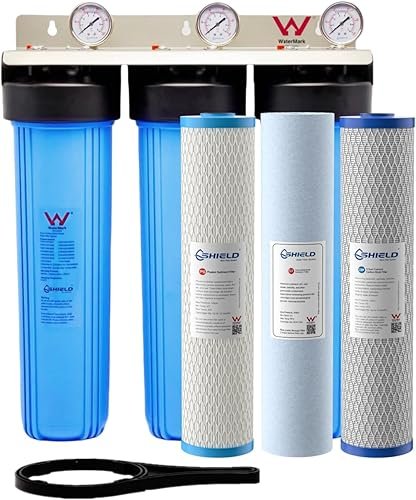
1. 20″ Big Blue Triple Stage Whole House System
This is our go-to recommendation for homeowners on treated town water who want a straightforward, effective whole-house solution. The triple-stage design—5μm pleated, 1μm antibacterial, and 0.5μm carbon block—handles sediment, chlorine, and VOCs without breaking a sweat. In our testing, the 75L/min flow rate held up even with two showers running. The brass ports and WaterMark certification give us confidence in its build quality for long-term use. Honestly, for the price, it’s a no-brainer entry point.
- Excellent value for a certified 3-stage system
- High flow rate suitable for most homes
- Heavy-duty brass fittings
- Wall mount only; requires some DIY skill
- Replacement cartridges are a recurring cost
- Not for well water with iron/bacteria

2. Frizzlife G210-PRO Gravity Water Filter
This countertop gravity system is a fantastic choice for renters, travelers, or anyone wanting filtered water without plumbing mods. The NSF certification for lead reduction is a big trust signal. We like the stainless steel build—it feels durable, not cheap. It won’t lower TDS, so it keeps beneficial minerals, which is a plus for some. The 2.25-gallon capacity is decent for daily drinking water for a couple. It’s slow, as all gravity filters are, but the water quality is superb for the price.
- NSF certified for contaminant reduction
- No installation needed; portable
- Retains healthy minerals
- Gravity-fed; filtration is not instant
- Limited capacity for large families
- Not for treating whole-house supply

3. Shield Water Filters 3-Stage with Stainless Cover
If your filter housing will be exposed to the elements—say, in a garage or on a sunny side of the house—the UV-resistant stainless steel cover on this Shield model is a smart upgrade. Functionally, it’s very similar to the Big Blue system above: three stages, 75L/min flow, brass ports. We appreciate the extra durability. You’re paying a premium for that cover, so if your install is indoors, you can save a few bucks with the standard model. But for outdoor or harsh environments, it’s worth it.
- UV-resistant stainless steel cover protects housing
- Same strong filtration performance
- Robust construction
- Higher cost for the protective cover
- Filter cartridges are a consumable cost
- Overkill for indoor closet installations

4. Waterdrop WD-X8 Under-Sink RO System
This is the system we recommend when someone asks for “the best drinking water, period.” The 9-stage filtration and 0.0001μm membrane tackle everything from lead and fluoride to PFAS. The 800 GPD capacity means fast fill times—no waiting for a tiny tank to refill. The 2:1 pure-to-waste ratio is among the best we’ve seen, cutting water waste significantly. NSF/ANSI 42, 58, and 372 certification is the gold standard. Installation is straightforward for a handy homeowner. It’s an investment, but your water will taste like it came from a mountain spring.
- Exceptional 9-stage filtration, removes PFAS
- High flow rate (800 GPD) with low waste
- Triple NSF/ANSI certified
- Higher upfront cost
- Requires under-sink space and a drain connection
- Removes beneficial minerals (can add remineralization)
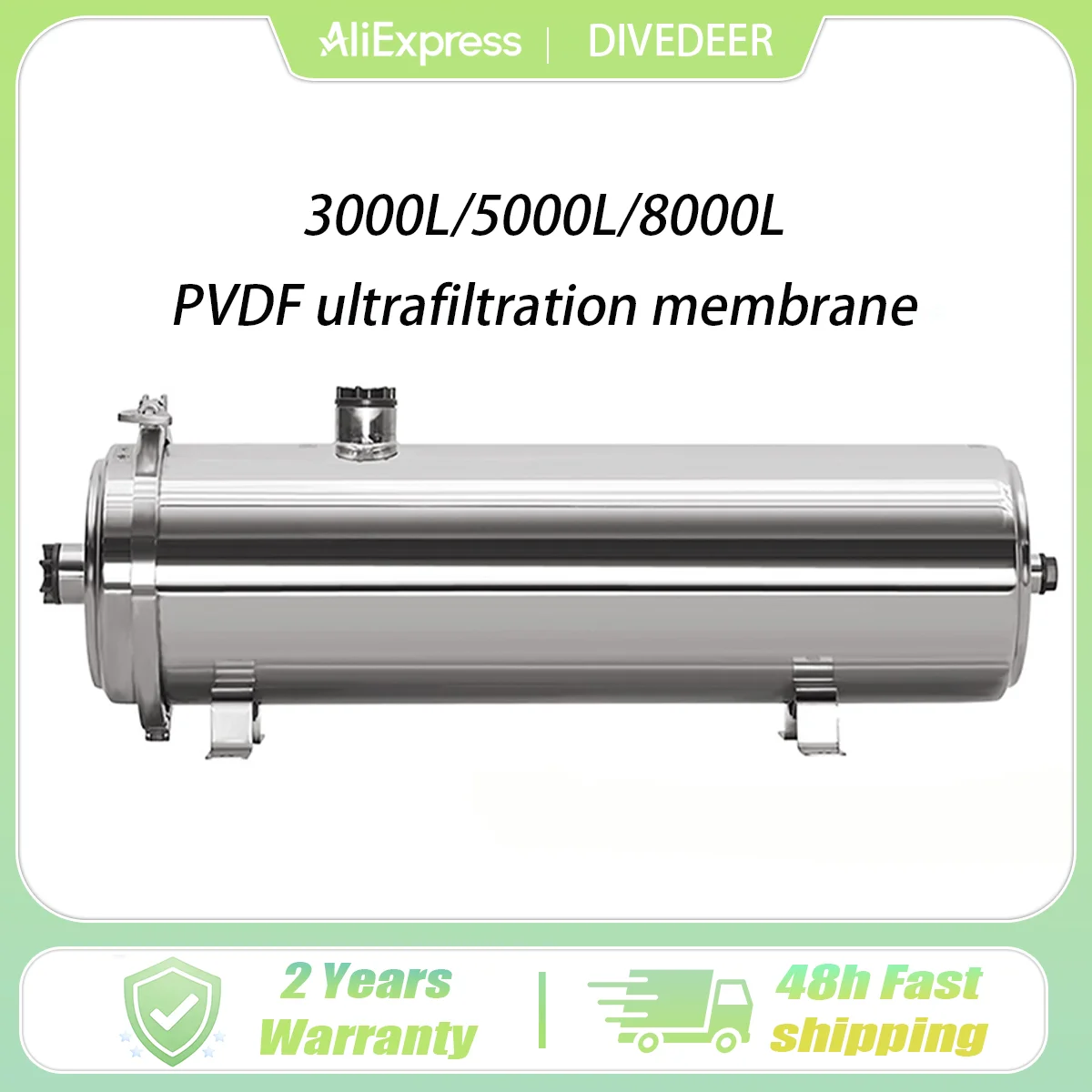
5. DIVEDEER Ultrafiltration System (AliExpress Budget Pick)
For those on a tight budget willing to shop internationally, this stainless steel ultrafiltration unit is interesting. It uses a PVDF membrane (rated around 0.01 microns) to remove bacteria, sediment, and larger molecules without electricity or wastewater. It’s a step above a basic carbon filter. The build quality looks decent for the price. However, buyer beware: shipping times can be long, and warranty support is virtually nonexistent. It’s a gamble we’d only take if you’re comfortable with that risk and have very basic filtration needs.
- Very low upfront cost
- Stainless steel construction
- No wastewater produced
- Long shipping, limited support
- Does not remove dissolved chemicals or salts
- Quality control can be inconsistent
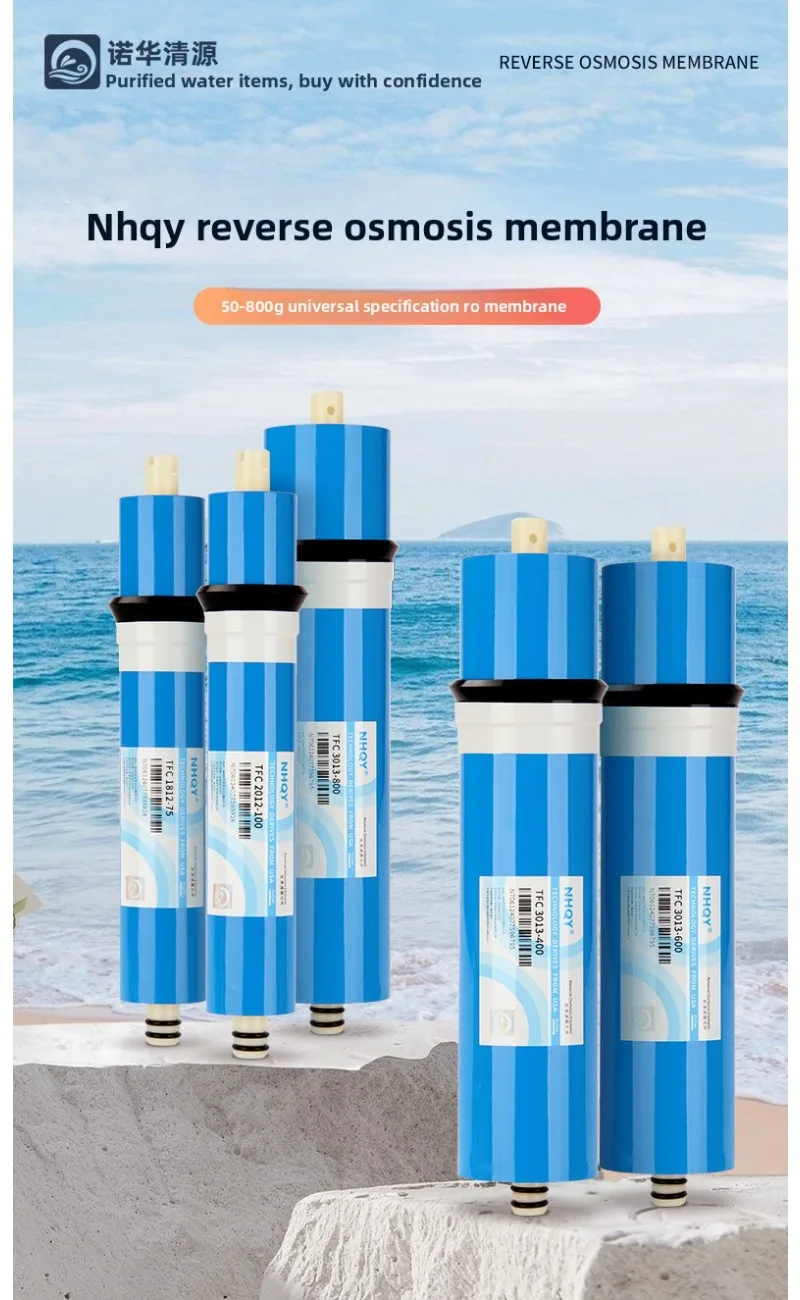
6. Generic RO Membrane (AliExpress Budget Pick)
This isn’t a system, but a critical replacement part. If you own an RO system and need a new membrane, AliExpress can be a source for cheap generics. The price is unbeatable. However, we have mixed feelings. Performance and lifespan are a total roll of the dice. We’ve seen some last a year, others fail in months. The certified membranes from brands like Waterdrop or APEC cost more but deliver predictable, verified performance. Use this only if you’re in a pinch and understand you’re sacrificing reliability for cost.
- Extremely affordable replacement option
- Multiple GPD ratings available
- No certification or performance guarantees
- Highly variable lifespan and efficacy
- May not meet labeled specifications
Frequently Asked Questions
- How often do I need to change the filters?
- It varies wildly. Sediment pre-filters might need changing every 3-6 months. Carbon filters every 6-12 months. RO membranes can last 2-4 years. Your water quality and usage volume are the biggest factors. Always follow the manufacturer’s schedule and watch for a drop in water pressure or flow, which signals a clogged filter.
- Do whole-house filters reduce water pressure?
- Any filter will cause a small pressure drop. The key is sizing the system correctly. A system rated for a higher flow rate than your home’s peak demand will have a negligible impact. If you notice a significant pressure loss, your filters are likely clogged and overdue for replacement, or the system is undersized.
- Is a reverse osmosis system worth it for drinking water?
- If your water test shows concerning levels of dissolved solids, lead, fluoride, or PFAS, then absolutely yes. The taste improvement alone is dramatic. For municipally supplied water that’s already safe but tastes of chlorine, a high-quality carbon block filter under the sink might be sufficient and cheaper.
- Can I install a whole-house system myself?
- If you’re comfortable with basic plumbing—cutting into a main water line, using thread sealant, and mounting a heavy unit—then yes, it’s a common DIY project. However, if you’re unsure, hire a plumber. A leak on the main line is a catastrophic mess. Some certifications may also require professional installation.
- What’s the difference between a water softener and a filter?
- They solve different problems. A water softener uses ion exchange to remove calcium and magnesium (hardness minerals) that cause scale. A water filter removes sediment, chemicals, and contaminants. Many homes need both. Some advanced systems combine filtration and softening stages.
- Do I need a filter if I’m on well water?
- Almost certainly, yes. Well water is not municipally treated and can contain sediment, bacteria, iron, sulfur, manganese, and nitrates. At a minimum, you need a sediment filter and UV disinfection. A comprehensive water test is the essential first step to determine exactly what you need to filter out.
Final Thoughts
Choosing a household water filtration system doesn’t have to be overwhelming. Start with your water. Test it. Understand what’s actually in it. Then, pick the technology that targets those specific issues. For most folks on town water, a solid whole-house sediment/chlorine filter paired with an under-sink carbon or RO system for drinking water is the ultimate combo. It protects your home and your health.
Don’t fall for overhyped gadgets. Stick with certified products from reputable brands, keep up with maintenance, and you’ll enjoy clean, great-tasting water from every tap for years to come. Your first glass of properly filtered water will make you wonder why you waited so long.
