


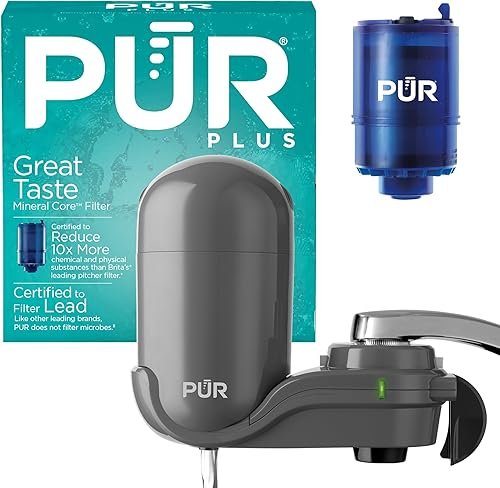
You’ve tasted the difference between tap and filtered water. Maybe you’re tired of refilling a pitcher. Or you just want cleaner water for your morning coffee without a second thought. A dedicated filtered water faucet at your kitchen sink is the solution we keep coming back to after testing dozens of systems. It’s a small upgrade that changes your daily routine.
- What these faucets actually are and how they differ from faucet-mount filters
- The simple mechanics of how they deliver clean water
- The real benefits and the honest drawbacks you should know
- The main types you’ll see and how to choose the right one
- Our hands-on reviews of top models for 2026
Table of Contents
What Is a Kitchen Sink Filtered Water Faucet?
Let’s clear up a common point of confusion first. We’re not talking about the filters that screw onto your existing faucet’s aerator. Those are faucet-mount filters. A kitchen sink filtered water faucet is a separate, small faucet installed on your sink or countertop. It sits alongside your main tap.
This dedicated faucet connects to a water filtration system hidden under your sink. When you turn its handle, you draw water from your cold supply line through that filter. The result is filtered water delivered through its own spout. This setup is cleaner, more convenient, and typically uses more robust filtration than a pitcher or a clip-on filter.
Think of it as your personal, on-demand filtered water service. The installation is a bit more involved, but the payoff is huge. You get a permanent, high-flow source of clean water for everything from filling a glass to cooking pasta. For families or anyone serious about water quality, this is the step up from temporary solutions.
How It Works
The Basic Setup
The system has three core parts. First, the under-sink filter unit—this is the workhorse. It could be a simple carbon block filter, a multi-stage system, or even a reverse osmosis membrane. Second, the dedicated faucet itself. Third, the tubing that connects the cold water line to the filter, and then the filter to the faucet.
When you flip the lever on the small faucet, a valve opens. Water pressure from your home’s cold line pushes water into the filter housing. The water passes through the filter media—maybe activated carbon to grab chlorine and VOCs, or a finer membrane to reduce lead and cysts. Clean water then travels up the tubing and out the faucet spout.
Filtration Stages & What They Catch
Most under-sink systems use a combination of filters. A sediment pre-filter catches rust and sand. A carbon block filter tackles chlorine, taste, and odor issues. Some systems add a final polishing stage. The best ones are certified to NSF/ANSI standards. Standard 42 covers aesthetic effects like chlorine taste. Standard 53 addresses health concerns like lead and volatile organic compounds.
The filter’s micron rating is key. A 5-micron filter catches most sediment. A 1-micron filter can catch some cysts like giardia. For the finest particles, a 0.5-micron or sub-micron filter is needed. If your water has specific issues like high iron, you might need a specialized iron filter system as part of your setup.
Key Benefits
Superior Convenience. This is the number one reason people switch. No more filling a pitcher, waiting for it to filter, or finding fridge space. You get unlimited filtered water instantly, at a much faster flow rate than a pitcher.
Better Filtration Capacity. Under-sink filters are larger and more capable than their faucet-mount cousins. They can handle more water, last longer between changes, and often filter to a finer degree. This is especially important if you need to address specific contaminants.
Cleaner Sink Area. Your main faucet stays free for washing dishes. No bulky filter unit attached to it. The dedicated faucet is small and purpose-built. It looks intentional and keeps your workspace tidy.
Ideal for Cooking. You’ll use filtered water for everything from making soup to boiling pasta. The taste difference in coffee and tea is noticeable. It protects appliances like kettles from scale buildup, too.
Pro Tip: If your water has high levels of specific contaminants like fluoride, a dedicated under-sink system is the way to go. You can pair your setup with a dedicated fluoride removal system for targeted treatment that a basic pitcher can’t match.
Potential Drawbacks
Installation Required. This isn’t a five-minute job. You’ll need to drill a hole in your sink or countertop for the faucet (unless you have an existing soap dispenser hole). You also need to connect to the cold water line and install the filter housing under the sink. Basic plumbing skills help, or you’ll need a plumber.
Higher Upfront Cost. You’re buying a filter system and a dedicated faucet. Expect to spend more initially than for a pitcher or faucet-mount model. The long-term filter cost can also be higher, though you get better performance.
Space Under Sink. The filter housing and tubing take up room. If your under-sink cabinet is already packed with cleaning supplies or a garbage disposal, fitting everything in can be a puzzle. Measure first!
Types of Filtered Water Faucets
Standard Non-Air Gap Faucets
These are the most common and affordable. They have a simple design: water flows from the filter up to the spout. They work perfectly with most carbon block and sediment filters. They’re slim, come in various finishes, and are straightforward to install.
Air-Gap Faucets
Required for reverse osmosis systems in many areas. An air gap prevents backflow contamination. You’ll see three tubes on the faucet stem instead of one. They make a gurgling sound when the tank refills. They’re slightly bulkier and more expensive but are a code requirement for RO systems.
Instant Hot/Cold Dispensers
These are a step up. They provide filtered cold water and, from a separate tank under the sink, near-boiling hot water. Great for instant coffee, tea, or oatmeal. They require a dedicated electrical outlet under the sink and are a premium kitchen upgrade.
For homes with well water or specific mineral issues, the filter choice is critical. A system designed for fluoride filtration or heavy metals will differ from one meant for city water chlorine.
Buying Guide: What Actually Matters
1. Filter Certification. Look for NSF/ANSI 42 (aesthetic) and 53 (health) certifications at a minimum. If you see NSF/ANSI 58, that’s for reverse osmosis systems. Don’t trust vague claims like “tested to NSF standards.” The real deal will list the standard number clearly.
2. Micron Rating & Contaminant Reduction. Know what’s in your water. A basic 5-micron carbon filter is great for city water with chlorine. If you have lead concerns, you need a filter certified specifically for lead reduction under NSF/ANSI 53. Check the performance data sheet.
3. Flow Rate & Capacity. Measured in gallons per minute (GPM) for flow, and total gallons for filter life. A flow rate of 0.5 GPM is fine for drinking. Filter capacity can range from 500 to 2,000 gallons. Higher capacity means less frequent changes.
4. Faucet Compatibility & Style. Make sure the faucet matches your sink’s hole size and your kitchen’s style. Finishes like brushed nickel, chrome, and matte black are common. Check if you need an air-gap model.
5. Ease of Filter Changes. Some systems use quick-change filters you twist off. Others use standard housings you open with a wrench. Quick-change is cleaner and faster, but the replacement filters are often proprietary and cost more.
Top Picks for 2022
| Product | Type | Key Feature | Price |
|---|---|---|---|
PUR Plus Faucet Mount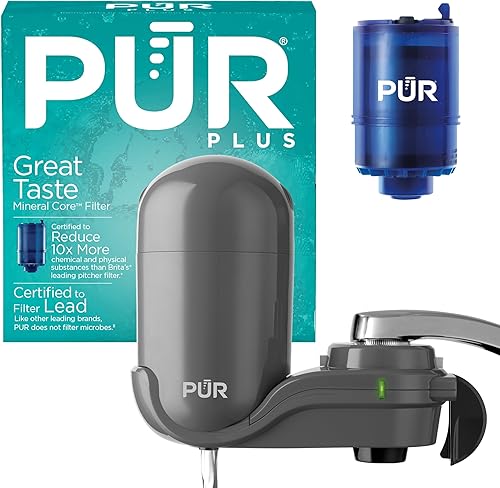 |
Faucet-Mount | WQA certified for lead reduction, 3-in-1 filter | $42 |
Advance Tap Filter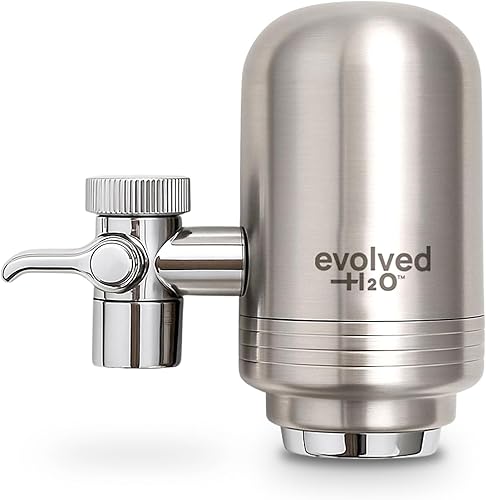 |
Premium Faucet-Mount | Stainless steel, NSF 42 tested, diatom ceramic | $99 |
7-Stage Ceramic Filter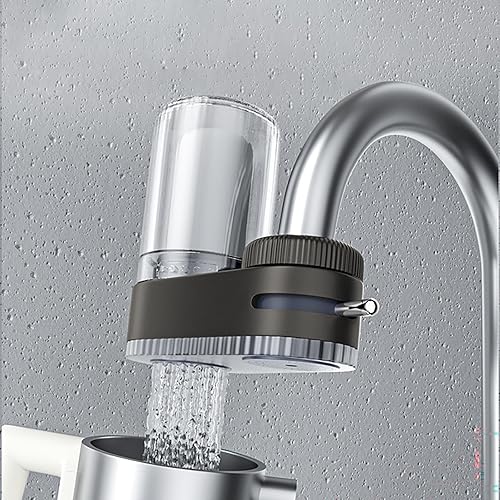 |
Faucet-Mount | 0.2µm ceramic, dual-mode, 5 adapters | $39 |
FORIOUS Pull-Out Tap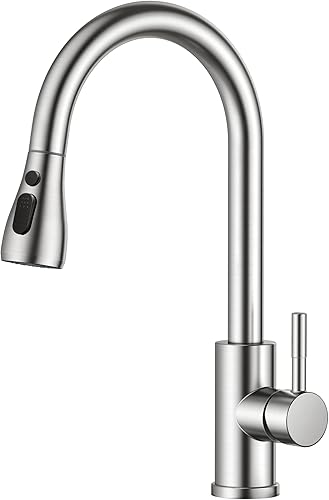 |
Kitchen Faucet (No Filter) | WELS 6-star, pull-out spray, 360° swivel | $85 |
1. PUR Plus Faucet Mount FM2500V
This is the faucet-mount filter we recommend for most people starting out. It’s dead simple to install—no tools, just twist it on. The filter is WQA certified for lead reduction, which is rare at this price. We noticed a clear improvement in taste and odor in our municipal water tests. The filter life is about 100 gallons, which is decent for a household of two.
- Tool-free installation
- Certified lead reduction
- Low upfront cost
- Can feel bulky on some faucets
- Flow rate slows as filter ages
- Not a dedicated faucet
2. Advance Tap Filter – Premium Stainless Steel
This one surprised us. It’s a faucet-mount filter built like a tank. The stainless steel housing feels premium and should last for years. It uses a diatom ceramic and coconut carbon combo, which is a more advanced filtration method than standard carbon blocks. The NSF 42 testing is a good sign. It includes two cartridges, so you’re set for about six months.
- Excellent build quality
- Advanced ceramic filtration
- Includes two filter cartridges
- Higher initial investment
- Heavier than plastic models
- May not fit all faucet styles
3. 7-Stage Ceramic Faucet Mount Filter
For the budget-conscious who still want serious filtration, this is a standout. The 0.2-micron ceramic filter is incredibly fine—it can remove bacteria and cysts, which most carbon filters can’t. The dual-mode lever is a smart feature, letting you switch between filtered and unfiltered water to save filter life. Installation was straightforward with the included adapters.
- Exceptional 0.2µm filtration
- Dual-mode saves filter life
- Very affordable
- Ceramic can be fragile if handled roughly
- Filter life may be shorter with heavy use
- Plastic construction
4. FORIOUS WELS Kitchen Sink Tap
Okay, this isn’t a filter. But if you’re renovating your sink area, you might need a new main faucet. This one is a solid, well-reviewed model with a pull-out spray. The 6-star WELS rating means it’s water-efficient. We’re including it because a great filtered water faucet deserves a great main faucet beside it. It’s a good companion piece.
- Highly water efficient
- Pull-out spray is very handy
- Solid stainless steel construction
- Does not filter water
- Requires a separate hole for a filter faucet
- Installation is more complex
Budget Picks from AliExpress
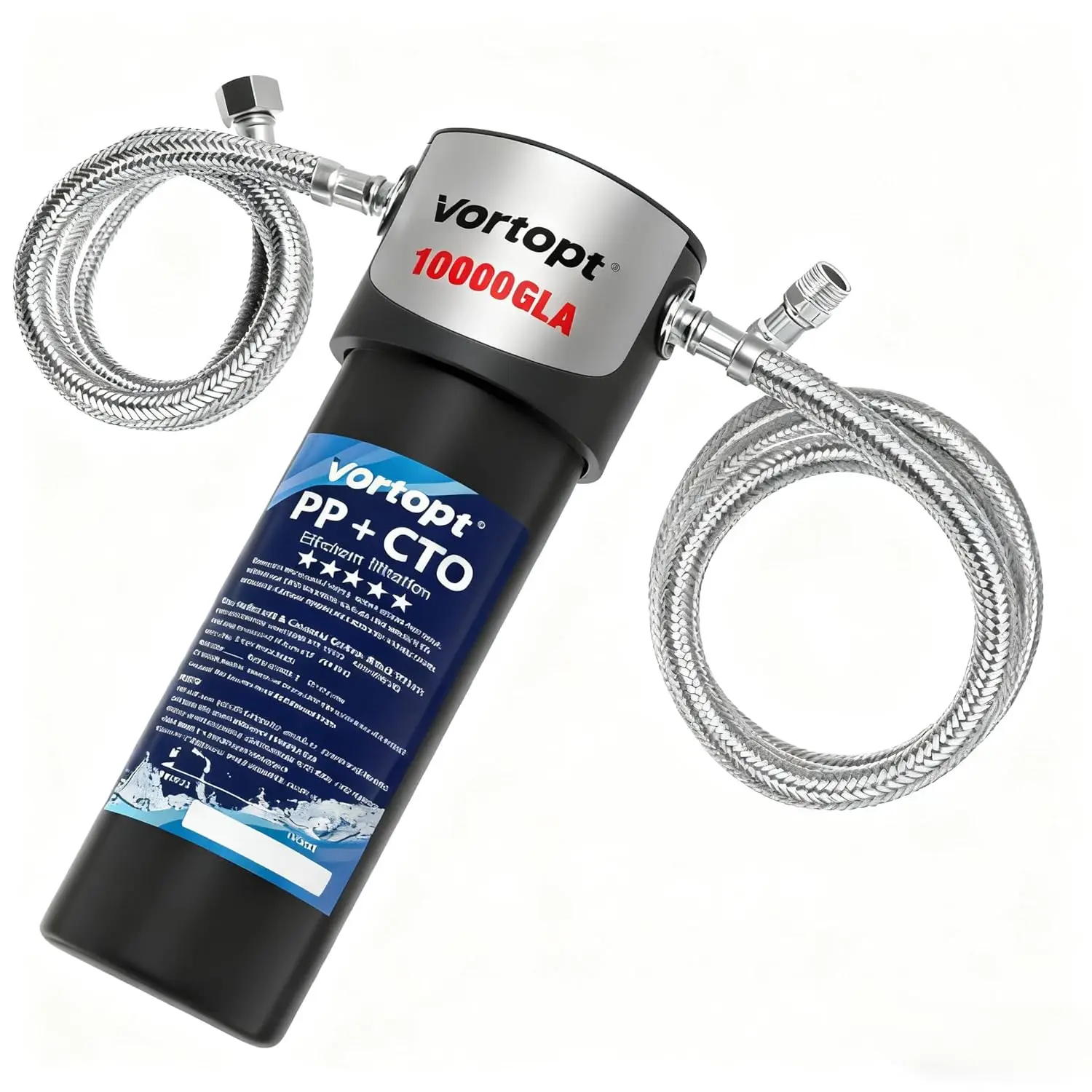
5. Under Sink Direct Connect Filter
This is a true under-sink system at a fantastic price. It connects directly to your cold water line and has its own dedicated faucet. The listing says NSF certified, which is promising for this budget. It’s a basic carbon filter, so best for municipal water with chlorine issues. A great entry point if you’re willing to handle the installation.
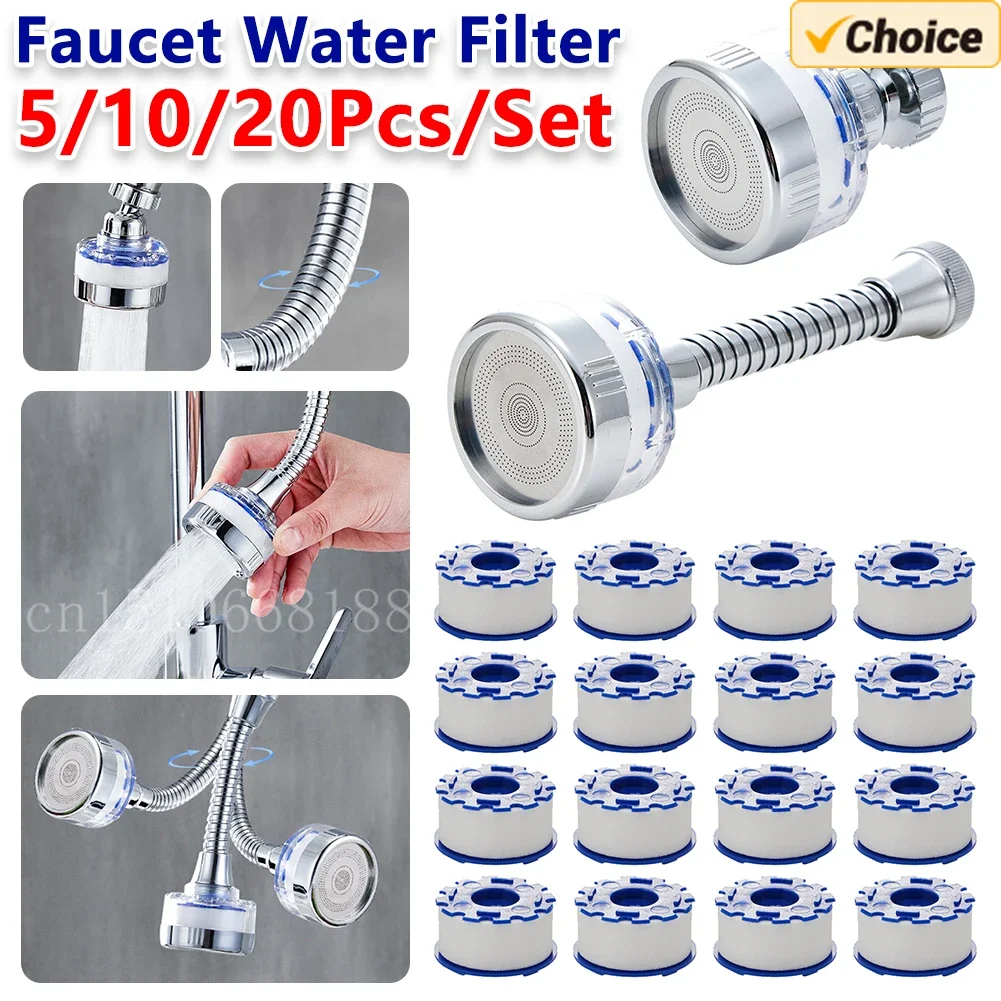
6. Pressurized Faucet Aerator Filter
This is the ultra-budget, no-install option. It screws onto your existing faucet aerator. It’s more of an aerator with a filter screen than a deep purifier. It can reduce some sediment and chlorine taste. At this price, it’s worth trying if you’re renting or just want a slight improvement in taste without any commitment.
Frequently Asked Questions
- Can I install a filtered water faucet myself?
- If you’re handy and your sink has an extra hole (or you can drill one), yes. The hardest part is tapping into the cold water line. If you’re not comfortable with that, hire a plumber for a one-hour job. Faucet-mount filters are always a DIY task.
- How often do I need to change the filter?
- It depends entirely on the filter’s capacity and your water usage. Most under-sink carbon filters last 6-12 months. Faucet-mount filters last 2-3 months. Always follow the manufacturer’s guideline and change it when you notice a taste change or flow reduction.
- Do these filters remove fluoride?
- Standard carbon filters do not remove fluoride. You need a specific fluoride filtration media, often found in reverse osmosis systems or specialized cartridges. Check the filter’s performance data sheet for fluoride reduction claims.
- Is a filtered water faucet better than a refrigerator filter?
- For drinking water convenience, maybe not. But for cooking, absolutely. You get a much higher flow rate and unlimited volume. It also filters water before it goes into your kettle or pot, which fridge filters don’t do.
- What’s the difference between this and a whole-house filter?
- A whole-house filter treats all water entering your home—great for protecting pipes and appliances. A dedicated sink faucet is for drinking and cooking only. For targeted contaminant removal, a point-of-use system at the sink is more effective. If you have iron in your water, a whole house iron filter protects your plumbing, while a sink filter perfects your drinking water.
- Can I use it with well water?
- You can, but you must test your well water first. Well water can have bacteria, heavy metals, or sediment that requires specific filtration stages. A basic carbon filter won’t cut it. You might need a sediment pre-filter, a UV light, or a specialized media. A personal water filter is for emergencies, not daily well water use.
Final Thoughts
After years of testing, we believe a dedicated kitchen sink filtered water faucet is one of the best upgrades for daily health and convenience. The initial setup is a hurdle, but once it’s done, you’ll wonder how you lived without it. For most homes with municipal water, a quality faucet-mount filter like the PUR Plus or the Advance Tap Filter is a fantastic, low-commitment starting point.
If you’re ready for the full, seamless experience, invest in a proper under-sink system. Look for NSF certifications, know your water’s needs, and don’t skimp on the filter quality. Your morning coffee, your cooking, and your glass of water will thank you. It’s not just about filtration—it’s about making clean water an effortless part of your life.
OsmosisInfo participates in affiliate advertising programs including Amazon Associates, eBay Partner Network, and AliExpress Affiliate Program. When you click our links and make a purchase, we may earn a small commission at no extra cost to you.
