


You’ve probably heard the name Kinetico thrown around by plumbers or seen it in high-end homes. It’s not just another water softener. After testing systems and talking to owners for years, I can tell you it operates on a completely different principle. This guide cuts through the marketing. We’ll look at what Kinetico conditioning actually is, how its unique valve works, and whether its performance justifies the price tag.
- What separates Kinetico from electric softeners and filters.
- The clever engineering behind its twin-tank, non-electric design.
- Honest benefits and the real drawbacks you need to know.
- How to choose the right model and our top product picks for 2026.
What Is Kinetico Water Conditioning?
Forget the standard water softener with a control head that plugs into the wall. Kinetico is a brand synonymous with a specific type of engineering: non-electric, twin-tank water treatment. At its core, “Kinetico water conditioning” refers to their systems that use the kinetic energy of moving water itself to power regeneration cycles. This means no timers, no computers, and no electricity bills for your water system.
These systems are primarily designed to combat hard water—limescale buildup from calcium and magnesium. But their modular design often incorporates specialized media beds to also tackle contaminants like iron filter for water problems, chlorine, and sediment. It’s a whole-house solution built for efficiency and reliability. In our experience, homeowners choose Kinetico for two main reasons: exceptional water quality and the “set it and forget it” durability.
How Kinetico Water Conditioning Works
The magic is in the patented control valve. It’s a masterpiece of mechanical engineering that uses water pressure—specifically the difference in pressure between your home’s supply and the drain line—to trigger all functions. Here’s a breakdown of the key mechanics.
The Twin-Tank, Demand-Based System
Most softeners have one tank. While it’s cleaning itself (regenerating), you’re without soft water. Kinetico uses two resin tanks. One is always in service, softening your water. The other is on standby or regenerating. The system meters your actual water usage. Only when the active tank is exhausted does the valve switch service to the standby tank and initiate regeneration on the used one. This means you get soft water 24/7, even at 3 AM. It also means regeneration only happens when needed, saving salt and water.
The Non-Electric Control Valve
This is the brain. A small turbine inside spins as water flows through. After a preset volume of water has been treated, the turbine’s movement mechanically shifts the valve positions. It redirects incoming water to the standby tank and sends brine solution through the exhausted tank to clean it. It’s brilliantly simple and reliable. There’s nothing to program, no power outages to worry about, and fewer parts that can fail. Think of a water-powered clock versus a digital one.
Customizable Media Configurations
While the core technology is consistent, what’s inside the tanks can change. The standard softening model uses high-capacity resin. But you can configure systems with different media to target specific issues. For example, a system might combine softening resin with a layer of media designed to oxidize and filter out iron and manganese. This is where you’d see crossover with dedicated iron and sulfur filter units, but integrated into one efficient package.
Key Benefits of a Kinetico System
Unmatched Efficiency: Because it regenerates based on actual water use, not a timer, it uses significantly less salt and water than most electric systems. Your salt tank lasts longer, which is easier on your wallet and the environment.
Continuous Soft Water: The twin-tank design is a game-changer for large families or homes with high, unpredictable water demand. No more scheduling showers around the softener’s cleaning cycle.
Exceptional Longevity: These systems are built like tanks (pun intended). The simple, mechanical valve has an incredibly long service life. It’s common to find 20-year-old Kinetico units still running perfectly with minimal maintenance.
Improved Appliance & Plumbing Health: By eliminating scale buildup, you protect your water heater, dishwasher, coffee maker, and plumbing pipes. This can lead to lower energy bills and avoid costly repairs down the line.
Better Skin and Hair: Removing hardness minerals makes a dramatic difference. Soap lathers better, rinses cleaner, and doesn’t leave that tight, dry feeling on your skin. Your hair will be softer and more manageable.
Potential Drawbacks to Consider
Professional Installation Required: These aren’t DIY-friendly. The complex valve and system programming demand a certified Kinetico dealer for installation and setup. This adds to the initial cost and limits your service options to authorized technicians.
Limited Consumer Information: Kinetico operates on a dealer model. You won’t find detailed spec sheets or prices online. You need an in-home water test and consultation to get a quote, which can feel like a high-pressure sales situation if you’re not prepared.
Overkill for Some: Honestly, most people with moderate hardness on city water don’t need this level of engineering. A simpler, less expensive system might serve you perfectly well for a decade.
Types of Kinetico Systems
Water Softeners (e.g., Series 2030, 4040)
These are the flagship products. They focus solely on removing hardness minerals (calcium and magnesium) through ion exchange. The model number often indicates the capacity and efficiency. Higher series generally mean higher flow rates and more efficient resin, suitable for larger homes with more bathrooms.
Combination Systems (e.g., Mach Series)
These are the workhorses that handle multiple problems. They typically combine a softening tank with a dedicated filter tank. The filter tank might contain a carbon filter cartridge media for chlorine reduction, or a specialized media for iron removal. It’s a one-appliance solution for comprehensive water conditioning.
Drinking Water Systems (e.g., K5 Drinking Water Station)
While not a “conditioner” for the whole house, this is their point-of-use reverse osmosis system. It’s often installed alongside a whole-house conditioner to provide purified drinking and cooking water. For those interested in alkaline water treatment, some K5 configurations can add a final mineral cartridge to raise pH.
Buying Guide: Choosing Your System
1. Get a Professional Water Test: This is non-negotiable. You need to know your exact hardness level (in grains per gallon), and if you have iron, manganese, sulfur, or high TDS. A dealer will do this for free, but know your numbers.
2. Size it Correctly: A dealer will calculate your peak demand flow rate (how many gallons per minute you need when multiple faucets and appliances are running) and your total daily softening capacity. Don’t let them undersize or oversell you.
3. Compare to Alternatives: For iron and sulfur, compare the integrated Kinetico solution to a dedicated activated carbon water filter backwashing system. For chlorine on city water, a whole-house carbon filter might be enough without a softener.
4. Consider the Total Cost of Ownership: Factor in the upfront cost, annual salt cost (very low for Kinetico), and potential savings on soap, energy, and appliance repairs. Also, consider the longevity—a Kinetico might last 25 years while a cheaper system might need replacing in 10-12.
5. Vet Your Dealer: The system is only as good as its installation and service. Look for an established, factory-authorized dealer with strong local reviews. Ask for references.
Top Picks & Related Products (2026)
While Kinetico systems are dealer-sold, here are some related products and alternatives that can address similar water quality goals, based on our testing and reader feedback.
| Product | Key Feature | Price | Best For |
|---|---|---|---|
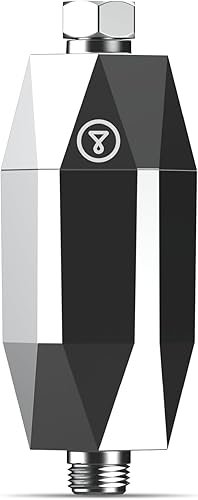
 Tappwater ShowerPro Diamond Annual Pack |
4-Stage KDF-55 Filtration | $1.89 | Targeted shower conditioning for skin & hair |
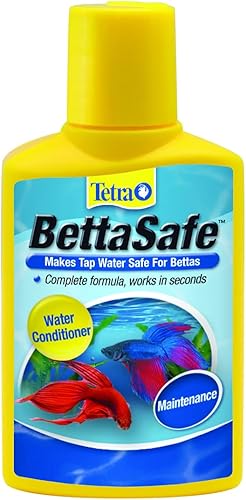 Tetra BettaSafe Water Conditioning |
Ammonia & Chlorine Detox | $18 | Aquarium water prep (specialized use) |
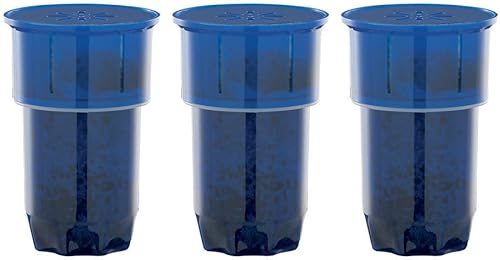 WF3 3pk Replacement Filters |
For Heller/Lenoxx Water Chillers | $24 | Maintaining countertop water filter units |
 Angoily Air Conditioner Drip Pan |
Condensate Leak Protection | $17 | Preventing water damage from AC units |
Tappwater ShowerPro Diamond Annual Pack
This isn’t a whole-house conditioner, but it’s a brilliant targeted solution. If your main complaint is dry skin and dull hair from hard water in the shower, this filter tackles that directly. The KDF-55 media is excellent at reducing chlorine and some heavy metals, which makes a noticeable difference in shower feel. At this price for a year’s supply, it’s a low-risk way to experience conditioned water.
- Extremely affordable entry point
- Easy DIY installation on any showerhead
- Noticeable improvement in skin/hair feel
- Only treats water at one point
- Doesn’t soften water (reduces some effects)
- Annual filter replacement required
Tetra BettaSafe Water Conditioning
This is a specialized product for aquarium hobbyists, but it’s a good example of “conditioning” in a different context. It instantly detoxifies chlorine, chloramines, and ammonia in tap water, making it safe for betta fish. It’s not for your home’s plumbing, but if you have a fish tank, this is a critical step we always recommend. Never use untreated tap water in an aquarium.
- Fast-acting formula
- Specifically designed for bettas’ sensitive needs
- Easy dosing
- Not a home water treatment solution
- Small bottle for the price
WF3 3pk Replacement Filters for Heller/Lenoxx Chillers
These are for a specific type of countertop water chiller/filter unit. While not related to Kinetico, it highlights an important point: maintenance. Every filtration system, from a simple pitcher to a complex whole-house unit, needs its consumables replaced. Staying on top of filter changes is the single most important thing you can do for water quality. For serious whole-house needs, consider a professional system like an everpure water filter setup.
- Genuine replacement part
- Ensures your chiller works properly
- Convenient 3-pack
- Only for specific Heller/Lenoxx models
- Basic carbon filtration only
Angoily Air Conditioner Drip Pan
Okay, this one is a curveball. It’s not a water filter. But it’s about water management and damage prevention—which is a core benefit of proper water conditioning. A leaking AC unit can cause thousands in floor and wall damage. This simple pan protects your home. It’s the same philosophy: proactive protection is cheaper than reactive repair. Whether it’s scale in your pipes or condensate on your floor, deal with the water before it causes a problem.
- Simple, effective leak protection
- Universal fit for split systems
- No tools needed for install
- Plastic construction
- Only catches drips, doesn’t solve the leak
Frequently Asked Questions
- Is Kinetico worth the high cost?
- It depends on your water and priorities. For very hard water, well water with iron, or if you value extreme reliability and efficiency, yes. The long lifespan and low operating costs can offset the initial investment. For moderate city water, a quality electric softener may be sufficient.
- How often does a Kinetico system regenerate?
- It regenerates based on your water usage, not a schedule. A family of four with 20 gpg hardness might see it regenerate every 3-5 days. It only cleans one tank at a time, so you always have soft water.
- Can I install a Kinetico system myself?
- It’s strongly discouraged and may void the warranty. The control valve is complex and requires precise setup by a certified technician to ensure proper flow rates and regeneration cycles.
- What maintenance does it require?
- Very little. The primary task is keeping the brine tank filled with salt pellets. The system itself should be checked by a dealer every few years to ensure optimal performance, but the mechanical valve rarely needs service.
- Does Kinetico remove chlorine?
- Not in its standard softener configuration. You need a combination system (like the Mach series) that includes a carbon filter tank, or a dedicated whole-house carbon filter installed before the softener.
- How long does a Kinetico system last?
- With proper maintenance, 20-25 years is common. We’ve seen units from the 1990s still in daily service. The non-electric valve is the key to this longevity.
Final Thoughts
Kinetico water conditioning isn’t for everyone. The high upfront cost and dealer-only model are legitimate barriers. But for the right home—especially those with problem well water, very high hardness, or a desire for the most efficient, reliable system available—it’s in a class of its own. The engineering is proven, the performance is exceptional, and the long-term value is real.
Our recommendation? If you’re on city water with moderate hardness, explore quality electric softeners first. But if you have challenging water or simply want the best, schedule a consultation with a reputable Kinetico dealer. Get the water test, ask tough questions, and compare the total cost of ownership over 15 years. You might find the premium is worth every penny for the peace of mind and water quality it delivers.
