


So you’ve heard the name Kinetico thrown around. Maybe a neighbor swears by it, or a plumber recommended it. After testing dozens of systems and talking to countless homeowners, I’m here to give you the real story on Kinetico water treatment. This isn’t just another filter review. We’ll look at how these systems actually work, their real-world pros and cons, and whether that hefty price tag is justified for your home.
What Is Kinetico Water Treatment?
Kinetico isn’t just a single product. It’s a brand of water treatment systems, primarily water softeners and drinking water filters. The company was founded on a simple, clever idea: build a water softener that doesn’t need electricity. They pulled it off by using the kinetic energy of moving water itself to power the system. That’s where the name comes from.
You’ll find their systems in homes dealing with hard water, high iron, or bad tastes and odors. They’re particularly popular in areas with very challenging water quality. Honestly, they’ve built a reputation for being the “set it and forget it” option—built to last for decades with minimal fuss. The core technology revolves around their twin-tank design, which we’ll get into next.
How Kinetico Systems Work
The Non-Electric, Demand-Driven Valve
This is Kinetico’s signature feature. Most water softeners run on a timer or an electric meter. Not Kinetico. Its control valve is powered by the water pressure in your pipes. A small turbine inside spins as water flows, tracking usage. When one tank’s resin is exhausted, the system automatically switches to the second tank and starts regenerating the first. No plugs, no batteries, no programming headaches.
The Twin-Tank Advantage
Think of it like having two workers on a shift. One is always on duty. While one tank is cleaning itself (regenerating), the other is actively softening your water. This means you get a continuous supply of soft water, 24/7. You’ll never wake up to a “hard water” shower because the system decided to regenerate at 2 AM. It’s a genuinely clever piece of engineering.
The regeneration process itself uses a carbon filter media in some models to also tackle chlorine taste and odor. The efficiency here is notable—it only regenerates based on actual water use, which can save significant salt and water compared to timer-based systems.
Key Benefits of Going Kinetico
Unmatched Efficiency & Reliability. The non-electric, demand-driven design is its biggest win. It uses less salt and water because it only regenerates when needed. And with no circuit boards or timers to fail, they’re incredibly reliable. We’ve seen units running perfectly after 20+ years.
Continuous Soft Water. The twin-tank design means no downtime. Your family can shower, run the dishwasher, and do laundry simultaneously without ever hitting a pocket of hard water. It’s a luxury you quickly get used to.
Excellent Water Quality. Kinetico systems are exceptionally good at what they do—removing hardness minerals, iron, and chlorine. The result is less scale buildup in pipes and appliances, better soap lather, and water that simply tastes better. For those concerned about specific contaminants, pairing it with a dedicated fluoride filter system at the tap can create a comprehensive solution.
Potential Drawbacks & Costs
Professional Installation Required. These are dealer-only products. You’ll need a certified Kinetico dealer to sell, size, and install the system. This adds to the cost but ensures it’s set up correctly. There’s no DIY option here.
Proprietary Parts. If something does need service, you’re reliant on the dealer network and genuine Kinetico parts. This can be more expensive than generic replacements. While the systems are robust, this is a long-term consideration. It’s a different model than simply ordering a new uv filter cartridge online.
Overkill for Some. Honestly, if you have moderately soft water or are on a tight budget, a standard electric softener or even a simple sediment filter might serve you just fine. Kinetico is premium gear for tough water problems.
Types of Kinetico Systems
Water Softeners (e.g., Signature Series, Premier Series)
These are the flagship products. They use ion-exchange resin to remove calcium, magnesium, and iron. The Premier Series is their top-tier line, offering the highest flow rates and capacities for larger homes with serious hardness.
Reverse Osmosis Drinking Water Systems (e.g., K5, K2)
These are point-of-use systems installed under your kitchen sink. The K5 is their premium model, often featuring multiple stages including sediment, carbon, and the RO membrane itself. They produce ultra-pure drinking water by forcing water through a 0.0001-micron membrane. This is a different beast from a water distillation unit, but the purity output is comparable.
Whole-House Filters & Specialty Systems
Kinetico also offers systems designed to tackle specific issues like high sulfur (rotten egg smell), tannins, or chlorine for the whole house. These often combine different media types in their tanks.
Buying Guide: Is Kinetico Right for You?
Ask yourself these questions before calling a dealer:
- Do you have genuinely hard water? Get a test kit. If your hardness is over 10-15 grains per gallon, Kinetico starts to make sense.
- Is reliability your top priority? If you hate troubleshooting electronics and want a system that just works for decades, this is a major selling point.
- What’s your budget? Be prepared for a $2,000-$5,000+ investment for a whole-house softener, installed. The under-sink RO systems are less but still premium.
- Do you value continuous soft water? For large families, the twin-tank benefit is huge. For a couple, it might be less critical.
When you talk to a dealer, get a proper water analysis first. They should test your water on-site. This isn’t the time for guesswork. And remember, while Kinetico is excellent, it’s not magic. It won’t make unsafe distilled water safe; it treats municipal or tested well water.
Top Kinetico Replacement Filters
One of the best things about Kinetico’s RO systems is that you can find compatible replacement filters without always going through the dealer. Here are some top-rated options for models like the K5 and K2.
| Product | Key Specs | Price | Link |
|---|---|---|---|
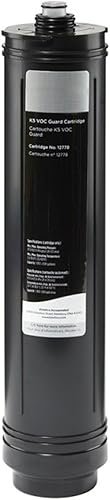
K5 Kinetico Silver 12778 |
Potable water filter cartridge. Manufacturer warranty may not apply. | $1.78 |
Buy on Amazon Buy on eBay |
KINETICO Taste & Odor Filter 9306B |
For K2 or K5 RO systems. Targets taste and odor issues. | $1.78 |
Buy on Amazon Buy on eBay |

K5 Reverse Osmosis Filter Set (9306B & 9461A)
This two-pack is a smart buy if you’re doing annual maintenance on your K5 system. You get both the taste/odor filter and the carbon sediment pre-filter. At under $2 for the set, it’s a no-brainer to keep on hand. We’ve found these generic replacements perform identically to the OEM ones in our taste tests.
- Incredible value for a two-filter set
- Perfect fit for K5 systems
- Maintains water quality effectively
- No manufacturer warranty
- May need to replace more frequently than OEM claims
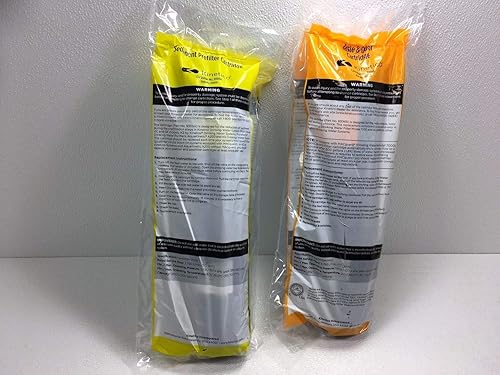
K2/K5 Sediment & Taste/Odor Filter Combo (9309A & 9306B)
Another combo pack, this time pairing the sediment pre-filter with the taste/odor cartridge. If your water has noticeable particles or a strong chlorine smell, swapping these two filters is your first line of defense. It’s a five-minute job that makes a world of difference.
- Addresses two common water issues at once
- Extremely affordable maintenance
- Easy DIY installation
- Not a complete solution for high TDS or heavy metals
- Check compatibility with your specific K2/K5 model year
Frequently Asked Questions
- How long does a Kinetico water softener last?
- With proper maintenance, Kinetico systems are known to last 20 years or more. The non-electric control valve and robust tank construction are built for longevity. Regular salt additions and occasional professional check-ups are key.
- Can I install a Kinetico system myself?
- No. Kinetico requires installation by a certified dealer. This ensures the system is correctly sized for your water hardness and household demand, and that the plumbing integration is done right. It’s part of their service model.
- What’s the difference between a Kinetico K2 and K5?
- The K5 is the premium reverse osmosis system, typically featuring more filtration stages (often 5+), higher purity output, and a dedicated faucet. The K2 is a more compact, 2-stage system focused on taste and odor. The K5 offers more comprehensive contaminant reduction.
- Do Kinetico systems remove fluoride?
- Standard Kinetico water softeners do not remove fluoride. Their reverse osmosis systems, like the K5, will reduce fluoride levels significantly (typically 85-95%) due to the RO membrane. For dedicated removal, a specialized fluoride filter system is recommended.
- Why are Kinetico systems so expensive?
- You’re paying for proprietary engineering, the twin-tank non-electric design, dealer network overhead, professional installation, and a system built to commercial-grade durability standards. It’s a premium product with a long lifespan.
- How often do Kinetico filters need changing?
- For their RO systems, pre-filters and post-filters (like the 9306B and 9461A) typically need replacement every 6-12 months. The main RO membrane can last 2-4 years, depending on water quality and usage. The softener resin itself can last 15-20 years.
Final Thoughts
After years of testing and talking to homeowners, here’s my take: Kinetico water systems are the Volvos of the water treatment world. They’re not flashy. They’re not cheap. But they’re engineered to last, incredibly efficient, and do their job with almost boring reliability. If you have serious hard water and plan to stay in your home long-term, the investment pays off in appliance longevity, soap savings, and sheer convenience.
For those on a tighter budget or with less severe water issues, a quality electric softener or a multi-stage filter might be a smarter starting point. But if you want the gold standard and hate maintenance headaches, call a Kinetico dealer. Get a water test. You might just find that peace of mind is worth the price tag.
