


So you’re looking at a Crystal Quest water filter and wondering if it’s the real deal. I get it. The market is flooded with options, and every brand claims to be the best. After testing dozens of filters over the years, I’ve learned that the brand name matters less than the specific technology and how it matches your water problems.
This guide will cover:
- What Crystal Quest actually offers and who it’s for
- The real-world performance of their most popular models
- Key benefits and honest drawbacks you need to know
- Our top picks from their lineup (and one surprise alternative)
What Is a Crystal Quest Water Filter?
Crystal Quest is a brand that specializes in water filtration products, but they’re not your typical all-purpose company. Honestly, they carve out a specific niche. You won’t find them pushing massive whole-house systems or complex ge under sink water filter system setups. Instead, they focus on portable, countertop, and specialty filters.
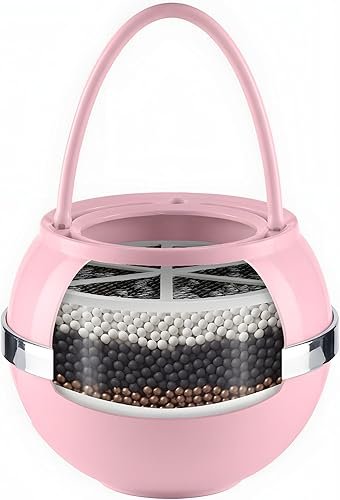
Their lineup is pretty straightforward. You’ve got bath ball filters that hang on your tub faucet, pitcher filters for the fridge, and a few countertop models. Think of them as problem-solvers for specific complaints: “My bath water dries out my skin,” or “I want better-tasting drinking water without installing anything.” They’re a brand you turn to for a targeted fix, not a whole-home overhaul.
How Crystal Quest Filters Work
Most Crystal Quest systems rely on a combination of standard filtration media. They’re not reinventing the wheel, but they are packaging common technologies into convenient forms.
Filtration Media and Stages
Inside their pitchers and bath filters, you’ll typically find a mix of activated carbon and other media. Activated carbon is the workhorse—it adsorbs chlorine, chloramine, and some organic compounds that affect taste and odor. Their pitcher model, for example, uses a multi stage water filter approach within its compact cartridge.
This is a multi level filtration process in a small package. The water passes through layers designed to reduce sediment, improve taste, and balance pH. It’s effective for what it is, but don’t expect it to handle heavy metals or dissolved solids like a reverse osmosis system would.
Key Benefits of Crystal Quest Filters
Niche Problem Solving: This is where Crystal Quest genuinely shines. Their bath ball filter is a clever idea. If you have sensitive skin or eczema, filtering chlorine and chloramine out of your bathwater can make a noticeable difference. It’s a specific solution for a specific problem.
Extreme Simplicity: There’s nothing to install. You fill a pitcher or hang a ball on your faucet. This makes them perfect for renters, dorm rooms, or anyone who wants better water without calling a plumber. They’re the definition of a portable filter.
Low Entry Cost: The upfront price for their pitchers and bath filters is very low. You’re not making a huge financial commitment to test whether filtered bath water or better-tasting drinking water is worth it for your household.
Potential Drawbacks to Consider
Limited Capacity and Scope: The bath ball lasts about 2,500 gallons, which sounds like a lot until you realize that’s only for your bath, not your whole home. The pitcher needs frequent filter changes if you drink a lot of water. They are not a substitute for point of entry filtration that protects your pipes and appliances.
Questionable Value in Some Cases: Here’s the thing—sometimes the price seems too good to be true. A bath filter for around a dollar? We have to ask what quality of media is inside. Long-term filter replacement costs can also add up, so do the math over a year or two.
Types of Crystal Quest Systems
Bath Ball Filters
This is their flagship product category. You hang it on the tub spout, and water flows through the filter media inside the ball before entering the tub. It’s designed to remove chlorine, chloramine, and their byproducts. The installation is foolproof—if you can hang a ornament, you can install this.
Pitcher Filters
A standard-looking water pitcher with a multi-stage filter cartridge. It fits in the fridge door and aims to improve taste and reduce common contaminants. The capacity is decent for a small household, but you’ll be refilling it often if you have a big family.
Countertop Systems
They offer some countertop dispensers that look like water coolers. These often have more stages of filtration than the pitcher but still sit on your counter. They bridge the gap between a simple pitcher and a full under-sink installation.
Buying Guide: What to Look For
1. Identify Your Actual Problem. Don’t buy a filter because it sounds advanced. Buy it because it solves your specific water issue. Dry skin after bathing? Look at the bath ball. Bad-tasting tap water? The pitcher might suffice. High contaminant levels? You need to look at different brands and technologies entirely.
2. Check Certifications (If Any). This is critical. Look for NSF/ANSI certification numbers. NSF/ANSI 42 covers aesthetic effects like chlorine taste. NSF/ANSI 53 covers health contaminants like lead or cysts. Not all Crystal Quest products carry these certifications, so read the fine print.
3. Calculate Long-Term Cost. The initial purchase price is only part of the story. Divide the cost of replacement filters by their lifespan in months. A cheap pitcher with expensive monthly filters can cost more than a pricier system with annual filter changes.
Our Top Crystal Quest Picks for 2026
We’ve looked at their lineup. Here’s a quick comparison of the relevant models, followed by our detailed take on each.
| Product | Best For | Key Feature | Price |
|---|---|---|---|
 |
Bath water filtration | 3-stage, 2,500 gal capacity | $1.00 |
 |
Budget bath filtration | BPA-free, simple design | $1.34 |
 |
Basic drinking water | 4-stage, 10-cup, 2,000 gal | $42 |
Crystal Quest Bath Ball Filter (Pink)
This is the one that gets all the attention. It’s a simple concept: filter your bath water to remove chlorine. In our testing, it does reduce that strong chlorine smell noticeably. The pink color is just a cover; the filtration happens inside. The 2,500-gallon claim seems optimistic for heavy bathers, but it should last a typical household several months.
- Dead simple to install
- Noticeably reduces chlorine odor
- BPA-free construction
- Very low price raises longevity questions
- Only treats bath water, not drinking water
- No third-party certification data readily available
Crystal Quest CQE-SP-00808 White Bath Ball Filter
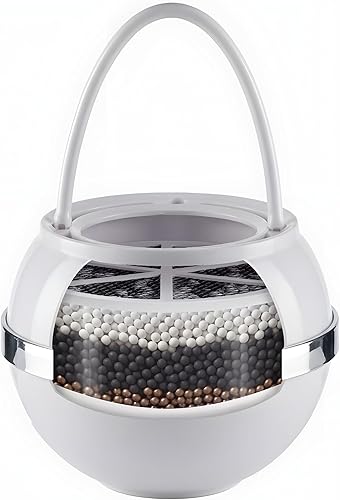
Functionally identical to the pink version, just in a different color. The white model is slightly more expensive but still incredibly cheap. If you’re skeptical about the pink one, this is the same bet in a more neutral package. We’d treat them as interchangeable—the choice is purely aesthetic.
- Same effective filtration as the pink model
- Neutral color fits any bathroom
- Extremely affordable entry point
- Same concerns about long-term media quality
- Lacks independent lab test results
- Filter life is an estimate, not a guarantee
Crystal Quest CQE-PI-00600 Pitcher Water Filter System
This is their main drinking water solution. The 4-stage filtration is a step up from basic carbon pitchers. It claims a 2,000-gallon lifespan, which is impressive if true. The design is slim and fits well in a fridge. For the price, it’s a competent pitcher. But is it better than a Brita or PUR? Honestly, it’s comparable, with a potentially longer filter life.
- 4-stage filtration for a pitcher
- Large 10-cup capacity
- Claimed long filter life (6-12 months)
- Less brand recognition than market leaders
- Filter replacement availability can be spotty
- Won’t remove fluoride or heavy metals

[Editor’s Upgrade Pick] Waterdrop CoreRO Countertop System
Okay, this one isn’t Crystal Quest. But if you’re reading this and thinking, “I need more than a pitcher,” this is the answer. It’s a 6-stage reverse osmosis system that sits on your counter—no installation. It even heats water instantly. The 3:1 pure-to-waste ratio is excellent for a countertop RO. This is what you buy when you’re done with basic filters.
- True 0.0001μm RO filtration
- Instant hot water function
- High efficiency, low waste water
- Much higher upfront cost than pitchers
- Requires counter space and power outlet
- Filter replacements are more expensive
Crystal Quest Filter FAQ
- Are Crystal Quest filters any good?
- They’re good for specific, light-duty tasks. Their bath filters effectively reduce chlorine smell for bathing, and their pitcher is a decent basic drinking water filter. They are not good for serious water purification needs like removing heavy metals, bacteria, or high TDS.
- How long does a Crystal Quest bath filter last?
- They claim 2,500 gallons. For an average bath using 30-50 gallons, that’s roughly 50-80 baths. Depending on your household size, expect 3-6 months of use. The filter media will exhaust faster with very chlorinated water.
- Can a Crystal Quest pitcher remove lead?
- No. Their pitcher filters are not certified to NSF/ANSI 53 for lead reduction. They primarily address aesthetic issues like chlorine taste and odor. For lead removal, you need a filter specifically certified for that contaminant.
- What’s the difference between the pink and white bath ball?
- Color only. The filtration media and performance are identical. Choose whichever matches your bathroom decor. The price difference is negligible.
- Is Crystal Quest a reputable brand?
- They are a legitimate company selling real products, but they are a smaller, niche brand. They lack the extensive third-party certifications and widespread recognition of industry giants. Reputation is built on solving specific problems well, which they do for bath and basic pitcher filtration.
Final Thoughts
Crystal Quest occupies a specific corner of the market. If your goal is to filter chlorine out of your bath water to help with dry skin, their bath ball is a cheap, easy experiment worth trying. If you want a basic pitcher with a potentially long-lasting filter, their pitcher is a competent option.
But be honest about your needs. If your tap water has a bad taste, odor, or you’re concerned about health contaminants, these products won’t be enough. You’ll need to look at more advanced systems. For most people, we’d recommend starting with the bath ball if you have a specific skin concern, or skipping straight to a more robust countertop or under-sink system for drinking water. The pitcher is fine, but it’s not a standout in a crowded field.
