


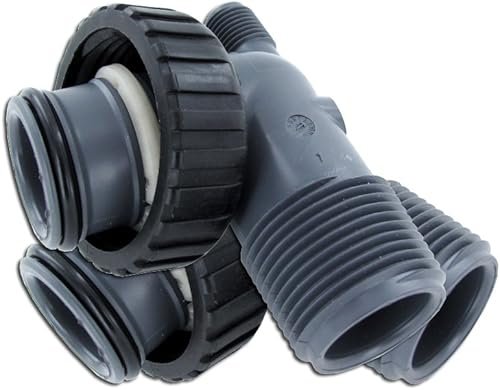
Ever had a plumber mention “Clack” like it’s common knowledge? You’re not alone. In the water filtration trade, Clack Corporation is a name that carries serious weight. But for homeowners, it’s often a mystery. We’ve installed, repaired, and tested systems with their guts for years. Let’s pull back the curtain on the company that builds the brains of countless water treatment setups.
- What Clack actually manufactures (it’s not what you think)
- How their control valves work to clean your water
- The real-world pros and cons from our field experience
- A look at specific Clack parts you can actually buy
What Is Clack Corporation?
Forget the glossy consumer brands. Clack Corporation is an OEM (Original Equipment Manufacturer) based in the United States. They specialize in designing and building the control valves, tanks, and components that water treatment professionals assemble into complete softeners and filters. Think of them as the company that makes the high-performance engine, not the entire car. Your local water quality dealer often builds the system around Clack’s reliable core.
Their reputation is built on simplicity and serviceability. A plumber can diagnose and fix a Clack valve with basic tools. That’s a huge deal when you’re dealing with hard water at 10 PM. While you might not buy a “Clack water filter” off the shelf, if you’re getting a professionally installed system, there’s a strong chance it has a Clack valve inside. They’re the industry’s workhorse.
How Clack Control Valves Work
At its heart, a water softener or backwashing filter needs to perform a cycle: treat water, then clean itself. The Clack control valve automates this entire process. It’s the brain that tells the system when to start a regeneration or backwash cycle based on either a timer or, more efficiently, your actual water usage.
The Regeneration Cycle
Here’s the step-by-step. First, the valve measures water use. After a set number of gallons, it initiates a cycle. It reverses water flow to flush trapped minerals or contaminants out of the carbon filter cartridge or resin bed and down the drain. Then it draws a brine solution (for softeners) to recharge the resin. Finally, it rinses and returns to service. The Clack valve manages all these steps with a simple, piston-driven design.
Control Options
You’ll find two main types. The simpler timer-based models regenerate on a fixed schedule—say, every three days at 2 AM. It’s straightforward but can be wasteful. The smarter metered versions have a water meter that tracks actual usage. They only regenerate when needed, saving significant salt and water. For most homes, we always recommend the metered option.
Key Benefits of Clack-Based Systems
Pro-Level Reliability: These valves are famously durable. We’ve seen them run for over a decade with just basic maintenance. The design uses a single piston instead of multiple complex seals, which means fewer failure points. When something does go wrong, it’s usually a simple, inexpensive part swap.
Ease of Service: This is the big one for technicians. The entire control can be removed from the tank without disconnecting plumbing. Programming is done with a few buttons on a straightforward interface. This translates to lower service bills for you. A repair that might take hours on a proprietary brand system can often be done in 30 minutes with Clack.
Customizability: Because Clack sells components, dealers can build a system tailored exactly to your water chemistry. Need a specific activated carbon filter for chlorine removal paired with a softener? They can build that. This modular approach is something you don’t get with big-box, all-in-one units.
Potential Drawbacks & Considerations
Initial Cost: A properly sized, professionally installed system with a Clack valve will cost more upfront than a generic softener from a home improvement store. You’re paying for the quality components and the dealer’s knowledge to size it correctly for your home’s water hardness and flow rate.
Aesthetic Simplicity: Don’t expect sleek, modern designs. The control heads are utilitarian plastic—built for function, not looks. They’re usually tucked away in a basement or garage, so this rarely matters. But if you want something that looks like a high-tech appliance, this isn’t it.
Types of Clack Equipment
Water Softener Control Valves
This is their flagship product. The Clack WS1 is the most common model for residential applications, handling flow rates suitable for most homes. The WS1.25 is a step up for larger homes with higher flow demands. These valves manage the ion-exchange process that removes hardness minerals like calcium and magnesium.
Backwashing Filter Control Valves
The same valve technology is used to control filters that clean themselves by backwashing. This is essential for tanks filled with ceramic candle filter media, carbon for chemical removal, or sediment filters. The valve automatically reverses flow to flush trapped particles, keeping the media effective.
Acid Neutralizer Valves
For homes with corrosive, acidic water, a system with calcite or corosex media is used. A Clack valve can control this process too, automatically backwashing the media bed to prevent channeling and ensure consistent pH correction. It’s a specialized but critical application.
Buying Guide: What to Look For
1. Get a Professional Water Test First. Don’t guess. You need to know your hardness level (in GPG or ppm), iron content, pH, and TDS. A dealer will do this. This data determines the size and type of system you need.
2. Choose Metered Over Timer. The efficiency gains of a metered valve, like the Clack WS1 metered model, will pay for the small extra cost in salt and water savings over a few years. It’s a no-brainer for households.
3. Size Matters. A dealer should calculate the required “grain capacity” based on your hardness and water usage. An undersized system regenerates too often, wearing it out. An oversized one wastes water and salt. This is where a pro’s expertise is worth the money.
For comparison, while a countertop water distiller is great for drinking water, it won’t solve whole-house hardness. You need a point-of-entry system with a Clack valve for that.
Top Clack Parts & Where to Buy
While full systems are dealer-only, you can find replacement parts and accessories online. Here are some we’ve used and trust.
| Product | Key Details | Price | Links |
|---|---|---|---|
 |
Clack WS1 V3007 PVC 1 NPT Male Elbow Assembly Essential plumbing connector for installing the drain line on your Clack valve. Made of durable PVC. |
$65 |
Buy on Amazon Buy on eBay |
 |
Res-up Liquid Resin Cleaner Feeder A small device that automatically doses resin-cleaning solution with each regeneration, preventing iron fouling and maintaining efficiency. |
$1.06 |
Buy on Amazon Buy on eBay |
Clack WS1 V3007 PVC 1 NPT Male Elbow Assembly
This isn’t exciting, but it’s critical. The drain line elbow is a common part that can crack or leak over time. We keep a few of these on the truck. It’s a perfect fit for the WS1 valve, made of chemical-resistant PVC. If you’re doing a DIY repair, getting the genuine part saves a headache. Honestly, it’s a plumbing fitting, but it’s the right one.
- Exact OEM replacement part
- Durable PVC construction
- Simple to install
- Very basic component
- Only useful for specific repair
Res-up Liquid Resin Cleaner Feeder
This little gadget is a secret weapon for homes with iron in their water. It hooks into the brine line and automatically adds a shot of resin cleaner during each cycle. We’ve seen it bring sluggish softeners back to life. It’s far cheaper than replacing a resin bed fouled with iron. The yellow tube version is for average iron levels.
- Automates resin maintenance
- Extends resin lifespan
- Very low cost
- Requires periodic refilling
- Need to match cleaner to your water
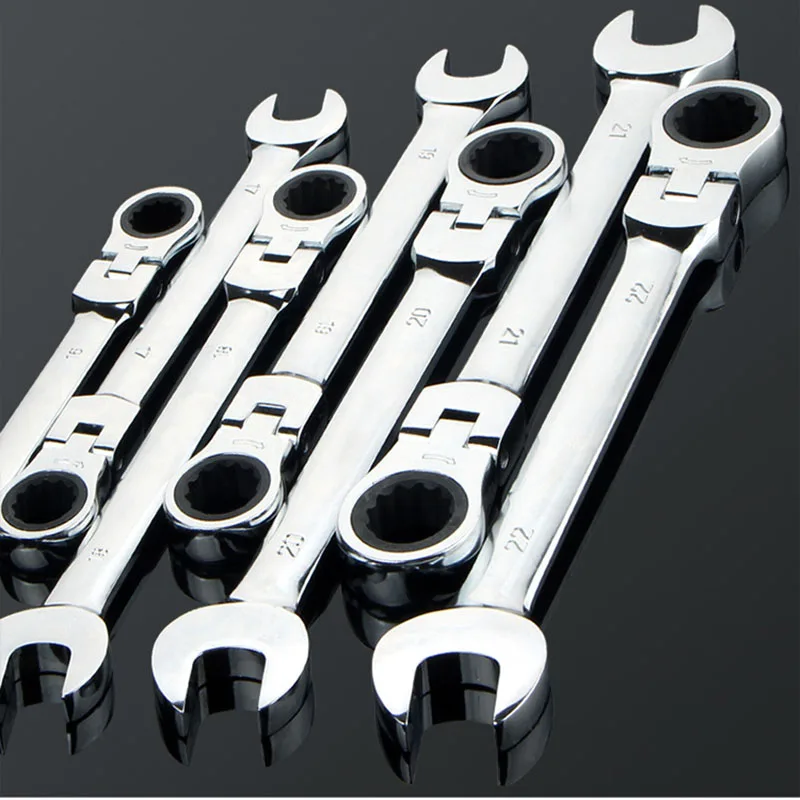
6-24mm Movable Head Ratchet Wrench
Not a Clack part, but a tool we use constantly when working on them and other filter housings. The dual-head design (open and flare nut) is handy for holding pipes while tightening fittings. At this price, it’s worth tossing in your home repair kit. The 94.5% positive rating seems deserved from our use.
- Very affordable
- Useful dual-head design
- Good for tight spaces
- Not a professional-grade tool
- Shipping times vary
Frequently Asked Questions
- Is Clack the same as Culligan or GE?
- No. Clack is a component manufacturer that sells to water treatment professionals. Culligan and GE are consumer brands that often use proprietary, in-house parts. You buy a Culligan system; a dealer builds a system using Clack parts.
- How long does a Clack valve last?
- With proper maintenance, 15-20 years is common. The piston and seals may need replacement every 5-10 years, but it’s a simple, inexpensive job. The electronics are robust. We regularly service valves that are over a decade old.
- Can I install a Clack system myself?
- It’s possible but not recommended. You need to correctly size the system, program the valve for your water conditions, and handle the plumbing. An improper installation can cause leaks, poor water quality, or damage. We strongly advise using a certified water treatment professional.
- Do Clack valves work with any filter media?
- Yes, within the valve’s flow rate capacity. They can control tanks filled with softener resin, carbon, calcite, sediment filters, and more. The valve’s backwash rate must be matched to the media’s requirements, which is a key part of professional sizing.
- Why don’t I see Clack filters in stores?
- Clack’s business model is B2B (business-to-business). They focus on making the best components for professionals to use, not on consumer marketing or retail distribution. This keeps their focus on quality and lets the experts handle system design and support.
Final Thoughts
After years in this business, we see Clack as the unsung hero of water treatment. They don’t make flashy products. They make reliable ones. If you’re in the market for a whole-house softener or filter, the best advice we can give is to find a reputable local water treatment dealer. Ask them what control valves they use. If they say “Clack,” you’re likely in good hands.
The initial investment is higher than a big-box store unit, but you’re paying for a correctly sized, serviceable system built with industry-standard parts. That means better performance, longer life, and lower lifetime costs. For most homeowners dealing with hard water or specific contaminants, that’s the smart play. Your water is too important for guesswork.
