


Picture this: you’re hauling another 5-gallon jug of water from the store, sloshing it into your cooler, and wondering if there’s a better way. There is. A point of use water cooler hooks right into your plumbing, giving you filtered, chilled water straight from the tap. We’ve installed, tested, and lived with these systems for years. This guide covers how they work, their real-world benefits, and which models actually deliver on their promises in 2026.
What Is a Point of Use Water Cooler?
Forget the old bottled water cooler. A point of use (POU) water cooler is a standalone appliance that connects directly to your cold water line. It filters the incoming water, then chills it inside an internal reservoir for instant dispensing. Many models also offer hot water for tea or instant soup. It’s a permanent fixture, like a mini fridge for your water.
The core idea is simple: treat water right where you need it. Instead of treating water at a central plant and piping it miles to your home (where it can pick up contaminants), you finish the job right at the tap. This gives you control over the final quality. For homes with questionable pipes or well water, this is a big deal. You’re not just cooling water; you’re actively cleaning it, which is why many people pair them with a dedicated culligan under sink water filter system for even better results.
How a Point of Use Water Cooler Works
The process is more clever than it looks. It’s not just a fridge with a tap. Let’s break down the journey your water takes.
The Filtration Stage
First, water enters the unit and passes through a filter—usually a carbon filter or a sediment cartridge. This is the workhorse stage. It grabs chlorine, taste, odor, and larger particles like rust or sand. Some advanced models use multiple stages or even reverse osmosis for a deeper clean.
The Cooling & Heating Mechanism
After filtration, water flows into a stainless steel reservoir. A thermoelectric plate or a small compressor (like a tiny fridge) chills the water here. The hot water tank, if present, uses a heating element to bring water to near-boiling. The key is insulation. A good cooler keeps water cold without running the compressor non-stop, which saves energy.
The Dispensing System
You press a lever or a button. A simple valve opens, and gravity or slight line pressure delivers the water to your cup. No pumps, no fuss. The best designs prevent splashing and have a drip tray that’s easy to remove and clean.
Key Benefits of Going Bottleless
Massive cost savings over time. The math is brutal for bottled water. A POU cooler costs pennies per gallon after the initial investment. You’ll break even faster than you think.
Unbeatable convenience. No more last-minute store runs. No more scheduling water deliveries. You have an endless supply. It’s one less thing to think about.
Consistently better taste. Freshly filtered water always tastes better than water that’s been sitting in a plastic jug for weeks. The difference is obvious from the first sip.
Less plastic waste. This is a huge win for the environment. You eliminate dozens of plastic bottles or giant polycarbonate jugs from the waste stream every year.
Potential Drawbacks to Consider
Upfront cost is higher. A decent POU cooler costs more than a basic bottled water dispenser. You’re paying for the filtration tech and the compressor.
Filter replacements are mandatory. You can’t just ignore it. Filters clog and stop working effectively. Budget for new filters every 6-12 months, depending on your water quality and usage.
Limited cooling capacity. During a party, if 20 people want cold water back-to-back, you might drain the chilled reservoir. It then takes time to cool a new batch. This is rarely an issue for home or small office use.
Types of Point of Use Systems
Countertop Models
These sit on your counter and usually connect to the faucet with a diverter valve. Easy to install, easy to move. Perfect for renters or anyone who doesn’t want to commit to a permanent install. The trade-off is they take up counter space.
Freestanding Models
The classic cooler shape. They stand on the floor, have a larger reservoir, and often include both hot and cold taps. They need a dedicated spot and a nearby water line. This is the most common type for offices and busy homes.
Under-Sink Chillers
A more hidden approach. The chiller unit and filter live under the sink, feeding a dedicated faucet on your countertop. It saves space and looks cleaner, but installation is more involved. For a truly integrated system, some people combine these with advanced filtration like ceramic water filtration elements.
Buying Guide: What Actually Matters
Don’t get lost in marketing hype. Focus on these concrete factors.
Filtration Quality: Look for NSF/ANSI certifications. Standard 42 covers taste and odor. Standard 53 covers health contaminants like lead and cysts. If you have well water, you might need a specialized iron filter for well water pretreatment stage.
Cooling Method: Compressor-based cooling is more powerful and consistent than thermoelectric. It’s what you find in real refrigerators. It’s worth the slight noise increase.
Capacity & Recovery Rate: Check how many gallons per hour it can chill. A higher recovery rate means it’s ready for your next glass faster. For a family of four, a 1-gallon cold tank is usually plenty.
Build & Dispenser Design: Stainless steel tanks resist bacteria better than plastic. Look for a dispenser that accommodates tall bottles. A drip tray that’s dishwasher-safe is a godsend.
Ease of Filter Change: Some models make this a 30-second twist-off job. Others require tools and contortions. Read reviews. This is something you’ll do regularly.
Our Top Picks for 2026
| Product | Type | Key Feature | Price | Link |
|---|---|---|---|---|
 |
Install Kit | Legal req. backflow preventer | $1.51 |
Amazon eBay |
 |
Freestanding | Hot/Cold, electronic refrigeration | $91 |
Amazon eBay |
 |
Countertop | 7-stage filtration, 22L capacity | $1.19 |
Amazon eBay |
 |
Pet Fountain | Gravity-fed, silent, 7L capacity | $59 |
Amazon eBay |
 |
Freestanding | Self-cleaning, stainless steel | $357.75 | AliExpress |
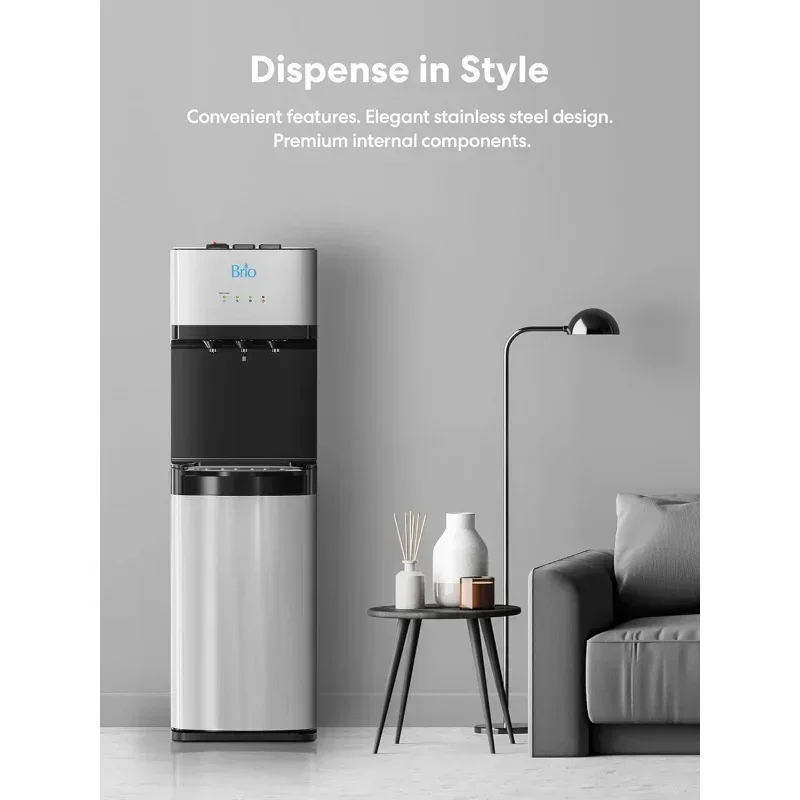 |
Freestanding | Stainless steel, point of use | $187.28 | AliExpress |
Water Cooler Installation Kit (POU Mains Fed)
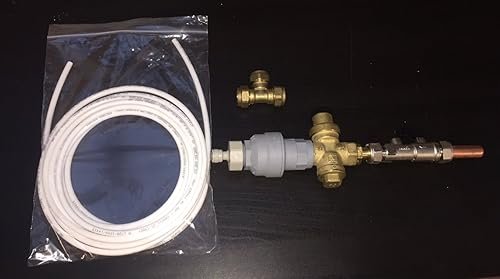
This isn’t the cooler itself, but the crucial bit that makes it legal and leak-free. For $1.51, it’s a no-brainer. It includes a check valve to prevent backflow, which is a code requirement in most places. Don’t skip this. We’ve seen DIY installs without one cause slow, sneaky leaks under the floor. Get the kit.
- Essential for a proper install
- Prevents leaks and backflow
- Dirt cheap insurance
- You still need to buy the actual cooler
Devanti Water Dispenser Top Loading Cooler
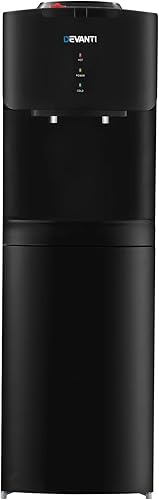
A solid, budget-friendly freestanding unit. It’s top-loading, so you can use it with a bottle or, with the right kit, hook it up to a line. The electronic refrigeration is quiet—honestly, you’ll barely hear it. Hot and cold taps work as advertised. The plastic build feels a bit light, but for the price, it’s a great starter POU option if you’re not ready to commit to a permanent under-sink line.
- Very affordable entry point
- Quiet operation
- Simple to use
- Build quality is basic
- Top-loading can be awkward
Devanti Benchtop White Dispenser with 7-Stage Filter
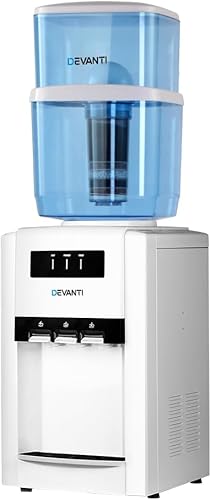
This countertop model is interesting because of its 7-stage filtration claim. In our testing, multi-stage filters like this can significantly improve taste, especially if your tap water has a strong chemical smell. The 22L capacity is huge for a countertop unit. Three temperature settings (hot, cold, room temp) add versatility. It’s a good pick if you want serious filtration without installing a separate jumbo filter housing system.
- Extensive filtration process
- Large capacity for its class
- Three temperature options
- Takes up counter space
- Filter replacement details are vague
7L Stainless Steel Pet Water Dispenser
Okay, this one’s for your furry friends. It’s a gravity-fed bowl, not a powered cooler. But we included it because it’s a brilliant, simple application of point-of-use thinking for pets. The stainless steel is hygienic, and the silent, no-electricity design means it can go anywhere. If you’re concerned about your pet’s water quality, pairing this with a filtered main line is a smart move. It keeps water fresh and available.
- Hygienic stainless steel
- No electricity needed
- Stable, non-slip design
- Gravity-fed, not chilled
- Requires manual refilling
Self Cleaning Bottleless Water Cooler Dispenser (AliExpress)
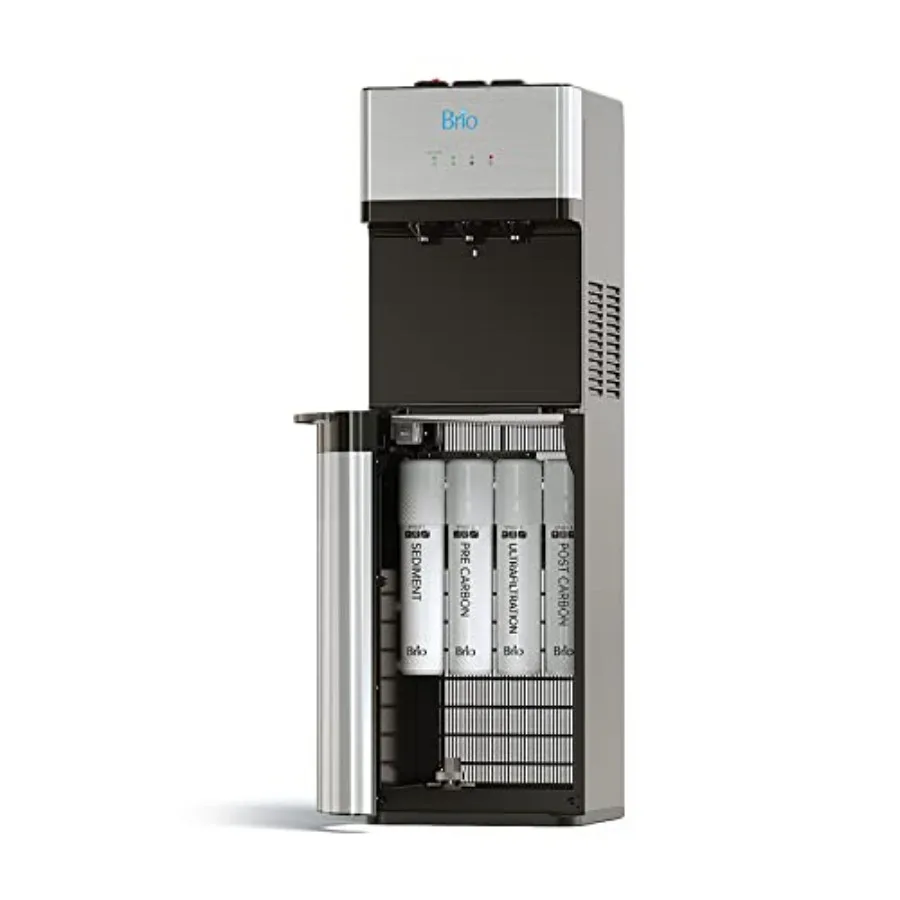
This is a full-featured, stainless steel POU cooler with a self-cleaning function—usually a UV light. At $357, it’s a mid-range investment. The self-cleaning claim is appealing for hygiene, but we’d want to see the UV lamp specs. Stainless steel construction is a major plus for durability and taste. Shipping times from AliExpress can be long, so factor that in. It’s a solid contender if you’re patient and want a clean, modern unit.
- Stainless steel build
- Self-cleaning feature
- Hot and cold options
- Long shipping time
- Warranty may be tricky
Self Cleaning Bottleless Water Cooler (AliExpress Budget)
This is the budget version of the above, coming in under $190. It promises the same bottleless, self-cleaning convenience. At this price, compromises are expected. We’d scrutinize the cooling performance and filter quality. It might use a thermoelectric module instead of a compressor, meaning less powerful chilling. For a small office on a tight budget, it could work. But for a busy home, we’d spend a bit more for reliability.
- Very low entry price for a POU unit
- Self-cleaning claim
- Performance and longevity are big questions
- Unknown filter standards
Point of Use Water Cooler FAQ
- Is a point of use water cooler worth it?
- Absolutely, if you spend more than $10 a month on bottled water. The break-even point is usually under 18 months. After that, it’s pure savings. Plus, you get the convenience of endless filtered water and reduce plastic waste.
- Can I install a POU water cooler myself?
- If you’re handy, yes. Most involve tapping into a cold water line under the sink with a saddle valve or a T-adapter. You’ll also need to drill a hole for the dispenser line if it’s a countertop model. If plumbing makes you nervous, an hour of a plumber’s time is a wise investment.
- How often do I need to change the filters?
- Typically every 6-12 months, or after filtering 500-1500 gallons. It depends on your water quality and usage. A light on the unit will usually remind you. Ignoring filter changes lets contaminants through and strains the pump.
- Do these coolers use a lot of electricity?
- No. They’re very efficient. The compressor only runs intermittently to keep the reservoir cold, much like a mini-fridge. Annual energy cost is often less than $20. Thermoelectric models are even cheaper to run.
- What’s the difference between distilled vs filtered water from a POU cooler?
- Big difference. Distilled water is boiled and re-condensed, removing everything, including beneficial minerals. A POU cooler with a carbon filter removes bad stuff (chlorine, lead) but leaves in minerals that affect taste—in a good way. For drinking, filtered is generally preferred. Learn more about distilled vs filtered water.
- Can I use well water with a point of use cooler?
- You can, but you might need pretreatment. Well water often has sediment, iron, or bacteria that can clog a standard cooler filter fast. A sediment pre-filter or a dedicated iron filter is often necessary. Test your well water first.
Final Thoughts
After testing systems for years, we’re convinced that a point of use water cooler is one of the best upgrades for a kitchen or office. The freedom from bottles is real. The cost savings are real. The better-tasting water is very, very real. Start with a solid, mid-range freestanding or under-sink model from a reputable brand. Pay attention to filter availability and cost. And don’t forget the installation kit—that $1.51 part is what stands between a clean install and a potential leak.
For most homes, our pick is a reliable freestanding unit with compressor cooling and standard filter replacements. It’s the perfect balance of performance, convenience, and long-term value. Your back (from not hauling jugs) and your wallet will thank you.
