


After testing water treatment gear for over a decade, I’ve seen technologies come and go. But UV sterilization? It’s a quiet workhorse. It doesn’t get the hype of a shiny reverse osmosis system, but for disinfection, it’s incredibly reliable. This guide breaks down how these systems actually work, what they’re good at, and where they fall short.
- What a UV sterilization system is and how the light kills pathogens
- The clear benefits and the often-overlooked drawbacks
- The different types you’ll encounter and how to choose one
- Our hands-on reviews of popular models
What Is a UV Sterilization System?
A UV sterilization system is a point-of-entry or point-of-use water treatment device that uses ultraviolet (UV-C) light to inactivate microorganisms. Think of it as a high-tech security checkpoint for your water. As water flows past a powerful UV lamp, the light penetrates the cells of bacteria, viruses, and protozoa, scrambling their DNA so they can’t reproduce or make you sick.
It’s crucial to understand this: UV is a disinfection tool, not a filter. It doesn’t change your water’s chemistry, remove dissolved minerals, or clear out cloudy sediment. If your water has high levels of iron, sulfur, or particulates, you’ll need a dedicated sulfur and iron filter or whole house sediment filtration upstream. The UV light can’t penetrate murky water effectively.
How UV Sterilization Works
The science is straightforward but powerful. Here’s the step-by-step process inside the chamber.
The UV-C Lamp
At the heart of the system is a mercury vapor or amalgam lamp housed in a quartz glass sleeve. This lamp emits light at a specific wavelength—typically 254 nanometers. This wavelength is germicidal, meaning it’s absorbed by the genetic material (DNA and RNA) of pathogens.
Exposure and Inactivation
Water enters a stainless-steel chamber and flows past the lamp. The key metric here is dosage, measured in mJ/cm². A higher dosage means more destructive power. Most residential systems deliver a dosage of 30-40 mJ/cm², which is enough to inactivate 99.99% of common bacteria like E. coli and viruses like rotavirus.
Key Benefits of UV Disinfection
Chemical-Free Operation: You’re not adding chlorine or other chemicals to your water. No byproducts, no taste changes. It’s pure physics.
Extremely Effective: When properly installed and maintained, UV systems boast a 99.99%+ kill rate for a vast range of pathogens. It’s the same technology used in hospitals and bottled water plants.
Low Energy Use: A typical residential UV system uses about the same electricity as a 60-watt light bulb. It’s always on, but it won’t spike your energy bill.
Minimal Maintenance: The main task is replacing the lamp annually and cleaning the quartz sleeve occasionally. Compare that to the weekly filter changes some systems demand. For many, this is a better fit than a complex water distiller machine which requires more energy and frequent cleaning.
Potential Drawbacks to Consider
Requires Clear Water: The UV light must be able to penetrate the water. High turbidity (cloudiness) or color can shield microbes. This is a common issue with untreated well water iron filter feed water.
No Residual Disinfection: Unlike chlorine, the germ-killing effect happens only inside the chamber. If bacteria are in your pipes downstream, UV won’t help. It’s a point-of-contact solution.
Lamp and Sleeve Replacement: The lamp intensity fades over time, even if it still glows. You must replace it on schedule (usually annually). The quartz sleeve can also become fouled, requiring periodic cleaning.
Types of UV Systems
Whole-House UV Systems
Installed where the water line enters your home, these protect every faucet and showerhead. They’re sized for high flow rates (e.g., 12 GPM or more) and are the go-to for well water or homes with bacterial concerns in the municipal supply.
Point-of-Use (POU) UV Systems
These are smaller units installed under a specific sink to treat water for one faucet, usually the kitchen. They’re a great final barrier for drinking water, often paired with a carbon block filter.
UV Sterilization for Specialty Applications
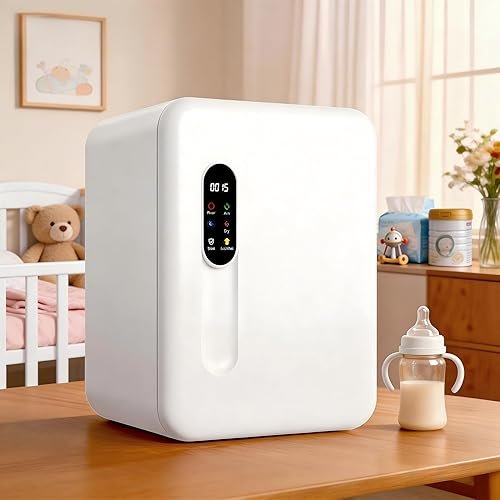
The technology scales down further. You’ll find UV-C LEDs in compact devices for sterilizing objects, like baby bottles or small tools. While not for water treatment, they use the same core principle. The UV Sterilization and Disinfection Cabinet is a perfect example, using UV light to sanitize items in a controlled chamber.
Buying Guide: What Actually Matters
Forget the marketing fluff. Here’s what we look at when evaluating a system.
NSF/ANSI Certification: Look for NSF/ANSI 55 Class A certification. This means the system has been independently validated to deliver a minimum 40 mJ/cm² dosage at the end of the lamp’s rated service life. Class B is for supplemental treatment only.
Flow Rate (GPM): Match the system’s validated flow rate to your home’s peak water demand. Undersizing is the single biggest mistake we see. If you have 2.5 bathrooms, you need a system that can handle 8-12 GPM, not a 5 GPM unit.
Lamp Life & Monitoring: A good system will have a timer and an alarm to alert you when the lamp needs replacement. Some even have UV intensity monitors that measure actual output—this is a premium feature but worth it for peace of mind.
Top Picks & Reviews
We’ve looked at a range of products that use UV sterilization technology. While the systems below are designed for sterilizing objects rather than water, they demonstrate the application of UV-C light effectively.
| Product | Key Feature | Price | Links |
|---|---|---|---|
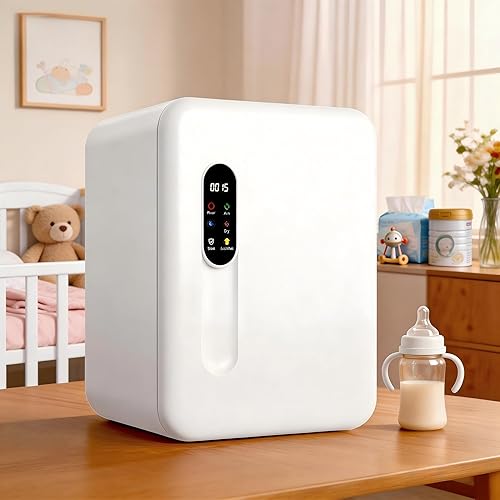 |
28L Capacity, 4-in-1 Function | $1.29 | Buy on Amazon Buy on eBay |
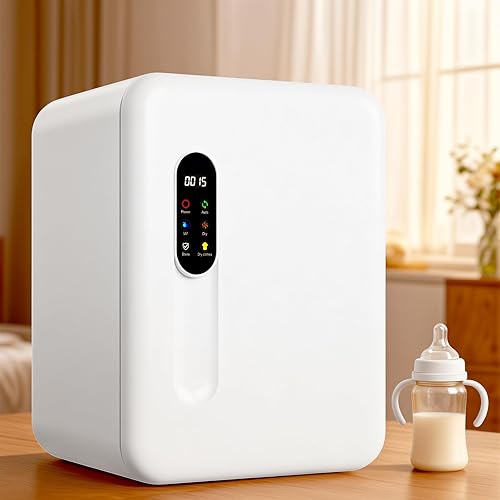 |
Touch Control, 48H Storage | $1.59 | Buy on Amazon Buy on eBay |
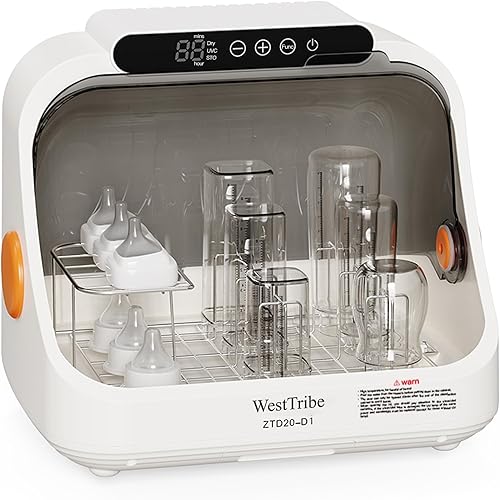 |
3-in-1, Fast Drying | $1.01 | Buy on Amazon Buy on eBay |
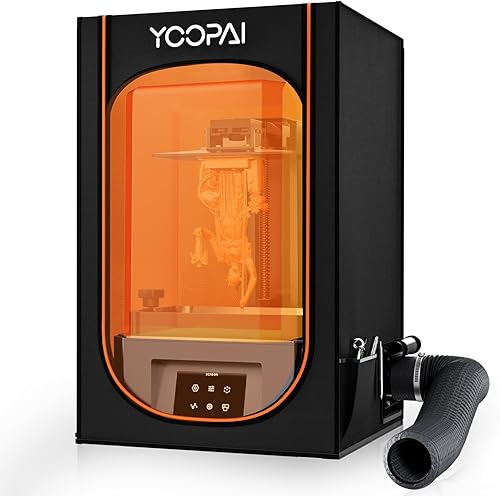 |
Ventilation, Odor Elimination | $79 | Buy on Amazon Buy on eBay |
UV Sterilization and Disinfection Cabinet
This isn’t a water filter, but it’s a great example of applied UV tech. The 28L capacity is genuinely useful for families—it holds a day’s worth of bottles and pacifiers. We like the 48-hour storage mode; it keeps items sterile without re-running cycles constantly. The drying function is a nice touch, though it adds a bit of cycle time.
- Large 28L capacity fits multiple items
- 48-hour sterile storage is convenient
- Combines UV and hot-air drying
- Only for objects, not water treatment
- Requires electricity to operate
ADVWIN 4-in-1 UV Sanitizer and Dryer
Very similar in specs to the first model, with a focus on user-friendly touch controls. The performance should be comparable. Honestly, the choice between this and the 28L cabinet above might come down to price and design preference. We’d lean towards whichever has a better sale when you’re shopping.
- Intuitive touch control panel
- Same large capacity and storage feature
- Low noise operation
- Not a water purification device
- Feature set is very standard
20L Baby Bottle Steriliser
A slightly smaller, potentially more budget-friendly option. The 20L capacity is still ample for most needs. The “upgraded model” tag suggests improvements, but always check recent reviews. For a nursery, the core function—UV sterilization—is what matters, and this delivers that.
- More compact 20L footprint
- Often priced lower than larger units
- Auto shut-off for safety
- Smaller capacity may require more frequent cycles
- Not for water filtration
Resin 3D Printer Enclosure with Ventilation
This is a different beast entirely. It’s an enclosure that uses UV-blocking material and ventilation to manage odors and fumes from resin 3D printers. While it deals with UV light, its purpose is containment and safety, not sterilization. A niche product for a specific hobbyist need.
- Effectively contains printer odors and fumes
- Compatible with many popular printer models
- Reduces noise and dust
- Very specific use case
- Does not sterilize water or objects
Frequently Asked Questions
- Does a UV system change the taste of water?
- No. UV light doesn’t add or remove anything from the water’s chemical composition. It only inactivates microorganisms. Your water will taste exactly the same, which is a major plus if you dislike the taste of chlorinated water.
- How often do I need to replace the UV lamp?
- Most manufacturers recommend replacing the lamp every 12 months, or after about 9,000 hours of use. The lamp may still glow blue after this time, but its germicidal intensity will have dropped below effective levels. Always follow the maker’s schedule.
- Can UV sterilization remove lead or chlorine?
- Absolutely not. UV is for disinfection only. To remove heavy metals like lead, chlorine, or volatile organic compounds, you need activated carbon filters, reverse osmosis, or other specific media. UV is one piece of the treatment puzzle.
- Is UV sterilization safe for well water?
- It’s often essential for well water, but with a big caveat. Well water frequently has sediment, iron, or tannins that must be filtered out first. A UV system should be the final disinfection stage after pre-filtration to ensure the water is clear enough for the light to work.
- What’s the difference between a UV purifier and a UV sterilizer?
- In residential water treatment, the terms are used interchangeably. Technically, “purifier” might imply meeting a higher log reduction standard (like 99.9999% for bacteria), but for consumer products, look at the NSF/ANSI 55 certification class instead of the marketing name.
Final Thoughts
After all our testing, here’s the bottom line: a UV sterilization system is one of the most reliable ways to protect your household water from microbiological threats. It’s not a magic bullet—it won’t fix hard water or remove rust—but for its specific job, it’s outstanding. We recommend it as a core component for well water users and as a smart final barrier for anyone on a municipal supply who wants extra peace of mind.
Just remember to pair it with the right pre-filters for your water source, size it correctly for your flow rate, and change that lamp every year. Do that, and you’ll have a silent, effective guardian on your water line for years to come.
