


UV Disinfection for Water: The 2026 Guide to How It Works and When to Use It
You’ve probably heard the buzz about UV light for water purification. It sounds high-tech and effective. But does it actually work? And more importantly, do you really need it for your home? After testing systems for years and talking to countless plumbers, I can tell you this: UV is a fantastic tool, but it’s not a magic bullet. This guide will break down exactly how it works, its pros and cons, and help you decide if it’s right for your setup.
What Is UV Disinfection?
UV disinfection is a physical process that uses short-wavelength ultraviolet light (UV-C) to inactivate microorganisms. Think of it as a powerful, targeted sunburn for germs. The light penetrates their cells and damages their genetic material, preventing them from reproducing and causing infection. It’s been used in municipal water treatment plants for decades, and the same core technology is now available for your home.
Unlike chlorine, it adds no chemicals to your water. Unlike a physical filter, it doesn’t trap anything. The dead microbes pass right through. That’s why it’s considered a disinfection method, not a filtration method. Its sole job is to kill or inactivate pathogens like E. coli, Giardia, and viruses. For everything else—sediment, chlorine, lead, or iron—you need other solutions. If you’re on well water, pairing a UV system with a dedicated water filter for iron removal is often a non-negotiable first step.
How UV Disinfection Works
The process is elegantly simple but relies on precise engineering.
The Core Components
A typical point-of-entry system has a few key parts. There’s a stainless steel chamber that houses the lamp. The lamp itself is a mercury vapor bulb that emits UV-C light at a precise 254-nanometer wavelength—this is the sweet spot for destroying DNA. A quartz glass sleeve protects the lamp from the water while allowing the UV light to pass through. Finally, a controller powers the lamp and often has a timer or intensity monitor.
The Disinfection Process
Water flows into one end of the chamber and passes along the length of the lamp. The key metric here is “dose”—measured in mJ/cm². For proper disinfection, water must receive a minimum dose, typically 40 mJ/cm², as it flows past the lamp. This is a function of exposure time and light intensity. If the water flows too fast, or if the lamp is old and weak, the dose drops and pathogens can survive.
Key Benefits of UV Systems
Why has this technology become so popular? A few compelling reasons.
Chemical-Free Disinfection: This is the biggest one. You’re not adding chlorine or other chemicals that can affect taste or create disinfection byproducts. The water’s chemical composition remains unchanged. It’s a purely physical process.
Extremely Effective: When properly sized and maintained, UV systems are 99.99% effective against a vast range of bacteria, viruses, and protozoa. It’s the same technology trusted by hospitals and breweries for critical applications.
Low Energy Use: A whole-house system uses about the same electricity as a 60-watt light bulb. The cost to run it is negligible compared to the peace of mind it provides.
No Water Waste: Unlike reverse osmosis systems, which produce a waste stream, UV systems treat 100% of the water that flows through them. Every drop is disinfected.
Potential Drawbacks to Consider
Requires Pre-Filtration: UV light cannot penetrate sediment or cloudiness (turbidity). Particles can shield microbes from the light. A 5-micron sediment filter is almost always required before the UV unit to ensure effectiveness. For general taste and odor, a carbon filter stage is also recommended.
Electricity Dependent: No power, no disinfection. If you’re preparing for emergencies, a UV system is useless without a generator or battery backup. For off-grid or emergency preparedness, you’d need a non-electric backup like a camping water filter.
Doesn’t Provide Residual Protection: Once the water leaves the chamber, it’s disinfected but has no ongoing protection. If your pipes or storage tank are contaminated, the water can become re-infected downstream. Chlorine provides a residual; UV does not.
Types of UV Systems
Point-of-Entry (POE) Whole House Systems
These are installed where the water line enters your home. They disinfect every drop of water—from every faucet, shower, and appliance. They’re the gold standard for comprehensive protection, especially for well water. They require professional installation and have higher flow rate requirements.
Point-of-Use (POU) Systems
These smaller units are installed at a single tap, usually under the kitchen sink. They treat only the water you drink and cook with. They’re more affordable and easier to install, making them a popular choice for municipal water users who want an extra safety layer. They pair perfectly with the best under sink water filter setups.
Specialty & Portable Units
This category includes UV wands for travel, small units for RVs, and even devices for disinfecting surfaces or objects, like the sterilizer boxes we’ll look at below. These are niche products but can be incredibly useful for specific applications.
Buying Guide: What Actually Matters
Don’t just buy the first UV system you see. Focus on these critical factors.
Flow Rate (GPM): This is non-negotiable. The system must be sized for your home’s peak demand. If your family of four runs two showers and the dishwasher simultaneously, you might need 8-12 GPM. An undersized unit won’t deliver the required UV dose during high use.
NSF/ANSI Standard 55: Look for certification to this standard. It verifies the system’s performance claims. Class A systems are designed to disinfect microbiologically unsafe water; Class B is for treating already-safe water to reduce non-pathogenic organisms.
Lamp Life & Replacement Cost: Factor in the annual cost of a new lamp and sleeve. Some brands use proprietary lamps that are expensive. Look for systems with standard-sized lamps.
Monitoring Features: A simple “lamp on” light isn’t enough. A UV intensity monitor or a digital timer that counts down to lamp replacement is a huge plus for ensuring your system is actually working.
Top UV Products for 2026
While UV water disinfection is our main focus, UV-C technology has broader applications for home hygiene. Here are some standout products, from water treatment to surface sanitization.
| Product | Type | Key Feature | Price | Link |
|---|---|---|---|---|
 |
Surface Sanitizer | 8L Stainless Steel Chamber | $97 |
Amazon eBay |
 |
Portable Sanitizer | 3-Min Cycle, USB Rechargeable | $29 |
Amazon eBay |
 |
Sanitizer & Dryer | 28L Capacity, Touch Control | $1.59 |
Amazon eBay |
 |
Inspection Tool | 30W, 365nm Wavelength | $34 |
Amazon eBay |
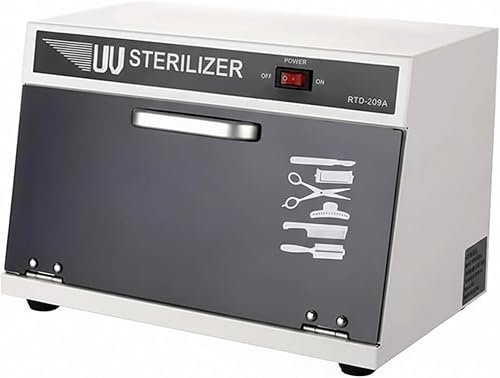
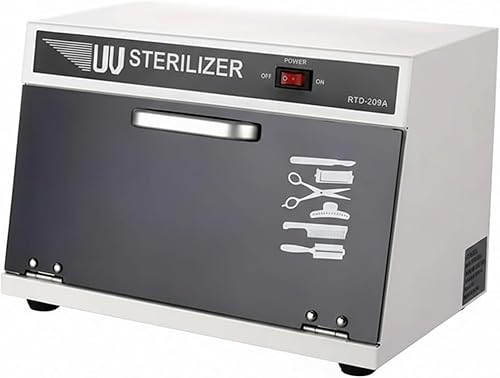
UV Sterilizer Box 8L Capacity
This is a serious piece of kit for disinfecting objects, not water. The stainless steel interior is key—it reflects the UV light, ensuring items get zapped from all angles. We’ve used it for phones, keys, and even baby bottles. The 8L size is genuinely useful; it’s not a toy. At $97, it’s an investment for salons, clinics, or germ-conscious homes.
- Durable stainless steel construction
- Large 8L capacity for multiple items
- Even UV distribution via reflection
- Not for water purification
- Bulky for small spaces
- Requires standard outlet
Portable Pacifier Sanitizer, UV Light Box
This little gadget is a lifesaver for parents on the go. The 3-minute cycle is quick, and the 180-minute battery life means you can get multiple uses between charges. It’s simple: drop in the pacifier, close the lid, press the button. The peace of mind is worth far more than $29. Just don’t expect it to clean heavy grime—it disinfects already-clean surfaces.
- Extremely portable and lightweight
- Fast 3-minute disinfection cycle
- USB-C rechargeable
- Very small capacity (one item)
- Plastic construction
- Battery will degrade over time
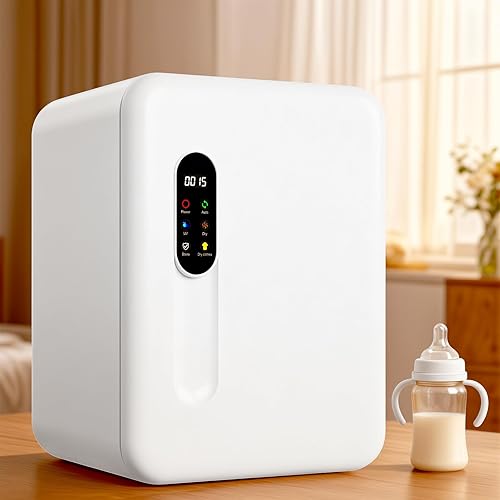
ADVWIN 4-in-1 UV Sanitizer and Dryer
This is the workhorse countertop unit. The 28L capacity is massive—you can fit a full load of baby bottles, pump parts, and toys in one go. The 48-hour storage mode that periodically re-sanitizes is a brilliant feature. The touch controls feel modern. Honestly, for parents, this type of appliance is a game-changer for daily sanity. The listed price seems like a placeholder error, so check the live link.
- Huge 28L capacity
- Combines drying and sanitizing
- Smart 48-hour storage mode
- Takes up significant counter space
- Price may be inaccurate
- More complex than a simple box
Rechargeable 365nm UV Light Torch
This isn’t for disinfection—it’s for detection. The true 365nm wavelength (not the weaker 395nm) makes it perfect for finding pet stains, scorpions, or curing resin. We’ve used it to check for leaks and authenticate minerals. The 30W power is bright. It’s a specialized tool, but if you need a UV flashlight, don’t cheap out on wavelength. This one delivers.
- True 365nm wavelength for accuracy
- High 30W power output
- USB rechargeable
- Not a sanitizer or water tool
- Battery life not specified
- Niche use case
Frequently Asked Questions
- Can UV light disinfect cloudy water?
- No. Cloudy or turbid water will block the UV rays, creating shadows where microbes can hide. You must pre-filter water down to at least 5 microns before it enters the UV chamber. This is the most common installation mistake we see.
- Does UV disinfection change the taste of water?
- No. UV treatment is a physical process that adds nothing to and removes nothing from the water. If your water tastes bad, the problem is something else—like chlorine, sulfur, or organic matter. A carbon filter is needed for taste and odor issues.
- How do I know my UV system is working?
- Look for systems with a UV intensity monitor. A simple “lamp on” light only tells you the bulb has power, not that it’s emitting sufficient UV-C light. A monitor measures the actual disinfecting power. Also, replace the lamp annually as scheduled.
- Is UV disinfection better than chlorination?
- They have different strengths. UV is better at killing certain parasites like Cryptosporidium that are resistant to chlorine. Chlorine provides a residual disinfectant in your pipes, which UV does not. For well water, UV is often preferred. For municipal water, they often work together.
- What’s the maintenance like?
- Annual lamp replacement is the main task. The quartz sleeve should be cleaned periodically (every few months) if your water has mineral content, as scale can build up and block UV light. It’s a simple wipe-down. The units themselves are very reliable.
- Can I use UV for my whole house?
- Yes, but you must size it correctly. A whole-house UV system must have a flow rate (GPM) that matches your home’s peak water demand. An undersized system won’t deliver the proper UV dose during high usage. When in doubt, consult a water treatment professional.
- Do I still need a filter if I have UV?
- Absolutely. UV only disinfects. You still need a sediment filter to protect the UV sleeve and ensure light penetration. For comprehensive water quality, you’ll likely want a sediment filter, a carbon filter for chemicals and taste, and then the UV system as the final barrier. This is especially true if you’re looking for the reverse osmosis water filter for refrigerator setups, where water quality is paramount.
Final Thoughts
UV disinfection is one of the most reliable and effective ways to protect your family from microbiological threats in water. It’s not a standalone solution—it’s the final, critical piece of a multi-stage system. If you’re on a well, it’s almost essential. If you’re on city water and want an extra layer of protection, a point-of-use UV system is a smart, low-maintenance choice.
The single biggest mistake is buying a UV system without addressing pre-filtration. Get your sediment filter in place first. From there, a quality UV unit with a monitor and a disciplined lamp replacement schedule will give you years of safe, chemical-free water. For situations where power isn’t guaranteed, like remote cabins or emergency prep, remember that UV won’t help—pack a reliable emergency water filter as your backup.
