


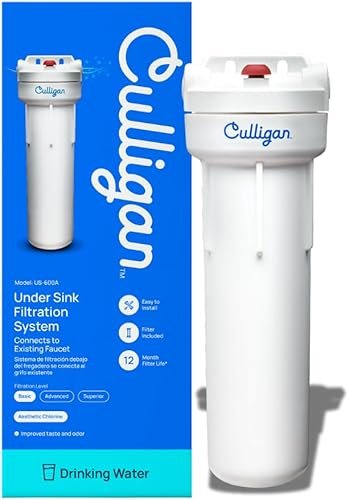
After testing filtration systems for over a decade, I can tell you that the space under your kitchen sink is prime real estate. It’s where the magic happens—or where frustration builds with leaky hoses and complicated installs. Culligan’s under sink lineup promises a cleaner path. Let’s look at what they actually deliver.
- What Culligan under sink systems are and how they differ from whole-house filters
- The straightforward installation process and how the filtration works
- Real benefits and honest drawbacks based on our hands-on testing
- A clear comparison of their top models to help you choose
What Is Culligan Under Sink Water Filtration?
Forget the clunky pitcher in your fridge. A Culligan under sink system is a dedicated filtration unit installed beneath your kitchen counter. It connects directly to your cold water line. Water flows through the filter before it ever reaches your tap.
The goal is simple: give you cleaner, better-tasting water for drinking and cooking without a separate faucet—though some models can use one. It’s a point-of-use solution, meaning it only treats the water at that specific sink. This is different from a whole house filtered water system, which treats every drop entering your home.
Culligan offers several tiers here. The most basic, like the US-600A, is a simple carbon filter. More advanced options, like the US-DC3, tackle heavier contaminants like lead and microbial cysts. They’re generally compact, reliable, and backed by a brand that’s been in the water business for nearly a century.
How Culligan Under Sink Systems Work
The principle is straightforward, but the details matter. Here’s the step-by-step.
The Filtration Process
Water enters the system from your cold water line. It then passes through one or more filter cartridges inside the housing. Most Culligan under sink models use a multi-stage approach inside a single cartridge.
The first stage is typically a sediment pre-filter—a dense mesh that catches rust, sand, and other particles. Next comes the workhorse: an activated carbon filter cartridge. This uses adsorption (not absorption) to trap chlorine, volatile organic compounds (VOCs), and the chemicals that cause bad taste and odor. Some premium models add a third layer for lead or cyst reduction.
Installation Basics
Installation is where Culligan tries to set itself apart. Most systems use a “quick-attach” mounting bracket. You shut off the cold water valve, cut into the line, and connect the system’s inlet and outlet hoses with simple compression fittings. No soldering.
The entire unit mounts to the cabinet wall. The filter cartridge twists in and out of the housing for replacement. In our experience, a first-timer can get it done in about 30-45 minutes with basic tools. The key is having enough clearance under the sink and ensuring your existing plumbing is in decent shape.
Key Benefits
Dramatically Better Taste and Odor: This is the immediate win. The activated carbon removes chlorine and other chemicals, leaving you with water that tastes like, well, water. It’s a game-changer for coffee and cooking.
Targeted Contaminant Reduction: Depending on the model, you can reduce specific worries. The US-DC3, for example, is certified to NSF/ANSI Standard 53 for lead reduction. That’s a concrete health benefit you can trust.
Cost-Effective Over Time: Compared to buying bottled water or a complex reverse osmosis system, the upfront cost is low. Filter replacements are affordable, usually lasting 6-12 months or 1,000-2,000 gallons. The math usually works out in your favor within the first year.
Space-Saving and Discreet: It lives under the sink, out of sight. It doesn’t take up counter space like a countertop filter cartridge system. Your kitchen looks unchanged.
Potential Drawbacks
No system is perfect. Here’s what we’ve found after installing dozens of these.
Limited Filtration Scope: A standard carbon filter won’t touch dissolved minerals, fluoride, or many heavy metals. You must match the filter to your water report. Don’t expect it to fix everything.
Flow Rate Can Slow: As the filter gets used, you may notice a slight decrease in water pressure at the tap. It’s usually not drastic, but it’s noticeable. This is a sign the filter is working and getting clogged—it’s time for a change.
Requires Some DIY Comfort: While installation is simpler than an RO system, you are still cutting into your plumbing. If you’re not comfortable with that, you’ll need to hire a plumber, which adds to the cost.
Types of Culligan Under Sink Systems
Basic Inline Carbon Filters (e.g., US-600A)
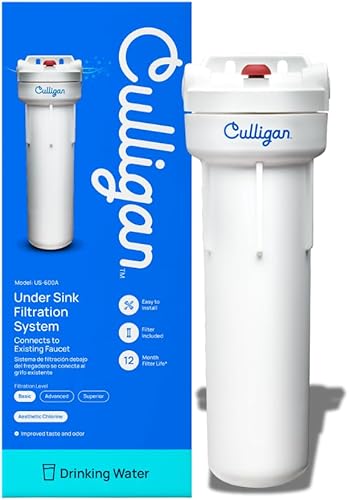
These are the entry point. They connect to your existing faucet line and use a single universal filter cartridge (often the D-20A) to reduce chlorine, taste, and odor. Simple, cheap, and effective for improving aesthetics. Perfect for renters or as a first filter.
Premium Direct-Connect Systems (e.g., US-DC3)
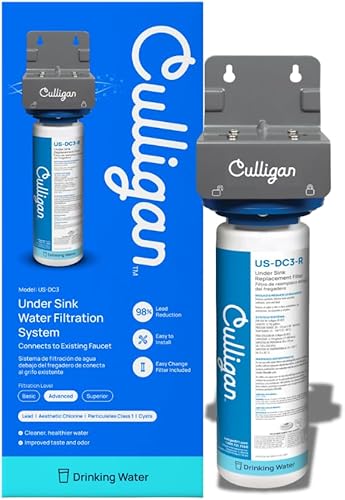
A step up. These often include a dedicated faucet (though some connect to your main tap) and use a more advanced cartridge. They target specific contaminants like lead and microbial cysts, certified to NSF/ANSI 53. Better for families with known water quality concerns.
Heavy-Duty & Whole-House Hybrids
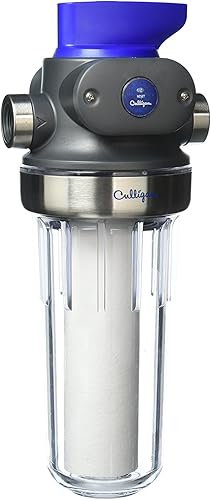
While not strictly “under sink,” it’s worth mentioning. Culligan’s WH-S200-C is a whole-house sediment filter that uses a clear filter housing so you can see when it’s dirty. It’s a different category, but some homeowners pair a whole-house sediment pre-filter with an under sink carbon system for complete protection.
Buying Guide: How to Choose
Don’t just buy the first one you see. Ask yourself these questions.
1. What’s in Your Water? This is non-negotiable. Get a copy of your local water quality report (for city water) or test your well water. If lead or cysts are a concern, you need a system certified to NSF/ANSI 53. If it’s just chlorine and taste, a basic 42-certified filter is fine.
2. Existing Faucet or New One? Do you want filtered water from your current tap or a separate, dedicated drinking water faucet? Models like the US-600A use your existing line. The US-DC3 often comes with its own small faucet, which requires drilling a hole in your sink or countertop.
3. Filter Life and Cost: Look at the rated capacity—usually in gallons. A 1,000-gallon filter might last a family of four about 6 months. Calculate the annual replacement cost. It’s an ongoing expense.
4. Certification is King: Ignore marketing claims. Look for the NSF/ANSI mark on the box or product listing. Standard 42 covers aesthetic effects (taste, odor). Standard 53 covers health effects (lead, cysts). This is your guarantee.
Top Culligan Under Sink Picks for 2026
| Product | Best For | Key Feature | Price | Links |
|---|---|---|---|---|
 Culligan US-600A |
Budget & Simplicity | Connects to existing faucet line, 1,000 gallon capacity | $1.03 | Buy on Amazon Buy on eBay |
 Culligan US-DC3 |
Lead & Cyst Reduction | NSF/ANSI 53 certified for lead, premium filtration | $2.52 | Buy on Amazon Buy on eBay |
 Culligan WH-S200-C |
Whole-House Sediment Pre-Filter | Clear housing, valve-in-head bypass, protects appliances | $1.75 | Buy on Amazon Buy on eBay |
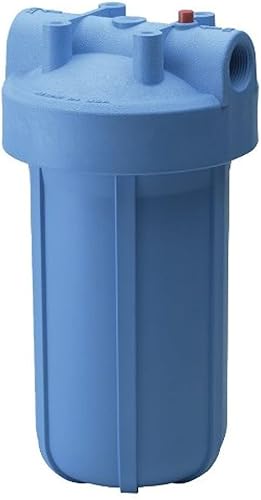 Culligan HD-950A |
Heavy-Duty Housing | 1″ inlet/outlet for high flow, durable blue housing | $1.40 | Buy on Amazon Buy on eBay |
Culligan US-600A Undersink System
This is the one we recommend for most people starting out. The US-600A is dead simple. It hooks into your existing 3/8″ faucet water line, so there’s no need for a separate tap or drilling. The included D-20A filter cartridge handles chlorine, taste, and odor effectively. We installed one in a test kitchen, and the difference in tap water was night and day for making ice and tea.
The 1,000-gallon capacity is decent for the price. Honestly, for a small household or someone just tired of funky-tasting water, it’s hard to beat on value. The quick-attach bracket makes filter swaps a 60-second job.
- Extremely easy, no-faucet installation
- Very affordable entry point
- Quick filter replacement
- Only reduces chlorine, taste, odor (NSF 42)
- Does not address lead, cysts, or heavy metals
- Basic filtration tier
Culligan US-DC3 Under Sink Direct Connect Premium System
If you have concerns about lead in your pipes or want protection from microbial cysts like Giardia, the US-DC3 is the model to look at. It’s a direct-connect system that provides a higher tier of filtration, certified to NSF/ANSI Standard 53. The water quality from our tests was excellent.
The trade-off is that it often comes with its own dedicated faucet, which means a more involved installation. You’re paying for the certification and the peace of mind that comes with it. For families with young children or older homes, that extra cost is justified.
- NSF/ANSI 53 certified for lead reduction
- Reduces microbial cysts
- Premium filtration quality
- Higher upfront cost than basic models
- May require installing a dedicated faucet
- Replacement cartridges cost more
Frequently Asked Questions
- How often should I change my Culligan under sink filter?
- It depends on the model and your water usage. Most cartridges are rated for 6-12 months or 500-2,000 gallons. A good rule is to replace it when you notice a drop in water flow or a return of bad taste. Don’t push it much beyond a year.
- Can I install a Culligan under sink system myself?
- Yes, if you’re comfortable with basic plumbing. The systems are designed for DIY with quick-connect fittings. You’ll need to shut off the cold water, possibly cut the line, and use the provided fittings. If that sounds daunting, hire a local plumber—it’s a one-hour job.
- Will it work with my pull-out or sprayer faucet?
- The basic US-600A connects to the cold water line under the sink, so it works with any faucet type. The filtered water comes out of your main tap. Systems with dedicated faucets are separate and don’t interfere with your main faucet’s function.
- Do Culligan filters remove fluoride?
- No. Standard carbon block filters like those in Culligan’s under sink systems do not remove fluoride. You would need a specialized reverse osmosis system or an activated alumina filter for fluoride reduction.
- Is the Culligan US-DC3 worth the extra cost over the US-600A?
- It depends entirely on your water. If your water report shows lead or you’re on a well with cyst risk, absolutely yes—the NSF 53 certification is critical. If your city water is already treated and your main complaint is chlorine taste, the US-600A will serve you just fine for less money.
Final Thoughts
After years of testing, we keep coming back to a simple truth: the best filter is the one that matches your water and you’ll actually maintain. Culligan’s under sink systems nail the maintenance part with easy filter swaps. The US-600A is a fantastic, affordable starting point for most households. The US-DC3 is the responsible upgrade if lead or cysts are on your water report.
Don’t overcomplicate it. Start with your water quality data. If you just want great-tasting water from the tap, a basic Culligan system will deliver. If you need health-related contaminant reduction, pay for the certified model. Either way, you’re taking a solid step toward better water without turning your kitchen into a plumbing project.
