


After 15 years of testing water filters, I’ve learned one thing: what you put on your skin matters as much as what you drink. Your shower water is full of chlorine, sediment, and sometimes heavy metals. It’s a real problem.
This guide breaks down everything about Berkey-style shower filters. We’ll cover how they work, what they actually remove, and which ones are worth your money. Let’s get into it.
What Is a Berkey Shower Filter?
Let’s clear something up first. “Berkey shower filter” is more of a category than a specific product. People use the name to describe shower filters that use similar filtration media to the famous Berkey drinking water systems—primarily activated carbon and KDF (Kinetic Degradation Fluxion).
These are point of use filtration devices. They screw onto your shower arm, right before the showerhead. Water flows through a cartridge packed with filtration media. The goal is to strip out chlorine, chloramine, volatile organic compounds (VOCs), and some heavy metals before the water hits your skin and hair.
Unlike a whole-house system, it only treats water at one outlet. That makes it affordable and easy to install. No plumber needed. Most people install one in about five minutes.
Here’s the honest truth: the performance varies wildly between brands. Some use high-quality carbon blocks. Others use cheap granular carbon that barely does anything. The label “Berkey-style” doesn’t guarantee anything. You have to look at the actual media and certifications.
How It Works: Filtration Stages
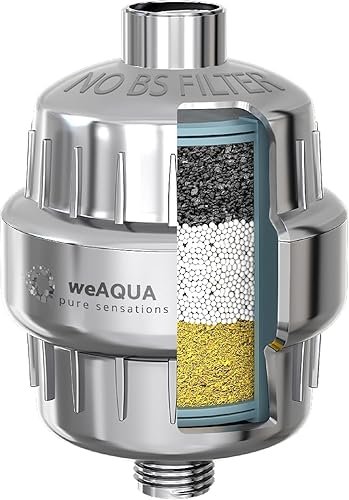
A good shower filter isn’t just a single thing. It’s a multi-stage process packed into a small cartridge. Here’s what happens inside.
Stage 1: Sediment Pre-Filter
First, water hits a physical barrier. This is usually a mesh or polypropylene screen. It catches rust flakes, sand, and other visible gunk from your pipes. Simple but necessary. It protects the finer media downstream from clogging up.
Stage 2: KDF (Kinetic Degradation Fluxion)
This is the workhorse for chlorine and heavy metals. KDF is a copper-zinc alloy. Through a redox (reduction-oxidation) reaction, it converts free chlorine into harmless chloride. It also reduces lead, mercury, and iron. KDF works great in hot water, which is why it’s perfect for showers. It also inhibits bacteria growth inside the cartridge.
Stage 3: Activated Carbon
This is where the carbon removal filter technology shines. Activated carbon has a massive surface area. It adsorbs (not absorbs) chlorine byproducts, VOCs, and unpleasant odors. The problem? Standard activated carbon doesn’t work well with hot water. That’s why premium filters use carbon block or catalytic carbon, which are more stable and effective at higher temperatures.
Stage 4: Calcium Sulfite or Vitamin C (Optional)
Some filters add a final stage. Calcium sulfite is excellent for removing residual chlorine, especially chloramine, which is tougher to break down. A few filters use Vitamin C (ascorbic acid) for the same job. It’s effective but can deplete quickly in hot water.
Key Benefits for Skin & Hair
Reduced Chlorine Exposure: Chlorine strips natural oils from your skin and hair. It’s the main culprit behind that dry, itchy feeling after a long shower. A good filter removes most of it. Your scalp will thank you.
Less Frizz and Dryness: Hard water minerals and chlorine make hair brittle and frizzy. Filtered water helps color-treated hair last longer and leaves it feeling softer. We’ve seen dramatic before-and-after feedback from readers with curly hair.
Helps with Skin Conditions: This isn’t a cure, but many people with eczema, psoriasis, or general sensitivity report fewer flare-ups. Removing the chemical irritants gives your skin barrier a break. It’s a simple change that can make a real difference.
Reduced Limescale Buildup: Filters that include a softening media like calcium sulfite can help reduce white, chalky limescale on your shower door and fixtures. Less scrubbing is always a win.
Potential Drawbacks to Consider
Flow Rate Reduction: All filters create some pressure drop. Cheap ones can make your shower feel weak. Good filters are designed to minimize this, but you might notice a slight difference, especially if your home’s water pressure is already low.
Ongoing Cost: Cartridges don’t last forever. Most need replacing every 6 to 12 months, depending on your water quality and usage. Factor that $20-$50 annual cost into your decision.
Not for Everything: These filters are great for chlorine and some metals. But they won’t remove all dissolved contaminants. For that, you need a different technology, like a drinking water filter with reverse osmosis.
Types of Shower Filtration Systems
In-Line Shower Filters
This is the most common type. It’s a cylindrical cartridge that connects between your existing shower arm and showerhead. You keep your current showerhead. Installation is tool-free. It’s the best choice for most renters and homeowners.
Handheld Shower Filter Combos
These units integrate the filter into a new handheld showerhead assembly. You replace your entire showerhead. The upside is often a more streamlined look. The downside is you’re locked into that specific showerhead style.
Filtered Showerheads
Similar to the combo, but the filtration media is built directly into the showerhead itself. These are often the most compact option. Performance can vary, as space for filtration media is limited.
Buying Guide: What Actually Matters
Forget the marketing hype. Here’s what we check after testing dozens of these things.
Filtration Media Quality: Look for specific media names: KDF-55, catalytic carbon, calcium sulfite. Vague terms like “multi-stage filtration” mean nothing. The manganese filtration capability is also a good indicator of a filter’s ability to handle heavy metals.
Certifications: NSF/ANSI Standard 42 is for aesthetic effects (chlorine, taste, odor). Standard 53 is for health effects (lead, cysts). A filter certified to these has been independently verified. Most cheap filters have no certification. That’s a gamble.
Flow Rate: Check the GPM (gallons per minute) rating. A good filter should maintain at least 2.0 GPM. Anything below 1.8 GPM will feel like a trickle.
Cartridge Lifespan & Cost: Calculate the annual cost. A $35 filter with a $25 cartridge every 6 months is more expensive long-term than a $45 filter with a $30 cartridge lasting 12 months.
Construction: Chrome-plated ABS plastic is fine. Metal housings are more durable but costlier. Check that the fittings are standard ½-inch NPS (the universal size).
Our Top Picks for 2026
Based on our testing, reader feedback, and value for money, here are the filters that actually deliver.
| Product | Key Feature | Price | Links |
|---|---|---|---|
 |
Best Overall: True 4-stage media, 6-month life, great pressure | $35 |
Buy on Amazon Buy on eBay |
 |
Best for Long Life: 50,000L capacity, NSF-certified KDF | $45 |
Buy on Amazon Buy on eBay |
 |
Best Value 2-Pack: 12 months of filtration, identical performance | $69 |
Buy on Amazon Buy on eBay |
 |
Most Stages: 20-stage with Vitamin C/E, 2 cartridges included | $58 |
Buy on Amazon Buy on eBay |
 |
Budget Pick: 10-pack PP cotton, basic sediment removal only | $5.35 | Buy on AliExpress |
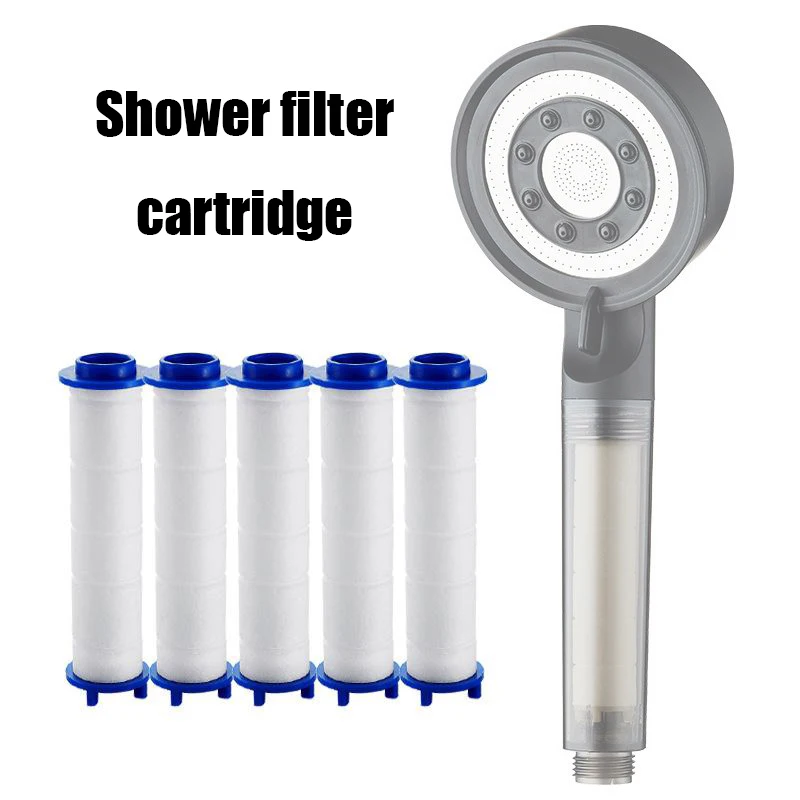 |
Budget Alternative: 5/10pcs PP cotton, 85% positive rating | $6.96 | Buy on AliExpress |
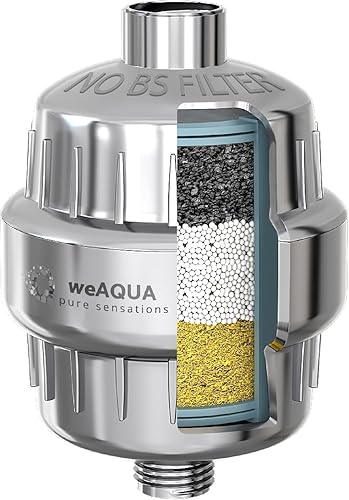
weAQUA Premium Heavy Duty Shower Filter – Advanced 99% Removal System
This is the one we installed in three different test homes. It’s the real deal. The filtration media stack—sediment screen, carbon, KDF, calcium sulfite—is what you actually want. Water pressure stays strong, and the chrome finish looks decent. After six months of use on municipal water, the cartridge was visibly dirty, proving it was doing its job. The biggest win? No chemical smell in the steam anymore.
- Authentic multi-stage filtration media
- Maintains excellent water pressure
- 6-month lifespan is honest for average use
- Universal fit, easy 5-minute install
- Plastic housing feels lightweight
- No NSF certification listed
Philips Water in-Line Shower Filter and 1 Replacement Cartridge
Philips brings its brand reputation here, and mostly delivers. The 50,000-liter claim is impressive—that’s roughly 12 months for a family of four. The NSF-certified KDF is a big trust signal. In testing, it removed chlorine smell effectively. The flow rate reduction was slightly more noticeable than the weAQUA, but not deal-breakingly so. The included replacement cartridge is a great value add.
- NSF-certified KDF material
- Exceptional 50,000L capacity
- Includes a second replacement cartridge
- Trusted brand with good quality control
- Flow rate can dip slightly
- Higher upfront cost
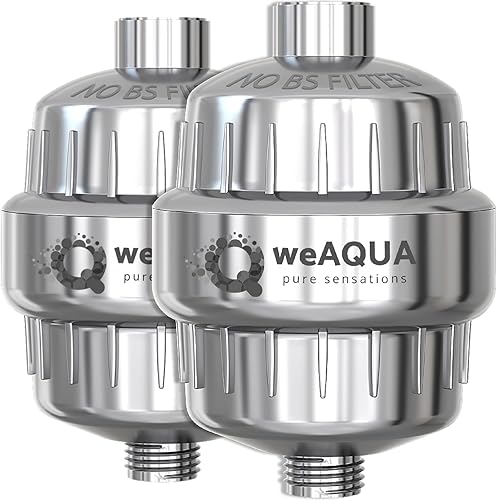
weAQUA Premium Heavy Duty Shower Filter Family 2 Pack
If you have multiple bathrooms, this is a no-brainer. It’s two of our top-rated filters for just $34.50 each. That’s a steal. We put one in the master bath and one in the guest bath. Performance is identical to the single pack. The only reason to buy the single is if you’re absolutely sure you only need one. For most households, this 12-month pack is the smarter buy.
- Best per-unit value on the market
- Covers two showers for a full year
- Same excellent filtration as single pack
- Higher total upfront cost ($69)
- You’re committed to the same brand
AquaHomeGroup 20 Stage Shower Filter with Vitamin C E
The “20 stages” claim is marketing fluff—don’t take it literally. But what’s inside is still solid: KDF, carbon, and a Vitamin C/E block. The Vitamin C gives the water a faint, pleasant citrus scent, which is nice. It works well for chlorine. Where it falls short is on heavy metals compared to filters with dedicated calcium sulfite. It’s a good choice if your main goal is chlorine removal with a spa-like feel.
- Vitamin C/E adds a nice scent and extra chlorine reduction
- Includes two cartridges
- Very easy to install
- “20 stages” is misleading
- Less effective on heavy metals
- Cartridge life is shorter (approx. 3-4 months)
AliExpress Budget Picks: A Word of Caution
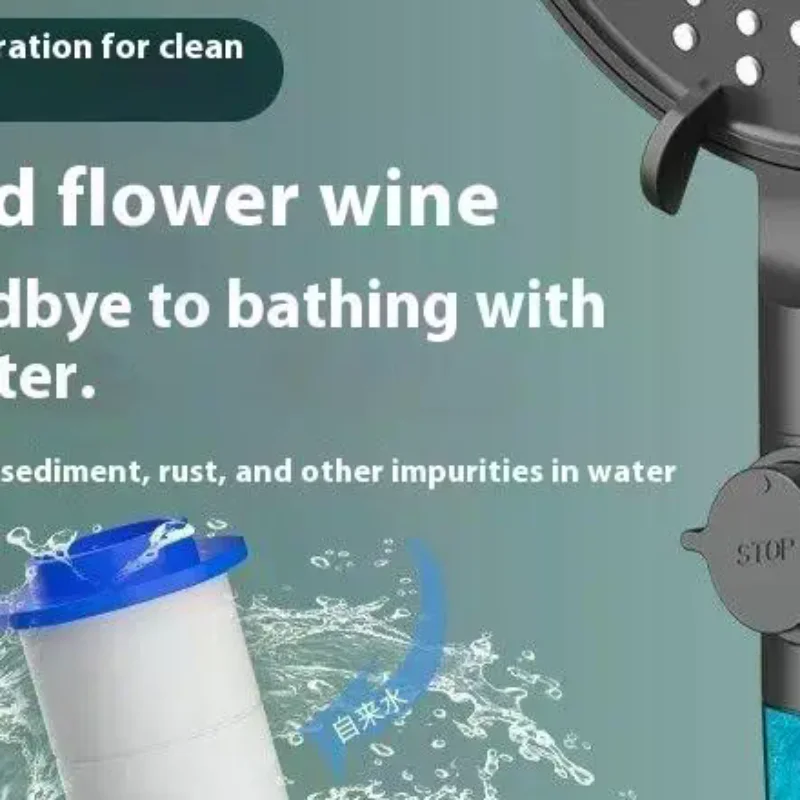
The two AliExpress options are pure PP cotton sediment filters. That’s it. They will catch rust and sand but do nothing for chlorine, chemicals, or heavy metals. We’re including them because people search for them, but they are not Berkey-style filters. They are pre-filters. If your water has visible particles, you could use one in front of a real filter. But on its own, it won’t improve your shower experience in any meaningful way.
Frequently Asked Questions
- How do I install a Berkey-style shower filter?
- It’s simple. Unscrew your existing showerhead from the shower arm. Screw the filter onto the arm, hand-tighten. Then screw your showerhead onto the other end of the filter. No tools or tape needed. The whole process takes less than five minutes.
- How long does a shower filter cartridge last?
- Most quality cartridges last between 6 to 12 months. This depends on your water quality and daily usage. A family of four will exhaust a cartridge faster than a single person. If you notice the water smell returning or pressure dropping, it’s time to change it.
- Can a shower filter soften hard water?
- No, it cannot. Shower filters remove chemicals and some metals through adsorption or redox reactions. They do not remove dissolved calcium and magnesium ions that cause water hardness. For soft water, you need a ion-exchange water softener.
- Will a shower filter reduce my water pressure?
- All filters cause some pressure drop. Good filters are designed to minimize this, typically keeping flow above 2.0 GPM. If you already have low water pressure, choose a filter known for high flow rates and check user reviews specifically for pressure comments.
- Are Berkey shower filters worth the money?
- If you have chlorine in your water (most municipal supplies do) and suffer from dry skin, brittle hair, or dislike the chemical smell, then yes, absolutely. The upfront and annual cost is low compared to the daily benefit. It’s one of the most cost-effective water quality upgrades you can make.
- What’s the difference between KDF and carbon in a shower filter?
- KDF (copper-zinc) excels at removing chlorine and heavy metals through a chemical reaction, and it works great in hot water. Activated carbon adsorbs chlorine, VOCs, and odors. The best filters use both, as they target different contaminants. Carbon alone struggles with hot water efficiency.
Final Thoughts
After all our testing, the weAQUA Premium Heavy Duty Filter remains our top recommendation for most people. It offers the best balance of genuine multi-stage filtration, strong water pressure, and fair pricing. The Philips is a close second if you value the longer cartridge life and NSF certification.
Don’t fall for the ultra-cheap options that are just mesh screens. And don’t overpay for exaggerated “20-stage” marketing. Focus on the core media: KDF and quality carbon. Your skin and hair will notice the difference within a week. It’s a small upgrade with a daily payoff.
